Tozenji Temple (Kamakura City, Kanagawa Prefecture) Complete Guide | History, Highlights, and Access Information
Tozenji Temple, located in Koshigoe, Kamakura City, Kanagawa Prefecture, is a Nichiren Buddhist temple boasting a history of approximately 700 years. As one of the eight temples that rotate over the Ryukoji Temple, it plays an important role in preserving Kamakura’s Buddhist culture. This article comprehensively introduces information you should know before visiting Tozenji Temple, from its history and highlights to access methods.
Basic Information about Tozenji Temple
Tozenji Temple is a Nichiren Buddhist temple located in the Koshigoe district of Kamakura City, and its official name is “Ryukozan Tozenji.”
Location and Contact Information
- Address: 2-22-13 Koshigoe, Kamakura City, Kanagawa Prefecture 248-0033
- Phone Number: 0467-31-6232
- Sect: Nichiren Buddhism
- Former Head Temple: Daihonzan Hokkeji Temple (Ichikawa City, Chiba Prefecture)
- Corporate Number: 6021005001942
- Affiliation: Konishi Hoen
Tozenji Temple is a branch temple of Nakayama Hokkeji Temple in Ichikawa City, Chiba Prefecture, and holds an important position within the Nichiren sect. It is registered with corporate number 6021005001942 and operates as a formal religious corporation.
About Goshuin (Temple Seals)
Goshuin (temple seals) are available at Tozenji Temple. As one of the eight temples rotating with Ryukoji Temple, it is an important temple for those on a Goshuin pilgrimage. When visiting, it is recommended to contact the temple in advance.
History of Tozenji Temple
Founding History
Tozenji Temple was founded in 1325 (Shochu 2). This period was the end of the Kamakura period, a time when the Nichiren sect was greatly developing in the Kanto region.
The background to its founding was the important mission of protecting the Tatsunokuchi sacred site. To protect the place where Nichiren Shonin was nearly executed in 1271 (the site of the Tatsunokuchi persecution), the founding priest, Nichito Shonin, was dispatched by order of Nakayama Hokkeji Temple in Chiba Prefecture.
What are the Eight Temples of the Tatsunokuchi Rotating Service?
Tozenji Temple is one of the temples known as the “Eight Temples of the Tatsunokuchi Rotating Service” or “Katase Eight Temples.” This is a collective term for eight temples responsible for the protection and management of Tatsunokuchi Temple (present-day Katase, Fujisawa City).
The eight temples of Ryukoji Temple have managed and preserved the Ryunokuchi sacred site for approximately 550 years. Each temple has taken turns managing Ryukoji Temple, continuously protecting this important sacred site of the Nichiren sect.
Among the eight temples of Ryukoji Temple located within Kamakura City, Tozenji Temple is known as the only one with a temple gate (sanmon). This gate is an important architectural structure that speaks to the prestige and deep history of Tozenji Temple.
Development since the Modern Era
Since the Meiji era, Tozenji Temple has served as a local temple and a center of faith for the people of the Koshigoe area. Even today, supported by its parishioners and local residents, it continues to transmit the teachings of the Nichiren sect.
Tozenji Temple’s Buildings and Highlights
Temple Gate
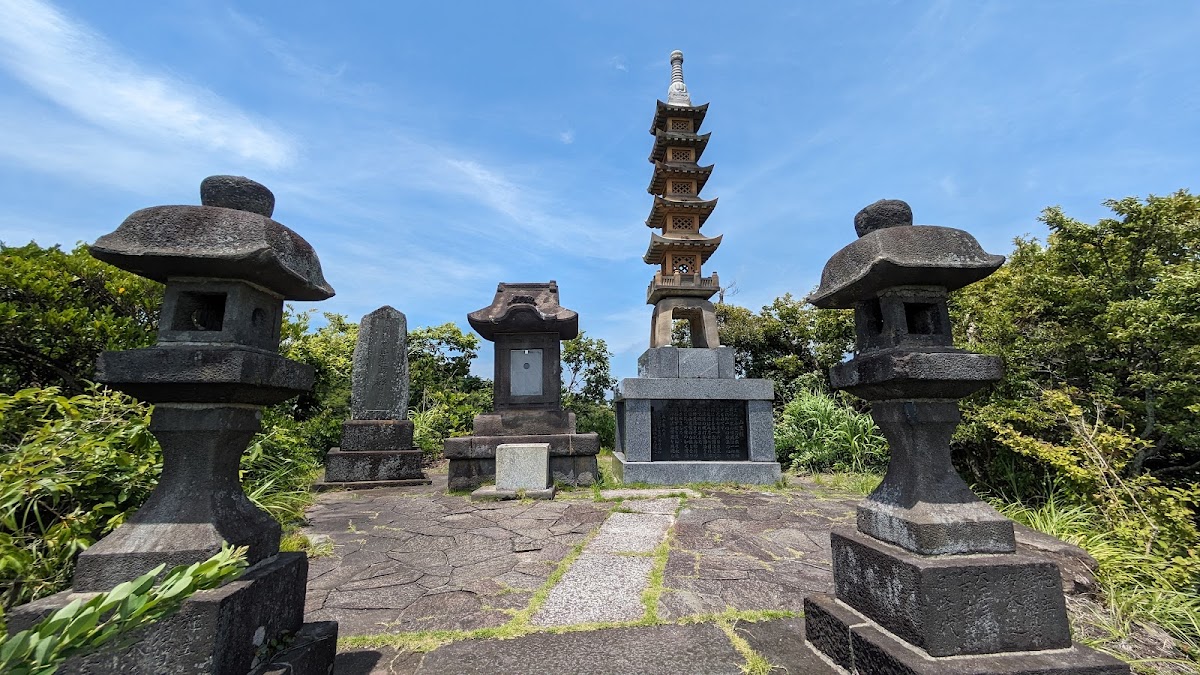
The most distinctive feature of Tozenji Temple is that it is the only temple within Kamakura City among the eight temples of Ryukoji Temple that possesses a temple gate. This gate serves to demonstrate the temple’s prestige and quietly welcomes visitors.
Passing through the temple gate, you enter a tranquil space within the temple grounds, allowing you to forget the hustle and bustle of the city.
Main Hall
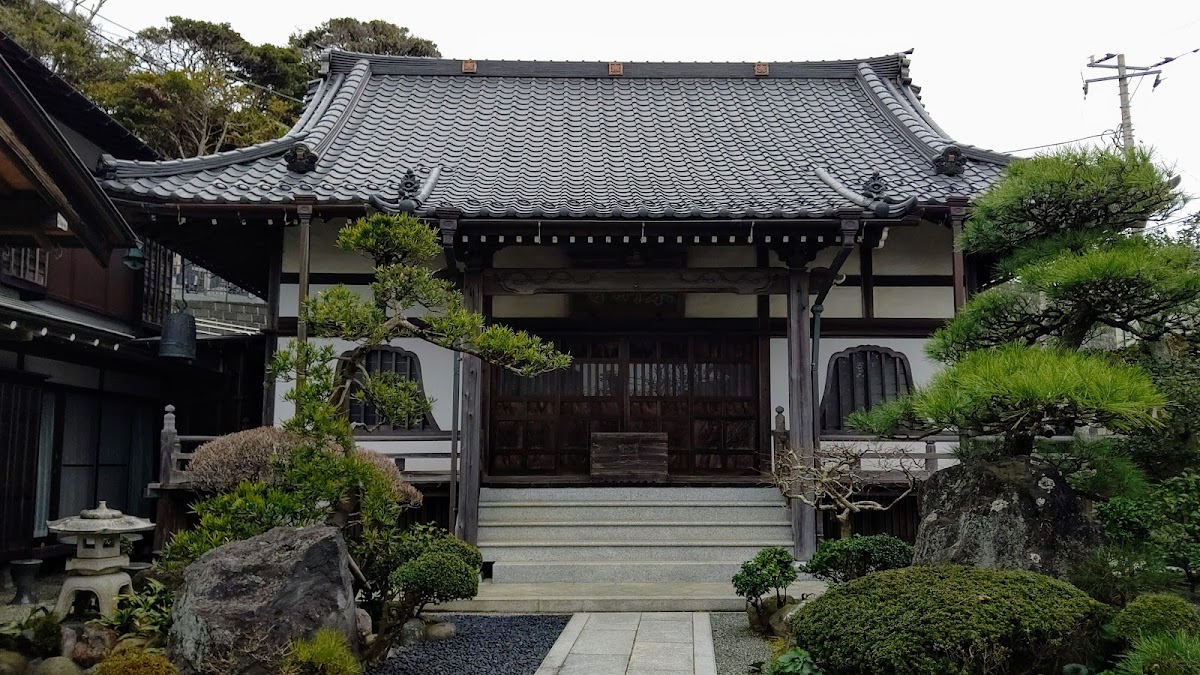
The main hall of Tozenji Temple exhibits a solemn presence befitting a Nichiren Buddhist temple. Daily chanting and memorial services are held in the main hall, serving as a place of prayer for parishioners and visitors.
View from the Cemetery
One of the notable attractions of Tozenji Temple is the view from the cemetery behind the main hall. Located on a hill, this cemetery offers the following magnificent scenery:
- Mount Fuji: On clear days, you can admire the majestic figure of Mount Fuji.
- Enoshima: You can enjoy a panoramic view of Enoshima Island floating in Sagami Bay.
- Katase Beach: The Shonan coastline stretches out below.
- Sagami Bay: A beautiful landscape created by the blue sea and sky.
This view is one of the major attractions of visiting Tozenji Temple, and the scenery on a clear day is especially spectacular. The landscape, where the sea, mountains, and historic temple come together, offers a unique charm of Kamakura.
How to access Tozenji Temple
Access by train
The most convenient way to get to Tozenji Temple is by using the Enoshima Electric Railway line.
Nearest Station: Enoshima Electric Railway Line “Koshigoe Station”
- Approximately 5 minutes on foot from Koshigoe Station
- Exit the station and head north, then proceed through the residential area to arrive.
Other Nearest Stations:
- Approximately 15 minutes on foot from Enoshima Electric Railway Line “Enoshima Station”
- Transfer to the Enoden from JR Tokaido Line/Odakyu Enoshima Line “Fujisawa Station”
Access by Car
If visiting by car, the following route is convenient:
- From National Route 134 (Shonan Road) towards Koshigoe
- Approximately 30 minutes from Yokohama-Yokosuka Expressway “Asahina IC”
Parking: It is recommended to call ahead to confirm if there is parking space at the temple. There are also several coin-operated parking lots in the surrounding area.
Access by Bus
You can also take the Enoden bus from Fujisawa Station. After getting off at the “Koshigoe” bus stop, it is approximately a 3-minute walk.
Nearby Attractions and Temples
When visiting Tozenji Temple, we recommend also visiting the surrounding temples, shrines, and tourist spots.
Ryukoji Temple (Fujisawa City)
Ryukoji Temple, which Tozenji Temple has maintained as one of the eight rotating temples, is within walking distance. It is an extremely important temple in the Nichiren sect, as a sacred site related to the persecution of Nichiren Shonin at Tatsunokuchi.
Manpukuji Temple
Manpukuji Temple, located in the Koshigoe area, is known as the temple where Minamoto no Yoshitsune wrote the “Koshigoe Letter” after being denied entry into Kamakura by his brother Yoritomo. It is about a 10-minute walk from Tozenji Temple.
Kodō Shrine
Kodō Shrine, the guardian shrine of Koshigoe, is located on a hill overlooking Enoshima and is beloved by the local people.
Enoshima Island
Enoshima Island is about a 15-minute walk from Tozenji Temple. It is a representative tourist spot of Shonan, with Enoshima Shrine and an observation deck.
Koshigoe Fishing Port
At Koshigoe Fishing Port, where fresh seafood is landed, you can enjoy meals made with local ingredients. Morning markets are also held here.
Memorial Services and Ceremonies at Tozenji Temple
Tozenji Temple performs various memorial services in accordance with the customs of the Nichiren sect.
Intermediate Period Memorial Service (49th Day Memorial Service)
In Buddhism, the 49 days until a deceased person is reborn into the next world is called “intermediate period.” During this period, memorial services are held every 7 days to pray for the repose of the deceased’s soul.
- First 7th Day
- Second 7th Day
- Third 7th Day
- Fourth 7th Day
- Fifth 7th Day
- Sixth 7th Day
- Seventh 7th Day (49th Day)
The 49th-day memorial service, in particular, is an important service marking the completion of the intermediate period.
Memorial Services
Memorial services held on the anniversary of a person’s death are called annual memorial services.
- First Anniversary (1st year)
- Third Anniversary (2nd year)
- Seventh Anniversary (6th year)
- Thirteenth Anniversary (12th year)
- Seventeenth Anniversary (16th year)
- Twenty-third Anniversary (22nd year)
- Twenty-seventh Anniversary (26th year)
- Thirty-third Anniversary (32nd year)
- Fiftieth Anniversary (49th year)
At Tozenji Temple, these memorial services are carefully conducted according to the traditions of the Nichiren sect. If you wish to hold a memorial service, it is necessary to contact the temple in advance to discuss the date and details.
Temple Culture of Kamakura City and Tozenji Temple
Kamakura City is known for its Zen Buddhist temples, including the “Kamakura Gozan” (Five Great Zen Temples of Kamakura), but there are also many Nichiren Buddhist temples. This is because Nichiren Shonin was active in Kamakura and spread his teachings despite facing numerous persecutions.
Nichiren Buddhism and Kamakura
Since establishing his sect in 1253, Nichiren Shonin conducted missionary activities primarily in Kamakura. He took a critical stance towards Zen Buddhism, which was under the protection of the Kamakura Shogunate, and was frequently persecuted, but he remained steadfast in his beliefs.
In particular, the Tatsunokuchi Persecution of 1271 is one of the most important events in the history of Nichiren Buddhism. Tozenji Temple was founded to preserve this sacred site and holds special significance in the faith of Nichiren Buddhism.
Nichiren Buddhist Temples in Kamakura
Besides Tozenji Temple, there are many other Nichiren Buddhist temples in Kamakura.
- Myohonji Temple (Hikigaya)
- Ankokuronji Temple (Omachi)
- Choshoji Temple (Zaimokuza)
- Myohoji Temple (Omachi)
- Honkakuji Temple (Komachi)
By visiting these temples and Tozenji Temple, you can gain a deeper understanding of the history and culture of Nichiren Buddhism in Kamakura.
Guidelines for Visiting Tozenji Temple
Temple Visiting Manners
When visiting temples, please observe the following basic manners.
- Bow at the Temple Gate: Bow before passing through the temple gate.
- Respectful Respect: Be quiet within the temple grounds and avoid disturbing other visitors.
- Photography: Please note that photography is restricted in some areas, such as inside the main hall.
- Attire: Modest, understated clothing is preferred.
- Smoking and Eating: Please refrain from smoking or eating within the temple grounds.
Precautions When Receiving a Goshuin (Temple Stamp)
When receiving a Goshuin, please note the following:
- Prepare your Goshuincho (stamp book) in advance.
- Prepare an offering (usually around 300 yen).
- Request politely.
- Wait quietly while the stamp is being written.
- Receive the stamp carefully with both hands.
Annual Events at Tozenji Temple
Tozenji Temple, a Nichiren Buddhist temple, holds various events throughout the year.
Main Annual Events
- New Year’s Day: First Shrine Visit of the Year, Shusho-e Ceremony
- February: Setsubun Ceremony
- Spring and Autumn Equinox: Higan-e Memorial Service
- April: Founding of the Nichiren Sect (Commemorating the day Nichiren Shonin founded the sect)
- July: Obon Memorial Service
- September: Tatsunokuchi Persecution Memorial Service (Memorial service commemorating the Tatsunokuchi Persecution)
- October: Oeshiki Ceremony (Memorial service on the anniversary of Nichiren Shonin’s death)
- December: Jodo-e Ceremony
In particular, the Tatsunokuchi Persecution Memorial Service and Oeshiki Ceremony are important events for a Nichiren Buddhist temple. For details and dates of these events, please contact the temple directly.
Tozenji Temple and the Local Community
Tozenji Temple has a history of nearly 700 years and has been deeply intertwined with the lives of the people of the Koshigoe area.
Connection with the Community
Temples have served not only as religious institutions but also as centers of local communities. They function not only as venues for funerals and memorial services, but also as places for local events and gatherings.
The Koshigoe area has a history as a fishing town and is deeply connected to the sea. Tozenji Temple is located on a hill overlooking the sea and served as a place to pray for the safety of those involved in fishing.
As a Cemetery/Memorial Park
Tozenji Temple has a cemetery where parishioners and local residents can receive perpetual memorial services. The cemetery, with its beautiful views, is chosen as a peaceful resting place for the deceased.
For inquiries regarding cemetery use and perpetual memorial services, please contact the temple directly.
About Tozenji Temples Nationwide
There are 59 temples named “Tozenji” throughout Japan. Even with the same name, their sects, histories, and origins differ.
Other Tozenji Temples in Kanagawa Prefecture
Besides the Tozenji Temple in Kamakura City, there are other temples with the same name in Kanagawa Prefecture.
- Tozenji Temple (Yokosuka City): A Jodo sect temple and one of the 24 Jizo pilgrimage sites of Kamakura.
- Tozenji Temple (Tsurumi Ward, Yokohama City): A Shingon sect temple.
These are different temples from Tozenji Temple in Kamakura City, so please check the address before visiting.
Best Season to Visit Tozenji Temple
Tozenji Temple can be visited year-round, but each season offers a different charm.
Spring (March-May)
The mild climate makes it an ideal season for visiting. The surrounding scenery is beautiful during cherry blossom season, making it perfect for a stroll.
Summer (June-August)
While humidity is high during the rainy season, the view of the sea from the cemetery is particularly beautiful on sunny summer days. However, precautions against the heat are necessary.
Autumn (September-November)
Autumn brings many clear days, and Mount Fuji is often visible. The clear air makes this the most beautiful time to view the cemetery.
Winter (December-February)
Although it’s a cold season, the view of Mt. Fuji in the crisp winter air is exceptional. The temple is bustling with many visitors during the New Year’s pilgrimage period.
Restaurants and Eating Establishments Around Tozenji Temple
Here are some restaurants in the vicinity of Tozenji Temple that you might want to visit.
Seafood Dishes Directly from Koshigoe Fishing Port
The Koshigoe area has a fishing port, and there are many restaurants where you can enjoy fresh seafood. Shirasu (whitebait) in particular is a well-known specialty of Shonan.
Restaurants Around Enoshima
If you venture to Enoshima, you’ll find even more restaurants. There are various options, including seafood restaurants and cafes.
Long-Established Shops in Kamakura
Around Kamakura Station, there are many historic Japanese confectionery shops and restaurants. Enjoying Kamakura’s food culture along with your temple visit is highly recommended.
Sightseeing Model Course Combining a Visit to Tozenji Temple
Here is a suggested one-day sightseeing model course centered around Tozenji Temple. ### Half-Day Course (Morning)
- Arrive at Enoden Koshigoe Station (9:00)
- Visit Tozenji Temple (9:10-9:40)
- Visit Manpukuji Temple (9:50-10:20)
- Visit Koshigoe Fishing Port (10:30-11:00)
- Visit Ryukoji Temple (11:10-12:00)
Full-Day Course
The above half-day course is conducted in the morning, followed by sightseeing in Enoshima in the afternoon.
- Lunch in Enoshima (12:30-13:30)
- Visit to Enoshima Shrine (13:40-14:30)
- Enoshima Observation Deck (14:40-15:30)
- Stroll around Enoshima (15:30-16:30)
Summary
Tozenji Temple is an ancient Nichiren Buddhist temple located in Koshigoe, Kamakura City, Kanagawa Prefecture. Founded in 1325, it boasts a history of approximately 700 years. As one of the eight temples that rotate over the Ryunokuchi pilgrimage route, it is an important temple that has preserved the Ryunokuchi sacred site associated with Nichiren Shonin.
Tozenji Temple’s major attractions include being the only one of the eight Ryunokuchi temples in Kamakura City with its own main gate, and the magnificent view of Mt. Fuji, Enoshima, and Sagami Bay from the cemetery behind the main hall.
Conveniently located about a 5-minute walk from Koshigoe Station on the Enoshima Electric Railway line, the temple is surrounded by numerous tourist attractions such as Manpuku-ji Temple, Ryuko-ji Temple, and Enoshima Island. Since you can also receive a Goshuin (temple stamp), it’s a recommended temple for those who enjoy visiting temples and shrines.
Tozen-ji Temple offers a unique experience where you can enjoy the history and culture of Nichiren Buddhism and the beautiful scenery of Shonan simultaneously. When visiting Kamakura, be sure to stop by. The quiet grounds and the time spent reflecting on its 700-year history will surely be a special experience.
When visiting, please observe temple etiquette and pray quietly and sincerely. For information regarding memorial services and cemetery use, it is recommended to contact the temple in advance (Tel: 0467-31-6232).