Complete Guide to Betsuganji Temple | A Thorough Explanation of the History, Goshuin (Temple Seals), and Highlights of the Kamakura Shogun’s Family Temple
Located in Omachi, Kamakura City, Kanagawa Prefecture, Betsuganji Temple is an ancient temple of the Jishu sect deeply etched into the history of Kamakura. Once flourishing as the family temple of successive Kamakura Shoguns and attracting the faith of the Ashikaga family, Betsuganji Temple continues to quietly convey its history.
This article comprehensively explains everything you need to know before visiting Betsuganji Temple, from its founding to the present day, including its history, highlights within the temple grounds, goshuin information, and access methods.
What is Betsuganji Temple? | Basic Information
Betsuganji Temple is officially called “Inariyama Choseiin Betsuganji” and is a Jishu sect temple. It is located about 12-15 minutes on foot from the east exit of Kamakura Station, just before Anyoin Temple in Omachi.
Basic Data
- Official Name: Inariyama Choseiin Betsuganji Temple
- Sect: Jishu Sect
- Principal Image: Wooden Amida Triad Statue
- Location: 1-11-4 Omachi, Kamakura City, Kanagawa Prefecture
- Founding: Unknown (as a Shingon Buddhist temple)
- Conversion to Jishu Sect: Koan 5 (1282)
- Founder: Kōnin Shōnin (Kakua)
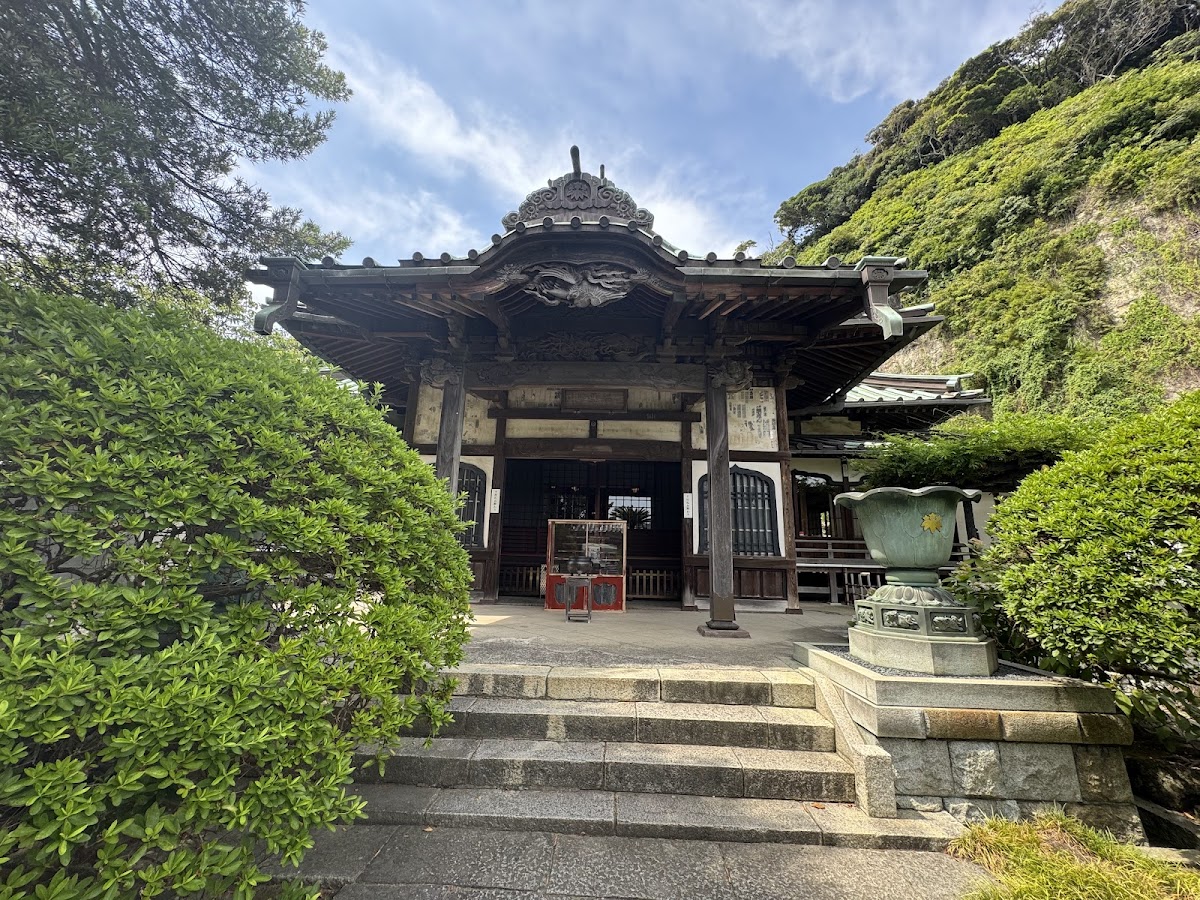
The current main hall was rebuilt in 2022 and has a residential-like appearance, so first-time visitors may overlook it. It is located along National Route 311, across from Jōgyōji Temple, which is famous for its cancer-preventing properties.
The History of Betsuganji Temple | From Shingon Buddhism to Jishu Buddhism, and to the Family Temple of the Kamakura Shogun
The Nōjōji Era and the Conversion to Jishu Buddhism
The exact founding date of Betsuganji Temple is unclear, but it was initially a Shingon Buddhist temple called “Nōjōji.” A major turning point in the temple’s history occurred in 1282 (Kōan 5).
Kōnin Shōnin, a monk at the temple, became a disciple of Ippen Shōnin, the founder of the Jishu sect, and changed his name to “Kakua.” Consequently, the temple converted to the Jishu sect and changed its name to “Betsuganji.” This event led to Betsuganji’s development as a central temple of the Jishu sect in Kamakura.
The Jishu sect is a branch of Pure Land Buddhism founded by Ippen Shōnin in the late Kamakura period, spreading the teaching that anyone can attain rebirth in paradise by chanting “Namu Amida Butsu.” This sect, known for its Odori Nenbutsu (dancing Buddhist chanting), was widely accepted by the common people of the time and gained many followers in Kamakura.
Muromachi Period | The Faith of the Ashikaga Clan and the Family Temple of the Kamakura Shogun
Betsuganji Temple flourished most during the Muromachi period. During this time, Betsuganji Temple was deeply revered by the Ashikaga clan for generations and established itself as the family temple of successive Kamakura Shoguns.
The Kamakura Shogun was the head of an organization established in Kamakura by the Muromachi Shogunate to govern the Kanto region. Ashikaga Motouji, the fourth son of Ashikaga Takauji, was the first to hold this position, and they reigned as the leaders of the samurai class in Kanto. Betsuganji Temple played an important role as a temple commemorating the Kamakura Shogun family.
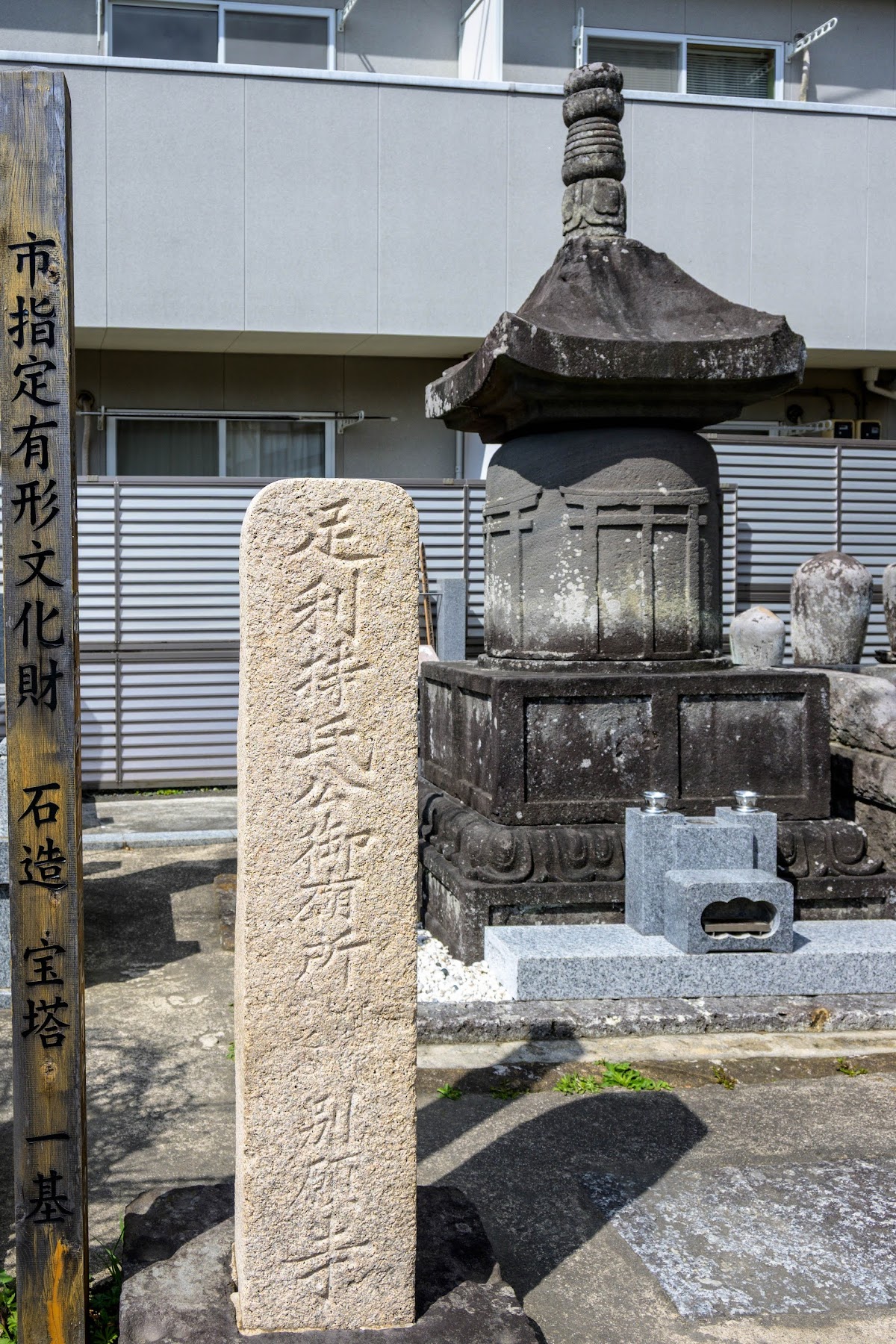
It had a particularly close relationship with Ashikaga Mochiuji, the fourth Kamakura Shogun, and a memorial tower for Ashikaga Mochiuji still remains on the temple grounds. Ashikaga Mochiuji is known for instigating the Eikyo Rebellion against the Muromachi Shogunate, and was ultimately driven to suicide. However, Betsuganji Temple continued to mourn his passing.
Decline and the Present Day
Betsuganji Temple maintained a certain level of influence in the early Edo period, even receiving land donations from Tokugawa Ieyasu in 1591. However, as the Edo period progressed, it gradually declined.
With the loss of the powerful backing of the Kamakura Shogunate and the shrinking influence of the Jishu sect itself, Betsuganji Temple lost its former prosperity. However, its historical value remains, and it continues to quietly convey its history in Omachi to this day.
In April 2021, construction began on the rebuilding of the main hall, and the new main hall was completed the following year, 2022. With this reconstruction, Betsuganji Temple has entered a new era.
Highlights of Betsuganji Temple | A Detailed Introduction to the Temple Grounds
Ashikaga Mochiuji Memorial Tower | A Stone Pagoda Retaining the Legacy of the Kamakura Shogun
The most noteworthy highlight on the temple grounds is the memorial tower of Ashikaga Mochiuji, the fourth Kamakura Shogun. This large stone pagoda is a valuable historical relic that conveys the history of the Muromachi period.
Ashikaga Mochiuji clashed with Ashikaga Yoshinori, the sixth shogun of the Muromachi shogunate, in 1438 (Eikyo 10), triggering the “Eikyo Rebellion.” Defeated in this conflict, Mochiuji committed suicide at Eianji Temple in Kamakura. Betsuganji Temple, as the family temple of the Kamakura Shogun, erected this memorial tower to mourn his spirit.
This memorial tower is an important historical site that tells of the deep connection between the Kamakura Shogun and Betsuganji Temple, and is indispensable for understanding the history of Kamakura during the Muromachi period.
Main Hall and Principal Image | Wooden Amida Triad and Fish Basket Kannon
The main hall, rebuilt in 2022, houses the principal image, a wooden Amida Triad. The Amida Triad is a combination of Buddhist statues, with Amida Buddha at the center, flanked by Kannon Bodhisattva and Seishi Bodhisattva, representing the welcoming of those who aspire to rebirth in paradise in Pure Land Buddhism.
The main hall also houses a Fish Basket Kannon statue. The Fish Basket Kannon is a rare Kannon statue originating from Chinese legend, depicting Kannon Bodhisattva holding a basket of fish.
The new main hall has a residential-like exterior, giving a different impression from traditional temple architecture, but historical Buddhist statues are carefully preserved inside.
Ichiyana Inari | Small Inari Shrine on the Temple Grounds
Within the temple grounds is a small Inari shrine called “Ichiyana Inari.” The fact that Betsuganji Temple’s mountain name is “Inariyama” suggests a connection to Inari worship.
While the origins and legends surrounding this Inari shrine are not fully known, it remains a small sacred site that has attracted the faith of local people, and it still stands quietly in a corner of the temple grounds.
Wisteria Flowers | Seasonal Colors at their Peak During Golden Week
Betsuganji Temple is also known for its wisteria flowers. The best time to see them is during Golden Week, when beautiful purple flower clusters adorn the temple grounds.
While Kamakura has many famous flower spots, Betsuganji Temple’s wisteria is a relatively little-known hidden gem. Visiting it along with the azaleas at Anyoin Temple will make your spring stroll through Kamakura even more enjoyable.
Betsuganji Temple’s Goshuin (Temple Stamp) Information
You can receive a Goshuin (temple stamp) at Betsuganji Temple. As a Jishu sect temple, the Goshuin has a different character from those of other temples in Kamakura.
When requesting a Goshuin, please speak to someone at the main hall. However, as the building resembles a residence, the temple may be unattended. If you want to be sure to receive a Goshuin (temple stamp), it is recommended to call ahead to confirm.
The Goshuin typically bears the temple name “Betsuganji” and the name of the principal deity, “Amida Nyorai.” As befits a Jishu sect temple, it is a simple yet profound Goshuin.
Betsuganji Temple Visiting Hours and Fees
Visiting Hours: There are no specific hours, but daytime visits are generally recommended. Because the building resembles a residence, it is best to avoid visiting early in the morning or after sunset.
Admission Fee: Free
Betsuganji Temple is a temple where you can freely visit the grounds. However, because of its residential appearance, please visit quietly and be considerate of the surrounding residents.
Access and Map to Betsuganji Temple
Access by Train
From JR Yokosuka Line/Enoshima Electric Railway “Kamakura Station”
- Approximately 12-15 minutes on foot from the East Exit
- Head towards Omachi and walk along National Route 311
- It is located before Anyoin Temple, opposite Jogyoji Temple.
Detailed Walking Route
Exit Kamakura Station East Exit and proceed along Wakamiya-oji towards Hachimangu Shrine. After passing the second torii gate, turn right and head towards Omachi. When you see the azaleas of Anyoin Temple, Betsuganji Temple is on your left just before it. It has a residential-like exterior, so it is recommended to check a map app while visiting.
Main Temples and Shrines in the Surrounding Area
- Anyoin Temple: Famous for its azaleas. 1 minute on foot
- Jogyoji Temple: A Nichiren Buddhist temple known for its cancer-preventing properties. Across the road:
- Myohonji Temple: One of Kamakura’s largest Nichiren Buddhist temples. 5-minute walk.
- Honkakuji Temple: East Minobu of Minobu-san Kuonji Temple. 7-minute walk.
Map
Betsuganji Temple is located at 1-11-4 Omachi, Kamakura City, and is included in the walking route along Omachi-oji Street. A recommended walking course is to visit Myohonji Temple, Anyoin Temple, Betsuganji Temple, and Jogyoji Temple from Kamakura Station.
Walking Spots Around Betsuganji Temple
Charms of the Omachi/Nagoe Area
The Omachi area, where Betsuganji Temple is located, is a little further from Kamakura Station, so it is less crowded with tourists, allowing you to enjoy visiting temples and shrines in a calm atmosphere.
A Walking Route Along Omachi-Oji
- Honkaku-ji Temple (East Minobu)
- Myohon-ji Temple (Kamakura’s Largest Nichiren Buddhist Temple)
- Joei-ji Temple (Botamochi Temple)
- Jogyo-ji Temple (Cancer Prevention)
- Betsugan-ji Temple (Kamakura Shogun’s Family Temple)
- Anyo-in Temple (Famous for Azaleas)
This route allows you to experience the diversity of Kamakura’s history. In the Omachi area, which has many Nichiren Buddhist temples, Betsugan-ji Temple, a Jishu Buddhist temple, stands out with its unique presence.
Exploring the Nagoshi Area
Extending your trip from Betsugan-ji Temple, you can also visit the historical sites of the Nagoshi area. This area is rich in history, with remnants of the Kamakura period such as the Nagoshi Pass and the Mandara-do Yagura Group.
Points to Note When Visiting Betsugan-ji Temple
Beware of its Residential Appearance
The most distinctive feature of Betsugan-ji Temple is its exterior. The main hall, rebuilt in 2022, is a modern building that doesn’t immediately look like a temple. First-time visitors might easily miss it, so it’s recommended to check a map app or Google Maps beforehand.
The landmark is Anyoin Temple. Remembering its location—just before Anyoin Temple, across from Jogyoji Temple—will prevent you from getting lost.
Maintain a Quiet Visit
As this temple is located in a residential area, please be quiet during your visit and be considerate of the surrounding residents. Avoid loud conversations and prolonged stays; please observe proper etiquette during your visit.
Checking in Advance is Recommended for Goshuin (Temple Stamps)
If you wish to receive a Goshuin, it is recommended to check by phone in advance. Since the head priest may be absent, contacting in advance is the safest option if you want to be sure to receive one.
Summary | The Historical Value and Charm of Betsuganji Temple
Betsuganji Temple is a historical temple that flourished as the center of the Jishu sect in Kamakura and played an important role as the family temple of successive Kamakura Shoguns during the Muromachi period. Since Kōnin Shōnin (Kakua) converted to the Jishū sect under Ippen Shōnin in 1282 (Kōan 5), the temple has attracted the faith of the Ashikaga family, and its relationship with Ashikaga Mochiuji, the fourth Kamakura Shogun, was particularly deep. The memorial tower for Ashikaga Mochiuji remaining on the temple grounds is a valuable historical site that conveys this history to the present day.
Although it declined after the Edo period, the reconstruction of the main hall in 2022 ushered in a new era. While its exterior resembles a modern house, the interior houses wooden statues of the Amida Triad and a statue of the Fish Basket Kannon, carefully preserving its history.
During Golden Week, the wisteria blossoms are in full bloom, allowing visitors to enjoy the seasonal colors. Located a 12-15 minute walk from Kamakura Station’s East Exit and included in the Ōmachi-Ōji walking route, Betsuganji Temple is a must-see temple for those who want to learn more about Kamakura’s history.
Visiting nearby temples and shrines such as Anyoin and Jogyoji will allow you to gain a deeper understanding of Kamakura’s diverse history and culture. The time spent contemplating the history of the Kamakura Shogunate in the tranquil temple grounds will surely become a special memory of your Kamakura stroll.