Horyu-ji Temple (寶龍寺) Complete Guide: Visiting the Camphor Tree Designated as an Osaka Prefecture Natural Monument and the History of Nichiren Buddhism
Horyu-ji Temple (寶龍寺, Horyu-ji) is a Nichiren Buddhist temple located in Asahi Ward, Osaka City. Despite being in the city center, it is known for its iconic giant camphor tree, designated as an Osaka Prefecture Natural Monument. This article provides a detailed introduction to Horyu-ji Temple, including its history, highlights, access methods, and surrounding area information.
Basic Information and Location of Horyu-ji Temple
Facility Overview
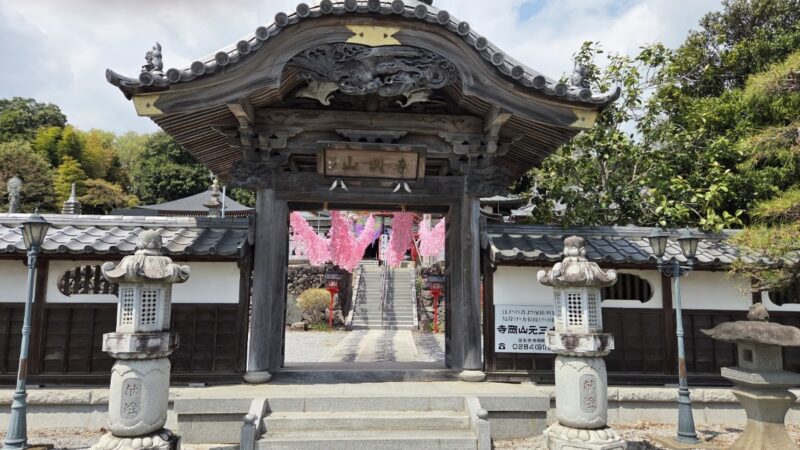
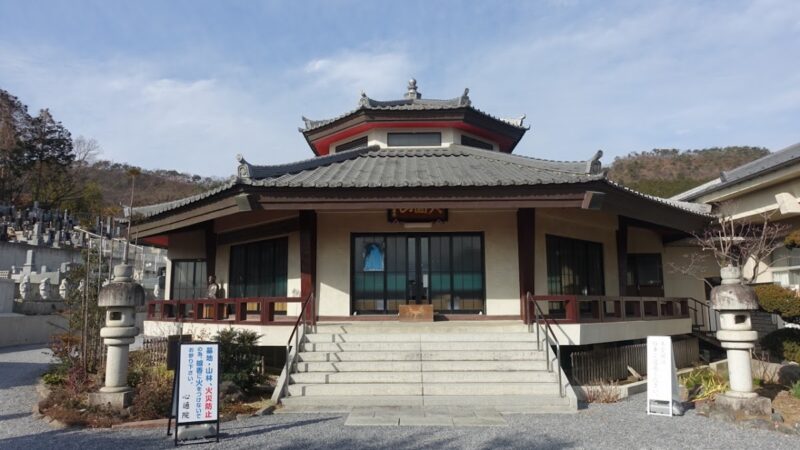
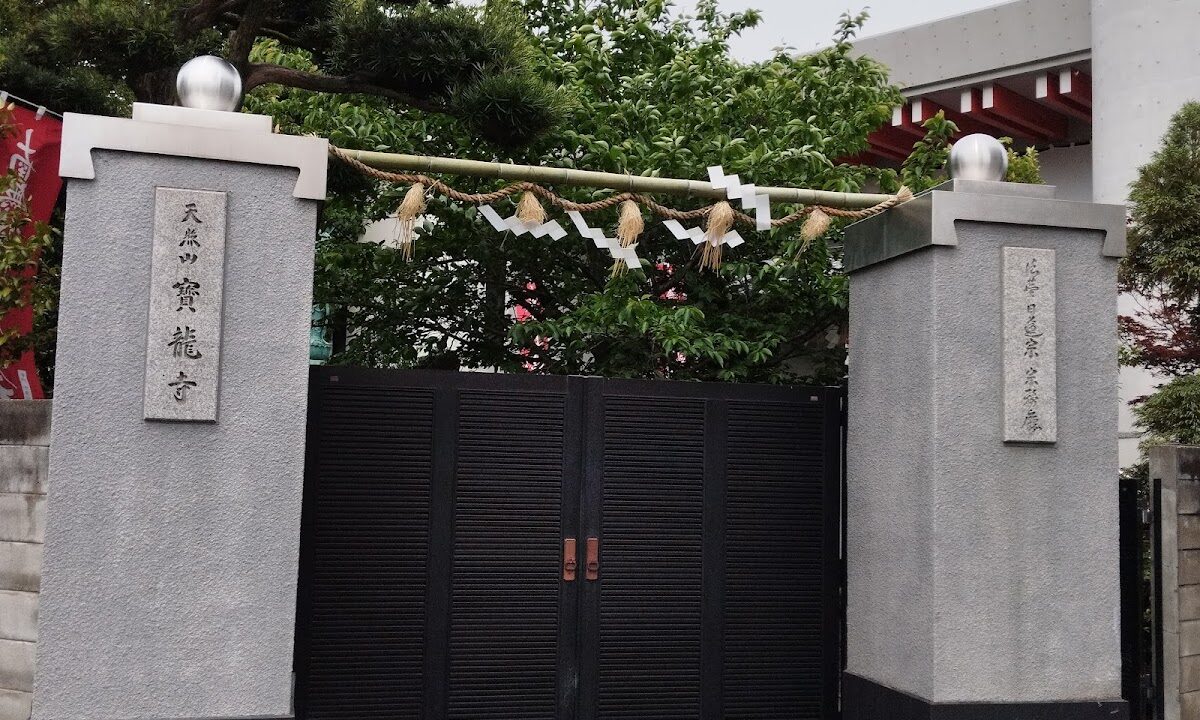
Horyu-ji Temple is a Nichiren Buddhist temple located along National Route 1 in Asahi Ward, Osaka City. Its official name is “寶龍寺” (old kanji spelling). Despite being in the heart of the city, its distinctive landscape is created by a large camphor tree forest visible from afar.
Basic Data:
- Official Name: Horyu-ji Temple
- Pronunciation: Horyu-ji
- Sect: Hokke Nichiren-shu (Nichiren-shu)
- Location: Asahi-ku, Osaka City, Osaka Prefecture
- Features: Possesses four camphor trees designated as natural monuments by Osaka Prefecture
About temples with the same name as Horyu-ji Temple
There are several temples named “Horyu-ji” or “Horyu-ji” throughout Japan. To avoid confusion, here is a summary of the main Horyu-ji temples:
- Horyu-ji Temple in Asahi-ku, Osaka City, Osaka Prefecture (Featured in this article): Nichiren sect, famous for its camphor tree designated as a natural monument.
- Horyu-ji Temple in Fukagawa City, Hokkaido: Nichiren Shoshu temple (9-17-18, Fukagawa City)
- Horyu-ji Temple in Sano City, Tochigi Prefecture
- Horyu-ji Temple in Daigo-machi, Kuji-gun, Ibaraki Prefecture
- Horyu-ji Temple in Futtsu City, Chiba Prefecture (Also exists as a place name)
As there are temples with the same name throughout Japan, it is important to check the location and sect when searching.
Osaka Prefecture Designated Natural Monument: “Horyu-ji Temple’s Camphor Tree”
Overview and Characteristics of the Camphor Tree
The biggest attraction of Horyu-ji Temple is its four gigantic camphor trees, designated as an Osaka Prefecture Designated Natural Monument. It is extremely rare to find such a magnificent camphor tree forest in an urban area, and its presence can be seen from afar.
Characteristics of the Camphor Trees:
- Number of Designated Trees: 4 trees
- Designation Category: Osaka Prefecture Designated Natural Monument
- Tree Height: Multiple large trees densely clustered, forming a lush forest
- Landscape: When viewed from a distance, it appears as if a large forest exists within the city
- Historical Value: A valuable natural heritage site that tells the story of the region’s history and beliefs
Faith as a Sacred Tree: Seikan Dairyu Sonshin and Hakuryu Son
The camphor trees at Horyu-ji Temple are not merely natural monuments, but are also cherished as objects of worship. It is believed that Hakuryu Son, also known as “Seikatsu Dairyu Sonshin,” resides in these camphor trees, and they have been revered as sacred trees by the local people.
Characteristics of the Faith:
- White Dragon Deity Faith: A belief in the dragon god residing in the camphor tree.
- History of Protection: The tree has been carefully protected for generations as a sacred tree.
- Connection to the Community: A beloved symbol of Asahi Ward.
Camphor trees are often considered sacred in Japanese temples and shrines, and large trees in particular have been revered as places where divine spirits reside. The camphor tree at Horyu-ji Temple is a valuable example of this tradition.
Significance of Natural Monument Designation
The designation of this camphor tree grove as a natural monument by Osaka Prefecture indicates its high academic and cultural value. The preservation of such a large-scale natural forest within the increasingly urbanized city of Osaka is extremely valuable.
Significance of Protection:
- Preservation of valuable green spaces in urban areas
- Maintenance of biodiversity (ecosystem centered on camphor trees)
- Preservation of historical landscapes
- Symbol of regional identity
History of Horyu-ji Temple and the Nichiren Sect
Characteristics and Doctrines of the Nichiren Sect
The Nichiren Sect (Hokke Nichiren Sect), to which Horyu-ji Temple belongs, is a Buddhist sect founded by the Kamakura period monk, Nichiren Shonin. It considers the Lotus Sutra as its fundamental scripture and emphasizes chanting the mantra “Namu Myoho Renge Kyo.”
Basic Principles of Nichiren Buddhism:
- Founder: Nichiren Shonin (1222-1282)
- Principal Image: Often a Mandala or Shakyamuni Buddha
- Fundamental Scripture: The Lotus Sutra (Myoho Renge Kyo)
- Practice Method: Chanting the title (Namu Myoho Renge Kyo)
- Characteristics of Doctrine: Emphasizes worldly benefits and social practice
Historical Background of Horyu-ji Temple
While records of the exact founding date of Horyu-ji Temple are limited, it has developed as a center of local faith as a Nichiren Buddhist temple. It is an important temple for considering the history of Buddhist faith in the Asahi Ward of Osaka City.
Historical Context:
- The development of Nichiren Buddhism in Osaka and its regional missionary work
- A temple with a history predating urbanization, deeply rooted in the community
- A history of coexistence with nature through the protection of camphor trees
Access and Surrounding Information
Access to Horyu-ji Temple
Horyu-ji Temple is located near National Route 1 in Asahi Ward, Osaka City, and is accessible by public transportation.
Access by Public Transportation:
- Nearest Station: Osaka Metro Tanimachi Line/Imazatosuji Line “Taishibashi-Imaichi Station” or “Senbayashi-Omiya Station”
- Bus: Osaka City Bus routes are available
- Walking: Within walking distance from the nearest station
Access by Car:
- Good access along National Route 1
- It is recommended to check in advance regarding parking availability
Surrounding Attractions and Local Information
Asahi Ward, Osaka City, is located in the eastern part of Osaka City and is a mixed residential and commercial area. The following are some of the attractions around Horyu-ji Temple:
Nearby Spots:
- Johoku Park: A vast urban park where you can enjoy nature in all four seasons.
- Osaka Municipal Asahi Library: A local cultural facility.
- Senbayashi Shopping Street: A lively local shopping street.
- Yodogawa Riverbank: Ideal for walks and recreation.
Precautions When Visiting
Basic Manners and Precautions When Visiting Horyu-ji Temple:
Visiting Manners:
- Maintain silence and be considerate of other visitors.
- Take photographs only in permitted areas (especially when photographing the camphor tree, a natural monument).
- Respect the natural environment of the temple grounds.
- Take your trash with you.
Best Time to Visit:
- The camphor tree remains green throughout the year, but it is especially beautiful in the season of fresh greenery (spring) and autumn foliage.
- Check the weather forecast; visiting on a sunny day is recommended.
Highlights and Attractions of Horyu-ji Temple
A Sanctuary in the City
The greatest charm of Hōryūji Temple lies in its ability to maintain a tranquil space surrounded by abundant nature, despite being located in the heart of the metropolis of Osaka. While situated very close to National Route 1, a major thoroughfare, stepping onto the temple grounds feels like entering a completely different world.
Spatial Appeal:
- A tranquil environment away from the hustle and bustle of the city
- A mystical atmosphere created by giant camphor trees
- A landscape where history and nature harmonize
Seasonal Scenery
Although camphor trees are evergreen, they show different expressions depending on the season:
Spring (March-May): A season of beautiful new greenery and abundant vitality
Summer (June-August): The shade of the deep green trees provides coolness
Autumn (September-November): A beautiful contrast with the surrounding deciduous trees
Winter (December-February): A season where the strength of the evergreen trees stands out
Photography Spots
Horyu-ji Temple is also an attractive spot for photography enthusiasts:
Recommended Photography Points:
- A composition capturing the entire camphor tree forest from a distance
- The awe-inspiring presence of the giant trees viewed from within the temple grounds
- A landscape of sunlight filtering through the trees
- An angle that expresses the contrast between city and nature
Temples related to “Horyu-ji” and “Ryuhō-ji” throughout Japan
Horyu-ji Temple (Nichiren Shoshu) in Fukagawa City, Hokkaido
Horyu-ji Temple in Fukagawa City, Hokkaido, is a Nichiren Shoshu temple. It belongs to a different sect than the Horyu-ji Temple in Osaka.
Basic Information:
- Location: 17-18, 9-jo, Fukagawa City, Hokkaido
- Sect: Nichiren Shoshu
- Phone: 0164-23-3452
Nichiren Shoshu is a sect that branched off from Nichiren Buddhism, and its head temple is Taiseki-ji Temple in Fujinomiya City, Shizuoka Prefecture.
Ryuhō-ji Temple (Yōkokuzan Ryuhō-ji) in Kamakura
Ryuhō-ji Temple in Ueki, Kamakura City, Kanagawa Prefecture, is a Soto Zen temple associated with the Tamanawa Hojo clan.
Historical Characteristics:
- Mountain Name: Yōkokuzan
- Sect: Sōtō Zen
- Founder: Taijō Sōei
- History: Flourished as the family temple of the Hōjō clan, lords of Tamanawa Castle
- Location: 129 Ueki, Kamakura City, Kanagawa Prefecture
It is said that the temple originated from Zuikōin, built by Hōjō Tsunashige, the 3rd lord of Tamanawa Castle. In 1575 (Tenshō 3), Hōjō Ujikatsu, the 6th lord, moved it to its current location and established “Daiōji.” It played an important role as the family temple of the Tamanawa Hōjō clan.
Ryūhōji Temple in Sendai (Shingon Omuro School)
Ryūhōji Temple, located in Sendai City, Miyagi Prefecture, is a special head temple of the Shingon Omuro School.
Features:
- Sect: Shingon Omuro School
- Status: Special Head Temple
- Location: Sendai City, Miyagi Prefecture
As such, temples bearing the names “Ryuho” and “Horyu” exist throughout Japan, each with different sects and histories.
Significance and Modern Value of Visiting Horyu-ji Temple
Symbol of Nature Conservation in an Urban Area
Horyu-ji Temple is important as a successful example of protecting a valuable natural environment amidst urban development. The camphor tree, a natural monument, is not merely a tourist attraction but also a teaching tool for considering the coexistence of cities and nature.
Modern Significance:
- Environmental Education: A place to learn about the importance of nature conservation in urban areas
- Biodiversity: Conservation of ecosystems centered on camphor trees
- Cultural Landscape: Maintenance and inheritance of historical landscapes
- Community Core: A foundation for regional identity
A Place to Seek Peace of Mind
In modern society, temples also play a role as places to seek spiritual peace. The tranquil environment of Hōryūji Temple offers an opportunity to escape the hustle and bustle of everyday life and reflect on oneself.
Spiritual Value:
- A healing space in a stressful society
- A place for meditation and introspection
- An opportunity to feel connected to nature
- An experience of history and tradition
The History of Asahi Ward and the Position of Hōryūji Temple
Regional Characteristics of Asahi Ward, Osaka City
Asahi Ward in Osaka City is a relatively new administrative district, established in 1943 by separating from Higashiyodogawa Ward. Surrounded by the Yodo River and Jōhoku River, it has long developed as a key point for water transport.
Regional Characteristics:
- Population: Approximately 90,000 (as of 2024)
- Area: Approximately 6.32 square kilometers
- Features: A region where residential and commercial areas are harmoniously blended
- Transportation: Served by the Osaka Metro Tanimachi Line and Imazatosuji Line
The Role of Horyu-ji Temple in the Region
Horyu-ji Temple plays the following roles in Asahi Ward:
- Historical Landmark: An important presence that tells the history of the region
- Green Space: A valuable natural environment in an urban area
- Cultural Hub: A place to pass on the region’s traditional culture
- Tourism Resource: An attraction that draws visitors from outside the ward
Characteristics of Horyu-ji Temple as a Nichiren Buddhist Temple
Nichiren Buddhist Practice and Training
At Horyu-ji Temple, a Nichiren Buddhist temple, faith based on the teachings of Nichiren Shonin is practiced.
Nichiren Buddhism Practices:
- Chanting Practice: Chanting the title “Nam Myoho Renge Kyo”
- Recitation of the Lotus Sutra: Reading the Lotus Sutra, the fundamental scripture
- Worldly Benefits: Teachings emphasizing happiness in this world
- Social Practice: Emphasizing contribution to society
Principal Image and Object of Worship
The principal image of worship in Nichiren Buddhist temples varies from temple to temple, but in most cases, a mandala or Shakyamuni Buddha is enshrined as the principal image. It is believed that Horyu-ji Temple also enshrines a principal image in accordance with the traditions of Nichiren Buddhism.
Etiquette and Manners for Visiting a Temple
Basic Etiquette for Visiting a Temple
Basic etiquette when visiting a Nichiren Buddhist temple:
Procedure for Visiting a Temple:
- Bow at the Temple Gate: Bow before entering the temple grounds.
- Purify at the Water Basin: Purify your hands and mouth.
- Proceed to the Main Hall: Proceed quietly to the front of the main hall.
- Pray and Bow: Join your hands and chant “Namu Myoho Renge Kyo.”
- Offering a Coin: Offer with gratitude.
- Bow Upon Exit: Turn around and bow when leaving the temple gate.
Precautions When Viewing Natural Monuments
Precautions when viewing camphor trees:
- Do not touch the tree or break any branches.
- Do not step on the base of the tree (to protect the roots).
- Do not litter.
- Do not make loud noises.
- When taking photographs, be considerate of other visitors.
Summary: The Charm and Worth of Visiting Horyu-ji Temple
Horyu-ji Temple (also known as Horyu-ji) in Asahi-ku, Osaka City, is a valuable temple that preserves rich nature and history despite being located in an urban area. Its giant camphor tree, a designated natural monument of Osaka Prefecture, is revered as a sacred tree inhabited by the deities Seikan Dairyu Sonshin and Hakuryu Son, and serves as a local symbol.
Combining religious value as a Nichiren Buddhist temple, environmental protection value as a natural monument, and environmental value as a green space in an urban area, Horyu-ji Temple is a must-visit spot when visiting Osaka.
Despite being located very close to the main road, National Route 1, stepping into the temple grounds feels like entering a different world. Why not forget the hustle and bustle of the city and spend a peaceful moment at Horyu-ji Temple, where history and nature, faith and culture harmonize?
While there are several temples with the same name, “Horyu-ji” or “Ryuhō-ji,” throughout Japan, the Horyu-ji Temple in Asahi-ku, Osaka City, is unique with its natural monument camphor tree, making it a one-of-a-kind temple. With its convenient access, it’s sure to be a new discovery for your Osaka sightseeing.