Complete Guide to Teraokayama Ganzan Daishi (Ashikaga City, Tochigi Prefecture) | History, Goshuin (Temple Seal), and Access Information
Teraokayama Ganzan Daishi, located in Ashikaga City, Tochigi Prefecture, is an ancient Tendai sect temple that has attracted the faith of people throughout the Kanto region since the Edo period as a temple for warding off evil and praying for business prosperity. Its official name is Teraokayama Seyakuin Yakushiji, and this temple, which has a legend of being founded by Prince Shotoku, remains one of Tochigi Prefecture’s leading sacred sites, attracting many worshippers even today.
About Teraokayama Ganzan Daishi
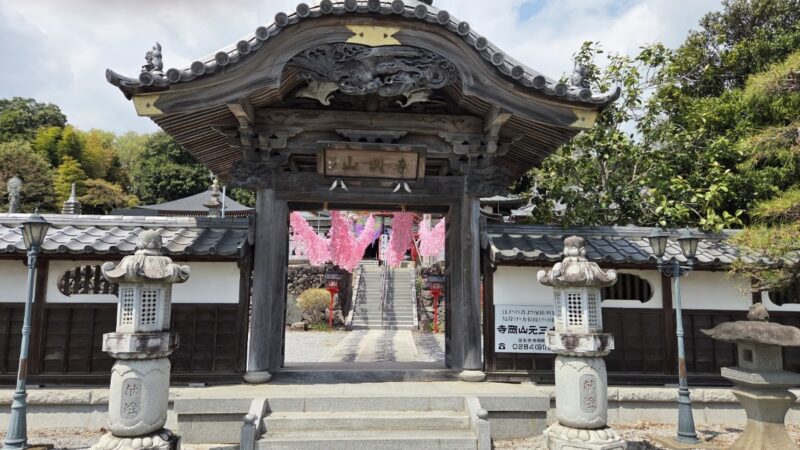
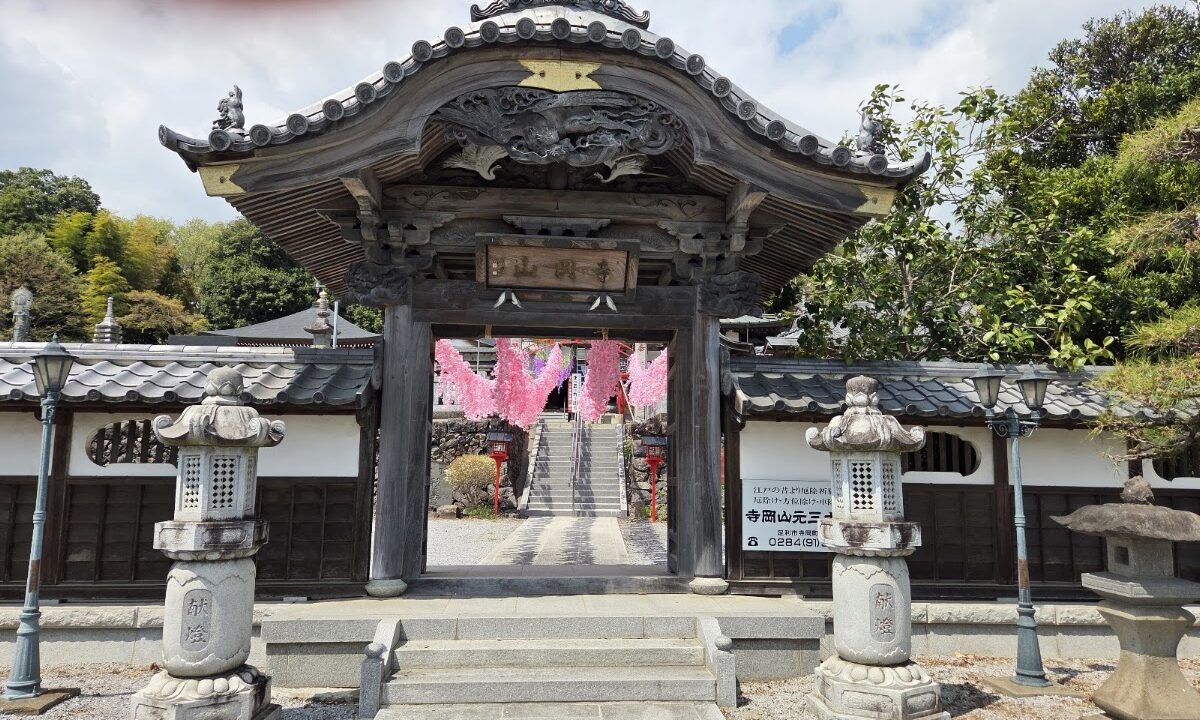
Teraokayama Ganzan Daishi is a Tendai sect prayer temple located at 871 Teraoka-cho, Ashikaga City, Tochigi Prefecture. Its official name is “Teraokayama Seyakuin Yakushiji,” but it is widely known as “Teraokayama Ganzan Daishi” because it enshrines Ganzan Daishi as its principal deity.
This temple does not have parishioners and operates solely as a prayer temple, specializing in prayers for protection against misfortune, business prosperity, and protection from misfortune related to direction. It is also known as a tourist spot in Ashikaga City, and its convenient location, approximately 5 minutes by car from Ashikaga Flower Park, attracts many visitors who stop by while sightseeing.
About Gansan Daishi (Jie Daishi Ryogen)
Gansan Daishi refers to Ryogen (912-985), a high-ranking priest of the Tendai sect during the mid-Heian period. His posthumous name is Jiei Daishi, and he came to be called “Gansan Daishi” because he died on the third day of the New Year.
Ryogen is known as the restorer of Enryaku-ji Temple on Mount Hiei, and he revived the temple, which had been in decline, making a significant contribution to the development of the Tendai sect. Furthermore, he is also said to be the founder of omikuji (fortune slips), and as a highly revered figure for warding off evil, he continues to attract worshippers throughout Japan.
History of Teraokayama Gansan Daishi
From its founding to the era of the eight Yakushi temples of Shimotsuke
According to temple tradition, Teraokayama Seyakuin Yakushiji Temple was built by order of Prince Shotoku. Initially, it was known as one of the “eight Yakushi temples of Shimotsuke,” and was one of the central temples for Yakushi worship in Shimotsuke Province (present-day Tochigi Prefecture).
As a dispensary with Yakushi Nyorai as its principal deity, it is said to have engaged in activities aimed at healing illnesses and saving people, attracting the faith of the local people. While historical materials detailing its former glory are limited, it is undeniable that it was an important religious facility in this region from ancient times.
Turning point in the Edo period and the worship of Gansan Daishi
Teraokayama Gansan Daishi became widely known in its current form due to events during the Edo period. It is said that a man named Kameda Shozaemon Norishige received a divine message from Gansan Daishi himself, stating, “You must provide relief to those in need.”
Upon receiving this message, Kameda Shozaemon Norishige dedicated a genuine portrait of Gansan Jikei Daishi to Teraokayama Seyakuin Yakushiji Temple. Since then, Teraokayama Yakushiji Temple, known as Teraokayama Gansan Daishi, has become a temple of worship for the people of Edo, serving as a place for protection against misfortune and for business prosperity.
Due to this history, the temple shifted its central object of worship from Yakushi worship to Gansan Daishi worship, and developed into a sacred site attracting many worshippers from all over the Kanto region.
A Faith That Continues to the Present Day
Even after the anti-Buddhist movement of the Meiji era, and through the Showa, Heisei, and Reiwa eras, Teraokayama Gansan Daishi has continued to uphold its role as a temple of prayer. Today, it is also known as the birthplace of prayers for safe driving in northern Kanto, and many worshippers visit to pray for traffic safety.
Furthermore, in recent years, it has become famous as the “Temple of Bush Clover in Shimotsuke,” and in autumn, the temple grounds are adorned with beautiful bush clover flowers. It has also attracted attention for housing Japan’s only “Anti-Bullying Kannon,” demonstrating its role as a temple that addresses the challenges of modern society.
Highlights of the Temple Grounds and Cultural Assets
Main Hall and Statue of Gansan Daishi
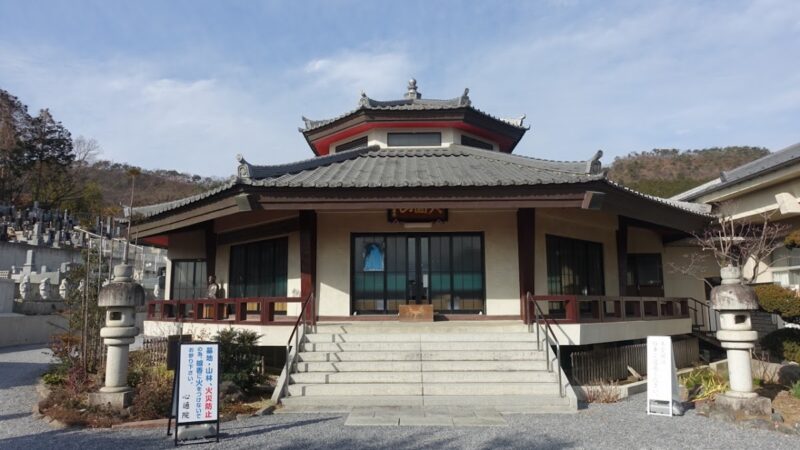
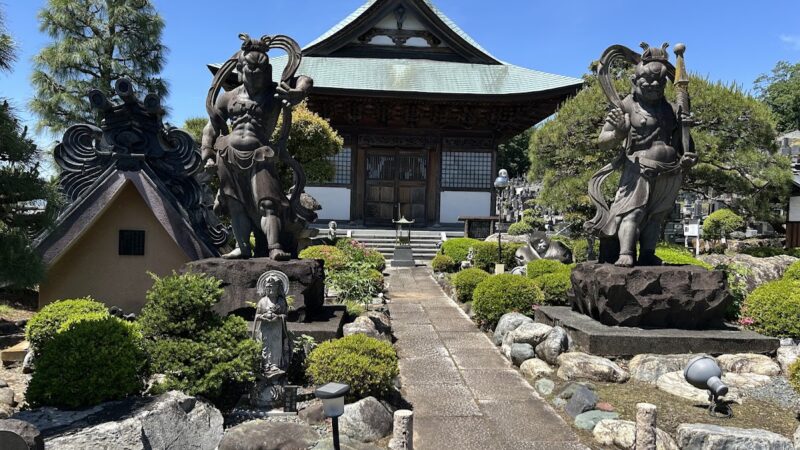
The main hall, the heart of Teraokayama Gansan Daishi, enshrines a statue of Gansan Daishi. The original portrait of Gansan Jikei Daishi, donated during the Edo period, is one of the temple’s most important treasures. Many worshippers visit the main hall for prayers for protection against misfortune and business prosperity.
Anti-Bullying Kannon
The “Anti-Bullying Kannon” enshrined on the temple grounds is known as Japan’s only Kannon statue specifically dedicated to preventing bullying. It has attracted attention from many parents and educators as an attempt to provide religious relief from the problem of bullying in modern society.
Bush Clover Flowers and Seasonal Scenery
At Teraokayama Gansan Daishi, affectionately known as “Shimotsuke’s Bush Clover Temple,” beautiful bush clover flowers bloom profusely in the temple grounds during autumn. The sight of the delicate purple and white flowers adorning the approach to the temple captivates many visitors. The best time to see the bush clover is usually from mid-September to early October.
One of the Ashikaga Seven Lucky Gods
Teraokayama Gansan Daishi is also counted as one of the pilgrimage sites for the Ashikaga Seven Lucky Gods. It is an important pilgrimage site for visitors enjoying the Seven Lucky Gods pilgrimage.
Goshuin (Temple Seal) and Goshuincho (Seal Book) Information
About Goshuin (Temple Seals)
Teraokayama Gansan Daishi offers goshuin to visitors. Goshuin are cherished by many visitors as proof of their visit and as a record of their faith. It is also a popular place to get goshuin, characterized by its carefully written ink and red seal.
The temple’s official seal (Goshuin) bears the characters “Gansan Daishi” and “Teraokayama,” along with the temple’s stamp. When visiting, you can bring your own Goshuincho (stamp book) or purchase one at the temple office.
Goshuincho
Teraokayama Gansan Daishi also offers original Goshuincho. The designs reflect the temple’s characteristics and are popular as souvenirs. Please inquire at the temple office regarding the design and price of the Goshuincho during your visit.
Items Offered
In addition to Goshuin and Goshuincho, the temple also offers amulets and talismans. These items cater to various wishes, such as protection from evil, business prosperity, and traffic safety, allowing visitors to choose according to their wishes.
Annual Events
Teraokayama Gansan Daishi holds various events throughout the year.
Gansan Daishi Grand Festival
The Gansan Daishi Grand Festival is held around January 3rd, the anniversary of Gansan Daishi’s death. During this time, the temple grounds are bustling with many worshippers, filled with people praying for protection from misfortune and good fortune.
Prayers for Protection from Misfortune
Prayers for protection from misfortune are accepted throughout the year. Those entering their unlucky years visit to pray for protection from disaster and for a safe journey. Advance reservations may be recommended; please contact the temple directly for details.
Car Prayers
As the birthplace of car prayers in northern Kanto, prayers for traffic safety are also popular. Many people visit to pray for safe travels, such as when purchasing a new car or before a long-distance drive.
Access Information
Location
871 Teraoka-cho, Ashikaga City, Tochigi Prefecture 329-4213
Access by Train
- Approximately 15 minutes on foot from Tomita Station on the JR Ryomo Line
- Approximately 5 minutes by taxi from the station
Access by Car
From Expressways
- Approximately 18 minutes from Sano-Fujioka IC on the Tohoku Expressway
- Approximately 15 minutes from Ota-Kiryu IC on the Kita-Kanto Expressway
- Approximately 12 minutes from Ashikaga IC on the Kita-Kanto Expressway
- Approximately 20 minutes from Sano-Tanuma IC on the Kita-Kanto Expressway
Located on the border of Ashikaga City and Sano City, it is easily accessible from all directions.
From Major Tourist Attractions
- Approximately 5 minutes by car from Ashikaga Flower Park
- Approximately 15 minutes by car from central Ashikaga City
Parking
A parking lot for visitors is available, with 500 spaces available free of charge at all times. It is expected to be crowded during long holidays and the New Year’s visit period, so it is recommended to visit with plenty of time to spare.
Navigation Settings
When searching by phone number, please enter the temple’s phone number. When searching by address, entering “871 Teraoka-cho, Ashikaga City, Tochigi Prefecture” will provide accurate directions.
Manners and Points for Visiting
Visiting Hours
It is recommended to check the temple’s official information regarding visiting hours in advance. General visits are possible during daytime hours, but the times for prayers and the issuance of Goshuin (temple stamps) may be limited.
Dress Code
There are no specific dress code regulations, but clean and subdued attire is desirable when visiting a temple. More formal attire is recommended when receiving prayers. ### Photography
Photography is generally permitted within the temple grounds, but photography inside the main hall or during prayers may be prohibited. Please check before taking photos or follow the signs.
Proper Worship Etiquette
- Bow at the temple gate before entering the grounds.
- Cleanse your hands and mouth at the water basin.
- Place your offering in the offering box and ring the bell in front of the main hall.
- Worship using the two bows, two claps, and one bow ritual (clapping may not be performed in some Tendai sect temples).
- Silently recite your wish.
- When leaving, turn back to the temple gate and bow once.
Nearby Tourist Attractions
Ashikaga Flower Park
A leading Japanese flower park located about a 5-minute drive away. Famous for its wisteria and wisteria tunnel, it attracts many tourists, especially during the wisteria blooming season from late April to early May. It’s an ideal tourist spot to visit in conjunction with Teraokayama Gansan Daishi.
Ashikaga School
Known as the oldest school in Japan, Ashikaga School is a representative historical building of Ashikaga City. Located about 15 minutes by car from Teraokayama Gansan Daishi, it offers a chance to learn about Ashikaga’s history.
Bannaji Temple
Bannaji Temple, known as the family temple of the Ashikaga clan, is also an important temple in Ashikaga City. It boasts a National Treasure main hall and is an indispensable part of Ashikaga City’s history.
The Charm of Teraokayama Gansan Daishi
Specialization as a Prayer Temple
A major characteristic of Teraokayama Gansan Daishi is its specialization as a prayer temple, without having parishioners. It performs specialized prayers for various wishes, such as protection from misfortune, business prosperity, and protection from disaster, carrying on a tradition of faith that has continued since the Edo period.
Addressing Modern Challenges
One of the temple’s attractions is its commitment to addressing the challenges and needs of modern society, such as housing Japan’s only “bullying-preventing Kannon” and offering prayers for safe driving. While preserving tradition, it presents a form of faith that is relevant to the times.
Easy Access
With easy access from the Kita-Kanto Expressway and Tohoku Expressway, and close to tourist attractions like Ashikaga Flower Park, its location makes it easy to combine sightseeing with temple visits. A free parking lot with a capacity of 500 cars is also available, making it convenient for those visiting by car.
Beauty of the Seasons
From the autumn bush clover, known as the “Temple of Bush Clover in Shimotsuke,” to the beauty of nature throughout the seasons, the temple grounds are adorned with different scenery each season, offering new discoveries with every visit.
Frequently Asked Questions (FAQ)
Q1: How long does it take to visit Teraokayama Gansan Daishi?
A1: A typical visit takes approximately 30 minutes to 1 hour. If you plan to stroll around the temple grounds and receive a Goshuin (temple stamp), allow about an hour. If you wish to receive a prayer, you will need an additional 30 minutes to an hour.
Q2: Can I get a Goshuin anytime?
A2: Goshuin are only available during the temple office’s opening hours. Specific hours may vary depending on the season and day of the week, so it is recommended to check with the temple in advance. Especially during the New Year holidays and long weekends, crowds are expected, so please visit with plenty of time to spare.
Q3: Is a reservation required for a prayer for warding off evil?
A3: Prayers for warding off evil are accepted without a reservation, but if you want to be sure to receive a prayer or are visiting as a group, it is recommended to contact the temple by phone in advance. Especially during the Gansan Daishi Grand Festival in January, it gets crowded, so a reservation will ensure a smoother experience.
Q4: Is it possible to visit with a pet?
A4: Please contact the temple directly regarding whether pets are allowed. Generally, entry to the temple grounds is permitted if the dog is being carried or placed in a carrier, but entry into the main hall is usually restricted.
Q5: How do I receive a car blessing?
A5: A car blessing involves driving your car onto the temple grounds and receiving the blessing. It’s best to contact the temple by phone in advance and let them know your preferred date and time. Please contact the temple directly regarding the blessing fee and duration. This temple has a long history as the birthplace of car blessings in northern Kanto.
Q6: When is the best time to see the bush clover?
A6: The best time to see the bush clover is usually from mid-September to early October. This may vary depending on weather conditions, so we recommend checking the latest blooming status before visiting. You can enjoy the beautiful scenery as the “Bush Clover Temple of Shimotsuke.”
Q7: I’d like to visit as part of the Ashikaga Seven Lucky Gods pilgrimage. How far is it from the other temples?
A7: The seven temples of the Ashikaga Seven Lucky Gods are scattered throughout Ashikaga City and can be efficiently visited by car. From Teraokayama Gansan Daishi, the closest temple is about 10 minutes away by car, and even the furthest is about 30 minutes. It is possible to visit all the temples in one day.
Q8: How do I pray to the Bullying Prevention Kannon?
A8: The Bullying Prevention Kannon is enshrined on the temple grounds, so please pray as you would to any other temple. No special rituals are required, but it is important to sincerely convey your wish. As the only Kannon in Japan specifically dedicated to preventing bullying, it attracts many visitors.
Summary
Teraokayama Gansan Daishi is a historic Tendai sect prayer temple located in Ashikaga City, Tochigi Prefecture. It has a tradition of being founded by Prince Shotoku and developed as a center of Gansan Daishi worship during the Edo period. Even today, it attracts many visitors as a temple for warding off evil and praying for business prosperity. It is also known as Japan’s only Kannon statue that protects against bullying and as the birthplace of car blessings in northern Kanto.
Located in a convenient location just a 5-minute drive from Ashikaga Flower Park, and equipped with a free parking lot accommodating 500 cars, it is an easily accessible temple for sightseeing. In autumn, it is known as the “Temple of Shimotsuke’s Bush Clover,” with beautiful bush clover flowers in full bloom, allowing visitors to enjoy the charm of each season.
The temple also offers Goshuin (temple stamps) and Goshuincho (stamp books), and is a popular stop on the Ashikaga Seven Lucky Gods pilgrimage. While preserving the tradition of faith that has continued since the Edo period, Teraokayama Gansan Daishi also addresses the challenges of modern society. As a representative sacred site of Tochigi Prefecture, it will continue to be a spiritual haven for many people.
When visiting Ashikaga City, be sure to visit Teraokayama Gansan Daishi and experience the breath of history and faith.