Complete Guide to Shariji Temple | A Thorough Explanation from History and Legends to Local Information
Shariji, located in Ikuno Ward, Osaka City, is not merely a place name; it’s an area with a deep cultural background centered around Shari Sonshoji Temple, which boasts a history of over a thousand years. This article provides a comprehensive explanation of Shariji, from its historical origins to modern local information.
What is Shariji?
Shariji is a town name located in Ikuno Ward, Osaka City, Osaka Prefecture. The current administrative district consists of three blocks: Shariji 1-chome to Shariji 3-chome. It is located in the southwestern part of Ikuno Ward, bordering Tajima to the east, Ikuno Higashi to the west, Hayashi-dera to the south, and Katsuyama Minami to the north.
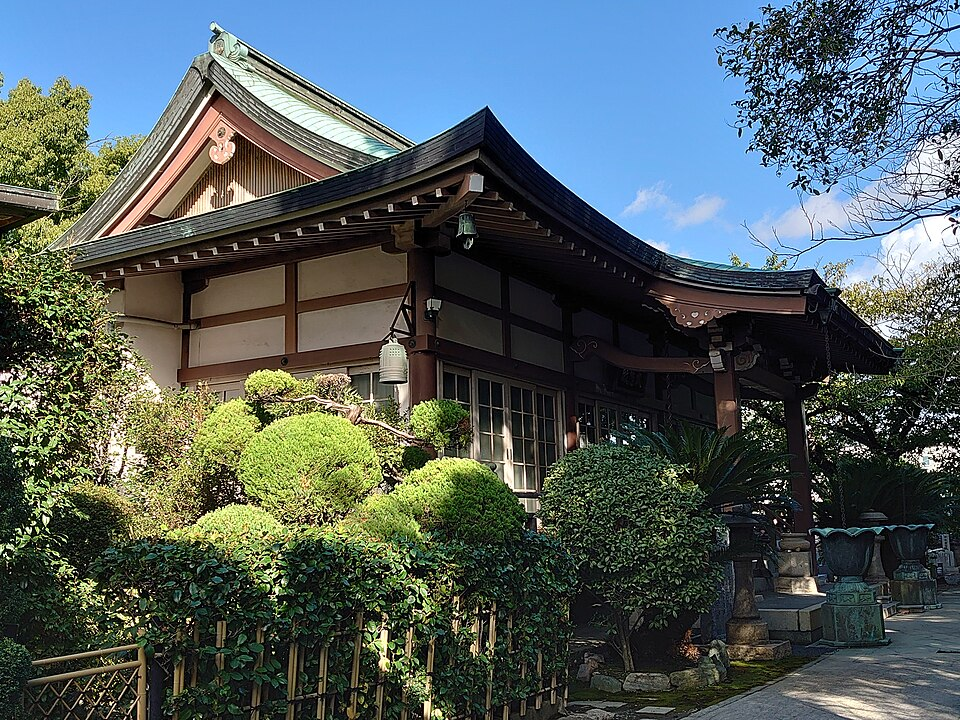
The origin of this place name is the Obaku Zen temple, Shari Sonshoji Temple. Locally, it is commonly known as “Shariji” and is a beloved symbol of the region.
History and Origin of Shari Sonshoji Temple
The Legend of Prince Shotoku and Ikuno Chōja
The founding of Shari Sonshoji Temple is linked to an interesting legend involving Prince Shotoku and Ikuno Chōja. During the reign of Emperor Yōmei, Ikuno Chōja had a child, but for some reason, the child could not speak.
Desperate, Ikuno Chōja sought help from Prince Shotoku, who was visiting Shitennoji Temple. Prince Shotoku remembered that he had entrusted the child with Buddha’s relics (Buddha’s bones) before the child was born, and instructed him to return them. The child immediately spat out three Buddha relics and returned them to Prince Shotoku.
Prince Shotoku placed one of the three relics at Hōryūji Temple in Nara, another at Shitennoji Temple in Osaka, and bestowed the remaining one upon Ikuno Chōja. The wealthy Ikuno family built a temple to enshrine these Buddha relics, and this is considered the beginning of Sharisonshoji Temple.
Characteristics of a Temple of the Obaku School
The current Sharisonshoji Temple belongs to the Obaku school of Zen Buddhism. The Obaku school is a branch of Zen Buddhism that was introduced from China in the early Edo period and is known for its unique architectural style and rituals. Sharisonshoji Temple has retained these characteristics of the Obaku school while functioning as a center of local faith.
The temple is located at 1-2-36 Shariji, Ikuno-ku, Osaka City, approximately 300 meters southeast of the Osaka City Bus “Ikuno-ku Community Center” stop.
The Battle of Shariji | An Important Battle of the Sengoku Period
Shariji also played an important role in the history of the Sengoku period. On July 21, 1547 (Tenbun 16), a large-scale battle known as the “Battle of Shariji” took place around Shariji in Higashinari-gun, Settsu Province. ### Background and Circumstances of the Battle
This battle was a clash between the forces of Miyoshi Nagayoshi and others under Hosokawa Harumoto, and the forces of Hosokawa Ujitsuna and Yuza Nagamichi. It is considered the largest battle in the Kinai region since the Ōnin War.
This victory made Miyoshi Nagayoshi’s power known throughout the Kinai region, marking a crucial step towards the establishment of the later Miyoshi regime. Shariji was not merely the location of a religious facility, but also a politically and militaryly important strategic point during the Sengoku period.
Historical Significance
The Battle of Shariji is an indispensable event when discussing the Sengoku history of the Kinai region. This battle led to the rise of Miyoshi Nagayoshi and significantly altered the political power dynamics of the Kinai region. When visiting the Shariji area today, one can remember that this place was a crucial historical stage.
The Modern State of the Shariji Area
Overview and Characteristics of the Area
The modern Shariji area is located in the central part of Ikuno Ward and retains an old townscape with numerous historical temples and shrines. Besides Sharisonshoji Temple, Ikuno Shrine also stands as a symbol of the area.
As of October 1, 2020, the population was 6,019. While it has the characteristics of a residential area, it is a unique area that retains a historical atmosphere.
Disaster Prevention Efforts
In the Shariji area, proactive disaster prevention activities, such as the creation of disaster prevention maps, are being carried out to protect the safety of local residents. While addressing the unique challenges of an area with a preserved old townscape, the local community is working together to improve disaster prevention awareness.
The Ikuno Ward website of Osaka City publishes a disaster prevention map of the Shariji area, allowing residents and visitors to prepare for emergencies.
Access Information
Access by Public Transportation
The following methods are convenient for accessing Sharisonshoji Temple and the Shariji area. If using Osaka City Bus:
- Get off at the “Ikuno Ward Community Center” bus stop and walk approximately 300 meters southeast.
- Get off at the “Ikuno Fire Station” bus stop and walk approximately 2 minutes.
If using the Imazato Liner:
- Get off at “Oikebashi” station and it’s within walking distance.
If using JR:
- Approximately 17 minutes on foot from the north exit of Teradacho Station.
Location relative to surrounding facilities
The Shariji area is located in the center of Ikuno Ward, providing good access to public facilities such as the Ikuno Ward Community Center and the Ikuno Fire Station. Historical sites such as Ikuno Shrine are also within walking distance, making it an ideal area for historical walks.
Points of interest around Shariji
Ikuno Shrine
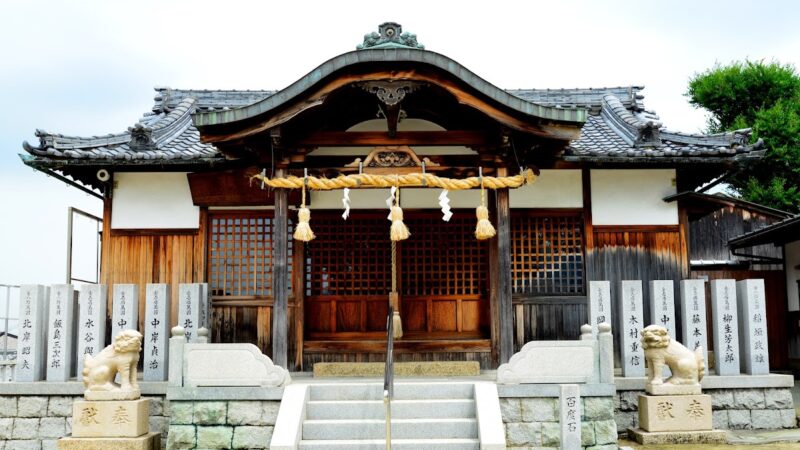
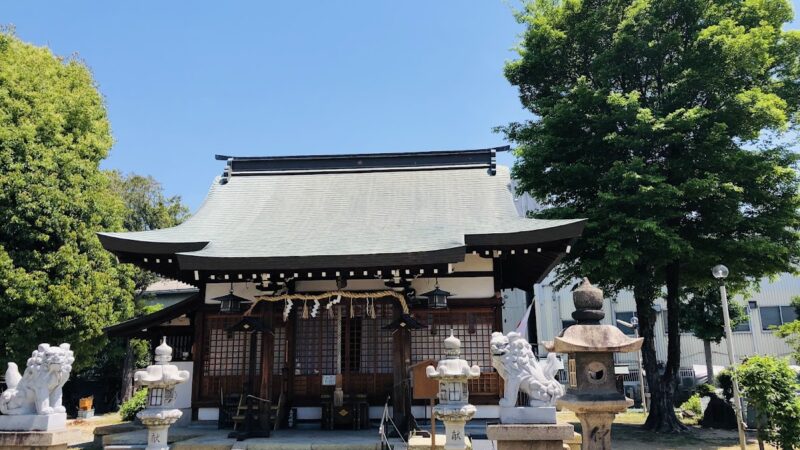
In addition to Sharisonshoji Temple, the Shariji area also has the historic Ikuno Shrine. This shrine has long been revered as the local guardian deity, and various festivals are held throughout the year.
Strolling Through the Old Townscape
The Shariji area is a valuable area within Osaka City that retains its old townscape. Narrow alleys and traditional houses are scattered throughout, giving a sense of the Showa era. It is a popular spot for historical walks and photography.
Cultural Value of Shariji
Inheritance as a Place Name
The place name “Shariji” is not simply derived from the name of a temple, but has a rich cultural background, including legends of Prince Shotoku and the story of the Ikuno Chōja (wealthy man of Ikuno). The fact that this place name has been passed down to the present day is proof that the local residents have cherished their history.
Historical Heritage of Ikuno Ward
Shariji is one of the important historical heritage sites of Ikuno Ward. Osaka City introduces the historical resources of the area, including Sharisonshōji Temple, as part of its “lifelong learning” program, providing citizens with opportunities to learn about local history.
Public institutions such as the Road Division of the Osaka City Construction Bureau’s Road and River Department also recognize the historical value of Shariji and are working to disseminate information about it.
Living Environment in the Shariji Area
Characteristics as a Residential Area
The Shariji area retains a historical atmosphere while functioning as a modern living space. Each of the three districts, from 1-chome to 3-chome, has its own distinct characteristics, yet overall it maintains the character of a calm and peaceful residential area.
Community and Local Activities
With a population of approximately 6,000, the Shariji area boasts a vibrant local community. In addition to disaster prevention activities, residents are strongly connected through community cleanup efforts and the preservation of traditional events.
Points to Note When Visiting Shariji Temple
Manners for Worship
When visiting Shariji Temple, it is important to observe proper temple etiquette. Worship quietly, and obtain permission before taking photographs on the temple grounds.
Consideration for the Community
As the Shariji area is also a residential area, visitors must be considerate of the residents’ lives. Avoid loud conversations and illegal parking, and respect the quiet environment of the area.
Shariji Temple in Ikuno Ward, Osaka City
Geographical Location of Ikuno Ward
Ikuno Ward is located in the southeastern part of Osaka City, and Shariji Temple is situated in its central area. Ikuno Ward as a whole is known as a region where diverse cultures coexist, and Shariji Temple has cultivated its own unique history and culture as part of this.
Connections to Other Historical Resources in the Ward
Besides Shariji Temple, Ikuno Ward has many other historical resources. Historical walking routes connecting these resources have been established, and Shariji Temple is one of its important centers.
The Future and Preservation Activities of Shariji Temple
Preservation of Historic Townscapes
The old townscape of the Shariji area is a valuable historical asset of Osaka City. Amidst the progress of modern urban development, the challenge lies in how to preserve this historical environment.
Osaka City and local residents are working to develop the town while balancing historical value with the modern quality of life.
Utilization as a Tourism Resource
The historical value of Shariji Temple is attracting attention as a tourism resource. The narratives surrounding the legend of Prince Shotoku and its role as a battlefield during the Sengoku period are elements that draw in history enthusiasts and tourists.
In the future, with appropriate information dissemination and the development of a reception system, it is hoped that Shariji Temple will become known to more people and become a place that can be visited by many.
Summary
Shariji Temple has a history spanning over a thousand years, beginning with the legend of Prince Shotoku and the wealthy man of Ikuno, becoming the site of an important battle during the Sengoku period, and now serving as a residential area inhabited by approximately 6,000 people.
The historical assets centered around Sharisonshoji Temple and the surrounding area with its preserved old townscape are valuable cultural heritage of Ikuno Ward, Osaka City. This area, accessible by Osaka City Bus and the Imazato Liner, is an ideal spot for historical walks and cultural exploration.
Local residents are also actively engaged in disaster prevention and community activities, and the area continues to develop as a well-balanced community that cherishes its history while living a modern life. When you visit Shariji Temple, please don’t just see it as a tourist attraction, but as a living community where over a thousand years of history breathes. We hope you will respect its cultural value and the lives of its inhabitants, and take your time to appreciate the weight of its history.