Izudono-gu Shrine (Suita City, Osaka Prefecture) Complete Guide | The Sacred Spring Where Asahi Beer Originated, Goshuin (Shrine Seal), and Access Information
Izudono-gu Shrine, located in Nishinoshō-chō, Suita City, Osaka Prefecture, is a venerable shrine with a history dating back to the Heian period. This guide provides detailed information about this shrine, which boasts a unique history, including the anecdote that the sacred spring gushing from its grounds was the deciding factor in the birth of Asahi Beer, and its deep connection to the Osaka World Expo. We’ll cover everything from visiting information to goshuin (shrine seals) and blessings.
History and Origins of Izudono-gu Shrine
Founding in the Heian Period and the Legend of Gozu Tenno
Izudono-gu Shrine has a long history, originally being a shrine dedicated solely to Ukanomitama-no-Ōkami. A turning point came in 869 AD (Jōgan 11). At that time, the region was suffering from a severe drought, and the villagers were struggling with water shortages.
At that time, Takehaya Susanoo-no-Okami, also known as Gozu Tenno, was en route to Heian-kyo (Kyoto) as the guardian deity of the royal capital, and his portable shrine was staying at this shrine. Desperate, the villagers prayed to Gozu Tenno for rain, and it is said that a pure spring gushed forth from the shrine grounds, allowing the people to escape disaster.
This miraculous event led to Takehaya Susanoo-no-Okami also being enshrined as a deity, and it became the origin of the shrine’s name, “Izumidono-gu” (Spring Palace Shrine).
From the Edo Period to the Meiji Period
During the Edo period, the shrine was revered as the local tutelary deity, and the water from the Izumidono spring was used for agriculture and daily life. In the Meiji era, this spring would begin a new chapter in its history.
The Story of Izumidono Sacred Spring and the Origin of Asahi Beer
Optimal Water Quality for Beer Brewing
In 1889 (Meiji 22), the Izumidono Sacred Spring, which gushes forth from the grounds of Izumidono Shrine, would play a significant role in the history of Japan’s beer industry. A beer brewing expert who came to Japan from Munich investigated the water quality and gave it a high rating, deeming it “optimal for beer brewing.”
At that time in Europe, high-quality water was considered a crucial factor in the success or failure of beer brewing. Osaka Beer Co., Ltd. (now Asahi Beer Co., Ltd.), which was searching for a suitable water source for beer brewing in Japan, decided to build a factory adjacent to Izumidono Shrine based on this evaluation.
The Birthplace of Asahi Beer
Thus, beer brewing using the water of Izumidono Sacred Spring began, and later, Asahi Beer, one of Japan’s leading beer brands, was born. Even today, the Izumidono Sacred Spring is preserved to the left of the main shrine, allowing visitors to see this historical spring.
It can be said that Suita City’s deep connection to the beer industry is precisely due to the sacred spring at Izumidono Shrine.
Deep Connection to the Osaka Expo
Serves as Chief Priest at Groundbreaking and Pillar-Raising Ceremonies
The Japan World Exposition (Osaka Expo), held in 1970 with the theme of “Progress and Harmony for Mankind,” was a major event symbolizing Japan’s rapid economic growth. The chief priest of Izumidono Shrine played a crucial role in the groundbreaking and pillar-raising ceremonies for the construction of the expo site, serving as the chief priest.
Original Pillar Commemorating the Expo
The original pillar used in the ceremony was made from a 50-year-old cedar tree from Kiso and was erected at Izumidono Shrine to pray for the safe and successful completion of the Expo. This pillar is still preserved on the shrine grounds and is a valuable cultural asset that conveys the history of the Osaka Expo.
As a symbol of the deep connection between Suita City and the Osaka World Expo, many visitors come to see this original pillar.
Deities and Benefits
Five Deities
Five deities are enshrined at Izumidono Shrine:
Main Deity
- Ukanomitama-no-Okami: Known as Inari-no-Kami, the god of abundant harvests and business prosperity
- Takehayasusano-Okami: The god of protection against misfortune and disease
Enshrined Deities
- Kasuga-no-Okami: The god of national peace and martial arts
- Sumiyoshi-no-Okami: The god of safe voyages and waka poetry
- Ame-no-Kaguyama-no-Mikoto: The god of metalwork and industry
Main Benefits
Izumidono Shrine is particularly known for the following benefits:
- Exorcism and Good Fortune: Exorcism and improved luck through the power of Susanoo-no-Mikoto
- Business Prosperity: Business development through the auspiciousness of Inari-no-Kami and the sacred spring
- Abundant Harvest: Traditional blessings as the guardian deity of agriculture
- Healing from Illness: Prayers for health through the pure power of the sacred spring
- Family Safety: Protection as the local guardian deity
In particular, due to the history of the spring gushing forth from the shrine grounds saving people, it is revered as a power spot for overcoming difficult situations and attracting good fortune.
Highlights of the Shrine Grounds
Main Hall and Worship Hall
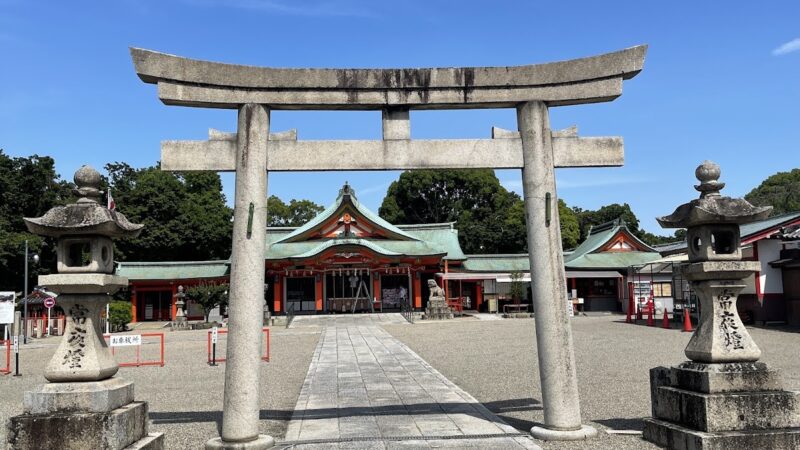
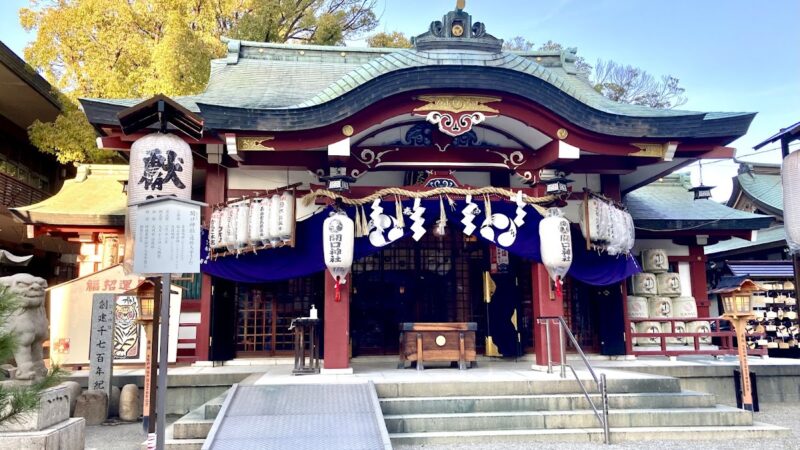
The main hall of Izumidono-gu Shrine is built in the traditional shrine architectural style and is enveloped in a tranquil atmosphere. Visitors come to the worship hall daily to offer prayers with their individual wishes.
Izumidono Sacred Spring
Located to the left of the main hall, the Izumidono Sacred Spring is the main highlight of Izumidono-gu Shrine. This sacred spring, said to have been flowing since the 11th year of the Jōgan era, is a historical spring that played a crucial role in the birth of Asahi Beer, and it still holds pure water today.
Original Pillar of the Osaka Expo
The original pillar made of Kiso cedar, enshrined on the temple grounds, is a cultural asset of high historical value, serving as a monument to the Osaka Expo, which symbolized Japan’s period of rapid economic growth. It evokes nostalgia for those who remember the Showa era, and attracts attention from younger generations as a fresh witness to history.
Atmosphere of the Temple Grounds
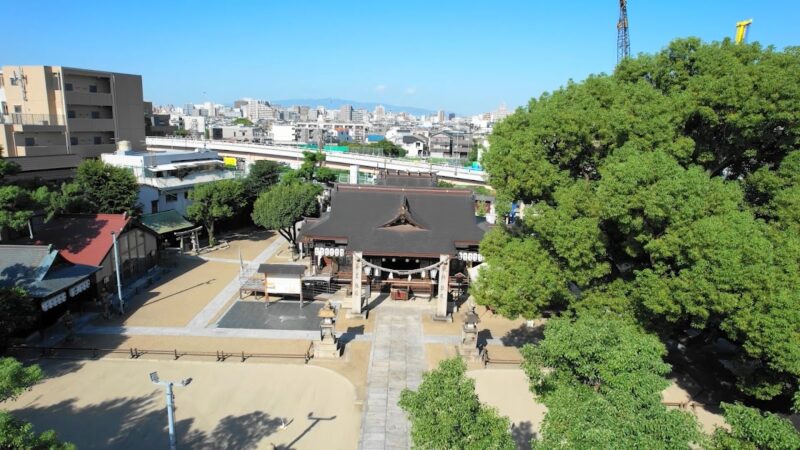
Despite being located in an urban area within walking distance of Suita Station, the temple grounds maintain a quiet and peaceful atmosphere. Trees line the approach to the temple, creating a healing spot that allows you to forget the hustle and bustle of the city.
Information on Goshuin (Temple Seals) and Goshuincho (Seal Books)
About Goshuin
Goshuin are available at Izumidono Shrine. The shrine office is open from 9:00 AM to 6:00 PM.
The Goshuin (temple/shrine stamp) features the calligraphy and red seal of “Izumidono-gu” and is a popular memento for many visitors. It’s a valuable item that allows you to feel the history and traditions of the shrine.
Goshuincho (Stamp Book)
Izumidono-gu may have its own original Goshuincho available; please inquire at the shrine office during your visit for details.
Issuance Hours
- Shrine Office Hours: 9:00 AM – 6:00 PM
- Visiting Hours: All day
Those wishing to receive a Goshuin are advised to visit during the shrine office hours.
Annual Events and Festivals
Main Festivals
Izumidono-gu holds various festivals throughout the year. As the local guardian shrine, it maintains deep ties with the local people through traditional seasonal festivals and prayer ceremonies.
Traditional Japanese annual events such as New Year’s visits, Setsubun festivals, and summer festivals are held at the shrine, so please check the seasonal events when you visit.
Access and Transportation Information
Access by Train
Izumidono Shrine is conveniently located within Osaka Prefecture.
Using Hankyu Railway
- Approximately 2 minutes on foot from Suita Station on the Hankyu Senri Line
- Located right outside the station, making it very easily accessible.
Using JR
- Approximately 10 minutes on foot from Suita Station on the JR Kyoto Line
- Located north of the station, past a residential area.
Access by Car
If you are visiting by private car, the nearest interchange is Suita IC on the Meishin Expressway. However, it is recommended to check in advance regarding the shrine’s dedicated parking lot.
Landmarks in the Surrounding Area
Located in Nishinoshō-chō, in the heart of Suita City, it is situated in a residential area yet offers excellent access from Hankyu Suita Station. The route from the station is easy to follow, so even first-time visitors should be able to arrive without getting lost.
Basic Information & Detailed Information
Basic Information
- Name: Izudono-gu Shrine
- Address: 10-1 Nishinoshō-chō, Suita City, Osaka Prefecture 564-0071
- Phone Number: 06-6381-3895 (Please check the latest information before visiting)
- Visiting Hours: Open all day
- Shrine Office Hours: 9:00 AM – 6:00 PM
- Parking: Please check
- Official Website: Please check the latest information before visiting
Detailed Information
- Deities Enshrined: Ukanomitama-no-Ōkami, Takehaya Susanoo-no-Ōkami, Kasuga-no-Ōkami, Sumiyoshi-no-Ōkami, Amakaguyama-no-Mikoto
- Founding: Takehaya Susanoo-no-Ōkami was enshrined in 869 (Jōgan 11)
- Former Shrine Rank: Village Shrine
- Annual Festival Day: Please inquire with the shrine for details.
- Main Blessings: Protection from evil, good fortune, business prosperity, abundant harvest, recovery from illness, family safety
Nearby Tourist Attractions
Famous Places in Suita City
When visiting Izumidono Shrine, why not also visit other tourist attractions in Suita City?
Expo Commemoration Park
- A vast park built on the site of the Osaka Expo.
- You can see Expo heritage sites, including the Tower of the Sun.
- Visiting it together with the Expo’s original pillar at Izumidono Shrine will give you a deeper sense of history.
Asahi Beer Suita Factory
- The Asahi Beer factory, which has a deep connection to the Izumidono Sacred Spring.
- Factory tours may be available (reservations and confirmation required).
Suita Historical and Cultural Town Development Center
- A facility where you can learn about the history and culture of Suita City.
- You can also learn more about the history of Izumidono Shrine.
Shrines and Temples in the Surrounding Area
There are many other shrines and temples in Suita City and the surrounding areas. For those who enjoy visiting shrines, planning a pilgrimage route that includes multiple temples and shrines is highly recommended.
Inquiries
Inquiries Regarding Visits
For inquiries regarding visits to Izumidono Shrine, goshuin (shrine stamps), prayers, and festivals, please call the shrine directly during office hours (9:00 AM to 6:00 PM) or inquire at the shrine office during your visit.
Contact Information
- Phone Number: 06-6381-3895 (Please check for the latest information as this number may change)
- Address: 10-1 Nishinoshō-chō, Suita City, Osaka Prefecture 564-0071
Notes for Visitors
- Visiting the shrine is possible all day, but if you wish to receive a Goshuin (shrine stamp) or other items, please come during the shrine office’s operating hours.
- Please maintain silence on the shrine grounds and be considerate of other visitors.
- Photography is permitted, but please be considerate of those performing rituals or other visitors.
- We recommend checking in advance regarding bringing pets to the shrine.
How to Enjoy Visiting Izumidono-gu Shrine
A Visit That Feels the History
Izumidono-gu Shrine is not just a shrine; it is a valuable place with three major historical episodes: its history dating back to the Heian period, its status as the birthplace of Asahi Beer, and its connection to the Osaka World Expo.
When visiting, being mindful of these historical backgrounds while exploring the shrine grounds will allow for a deeper experience. Visiting the Izumidono Sacred Spring, touching the Expo’s original pillar, and reflecting on different eras offers a precious experience that allows you to forget the hustle and bustle of modern life.
The Appeal of a Power Spot
Izumidono Shrine, known for its blessings of warding off evil and bringing good fortune, is a power spot that provides emotional support for those facing turning points or difficult situations in their lives. The miracle of the sacred spring, which saved people from drought in 868 AD, continues to give hope and courage to many people today.
By calming your mind in the tranquil grounds and offering sincere prayers to the enshrined deity, you may gain new vitality.
As Part of a Goshuin Pilgrimage
For those enjoying a Goshuin pilgrimage in Osaka Prefecture, Izumidono Shrine is an attractive spot with excellent transportation access and a unique history. Its location, just a 2-minute walk from Hankyu Suita Station, makes it easy to incorporate into plans to visit multiple shrines in one day, allowing for an efficient Goshuin pilgrimage.
Seasonal Expressions
Izumidono Shrine displays different expressions with each season. In spring, you can experience the fresh greenery; in summer, the lush shade; in autumn, the vibrant foliage; and in winter, the crisp, clean air—the beauty of nature in each season can be felt within the shrine grounds.
By visiting multiple times throughout the year, you will feel a deep connection with the shrine.
Summary: The Charm of Izumidono-gu Shrine
Izumidono-gu Shrine in Suita City, Osaka Prefecture, is a unique shrine with three facets: a history dating back to the Heian period, industrial historical value as the birthplace of Asahi Beer, and a deep connection to the Osaka World Expo.
Its excellent accessibility, just a 2-minute walk from Hankyu Suita Station, is also a major attraction, making it a popular power spot that can be easily visited during Osaka sightseeing, not only by locals but also by visitors from afar.
It is a shrine worth visiting for a variety of purposes, from those seeking various blessings such as protection from misfortune and business prosperity, to shrine-visiting enthusiasts collecting Goshuin (shrine stamps), those interested in Japanese history and industrial history, and those seeking a quiet place to calm their minds.
If you have the opportunity to visit Suita City, please be sure to visit Izumidono-gu Shrine. This will be a valuable time to experience a multifaceted history, from the miracle of the sacred spring that gushed forth from the temple grounds, to the untold story of the birth of one of Japan’s leading beer brands, and the memories of the Osaka World Expo, a symbol of Japan’s period of rapid economic growth.