Complete Guide to Ishifukuji Temple: History, Highlights, Access, and Goshuin Information
Ishifukuji is the name of several temples located throughout Japan, each with its own unique history and characteristics. This article provides a detailed explanation of the historical background, cultural assets, and visiting information for the major temples bearing the name Ishifukuji.
What is Ishifukuji?
The name Ishifukuji is found throughout Japan, with different sects and origins depending on the region. Because the character “石” (ishi, meaning stone) is included in the name, many temples bearing this name are closely associated with stone cultural assets such as stone Buddha statues and stone pagodas. The character “福” (fuku, meaning fortune) also carries the meaning of wishing for good fortune and happiness, and these temples have been cherished as centers of local faith.
Origin of the Name Ishifukuji
Several possible origins for the name Ishifukuji exist. One theory is that the character “石” (ishi, meaning stone) was used because stone Buddha statues and stone pagodas were enshrined at the time of the temple’s founding. Another theory suggests that the temples are related to the local stone industry and stonemasonry techniques, and that they developed as places of worship for stonemasons. The character “福” (fuku) in the name embodies the Buddhist meaning of wishing to receive good fortune and blessings.
Introduction to Major Ishifuku-ji Temples
Ishifuku-ji Temples in Tokyo
There are temples named Ishifuku-ji within Tokyo. Despite being in an urban area, they maintain a quiet environment for worship and function as places of faith for local residents. A notable feature is their preservation of traditional temple architecture and historical value even amidst modernization.
Ishifuku-ji Temples in Kyoto Prefecture
Ishifuku-ji temples in Kyoto Prefecture are known for strongly retaining the history and culture of the ancient capital. They often feature Kyoto’s unique temple architectural style and house cultural assets such as gardens and Buddhist statues.
Ishifuku-ji Temples in Other Regions
Ishifuku-ji temples scattered throughout Japan are deeply connected to the history and culture of their respective regions. Many local Ishifuku-ji temples retain unique regional forms of worship and traditional events, making them valuable from an ethnological perspective.
History of Ishifuku-ji Temples
Founding and History
The founding dates of Ishifuku-ji temples vary, but most were established during the medieval and early modern periods. Many developed under the patronage of influential local figures and feudal lords, functioning as religious and cultural centers within their communities.
Generally, these temples began as small buildings, but over time, their complexes were developed, resulting in their current form. They have overcome difficulties such as the wars of the Sengoku period and the anti-Buddhist movement of the Meiji Restoration, continuing to preserve their religious traditions to this day.
Development during the Edo Period
During the Edo period, the danka system (parishioner system) was established under the temple registration system, and Ishifuku-ji temples developed as local family temples. During this period, major buildings such as the main hall and the priest’s quarters were developed, forming the foundation of the current temple layout.
During the Edo period, Ishifuku-ji Temple functioned not only as a religious institution but also as an educational institution and a venue for cultural activities. It played diverse roles in the local community, including the establishment of a temple school and serving as a gathering place for local cultural figures.
Changes Since the Modern Era
Following the Meiji Restoration and the anti-Buddhist movement, many temples faced difficult times, and Ishifuku-ji Temple was no exception. However, thanks to the faith of local residents and the support of parishioners, many Ishifuku-ji temples were able to survive.
During the Showa era, some temples suffered damage from wartime bombing, but they were rebuilt after the postwar reconstruction period and continue to exist today. In recent years, from the perspective of cultural property protection, active restoration and preservation activities of historical buildings and Buddhist statues have been carried out.
Architecture and Grounds of Ishifuku-ji Temple
Main Hall
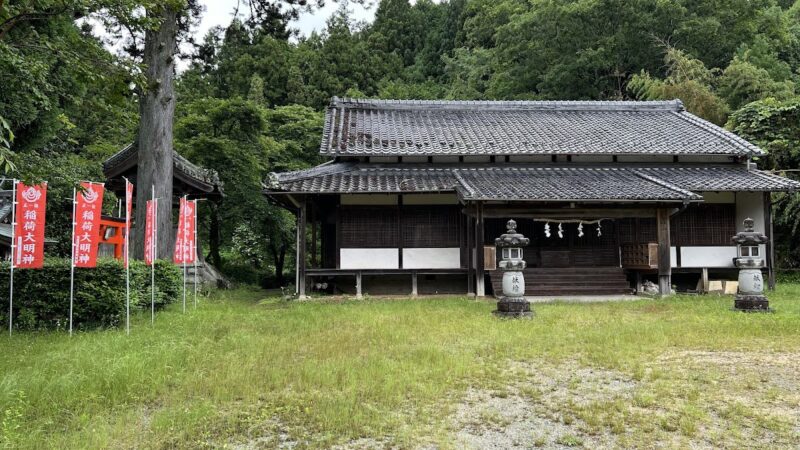
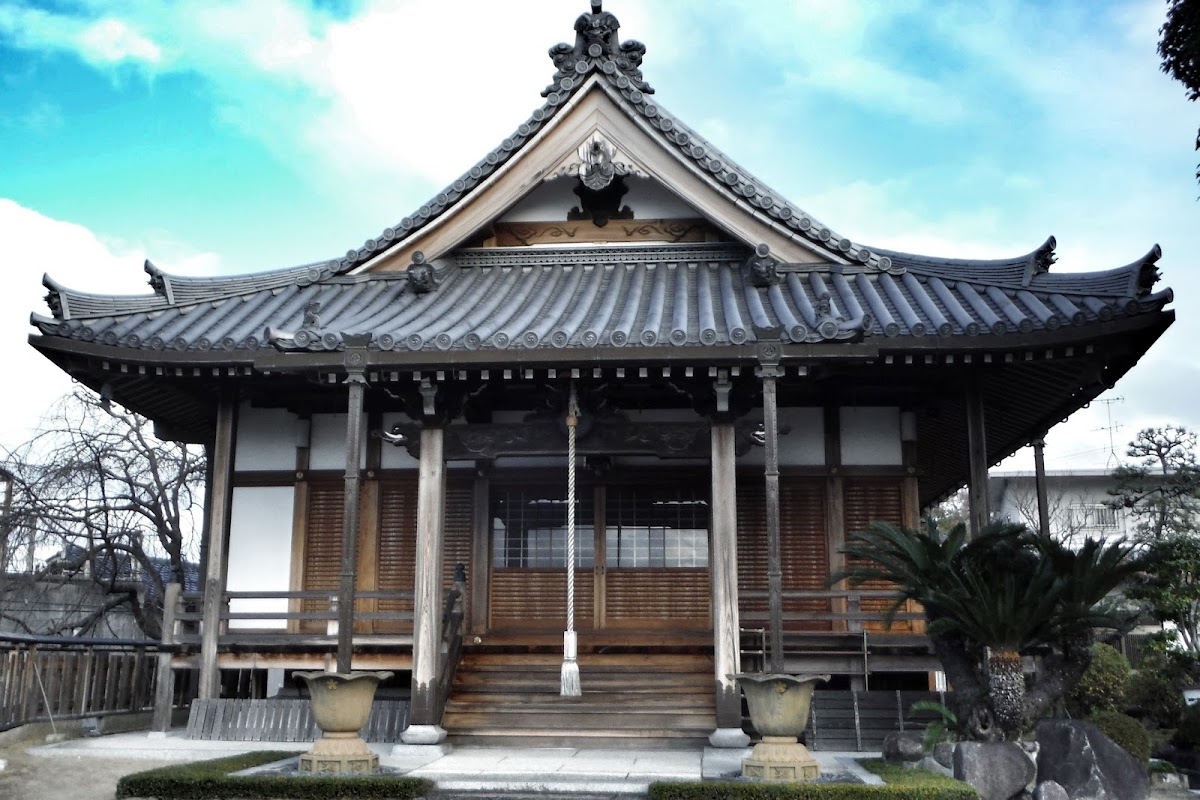
The architectural style of the main hall of Ishifuku-ji Temple varies depending on the temple’s sect and the period of its construction. While based on traditional Japanese architecture, it is characterized by designs that reflect regional characteristics.
The main hall houses the principal image of Buddha and is adorned with magnificent Buddhist implements and decorations. The decorative arts, such as the ceiling paintings and transom carvings, are also highlights, showcasing the high level of craftsmanship of the time.
Temple Gate
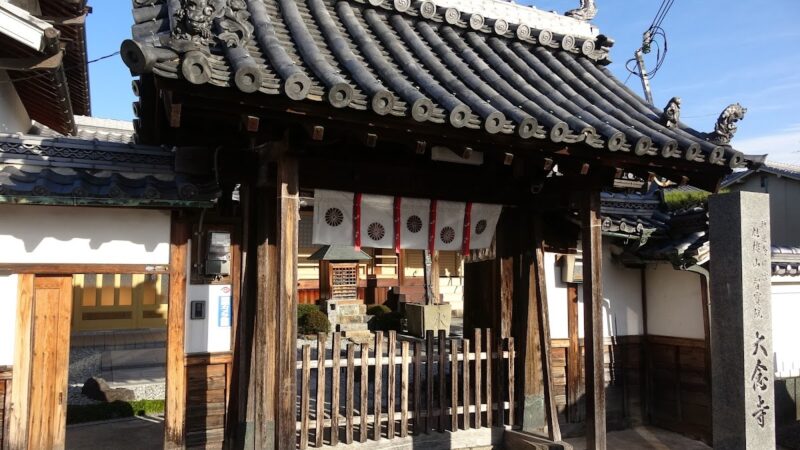
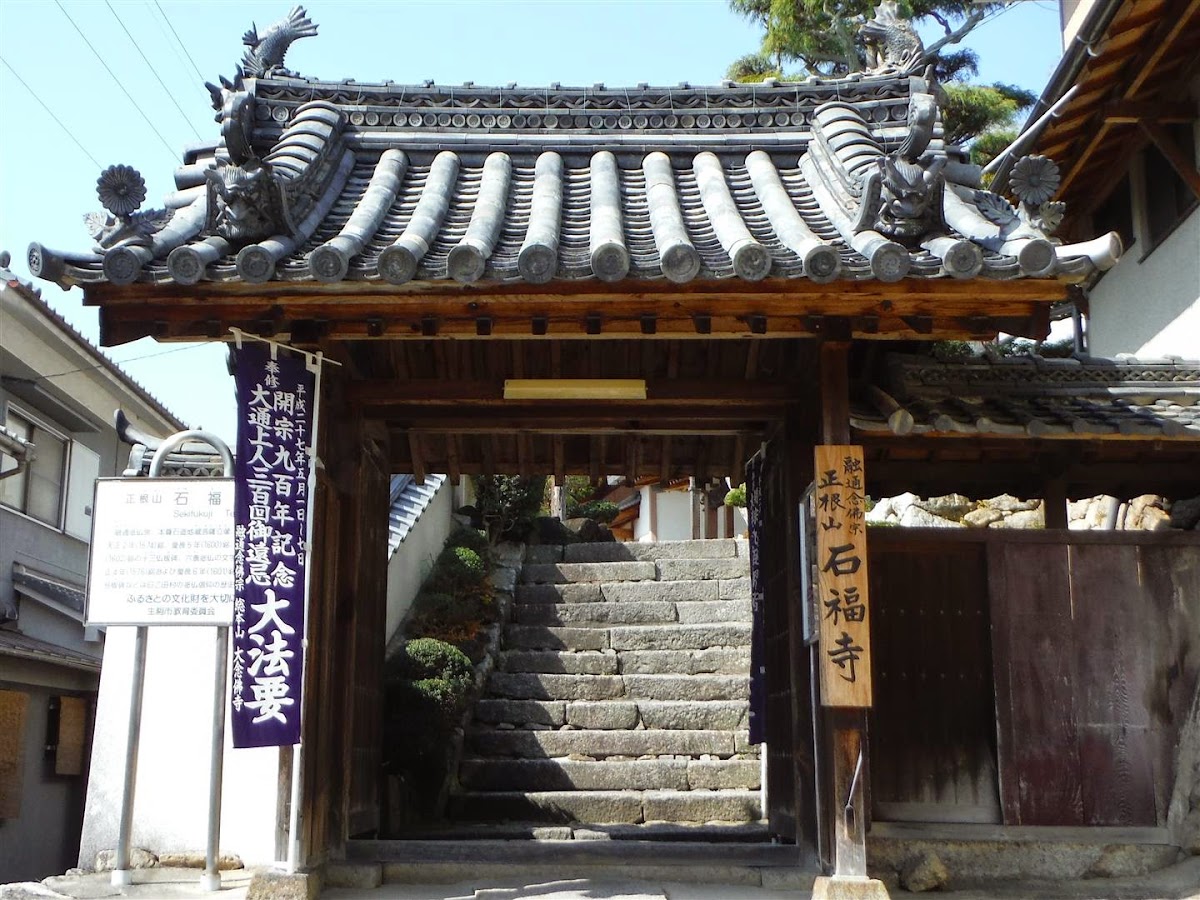
The temple gate, often considered the face of the temple, is an important structure welcoming visitors. Many temple gates at Ishifuku-ji Temple house Nio statues and Shitenno statues, serving to ward off evil spirits and protect visitors.
The architectural style of temple gates varies from temple to temple, ranging from simple four-legged gates to magnificent two-story gates.
Gardens
Some temples within Ishifuku-ji boast beautiful gardens. While adhering to traditional Japanese garden styles such as dry landscape gardens and pond gardens, they create unique landscapes.
The gardens are not merely decorative; they also serve as religious spaces expressing Zen and Pure Land Buddhism. Visitors can enjoy the changing seasons and find peace of mind.
Bell Tower
The bell tower, where the temple bell is hung, is a common architectural feature found at many Ishifuku-ji temples. It has served the purpose of announcing the time morning and evening, and during Buddhist ceremonies, simultaneously conveying the teachings of Buddha.
Cultural Properties of Ishifuku-ji Temple
Buddhist Statues
Ishifuku-ji temples house various Buddhist statues, including the principal image. Some temples possess ancient Buddhist statues created during the Heian and Kamakura periods, making them historically valuable artifacts.
Of particular note are the Buddhist statues created by local sculptors. These statues, incorporating central styles while retaining unique regional characteristics, are important resources demonstrating the diversity of Japanese Buddhist art.
Stone Sculptures
Befitting the name Ishifuku-ji (meaning “stone-fortune temple”), many stone cultural properties can be found at these temples. Stone Buddhas, stone pagodas, and stone lanterns are arranged within the temple grounds, creating a unique landscape.
Stone structures, especially those created during the medieval period, are invaluable resources for understanding the stonemasonry techniques and religious practices of the time. While some show signs of weathering and wear, this also adds to their charm, reflecting the passage of time.
Ancient Documents
Ishifuku-ji Temple houses ancient documents and records documenting the temple’s history. These documents are important primary sources for local history research, providing clues to the social conditions and lives of people at the time.
Paintings and Calligraphy
Paintings such as hanging scrolls and folding screens, as well as calligraphy by high-ranking monks, are also preserved as cultural assets of Ishifuku-ji Temple. These possess not only value as religious art but also hold significant positions in the history of Japanese art.
Annual Events at Ishifuku-ji Temple
New Year’s Events
At the start of the new year, many worshippers visit the temple for their first shrine visit of the year. Ceremonies celebrating the new year, such as the ringing of the temple bell on New Year’s Eve and the Shushō-e ceremony on New Year’s Day, are held.
Spring Events
In spring, the Hanamatsuri (Buddha’s Birthday Festival) is held to celebrate the birth of Buddha. Some temples are bustling with visitors who come to enjoy the cherry blossoms during the cherry blossom season.
Summer Events
During the Obon period, memorial services for hungry ghosts and the Urabon-e festival are held to honor ancestors. Members of the temple visit graves to comfort the spirits of their ancestors.
Autumn Events
In autumn, the Higan memorial service is held. Some temples with beautiful autumn foliage also offer special viewings during the fall.
Winter Events
In December, year-end cleaning and preparations for ringing the temple bell on New Year’s Eve take place. As a way to conclude the year, members of the temple and local residents cooperate to cleanse the temple.
Ishifukuji Temple’s Sect and Teachings
The sect to which Ishifukuji Temple belongs varies depending on the individual temple. There are Ishifuku-ji temples belonging to various Buddhist sects, including Jodo-shu, Jodo Shinshu, Soto-shu, Rinzai-shu, and Shingon-shu.
Characteristics of Each Sect
Ishifuku-ji temples of the Jodo-shu and Jodo Shinshu sects enshrine Amida Buddha as their principal deity and preach rebirth in paradise through chanting the Buddha’s name. Soto-shu and Rinzai-shu temples emphasize Zen meditation and practice aimed at enlightenment. Shingon-shu temples are characterized by prayers and rituals based on the teachings of esoteric Buddhism.
Role in Modern Times
In addition to traditional religious activities, modern Ishifuku-ji temples also serve as centers of local communities. An increasing number of temples offer opportunities to experience Buddhism through experiential programs such as Zen meditation sessions and sutra copying sessions.
Access to Ishifuku-ji Temples
Specific access methods to Ishifuku-ji temples vary depending on the location of each temple. When planning a visit, it is recommended to check the location of your desired Ishifuku-ji temple in advance and research routes from the nearest train station or bus stop.
Role in Modern Times ### Access by Public Transportation
Ishifuku-ji temples in urban areas are often easily accessible by public transportation such as trains and buses. Many temples are within walking distance of the nearest station, making them easy to visit.
For Ishifuku-ji temples in rural areas, you may need to take a bus or taxi from the nearest station. Since bus services are limited in some areas, it’s important to check the timetable in advance.
Access by Car
If visiting by car, check the availability of parking beforehand. Parking spaces may be limited at temples in urban areas. Rural temples often have relatively large parking lots, but congestion is expected during long holidays and special events.
Etiquette for Visiting Ishifuku-ji Temple
Dress Code
There are no specific dress code requirements, but as a basic courtesy when visiting religious sites, you should avoid overly revealing clothing. Clean and subdued attire is preferable.
Etiquette for Visiting
Bow when passing through the temple gate, and walk quietly within the temple grounds. At the main hall, clasp your hands together in prayer and offer your respects with sincerity. When placing your offering, please do so quietly.
Regarding photography, there are areas where it is permitted and areas where it is not. Photography inside the main hall and of Buddha statues is often prohibited, so please be sure to check before taking pictures.
Prohibited Items
Smoking, eating and drinking (except in designated areas), loud conversations, and bringing pets (except guide dogs, etc.) are generally prohibited on the temple grounds. Temples are places of spiritual practice, and maintaining silence is expected.
About Goshuin (Temple Seals)
In recent years, collecting Goshuin has become popular, and many temples, including Ishifukuji, offer them.
What are Goshuin?
Goshuin are seals and calligraphic inscriptions given as proof of visiting a temple or shrine. Originally, they were given upon offering a handwritten copy of a sutra, but now they are widely given as a memento of a visit.
How to Obtain a Goshuin (Temple Stamp)
To obtain a Goshuin, first complete your prayers, then present your Goshuincho (stamp book) at the temple office or sutra copying office. After paying the Goshuin fee (usually around 300 yen), the stamp will be written on the spot.
If you do not have a Goshuincho, some temples offer pre-written Goshuin. Ishifukuji Temple also sells its own original Goshuincho.
Points to Note When Obtaining a Goshuin
A Goshuin is not merely a stamp; it is proof of your visit. Always pray before receiving one. Also, Goshuin may not be available during religious services or busy times.
Attractions Around Ishifukuji Temple
Visiting Ishifukuji Temple will make your trip more fulfilling if you also visit the surrounding tourist spots.
Nearby Temples and Shrines
Many other historical temples and shrines are scattered around Ishifukuji Temple. Planning a temple and shrine tour and visiting multiple temples is also recommended.
Historical Buildings
Some areas around temples retain old townscapes and historical buildings. You can enjoy strolling while learning about the local history.
Natural Scenery
In the case of Ishifuku-ji Temple, located in a mountainous area, the surrounding natural scenery is also one of its attractions. You can heal your mind while enjoying the beauty of nature in each of the four seasons.
Training Experience at Ishifuku-ji Temple
Some Ishifuku-ji temples offer training experience programs that are open to the general public.
Zen Meditation Experience
Ishifuku-ji Temple, a Zen Buddhist temple, regularly holds Zen meditation sessions. Instruction is available for beginners, and you can learn the proper way to practice Zen meditation. Often held in the quiet hours of early morning, it is a valuable experience for calming the mind and body.
Sutra Copying Experience
Sutra copying is a practice of copying Buddhist scriptures. By calming your mind and carefully writing each character, you can achieve mental concentration. The tools for sutra copying are often provided by the temple, making it easy to participate.
Dharma Talks and Sermons
Listening to Dharma talks and sermons by the head priest is another valuable experience at Ishifuku-ji Temple. They explain Buddhist teachings in an easy-to-understand way, allowing you to learn wisdom that can be applied to your daily life.
Temple Lodging Experience
Ishifuku-ji Temple operates temple lodgings, allowing you to experience temple life while staying overnight. You can participate in morning services, enjoy vegetarian meals, and spend time in a way that is different from your daily routine.
Cultural Influence of Ishifuku-ji Temple
Engagement with the Local Community
Throughout its long history, Ishifuku-ji Temple has built close ties with the local community. In addition to conducting funerals and memorial services for its parishioners as a family temple, it has also contributed to local cultural activities and education.
Influence on Arts and Culture
Temples have played an important role in the development of Japanese arts and culture. Ishifuku-ji Temple has also produced and preserved many cultural assets in fields such as architecture, sculpture, painting, and calligraphy.
Significance in the Modern Era
In modern society, Ishifukuji Temple serves as a spiritual haven. For people seeking spiritual fulfillment amidst material abundance, Buddhist teachings and the tranquil atmosphere of the temple hold significant meaning.
Preservation and Future of Ishifukuji Temple
Cultural Property Protection Activities
Many Ishifukuji temples are engaged in restoration and preservation activities to protect cultural properties such as historically valuable buildings and Buddhist statues. With support from the national and local governments, efforts continue to pass on this valuable cultural heritage to future generations.
Succession Issues
Many temples in Japan face the challenge of a shortage of successors. Ishifukuji Temple is no exception, with some temples facing challenges such as the aging of their abbots and the difficulty in securing successors.
New Initiatives
To adapt to changing times, Ishifukuji Temple has begun various new initiatives. These include using the internet for information dissemination, online memorial services, and events aimed at younger generations, demonstrating efforts to meet modern needs.
Contribution to Regional Revitalization
Ishifukuji Temple is attracting attention as a tourist resource and is contributing to regional revitalization. New possibilities are being explored, such as developing tourist routes centered around the temple and collaborating with local specialty products.
Preparations for Visiting Ishifukuji Temple
Prior Research
Before visiting Ishifukuji Temple, research basic information online or in tourist guidebooks. Checking visiting hours, admission fees, closing days, and whether there are any special viewings will allow for a smooth visit.
Choosing a Season
The charm of Ishifukuji Temple varies depending on the season. It is particularly beautiful during cherry blossom and autumn foliage seasons, but crowds are also expected. If you want to visit in peace, weekdays or times outside of peak tourist seasons are recommended.
What to Bring
If you plan to receive a Goshuin (temple stamp), bring your Goshuincho (stamp book). Also, since the temple grounds can be large, it is recommended to wear comfortable shoes. In summer, sun protection and water are also necessary.
Estimated Time Required
Depending on the size of Ishifuku-ji Temple, a typical visit should take approximately 30 minutes to an hour. If you plan to leisurely stroll through the grounds or participate in a training experience, allow more time.
Summary
Ishifuku-ji Temples are historical and traditional temples found throughout Japan. Each Ishifuku-ji possesses its own unique characteristics and has played a vital role as a center of local faith and culture.
This article comprehensively introduces useful information for visiting Ishifuku-ji Temple, including its historical background, architecture and cultural assets, annual events, visiting etiquette, and access methods. When visiting Ishifuku-ji Temple, we hope you will not treat it merely as a tourist attraction, but rather reflect on the faith and culture cultivated over its long history, and offer a peaceful and serene visit.
Spending time in the tranquil space of Ishifuku-ji Temple will be a valuable opportunity to escape the hustle and bustle of everyday life and reflect on yourself. By encountering Buddhist teachings and achieving inner peace, you may gain insights into leading a richer life.
Please visit a nearby Ishifukuji Temple and experience its charm for yourself.