Kansenji Temple (Ikoma City, Nara Prefecture) Complete Guide | History, Highlights, and Access Information
Kansenji Temple, located in Kose-cho, Ikoma City, Nara Prefecture, is a temple of the Yuzu Nenbutsu sect that has existed since the Edo period. The temple grounds contain numerous valuable stone art objects dating from the late Kamakura period to the Muromachi period, attracting attention from history enthusiasts and fans of stone Buddha statues. This article provides a detailed explanation of Kansenji Temple’s history, highlights, goshuin (temple stamp) information, and access methods.
Basic Information about Kansenji Temple
Kansenji Temple is conveniently located about 3-4 minutes on foot from Minami-Ikoma Station on the Kintetsu Ikoma Line, yet it is a temple quietly nestled within an old village.
Location: 582 Oze-cho, Ikoma City, Nara Prefecture
Sect: Yuzu Nembutsu Sect
Principal Image: Seated Amida Buddha statue (late Kamakura period)
Telephone: 0743-77-6788
Chief Priest: Yoshimitsu Segawa
Sacred Site: Extra temple of the Eighty-Eight Sacred Sites of Northern Yamato
The Yuzu Nembutsu Sect is a Pure Land Buddhist sect founded by Ryōnin Shōnin at the end of the Heian period. It teaches that by chanting the Nembutsu, merit is shared between oneself and others. Kansenji Temple is one of the few temples in Nara Prefecture belonging to this sect.
History and Origins of Kansenji Temple
Founding and Founder
According to temple tradition, Kansenji Temple was founded in the sixth year of the Genroku era (1693) during the mid-Edo period by the monk Ryūhō. The Genroku period, under the rule of Tokugawa Tsunayoshi, is known as a time of flourishing culture, and it was during this period that Kansenji Temple was established in Ikoma as a new Pure Land Buddhist training center.
While there are no detailed records of why Ryūhō Shōnin founded the temple in this Kose area, it is believed that this location, blessed with the rich natural environment of the Ikoma mountain range and pure water (springs), was chosen as a place for Pure Land Buddhist practice. The temple’s name, “Kansen,” may also originate from viewing (gazing upon) the springs in this area.
Restoration and Development
Approximately 30 years after its founding, in Kyōhō 8 (1723), the temple was restored by a monk named Ryōzan. The Kyōhō period was a time of reform under Tokugawa Yoshimune, during which temples were reorganized and consolidated. Ryōzan’s restoration of Kansenji Temple during this period further strengthened its foundation as a temple.
Throughout the Edo period, Kansenji Temple is presumed to have functioned as a center of faith for the local people and as the heart of religious activities such as Buddhist chanting groups.
Modern Era
Despite the impact of the anti-Buddhist movement after the Meiji Restoration, Kansenji Temple survived thanks to the support of its local parishioners and continues to exist today. The numerous stone art objects remaining on the temple grounds are evidence of how carefully this temple has been preserved throughout its long history.
Highlights and Cultural Assets of Kansenji Temple
The greatest attraction of Kansenji Temple is the numerous stone art objects remaining on its grounds. In particular, the medieval stone pagodas and stone Buddha statues hold high value from an art historical perspective.
Thirteen-Storied Stone Pagoda (Inscribed with the Year 4 of Kōei)
The most noteworthy cultural asset of Kansenji Temple is the thirteen-storied stone pagoda bearing the inscription of the fourth year of Kōei (1345). This stone pagoda was erected during the Nanboku-chō period, making it a valuable historical relic built approximately 350 years before the founding of Kansenji Temple.
Features:
- Year of Construction: Kōei 4 (1345)
- Style: Thirteen-tiered pagoda
- Sculpture Technique: The Vajradhatu seed syllable (Sanskrit character) is depicted on the ring using the Yagenbori technique.
- Period: Nanboku-chō period
Yagenbori is a carving technique where the cross-section is V-shaped, so named because it resembles the shape of a yagen (a mortar and pestle used to grind medicine). The fact that the Vajradhatu seed syllable is carved using this technique demonstrates the high level of stonemasonry at the time and speaks to a form of faith that included elements of esoteric Buddhism.
The thirteen-tiered structure is thought to be related to the belief in the Thirteen Buddhas and Thirteen Devas in Buddhism. Each tier is thought to symbolize a ladder leading to the heavens, and it is presumed to have had the character of a memorial pagoda.
Thirteen Buddhas Stone Stele (Inscribed with the Year 13 of Tenbun)
Another important stone art object is the Thirteen Buddhas Stone Stele, bearing the inscription of the year 13 of Tenbun (1544).
Features:
- Year of Creation: 13th year of Tenbun (1544)
- Form: Stone Stele (Itabi)
- Content: Depicts the Thirteen Buddhas
- Period: Late Muromachi Period
The Thirteen Buddhas are the thirteen Buddhas and Bodhisattvas who preside over memorial services from the seventh day after death to the thirty-third anniversary of death. They are Fudo Myoo, Shakyamuni Buddha, Manjushri Bodhisattva, Samantabhadra Bodhisattva, Jizo Bodhisattva, Maitreya Bodhisattva, Bhaisajyaguru Buddha, Avalokiteshvara Bodhisattva, Mahasthamaprapta Bodhisattva, Amitabha Buddha, Akshobhya Buddha, Dainichi Nyorai, and Akasagarbha Bodhisattva.
While itabi (stone steles) are a form of memorial tower that primarily developed in eastern Japan, examples of their construction can also be found in the Kansai region from the Muromachi period onward. The Thirteen Buddhas stone steles at Kansenji Temple are valuable historical documents for understanding the realities of funeral and memorial services in the Ikoma region during the Muromachi period.
Principal Image: Seated Amida Buddha Statue
The principal image of Kansenji Temple is a wooden seated statue of Amida Buddha, believed to have been created at the end of the Kamakura period. It is enshrined in the hall as the principal image of the Yuzu Nembutsu sect.
Amida Buddha is the lord of the Western Pure Land, and is a Buddha who vowed to welcome those who chant the Nembutsu into the Pure Land. The Yuzu Nembutsu sect teaches the doctrine of “one for all, all for one,” meaning that one chanting of the Nembutsu reaches all, and all chanting of the Nembutsu leads to one. Devotion to Amida Buddha is central to their teachings.
This statue, believed to be from the late Kamakura period, is highly likely to have existed before the founding of Kansenji Temple, and is thought to have been enshrined as the principal image when Ryūhō Shōnin founded the temple.
Other Stone Artworks
Besides the above, various stone Buddhas and stupas from different periods are scattered throughout the temple grounds. Numerous stone art pieces from the medieval to early modern periods remain, including fragments of five-ring stupas and Hōkyōintō stupas, and Jizo Bodhisattva statues, making it a fascinating space for stone Buddha enthusiasts.
These stone objects may include some that were moved from other temples and cemeteries that once existed in this area, making them a valuable collection of materials that tell the story of Buddhism in the Ikoma region.
Guide to Kansenji Temple Grounds
Kansenji Temple is located in an old settlement, and caution is needed when accessing it by car due to narrow roads. The temple grounds themselves are small but well-maintained, exuding a quiet and peaceful atmosphere.
Temple Gate and Approach
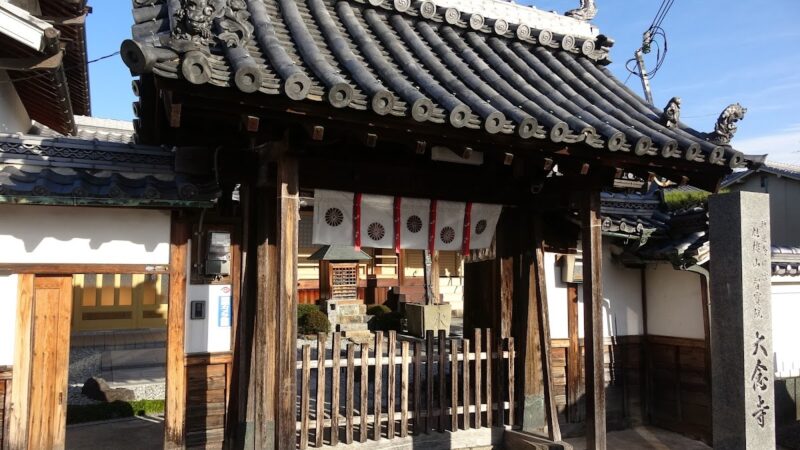
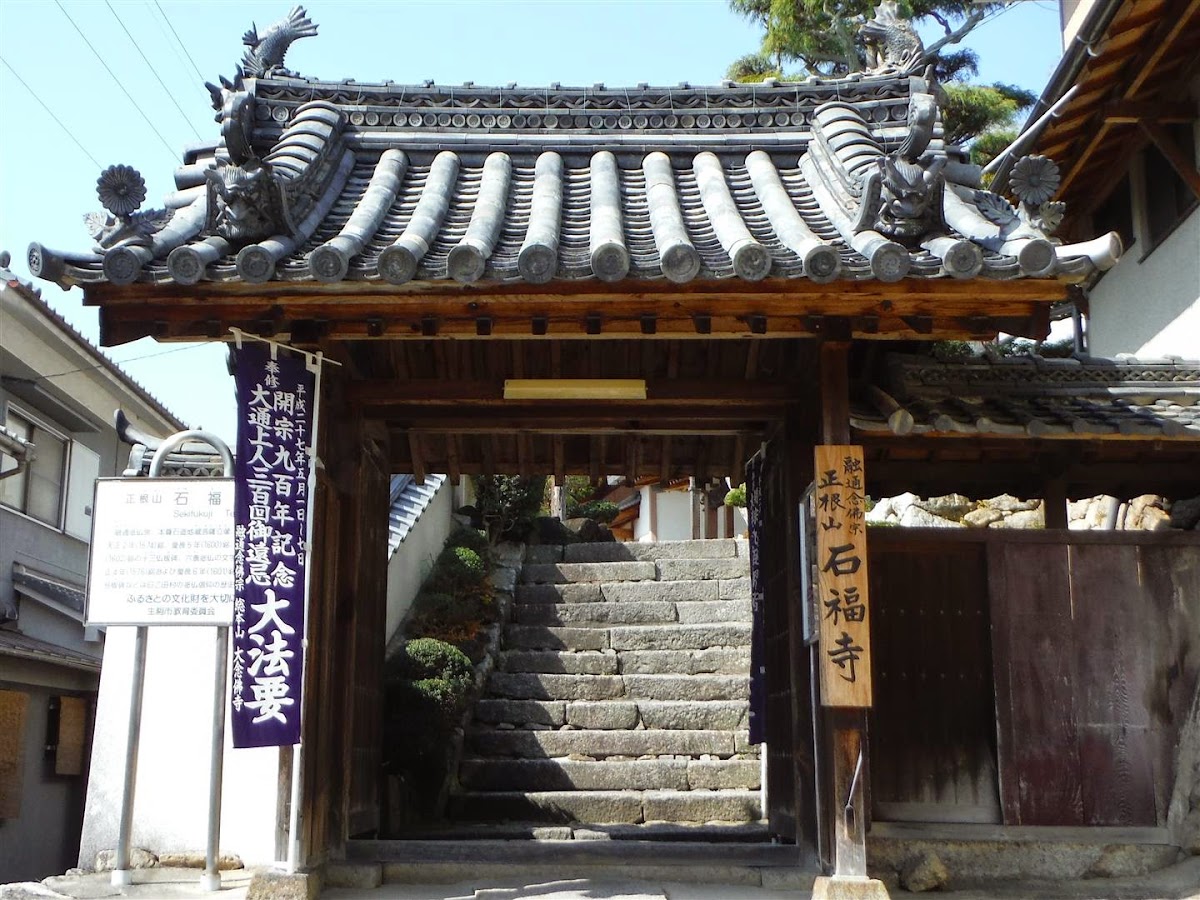
After passing through the residential area from Minami-Ikoma Station, you will see the temple gate of Kansenji Temple. The gate is simply constructed, but it exudes the dignity of an ancient temple. The approach is short, but stone Buddha statues are placed on both sides, welcoming visitors.
Main Hall
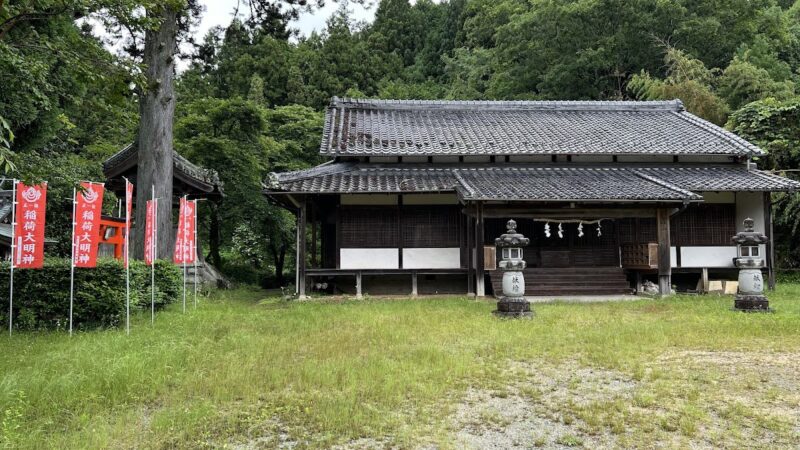
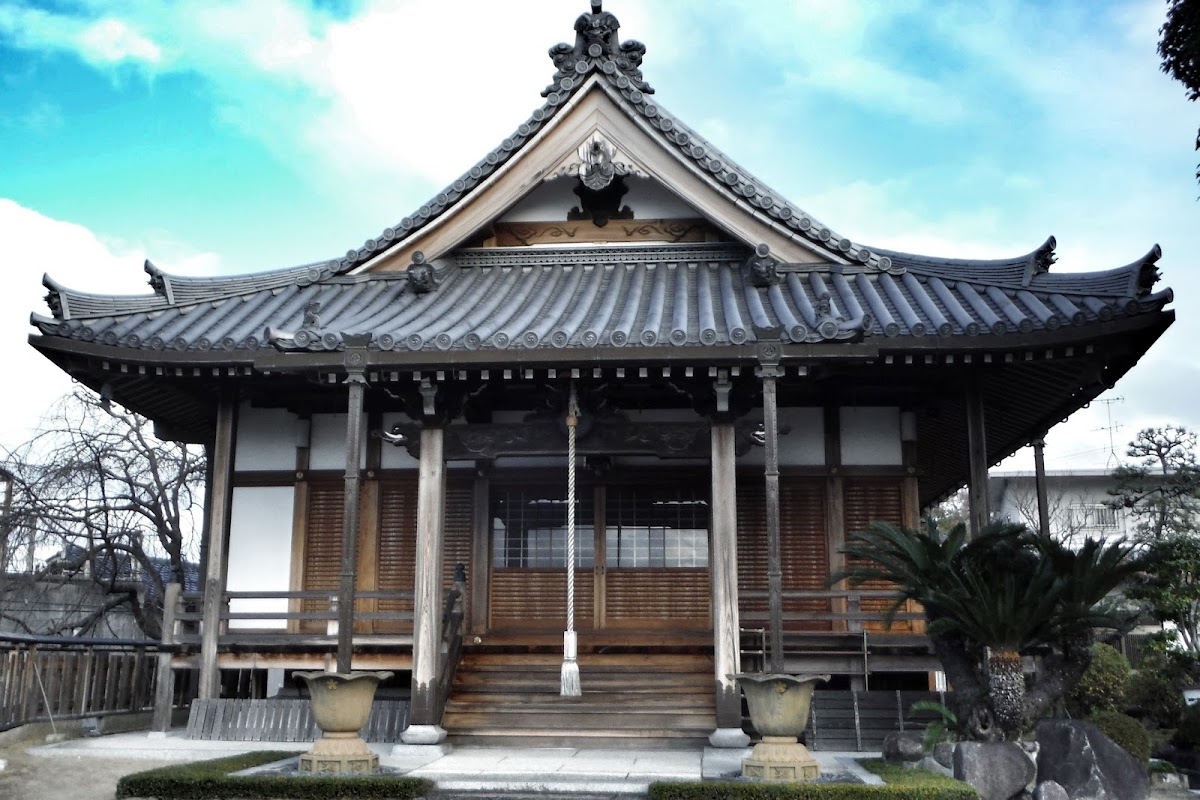
The main hall is a wooden building believed to have been constructed sometime between the Edo period and the modern era. Inside, the principal image, a seated statue of Amida Buddha, is enshrined. The doors are usually closed, but they are opened during religious services.
Arrangement of Stone Artworks
Stone artworks, including a thirteen-story stone pagoda and a thirteen-Buddha stone monument, are placed throughout the temple grounds. The thirteen-story stone pagoda, in particular, occupies a central position within the grounds and catches the eye of visitors. Since there are no explanatory signs for each stonework, researching them beforehand will deepen your understanding.
About Goshuin (Temple Seals)
You can receive a Goshuin at Kansenji Temple. This temple offers a special Goshuin (temple stamp) as an extra temple on the Yamato Northern Eighty-Eight Sacred Sites pilgrimage route.
Goshuin Information:
- Location of Issuance: Temple Office (next to the main hall)
- Hours of Reception: Advance contact required (reservations recommended)
- Donation Fee: Standard amount (around 300 yen)
- Notes: The head priest may be absent, so it is strongly recommended to call in advance.
Kansenji Temple is a small temple and is not always able to accommodate visitors. Especially if you are visiting specifically for the Goshuin, be sure to call (0743-77-6788) in advance to confirm before visiting.
For those undertaking the Yamato Northern Eighty-Eight Sacred Sites pilgrimage, this is an important temple as an extra temple on the route. It is recommended to bring a special pilgrimage notebook when visiting the temples.
Access and Transportation Information
Access by Train
Nearest Station: Kintetsu Ikoma Line “Minami-Ikoma Station”
- Approximately 3-4 minutes on foot from the station (approximately 168-200m)
- Exit the ticket gate and head north, passing through the residential area.
Other Accessible Stations:
- Approximately 15 minutes on foot from Kintetsu Ikoma Line “Haginodai Station”
- Approximately 20 minutes on foot from Kintetsu Ikoma Line “Ichibu Station”
Minami-Ikoma Station is a small station where only local trains stop, but it is the closest and most convenient station to Kansenji Temple. It is approximately a 5-minute ride from Ikoma Station on the Ikoma Line.
Access by Car
Important Notes:
- The area around Kansenji Temple is an old settlement with extremely narrow roads.
- There are places where even regular cars have difficulty passing each other.
- There is no dedicated parking lot, so using nearby coin-operated parking lots is recommended.
Recommended Route:
- Enter the area towards Kose-machi from National Route 168.
- Park in a coin-operated parking lot near Minami-Ikoma Station and access on foot.
If visiting by car, we strongly recommend parking near the station and accessing on foot rather than trying to force your way to the temple entrance. Please be considerate as these are also local residents’ roads.
Nearby Tourist Attractions
When visiting Kansenji Temple, you can also visit other temples and shrines in Ikoma City.
Nearby Temples and Shrines:
- Hozanji Temple (Ikoma Shōten) – A famous temple on the slopes of Mt. Ikoma
- Ōjōin Rokumanji Temple – A special head temple of the Yūzū Nenbutsu sect
- Chōfukuji Temple – One of the 88 sacred sites of northern Yamato
Ikoma City Sightseeing:
- Ikoma Sanjō Amusement Park
- Ikoma Sanroku Park
- Kuragari Pass – An ancient highway
Manners and Precautions for Visiting Temples and Shrines
Basic Manners for Visiting Temples and Shrines
- Be Quiet: As it is located in a residential area, please refrain from speaking loudly.
- Photography: Photography of stone sculptures is generally permitted, but permission is required for photography inside the main hall.
- Restricted Areas: Do not enter restricted areas within the temple grounds.
- Garbage: Please take all garbage you bring with you.
Best Time to Visit
Kansenji Temple is open year-round, but the following times are especially recommended:
Spring (March-May): The temple grounds are beautiful with fresh greenery.
Autumn (October-November): The autumn foliage season, with the surrounding Ikoma Mountains also changing color.
Weekdays: You can visit in peace and quiet.
During the summer, there are many insects such as mosquitoes, so it’s a good idea to take precautions against insects. Also, during the winter, the sun sets early, so visiting during daylight hours is recommended.
About the Yamato Northern Eighty-Eight Sacred Sites
Kansenji Temple is designated as an extra temple of the Yamato Northern Eighty-Eight Sacred Sites. This pilgrimage route visits temples in northern Nara Prefecture and is a path of faith that has continued since the Edo period.
Characteristics of the 88 Sacred Sites of Northern Yamato:
- 88 temples and extra temples in northern Nara Prefecture (Nara City, Ikoma City, Yamato-Koriyama City, etc.)
- Includes temples of various sects
- Pilgrimage is possible by various means, including walking, cycling, and driving
- The entire route is approximately 200km
Extra temples are temples that are not included in the regular 88 sites but are added to the pilgrimage due to their special history or spiritual significance. Kansenji Temple is considered an extra temple because it possesses valuable stone art and has attracted local faith as a temple of the Yuzu Nembutsu sect.
History of Ikoma City and the Position of Kansenji Temple
Ikoma City is located in the northwestern part of Nara Prefecture, centered around Mount Ikoma, which rises on the border with Osaka Prefecture. From ancient times, it flourished as a transportation hub connecting Osaka and Nara, and the Kuragari Pass road passed through it.
Kose-machi is located in the southern part of Ikoma City and is a region that has developed as an ancient farming settlement. Kansenji Temple is located in the heart of this Kose settlement and has functioned as the family temple of the local residents since the Edo period.
While Ikoma City has the well-known temple Hozanji (Ikoma Shōten), smaller temples like Kansenji also play an important role in conveying the history and culture of the region. In particular, its value as a cultural asset of Ikoma City is high due to the large number of medieval stone art objects it preserves.
About the Yūzū Nenbutsu Sect
A brief explanation of the Yūzū Nenbutsu sect, to which Kansenji Temple belongs, is provided below.
Founder: Ryōnin Shōnin (1073-1132)
Head Temple: Dainenbutsu-ji Temple (Hirano-ku, Osaka City)
Doctrine: “Yūzū Nembutsu,” where one person’s recitation of the Buddha’s name reaches all, and all people’s recitation returns to one.
Ryōnin Shōnin, after training at Mount Hiei in the late Heian period, preached salvation through the recitation of the Buddha’s name. His teachings are characterized by the idea that the merit of chanting “Namu Amida Butsu” extends not only to oneself but also to others, creating a mutually beneficial exchange.
The Yūzū Nembutsu sect is mainly spread throughout the Kinki region, with many temples, particularly in Osaka and Nara. Kansen-ji Temple, a relatively minority Yūzū Nembutsu temple in Nara Prefecture, continues to preserve its unique faith.
Voices of Visitors to Kansen-ji Temple
Although small in scale, Kansen-ji Temple receives high praise from visitors. The following points, in particular, are highly regarded:
- Quiet and peaceful atmosphere: Not commercialized for tourism, allowing for a leisurely visit.
- Valuable stone art: See the medieval thirteen-story stone pagoda and thirteen Buddha stone monument up close.
- Easy access: Conveniently located just a few minutes’ walk from Minami-Ikoma Station.
- Community-oriented temple: Experience the atmosphere of a temple deeply rooted in the local community.
However, some visitors should be aware of the following points:
- Narrow roads make access by car difficult.
- Advance notice is required if you wish to receive a temple stamp (Goshuin).
- Few explanatory signs, so prior research is recommended.
Model course for visiting Kansenji Temple
Here is a model course for a half-day visit centered around Kansenji Temple.
Morning Course (Duration: Approx. 3 hours)
- 9:30 Arrive at Kintetsu Ikoma Station
- 9:40 Travel to Minami-Ikoma Station on the Ikoma Line (Approx. 5 minutes)
- 9:50 Arrive at Kansenji Temple, stroll around the grounds and pay your respects (30 minutes)
- 10:30 Stroll around Minami-Ikoma Station
- 11:00 Return to Ikoma Station and take the Ikoma Mountain Cable Car to Hozanji Station
- 11:30 Visit Hozanji Temple (1 hour)
- 12:30 Lunch at Ikoma Sanjo Amusement Park
Afternoon Course (Duration: Approx. 2 hours)
- 14:00 Arrive at Minami-Ikoma Station
- 14:10 Visit Kansenji Temple (40 minutes)
- 15:00 Walk around the old townscape.
- 15:30 Take a break at a cafe near the station.
- 16:00 Head home.
Summary
Kansenji Temple is a temple of the Yuzu Nembutsu sect located in Oze-cho, Ikoma City, Nara Prefecture. Since its founding in 1693, it has functioned as a center of local faith. The temple grounds contain many valuable medieval stone art objects, such as a thirteen-story stone pagoda bearing the inscription of Kōei 4 (1345) and a thirteen-Buddha stone monument bearing the inscription of Tenbun 13 (1544), giving it high historical and art significance.
Despite its convenient location just a few minutes’ walk from Minami-Ikoma Station, it maintains a quiet and peaceful atmosphere, making it a place where one can tranquilize their visit away from the hustle and bustle. While advance notice is required for those wishing to receive a temple stamp (Goshuin), it is also visited by pilgrims as an extra temple on the Yamato Northern Eighty-Eight Sacred Sites pilgrimage route.
When you visit Ikoma City, why not take a look not only at famous temples like Hozanji Temple, but also at smaller, locally rooted temples like Kansenji Temple? There, you’ll find the true essence of a temple, unspoiled by tourism, and a long history quietly unfolding.
For those interested in stone art, those seeking tranquility in a peaceful temple, those on a pilgrimage to the 88 sacred sites of northern Yamato, and those who want to delve deeper into the history of Ikoma City, Kansenji Temple is well worth a visit. Please do consider visiting it.