Complete Guide to Daijōryūji Temple | From Founding by Gyōki to Restoration by Tankai Risshi: A Thorough Explanation of History and Cultural Assets
Located on the slopes of Mount Ikoma in Ikoma City, Nara Prefecture, Daijōryūji Temple is a historic temple belonging to the Shingon Ritsu sect. Its official name is “Seiryuzan Daijōryūji,” but it is affectionately known locally as “Takidera.” It has a founding legend attributed to the high-ranking priest Gyōki Bodhisattva of the Nara period, and is known as a temple that was restored as a Shingon Ritsu sect temple in the Edo period by Tankai Risshi, the restorer of Hōzanji Temple.
This article will introduce all the charms of Daijōryūji Temple, from its history and cultural assets to its current activities and access methods.
Basic Information on Daijōryūji Temple
Daijōryūji Temple is located on the slopes of Mount Ikoma, as a branch temple of Hōzanji Temple, the head temple of the Shingon Ritsu sect.
Basic Temple Data:
- Temple Name: Seiryosan Daijoryuji
- Common Name: Takidera
- Sect: Shingon Ritsu Sect
- Principal Image: Eleven-faced Kannon Bodhisattva
- Location: 2-14-8 Motomachi, Ikoma City, Nara Prefecture
- Phone: 0743-74-6188
- Head Temple: Hozanji Temple (Head Temple of the Shingon Ritsu Sect)
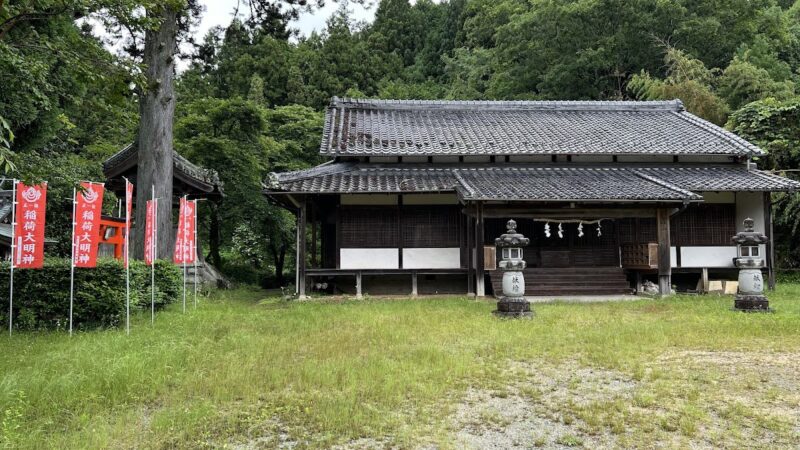
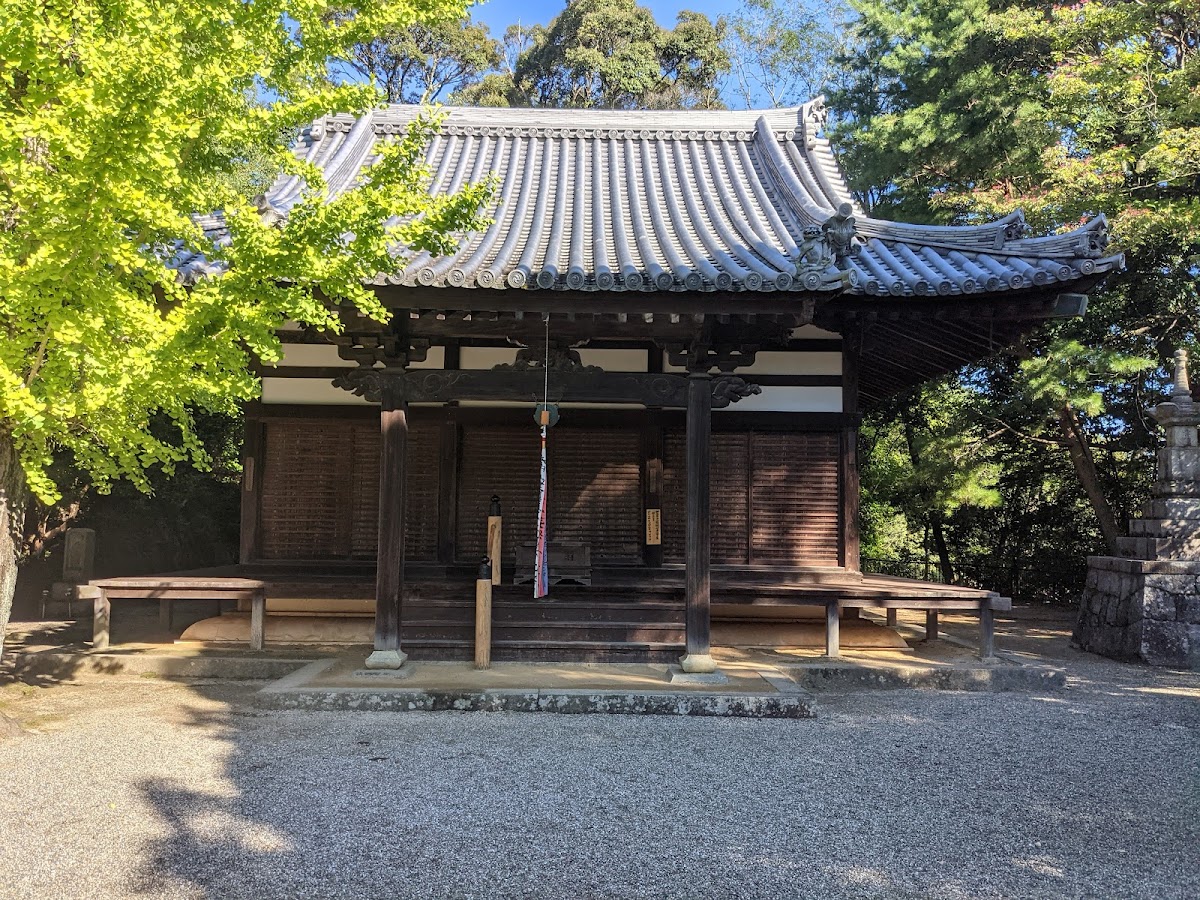
Currently, the temple grounds only contain a small main hall, but it also houses a children’s welfare facility, a nursery school, and a senior citizens’ welfare facility, and operates a wide range of welfare programs based on the spirit of promoting the Dharma and benefiting people.
History of Daijōtaki-ji Temple
Nara Period: Founding Legend by Gyōki Bodhisattva
Daijōtaki-ji Temple is said to have been founded in the Nara period (early 8th century) by the monk Gyōki Bodhisattva. Gyōki was a prominent high-ranking monk of the Nara period, known for his dedication to spreading Buddhism among the common people and for his social work. He is also said to have established many temples around Mount Ikoma.
However, unfortunately, there are no clear records of the detailed history from its founding to the Edo period, and many details remain unknown.
Medieval to Early Modern Period: Records of Yūon Shamon
Historical facts begin to emerge around the Kan’ei era (early 17th century). According to records of Yūon Shamon, a wandering beggar monk, who arrived in this area, there was already a thirteen-story stone pagoda and a sutra mound southwest of the main hall, and the remains of the main gate and other buildings suggesting the temple’s original size were scattered throughout the area.
Medieval to Early Modern Period: Records of Yūon Shamon
Historical facts begin to emerge around the Kan’ei era (early 17th century). Records from when Yūon Shamon, a wandering beggar monk, arrived in this area indicate that at that time, there was already a thirteen-story stone pagoda and a sutra mound southwest of the main hall, and the remains of the main gate and other buildings suggesting the temple’s original size were still present. From this, it can be inferred that Daijōtaki-ji Temple was once a temple of considerable size. There are also legends suggesting a connection to En no Gyōja, and it is possible that it was deeply intertwined with the history of Shugendō (mountain asceticism) on Mount Ikoma.
Edo Period: The Era of the Yūzū Nembutsu Sect
During the Edo period, Daijōtaki-ji Temple belonged to the Yūzū Nembutsu sect. The Yūzū Nembutsu sect is a Pure Land Buddhist sect founded by Ryōnin Shōnin at the end of the Heian period, characterized by the doctrine that “one person’s recitation of the Buddha’s name is universally applicable to all.”
During this period, Daijōtaki-ji Temple attracted local faith as a temple of the Yūzū Nembutsu sect, but it would soon face a major turning point.
Late Edo Period: Restoration by Tankai Risshi and Conversion to the Shingon Ritsu Sect
The most important turning point in the history of Daijōtaki-ji Temple was its restoration by Tankai Risshi, the restorer and founder of Hōzan-ji Temple.
Tankai Risshi was a high-ranking priest who significantly developed Hozanji Temple as a center of the Shingon Ritsu sect during the late Edo period. He dedicated himself to the strict practice of precepts and the relief of the common people. Tankai Risshi received Daijotakiji Temple from the 46th head priest of the Yuzu Nembutsu sect, Yukan Daitsu, and rebuilt it, converting it to the Shingon Ritsu sect.
This conversion marked the beginning of a new history for Daijotakiji Temple as a branch temple of Hozanji Temple. The Shingon Ritsu sect, while a branch of the Shingon sect, emphasizes strict precepts and has a tradition of focusing on social welfare since the time of Eison and Ninsho in the Kamakura period.
Meiji Era: Establishment of Educational Institutions
In the Meiji era, Daijotakiji Temple began to focus on the spread of education. During the Meiji period, the “Hirokyo Gakusha Shingon Sect Middle School” was established, serving as a center for training monks and Buddhist education.
The establishment of this educational institution embodies the spirit of Kōhō Rishō (promoting Buddhist teachings and benefiting all sentient beings), which is highly valued in the Shingon Ritsu sect, and represents a new mission for Daijōtaki-ji Temple.
Modern and Contemporary Period: Development of Welfare Services
In addition to its role as a religious institution, modern Daijōtaki-ji Temple has significantly developed its function as a hub for social welfare services.
The following welfare facilities are located within the temple grounds and function as the core of the Hōzan-ji Welfare Services Group:
- Ikoma Infant Home: A facility that cares for infants who are unable to be raised at home due to various circumstances.
- Ikoma Infant Nursery School: A nursery facility that meets the childcare needs of the local community.
- Umejusō Special Nursing Home for the Elderly: A facility that provides care and life support for the elderly.
Through these facilities, Daijōtaki-ji Temple provides welfare services to a wide range of generations, from children to the elderly, and carries on the spirit of social work that the Shingon Ritsu sect has traditionally valued.
Cultural Assets and Highlights of Daijōtaki-ji Temple
Principal Image: Eleven-Headed Kannon Standing Statue
The principal image of Daijōtaki-ji Temple is the Eleven-Headed Kannon Bodhisattva. The currently enshrined Eleven-Headed Kannon Standing Statue is from the Edo period and has the following characteristics:
Details of the Eleven-Headed Kannon Standing Statue:
- Height: 100.5cm
- Structure: Joined wood construction
- Eyes: Crystal eyes
- Surface: Unfinished wood
- Period: Edo period
- Tradition: Said to be the work of Tankai
This statue was originally housed at Hōzan-ji Temple, but when Daijōtaki-ji Temple became a branch temple of Hōzan-ji Temple, it was taken over as the principal image. It is said to be the work of Tankai Risshi and is an important cultural asset that tells the history of Tankai Risshi’s restoration of Daijōtaki-ji Temple.
The Eleven-Faced Kannon is a Bodhisattva of Kannon with eleven faces on its head, symbolizing compassion and the watchful eye that watches over and saves all sentient beings from all directions. It harmoniously combines realistic depiction using crystal eyes with the simple beauty of its unpainted finish, a characteristic feature of Edo period Buddhist sculpture.
Historical Sites on the Temple Grounds
Although the current grounds of Daijōtaki-ji Temple are small, records indicate that the following historical sites once existed within the temple grounds:
- Thirteen-Storied Stone Pagoda: A stone pagoda believed to have been located southwest of the main hall.
- Sutra Mound: A mound where Buddhist scriptures were buried.
- Main Gate Site: The site of the former main gate of the temple.
- Monk’s Residence Site: Remains of buildings where monks resided are scattered throughout the grounds.
These remains indicate that Daijōtaki-ji Temple was once a temple of considerable size.
Relationship between Daijōtaki-ji Temple and Hōzan-ji Temple
Understanding Daijōtaki-ji Temple is essential to understanding its deep relationship with Hōzan-ji Temple.
About Hozanji Temple
Hozanji Temple is a major temple of the Shingon Ritsu sect located on the slopes of Mount Ikoma, and is widely revered as “Ikoma’s Shōten-san.” It was restored during the Edo period by the monk Tankai and became known for its miraculous powers in bringing prosperity to businesses.
Daijōtakiji Temple as a Sub-Temple
Daijōtakiji Temple is a sub-temple of Hozanji Temple and has the following relationship:
- Religious Lineage: It inherits the lineage of the Shingon Ritsu sect through Hozanji Temple.
- Origin of the Principal Image: The current principal image, an eleven-faced Kannon standing statue, was received from Hozanji Temple.
- Welfare Activities: It conducts social welfare activities as a member of the Hozanji Welfare Association.
- Geographical Proximity: It is approximately a 5-minute walk from Hozanji Station on the Ikoma Cable Car.
Due to this relationship, Daijōtakiji Temple plays an important role as a temple that can be visited in conjunction with a pilgrimage to Hozanji Temple, and as a base for Hozanji Temple’s welfare activities.
What is the Shingon Ritsu School?
Understanding the Shingon Ritsu School, to which Daijō Takiji Temple belongs, will clarify the characteristics of this temple.
The Origins of the Shingon Ritsu School
The Shingon Ritsu School is a sect founded by the eminent priest Eison (1201-1290) during the Kamakura period. While based on the doctrines of Shingon Buddhism, it is characterized by its emphasis on the strict practice of precepts.
Characteristics of the Shingon Ritsu School
- Emphasis on Precepts: Emphasis on strict adherence to the precepts of monks.
- Integration of Esoteric Buddhism and Precepts: Balancing the doctrines of Shingon Esoteric Buddhism with the practice of precepts.
- Social Work: A tradition of actively engaging in poverty relief, medical care, and civil engineering projects since the time of Eison and Ninshō.
- Promoting the Dharma and Benefiting Beings: A mission to spread Buddhist teachings and bring benefits to people.
The Spirit of the Shingon Ritsu School at Daijō Takiji Temple
The welfare projects currently undertaken by Daijō Takiji Temple, such as children’s homes, nurseries, and elderly care facilities, truly embody the spirit of promoting the Dharma and benefiting beings of the Shingon Ritsu School. This spirit has been consistently passed down since the restoration by Master Tankai.
Access to Daijotaki-ji Temple
Access by Train
Nearest Station:
- Approximately 5 minutes on foot (approx. 0.3 km) from Kintetsu Ikoma Cable Hozanji Station
- Approximately 15 minutes on foot from Kintetsu Ikoma Cable Torii-mae Station
- Approximately 30 minutes on foot from Kintetsu Nara Line Ikoma Station (Cable car use recommended)
Access Procedure:
- Get off at Kintetsu Nara Line “Ikoma Station”
- Approximately 3 minutes on foot from the station to Ikoma Cable (Torii-mae Station)
- Approximately 6 minutes on the Ikoma Cable to “Hozanji Station”
- Approximately 5 minutes on foot from Hozanji Station to Daijotaki-ji Temple
About Ikoma Cable
The Ikoma Cable is one of Japan’s oldest cable cars, opened in 1918 (Taisho 7). It consists of the Hozanji Line from Torii-mae Station to Hozanji Station and the Sanjo Line from Hozanji Station to Ikoma Sanjo Station. To reach Daijotaki-ji Temple, take the Hozanji Line cable car.
The cable car itself is a tourist attraction, featuring cute vehicles with nicknames such as “Bull” and “Mike.”
Access by Car
While it is possible to access Mount Ikoma by car, the mountain roads are narrow and can be particularly crowded on weekends and during peak seasons. There are paid parking lots near Hozanji Temple, but spaces are limited, so using public transportation is recommended.
Nearby Attractions
When visiting Daijotaki-ji Temple, you can also visit the following nearby spots:
- Hozanji Temple: Approximately 5 minutes on foot. A major Shingon Ritsu sect temple famous as “Ikoma’s Shoten-san.”
- Ikoma Sanjo Amusement Park: Take the cable car to the mountaintop station. Amusement park with a good view
- Kuragari Pass: A historic mountain pass connecting Osaka and Nara
- Ikoma Mountain Foot Park: A park facility rich in nature
Etiquette and Manners for Visiting
Points to Note When Visiting
Daijotaki-ji Temple currently has a welfare facility attached, so please note the following points when visiting:
- Be Quiet: Please be considerate of the living environment of the welfare facility users and visit quietly.
- Photography: Please be considerate of the privacy of the facility users and limit photography to religious facilities such as the main hall.
- Restricted Areas: Unauthorized entry into the welfare facility area is strictly prohibited.
- Visiting Hours: Avoid visiting early in the morning or late at night, and visit at reasonable hours.
Etiquette for Visiting
Basic etiquette for visiting a Shingon Buddhist temple:
- Bow at the temple gate before entering the grounds.
- Cleanse your hands and mouth at the water basin.
- 4. Clasp your hands together in prayer and bow before the main hall.
- Quietly place your offering in the offering box.
- If there is a gong (gakuchi), ring it.
- Clasp your hands together and chant “Namu Daishi Henjo Kongo” or “Om Maka Karonika Sowaka” (the mantra of the Eleven-Faced Kannon).
- Bow and leave.
Annual Events at Daijo Takiji Temple
Daijo Takiji Temple, as a Shingon Ritsu sect temple, holds the following annual events (please contact the temple directly for details):
- First three days of the New Year: New Year’s prayers
- Spring Equinox Service: Spring equinox memorial service
- Obon Festival: Obon memorial service
- Autumn Equinox Service: Autumn equinox memorial service
- Other: Monthly Goma rituals, etc.
Religious Background of Mount Ikoma
Mount Ikoma, where Daijōtaki-ji Temple is located, has been revered as a sacred mountain since ancient times.
Connection to Shugendō
Mount Ikoma is known as the place where En no Gyōja (En no Ozunu) practiced asceticism, and is considered one of the sacred sites of Shugendō. There are many ascetic training grounds on the mountain, and the name “Taki” (waterfall) in Daijōtaki-ji Temple may suggest a connection to waterfalls as training grounds.
Temples and Shrines of Mount Ikoma
Besides Daijōtaki-ji Temple, Mount Ikoma has many other temples and shrines, and has developed as a religious mountain:
- Hōzan-ji Temple (Shingon Ritsu sect)
- Ishikiri Tsurugiya Shrine
- Ōjō-in Temple
- Numerous other small shrines and training grounds
Within this religious environment, Daijōtaki-ji Temple has also played a part in the faith of Mount Ikoma.
The Modern Significance of Daijōtaki-ji Temple
The Integration of Welfare and Religion
The most distinctive feature of modern Daijōtaki-ji Temple is that it operates as both a religious and a welfare facility. This has the following significance:
- Inheritance of Tradition: Inheriting the tradition of social work that the Shingon Ritsu sect has valued since the Kamakura period.
- Practical Compassion: Putting the Buddhist spirit of compassion into practice as concrete welfare services.
- Contribution to the Community: Functioning as an important base for child welfare and elderly welfare in Ikoma City.
- Social Role of Religion: Demonstrating a new role for religious facilities in modern society.
As the Core of the Hozanji Welfare Association
Daijo Takiji Temple, as the core facility of the Hozanji Welfare Association, fulfills the following roles:
- Ikoma Infant Home: Responsible for the care of many infants throughout the year.
- Ikoma Infant Nursery School: Meeting the local childcare needs.
- Umejuso Special Nursing Home for the Elderly: A base for elderly care.
Through these facilities, we support hundreds of welfare service users annually, making us an indispensable part of Ikoma City’s social welfare infrastructure.
Summary: The Charm and Value of Daijōtaki-ji Temple
Daijōtaki-ji Temple is a temple with a long history, from its founding legend by Gyōki Bodhisattva in the Nara period, to its revival as a Shingon Ritsu sect temple by Tankai Risshi in the Edo period, and its development of modern welfare services.
Main Features of Daijōtaki-ji Temple:
- Historical Value: The history of its founding legend by Gyōki and its revival by Tankai Risshi
- Cultural Property: An Eleven-Headed Kannon standing statue from the Edo period, said to be the work of Tankai
- Religious Significance: Embodying the spirit of promoting the Dharma and benefiting all beings in the Shingon Ritsu sect
- Social Role: Developing a wide range of welfare services, from child welfare to elderly welfare
- Location: A privileged environment near Hōzan-ji Temple on the slopes of Mt. Ikoma
Despite being a small temple, its historical, cultural, and social value is immense, and it is an important presence that connects the religious culture of Mt. Ikoma with modern social welfare.
When you visit Hozanji Temple, be sure to also visit Daijotakiji Temple and experience the long history that breathes within its tranquil atmosphere, as well as the spirit of compassion of Buddhism that lives on in the modern age. Daijotakiji Temple, where the rich nature of Mount Ikoma, historical temples and shrines, and modern welfare facilities harmonize, is a place that offers many insights to visitors.