Complete Guide to Kyokoji Temple: History and Highlights of the Mountain Temple Associated with En no Ozunu
Kyokoji Temple, nestled on the slopes of Mount Ikoma in Ikoma City, Nara Prefecture, is a historic mountain temple said to have been founded by En no Ozunu, the founder of Shugendo (Japanese mountain asceticism). Although currently uninhabited, the ancient history of Shugendo still breathes within its tranquil grounds. This article provides a detailed introduction to Kyokoji Temple, including its history, highlights, and access information.
About Kyokoji Temple
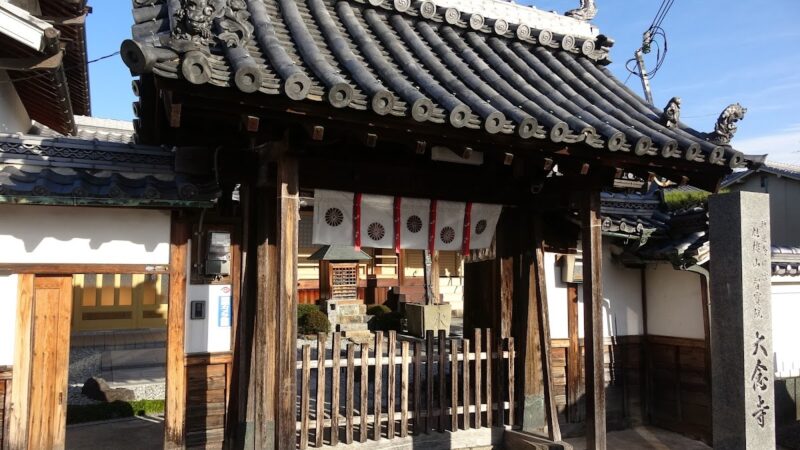
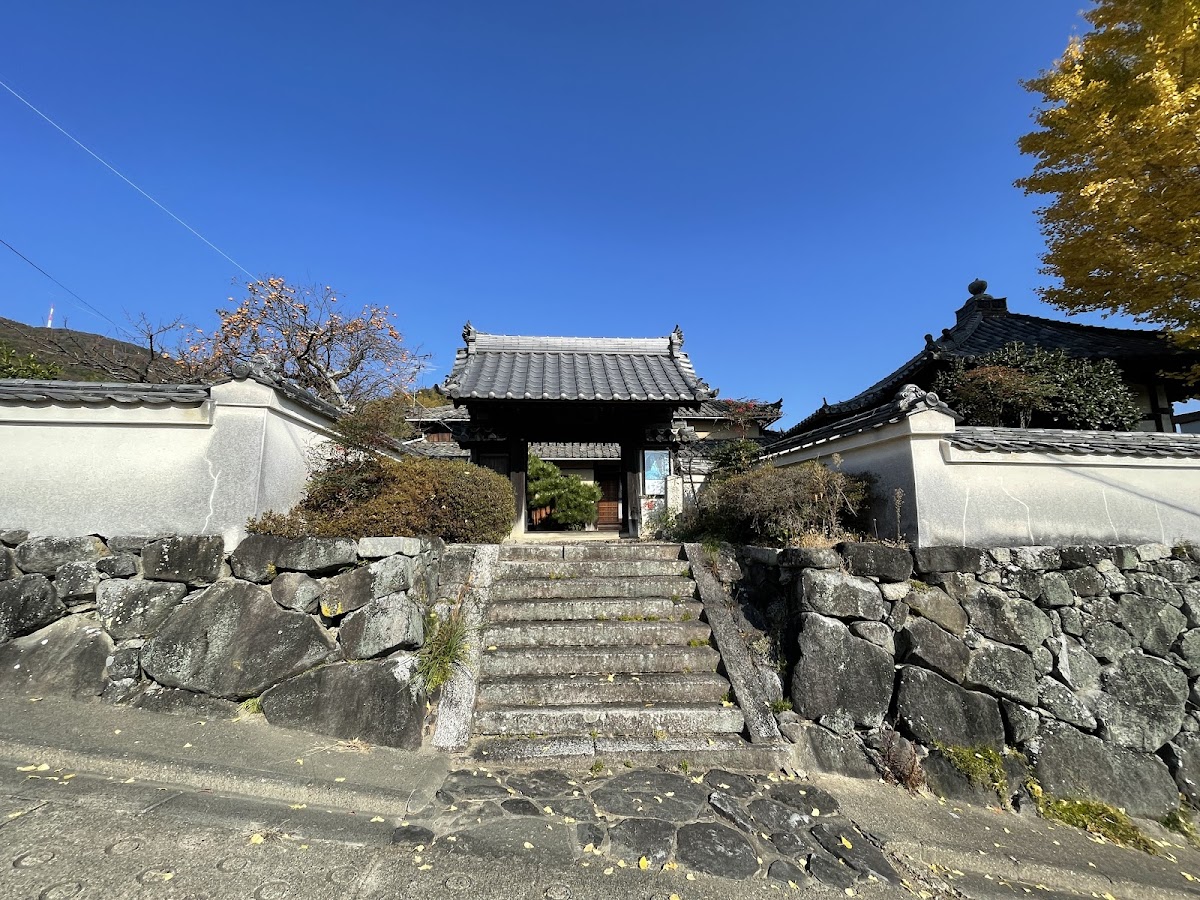
Kyokoji Temple, also known as Ogurayama, is a Shingon sect Daigoji branch temple located at 539 Oguradera-cho, Ikoma City, Nara Prefecture. It enshrines a statue of Nyoirin Kannon as its principal image and is an ancient temple said to have been founded by En no Ozunu as a training ground, and where Kobo Daishi (Kukai) also trained.
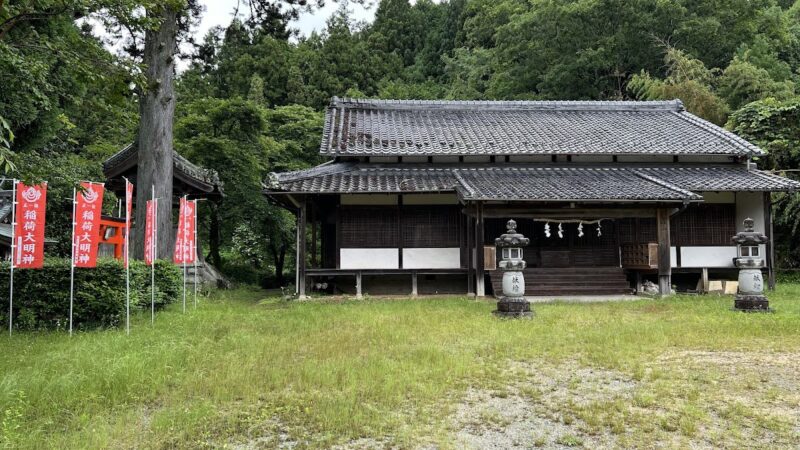
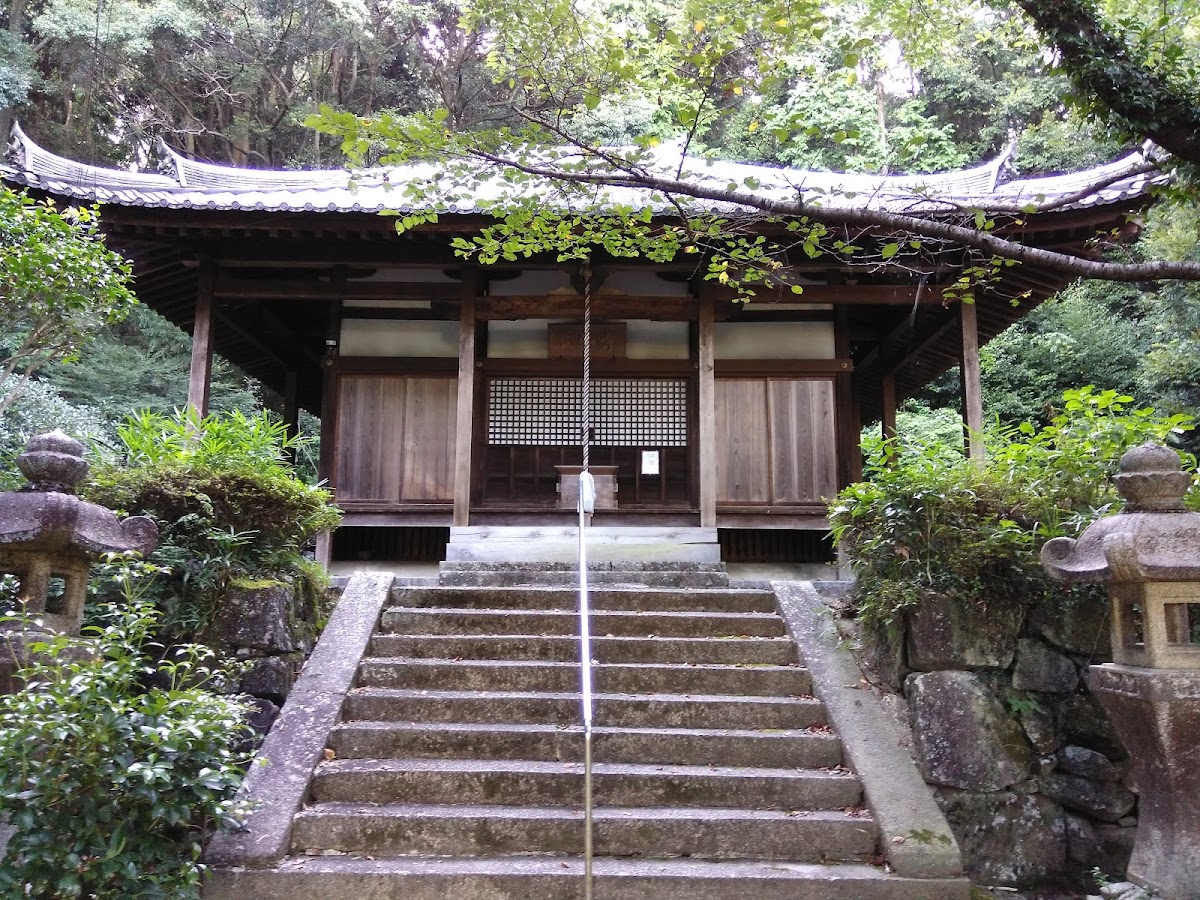
Located on the slopes of Mount Ikoma, the temple grounds were once much larger, flourishing as a training ground for Shugendo practitioners with exposed rock formations. Currently, only the main hall, Nakanobo, and Okunobo remain, but the moss-covered grounds exude a unique atmosphere, offering visitors a tranquil experience.
History of Kyokoji Temple
Founding and En no Gyoja
Kyokoji Temple is said to have been founded by En no Gyoja (En no Ozunu), known as the founder of Shugendo. En no Gyoja was a legendary Shugendo practitioner who was active from the Asuka period to the Nara period, training on sacred mountains throughout Japan, including Mount Ikoma. The rocky terrain of Mount Ikoma provided an ideal environment for Shugendo training, and it is believed that En no Gyoja established Kyokoji Temple in this location.
Connection with Kobo Daishi
In the early Heian period, Kobo Daishi Kukai, the founder of Shingon Buddhism, is also said to have trained in this area. In his youth, Kobo Daishi (Kukai) underwent rigorous training on various sacred mountains, and Mount Ikoma was one of those training grounds. This connection led to the development of Kyokoji Temple as a temple of the Daigoji branch of the Shingon sect.
Prosperity in the Middle Ages
During the Middle Ages, Kyokoji Temple flourished greatly, possessing numerous sub-temples. Records indicate the existence of several monastic buildings, including Okunobo, Nakanobo, Atarashibo, Daimonbo, and Okanobo, which functioned as training grounds for Shugendo practitioners. The “Yamato Meisho Zue” (Illustrated Guide to Famous Places of Yamato) mentions the remaining five or six thatched-roof monastic buildings, indicating that the temple maintained a certain scale until the Edo period.
Present State
With the passage of time, many of the monastic buildings were lost, and only the main hall, Nakanobo, and Okunobo remain today. Even now, as an uninhabited temple, it is managed by local residents and cultural property preservation officials, preserving its historical value.
Highlights of the Temple Grounds
Main Hall
The main hall of Kyokoji Temple houses the principal image, a statue of Nyoirin Kannon. Nyoirin Kannon is one of the Six Kannon, worshipped as a Buddha who grants people’s wishes and relieves their suffering. The main hall, though simple, possesses a solemn atmosphere, reflecting its history as a sacred site of Shugendo (mountain asceticism).
Nakanobo
Nakanobo, which still remains today, was once a place where Shugendo practitioners lived and practiced. Although the building is aging, its appearance evokes the Shugendo activities of yesteryear.
En no Gyoja Stone Shrine
Within the temple grounds is a stone shrine dedicated to En no Gyoja, considered one of Kyokoji Temple’s important cultural assets. A stone shrine is a stone reliquary, and this En no Gyoja stone shrine is known to be ancient, demonstrating the deep faith in En no Gyoja, the temple’s founder.
Five-Ring Pagoda
An old five-ring pagoda remains on the temple grounds, and it is also valued as a precious stone cultural asset. The five-ring pagoda was erected as a memorial tower and is an important relic that conveys the history of Kyokoji Temple from the medieval to the early modern period.
Moss-Covered Temple Grounds
The temple grounds, entirely covered in moss, are one of Kyokoji Temple’s greatest attractions. As the grounds are returning to nature due to lack of human intervention, they have a unique charm that leaves a deep impression on visitors. Especially after rain or on humid days, the green of the moss stands out vividly, creating a fantastical atmosphere.
Mount Ogura and Fujiwara Teika’s Poem
Mount Ogura, towering behind the temple grounds, is mentioned in Fujiwara Teika’s poem included in the *Shin Kokin Wakashu* (New Collection of Ancient and Modern Japanese Poetry): “In spring, white clouds pile up, and flowers bloom on the peaks of Mount Ogura on Mount Tatsuta.” This poem celebrates the beauty of Mount Ogura in spring, indicating that the area around Kyokoji Temple has long been known as a poetic place name.
Cultural Value of Kyokoji Temple
Kyokoji Temple is designated as an important cultural property of Ikoma City, and its history is also introduced in the Ikoma City Digital Museum. Stone structures such as the En no Gyoja stone shrine and the five-ring pagoda are valuable resources for studying stone art from the medieval to early modern periods.
Furthermore, as a mountain temple that conveys the history of Shugendo (mountain asceticism), it is also important from the perspective of religious and cultural history. Mount Ikoma is one of the important sacred sites of Shugendo, and Kyokoji Temple, as one of the few remaining structures that conveys that history, has high academic value.
About Goshuin (Temple Seals)
Since Kyokoji Temple is currently an uninhabited temple, it is not possible to obtain Goshuin on the temple grounds. However, there is information that you can obtain Kyokoji Temple’s Goshuin at Matsuo-ji Temple in Yamato-Koriyama City. Matsuo-ji Temple is a special head temple of the Shingon Daigo sect and belongs to the same sect as Kyoko-ji Temple, so it seems they offer Goshuin (temple stamps). Those wishing to receive a Goshuin are advised to check with Matsuo-ji Temple in advance.
Access Methods
Using Public Transportation
The nearest station to Kyoko-ji Temple is Minami-Ikoma Station on the Kintetsu Ikoma Line. From Minami-Ikoma Station, access is by foot or taxi.
Walking Access:
It takes approximately 30-40 minutes on foot from Minami-Ikoma Station. Head north along the Kuragoe Nara Kaido road, and at the Onitori-cho fork, turn towards Ogura-cho. Kyoko-ji Temple is located beyond the Ogura-cho settlement. The path is mountainous, so comfortable walking shoes are recommended.
Taxi Access:
Taking a taxi from Minami-Ikoma Station will get you there in about 10 minutes. However, the roads around the temple are narrow, so you may need to get out earlier. ### Using a Private Car
While access by private car is possible, the roads around the temple are narrow, and parking spaces are limited. If you can find a place to park on the roadside within the Ogura-cho settlement, you will need to access the temple on foot from there.
Access Notes
- Kyokoji Temple is located in the mountains, so the path may become slippery depending on the weather.
- As it is an uninhabited temple, there are no restrictions on visiting hours, but we recommend visiting before sunset.
- There are areas where cell phone reception is poor, so it is necessary to prepare in advance, such as using the offline function of a map app.
- We recommend bringing insect repellent and drinking water.
Visiting Information
- Visiting Hours: No particular restrictions as it is uninhabited (daytime visits are recommended)
- Admission Fee: Free
- Address: 539 Oguradera-cho, Ikoma City, Nara Prefecture
- Sect: Shingon-shu Daigoji-ha
- Principal Image: Nyoirin Kannon
- Inquiries: Ikoma City Lifelong Learning Division (Inquiries regarding cultural properties)
Recommended Nearby Spots
Kakurinji Temple
Kakurinji Temple, located in Ikoma City, is known as a mountain temple on Mount Ikoma, just like Kyokoji Temple. This is also a historical temple, and visiting it in conjunction with Kyokoji Temple will allow you to gain a deeper understanding of the religious culture of Mount Ikoma.
Kuragoe Nara Road
The Kuragoe Nara Road, used to access Kyokoji Temple, was an important road connecting Osaka and Nara during the Edo period. Sections of the cobblestone road remain, allowing you to enjoy a historical walk.
Ikoma Sanjo Amusement Park
This amusement park is located near the summit of Mount Ikoma and offers a spectacular view of the Nara Basin. Visiting it after Kyokoji Temple will allow you to enjoy Mount Ikoma from a different perspective.
Ikoma City Digital Museum
For those who want to learn more about cultural properties in Ikoma City, including Kyokoji Temple, we recommend visiting the Ikoma City Digital Museum website. Detailed information about the history and cultural properties of Kyokoji Temple is available there.
Notes and Manners for Visitors
Kyokoji Temple is an uninhabited temple and is protected as a cultural property. Please note the following points when visiting.
- Do not touch the buildings: Some buildings are aging, so for safety reasons, please refrain from touching them.
- Take your trash with you: As there is no permanent caretaker, please be sure to take your trash with you.
- Be quiet: As this is a sacred site of Shugendo, please visit quietly.
- Photography: Taking photos for personal records is acceptable, but for commercial use, please check with Ikoma City.
- Entering private property: There are private residences in the surrounding area, so please avoid entering areas other than the temple grounds.
The Four Seasons of Kyokoji Temple
Spring
In spring, cherry blossoms bloom on the surrounding mountains, and new greenery sprouts. As Fujiwara Teika wrote, the sight of flowers blooming on Mt. Ogura remains as beautiful as ever.
Summer
In summer, the greenery deepens, and the moss-covered temple grounds are dyed in a more vibrant green. Because it is located in the mountains, it is cooler than the city, making it suitable for escaping the summer heat. ### Autumn
In autumn, the autumn leaves are beautiful, adding color to the tranquil temple grounds. The sight of fallen leaves scattered on the moss is also picturesque.
Winter
In winter, there are fewer visitors, allowing you to enjoy an even quieter atmosphere. If it snows, you can see a fantastical landscape enveloped in a world of white.
Cultural Property Preservation Activities in Ikoma City
Ikoma City is undertaking various initiatives to protect cultural properties within the city, including Kyokoji Temple. The Ikoma City Lifelong Learning Division plays a central role in conducting surveys, recordings, and preservation activities for cultural properties, and regular checks are conducted on the condition of Kyokoji Temple.
Furthermore, the Ikoma City Digital Museum publishes information on cultural properties within the city as a digital archive, providing information to a wide range of citizens and researchers.
Shugendo and Mount Ikoma
Understanding the relationship between Shugendo and Mount Ikoma is important for understanding Kyokoji Temple. Shugendo is a unique Japanese religion that was formed by the fusion of ancient Japanese mountain worship and Buddhism, especially Esoteric Buddhism.
Mount Ikoma, located on the border of Osaka and Nara prefectures, has long been revered as a sacred mountain. The ascetic training grounds of Shugendo, said to have been founded by En no Gyoja, are scattered throughout Mount Ikoma, and Kyokoji Temple was one of the most important centers. Many Shugendo practitioners visited this place for rigorous training, including rock climbing, waterfall meditation, and fasting.
Summary
Kyokoji Temple is a historic mountain temple founded by En no Gyoja, and where Kobo Daishi is said to have also trained. Although currently uninhabited, its moss-covered grounds offer a tranquil atmosphere, yet the history of its status as a sacred site for Shugendo still breathes within.
The unique atmosphere created by cultural assets such as the En no Gyoja stone niche and the five-ring pagoda, Mount Ogura (mentioned in a poem by Fujiwara no Teika), and its location on the slopes of Mount Ikoma leaves a deep impression on visitors.
While access is somewhat inconvenient, the resulting tranquility and natural beauty offer a precious experience rarely found in modern society. This is a place that those interested in history, Shugendo (mountain asceticism), and mountain worship, as well as those seeking a peaceful place to calm their minds, should definitely visit.
As a cultural asset of Ikoma City and a valuable legacy that conveys the history of Shugendo, Kyokoji Temple should continue to be carefully protected. When visiting, please respect its history and cultural value and observe proper etiquette during your visit.