Hōdōji Temple (Ikoma City, Nara Prefecture) Complete Guide | The History and Important Cultural Properties of an Ancient Temple Said to Have Been Founded by Gyōki
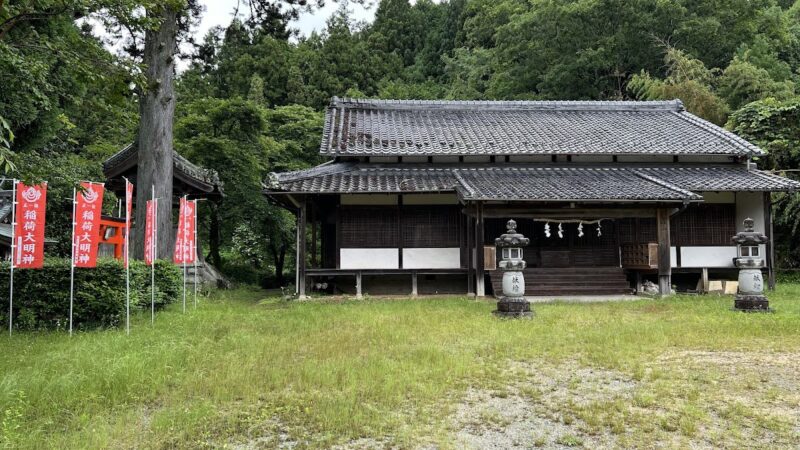
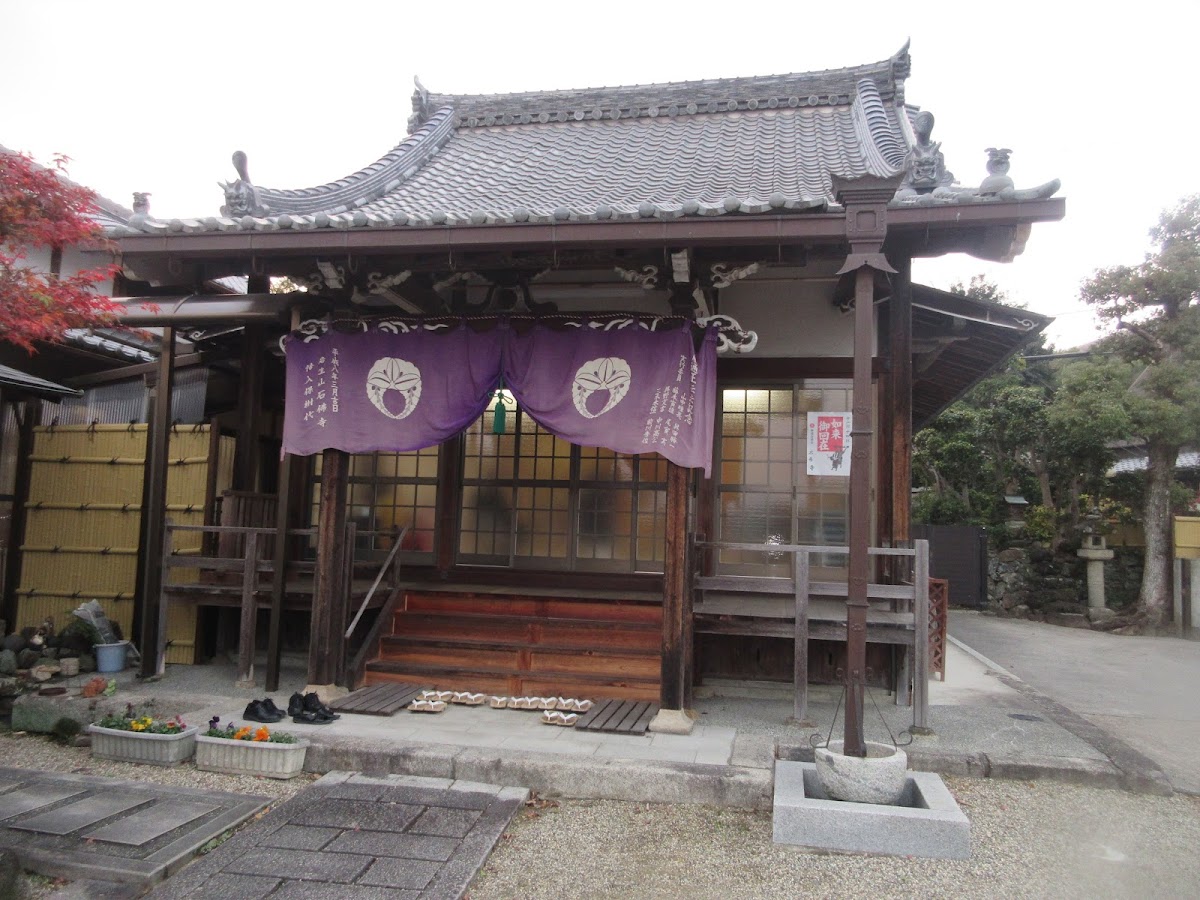
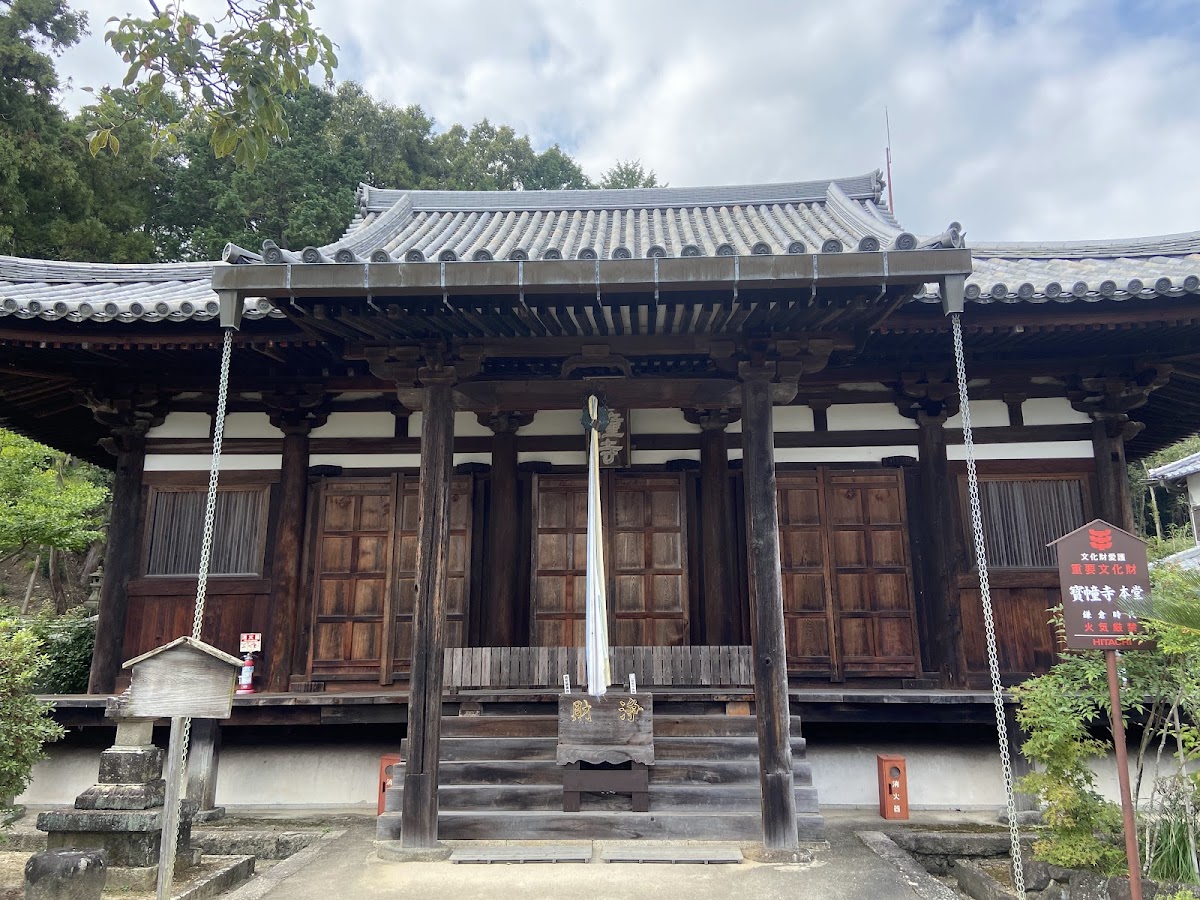
Located in Kodaira-cho, Ikoma City, Nara Prefecture, Hōdōji Temple is a historic temple said to have been founded by the high-ranking priest Gyōki Bodhisattva during the Nara period. Currently belonging to the Yūzū Nenbutsu sect, it attracts many worshippers with Jizō Bodhisattva as its principal deity. The main hall, built in the early Muromachi period, is designated as a National Important Cultural Property and is a representative historical building of Ikoma City, attracting many worshippers and history enthusiasts.
Table of Contents
- Basic Information about Hōdōji Temple
- History of Hōdōji Temple
- About the Principal Image, Jizō Bodhisattva
- The Charm of the Important Cultural Property, Hōdōji Temple’s Main Hall
- Cultural Properties at Hōdōji Temple
- Conversion to the Yūzū Nenbutsu Sect
- Access and Visiting Information
- Nearby Attractions
- Frequently Asked Questions (FAQ)
Basic Information about Hōdōji Temple
Hōdōji Temple is a Buddhist temple located at 271 Kodaira-cho, Ikoma City, Nara Prefecture. Its mountain name is Ryūgosan, and it belongs to the Yūzū Nenbutsu sect. The principal image is a seated statue of Jizō Bodhisattva, affectionately known as “O-Jizō-san” by the local people.
The temple grounds are located in a quiet residential area at the foot of Mt. Ikoma, approximately 1.2 kilometers southwest of Kintetsu Minami-Ikoma Station. The temple grounds are freely accessible, making it a popular stop for visitors during walks and hikes.
Basic Data
- Official Name: Ryugozan Hōdōji Temple
- Sect: Yūzū Nenbutsu Sect
- Principal Image: Seated Jizo Bodhisattva Statue
- Founding: Nara Period (Tradition)
- Founder: Gyōki Bodhisattva (Tradition)
- Location: 271 Kodaira-cho, Ikoma City, Nara Prefecture
- Phone Number: 0743-77-8527
- Cultural Property: Main Hall (Nationally Designated Important Cultural Property)
History of Hōdōji Temple
Regarding the founding date of Hōdōji Temple, detailed records are lacking, and many aspects remain unclear. However, according to temple tradition, it was founded by the high-ranking priest Gyōki Bodhisattva during the Nara period. Gyōki was a figure involved in the construction of the Great Buddha of Tōdai-ji Temple and is known for developing many temples and social projects, mainly in the Kinai region.
First appearance in literature
The oldest documented appearance of the name Hōdō-ji Temple is in the entry for April 16, 1441, in the *Kōfuku-ji Kanmu Chōso* (Official Documents of Kōfuku-ji Temple). This record confirms that Hōdō-ji Temple existed at least during the early Muromachi period. This period overlaps with the time when the existing main hall was built, suggesting that the temple had a certain scale and influence.
From Shingon Buddhism to Yūzū Nembutsu Buddhism
At its founding, Hōdō-ji Temple was a Shingon Buddhist temple. Shingon Buddhism is a sect of esoteric Buddhism founded by Kūkai, Kōbō Daishi, and spread throughout the Kinai region from the Nara period to the Heian period. While Gyōki’s activities predate the establishment of the Shingon sect, it is believed that the temple was later developed as a Shingon temple.
Later, during the Bunsei era (1818-1830) of the late Edo period, Hōdōji Temple was converted to the Yūzū Nembutsu sect. The Yūzū Nembutsu sect is a Pure Land Buddhist sect founded by Ryōnin Shōnin at the end of the Heian period, characterized by the Yūzū Nembutsu philosophy that “one person’s recitation of the Buddha’s name resonates with all.” While it is speculated that this conversion was influenced by the social conditions of the time and changes in local religious practices, the detailed circumstances remain unclear.
Hōdōji Temple in the Modern Era
Despite the impact of the anti-Buddhist movement of the Meiji era, Hōdōji Temple continued to exist as a center of local faith. In 1986, a major repair of the main hall was carried out, restoring it from its original size of 5 bays to 3 bays. This repair allowed for a clearer understanding of the early Muromachi period architectural style, leading to a re-evaluation of its value as a cultural property.
About the Principal Image, Jizo Bodhisattva
The principal image of Hōdōji Temple is a seated statue of Jizo Bodhisattva. Jizo Bodhisattva is worshipped as the Bodhisattva who travels through the six realms (hell, hungry ghosts, animals, asuras, humans, and heaven) to save sentient beings after the death of Shakyamuni Buddha and before the appearance of Maitreya Bodhisattva.
Jizo worship is particularly popular in Japan, and has been intertwined with various forms of folk belief, such as being a guardian deity of children, a roadside deity, and a memorial for stillborn babies. The Jizo Bodhisattva at Hōdōji Temple also enjoys deep devotion from the local people, and there is a constant stream of worshippers visiting to pray for safe childbirth and successful child-rearing.
Inside the main hall, there is a magnificent painting of Shakyamuni Buddha preaching, a work of high value as Buddhist art. This painting depicts Shakyamuni Buddha preaching to his disciples and is one of the traditional themes in Buddhist painting.
The Charm of the Important Cultural Property, Hōdōji Temple’s Main Hall
The Hōdōji Temple’s main hall is a valuable building designated as a National Important Cultural Property. As a precious relic that preserves the architectural style of the early Muromachi period, it holds an important position in architectural history.
Architectural Style of the Main Hall
The structure of the main hall is as follows:
- Length: 5 bays (approximately 9 meters)
- Width: 5 bays (approximately 9 meters)
- Roof Style: Irimoya-zukuri (hip-and-gable roof)
- Front Portion: 1 bay
- Rear: Attached lower roof
- Roofing Material: Traditional tile roofing
- Construction Period: Early Muromachi period (late 14th to early 15th century)
The Irimoya-zukuri is one of the representative roof styles in Japanese architecture, combining a gable roof at the top and a hipped roof at the bottom. It is considered highly prestigious and was frequently used in temple and castle architecture.
Major Restoration in the Showa Era
In the large-scale restoration carried out in 1986 (Showa 61), the main hall, which had been reduced in size to three bays due to later alterations, was restored to its original size of five bays. This restoration allowed for a clearer understanding of the architectural techniques and designs of the early Muromachi period.
During the restoration process, detailed investigations of the building materials were conducted, scientifically clarifying the construction date and the history of renovations. Furthermore, structural reinforcement and roof replacement were carried out, achieving a balance between preservation and utilization as a cultural property.
Features of the Interior Structure
The interior of the main hall is divided into the inner sanctuary and the outer sanctuary. The inner sanctuary is a sacred space where monks perform rituals, and houses the principal image, a seated statue of Jizo Bodhisattva. The outer sanctuary is a space for worshippers to pray, characterized by its spacious wooden floor.
The ceiling, pillars, and beams showcase architectural techniques from the Muromachi period, making it a valuable resource for studying architectural history. In particular, the structure of the structural members connecting the pillars and beams, known as kumimono, speaks to the high level of carpentry skill of the time.
Cultural Properties at Hōdōji Temple
Besides the main hall, Hōdōji Temple preserves several other cultural properties.
Seated Jizo Bodhisattva Statue (Main Image)
The seated statue of Jizo Bodhisattva, the main image, has an unclear date of creation and artist, but its style suggests it is a medieval work. Characterized by its gentle expression and meticulous carving technique, it has been carefully preserved as an object of local faith.
Painting of Shakyamuni Preaching
The painting of Shakyamuni Preaching, located inside the main hall, is a highly valuable work of Buddhist painting. It depicts the scene of Shakyamuni preaching the Lotus Sutra to his disciples on Mount Gridhrakuta, and exhibits excellent technique in color and composition.
Other Buddhist Statues and Artifacts
The main hall also preserves attendant Buddhist statues and artifacts associated with successive chief priests, telling the story of the temple’s long history. These cultural artifacts are usually not open to the public, but may be unveiled during special religious ceremonies.
Conversion to the Yuzu Nembutsu Sect
Hōdōji Temple converted from the Shingon sect to the Yuzu Nembutsu sect during the Bunsei era (1818-1830) of the late Edo period. This period saw the stabilization of the Edo shogunate’s rule while simultaneously a rise in Pure Land Buddhism among the common people.
About the Yuzu Nembutsu Sect
The Yuzu Nembutsu sect was founded in 1117 (Eikyū 5) at the end of the Heian period by Ryōnin Shōnin. The head temple is Dainenbutsu-ji Temple in Hirano Ward, Osaka City, and its fundamental doctrine is the Yuzu Nembutsu philosophy, which states that “one person’s recitation of the Buddha’s name reaches all people, and the recitation of the Buddha’s name by all people returns to one person.”
The teaching that chanting the Buddha’s name leads not only to one’s own salvation but also to the salvation of others resonated with the Japanese mentality, which values mutual assistance, and was widely accepted. During the Edo period, many temples, mainly in the Kinai region, converted to the Yuzu Nembutsu sect, and Hōdō-ji Temple was one of them.
Background of the Conversion
While there are no records specifically detailing the reasons for Hōdōji Temple’s conversion to the Yūzū Nembutsu sect, the following background factors are speculated:
- Changes in Local Beliefs: In the late Edo period, Nembutsu faith spread among the common people, leading to a demand for more accessible teachings.
- Stabilization of Temple Management: Belonging to the Yūzū Nembutsu sect’s organizational structure strengthened the foundation of temple management.
- Personal Belief of the Chief Priest: It is possible that the chief priest at the time was deeply devoted to the teachings of Yūzū Nembutsu.
Even after the conversion, Hōdōji Temple continued to function as a center of local faith, and this continues to this day.
Access and Visiting Information
Information on how to access Hōdōji Temple and visiting information is provided below.
Access by Train
- Nearest Station: Kintetsu Nara Line “Minami-Ikoma Station”
- Distance from Station: Approximately 1.2 kilometers southwest
- Walking Time: Approximately 15-20 minutes
From Minami-Ikoma Station to Hōdōji Temple, the route goes through a residential area and up a gentle slope. There are signs along the way, so even first-time visitors can arrive without getting lost.
Access by Car
- Approximately 10 minutes from Daini-Hanna Expressway “Ichibu IC”
- Approximately 30 minutes from Nishi-Meihan Expressway “Hōryūji IC”
For parking information, please contact the temple directly. Since the surrounding area is residential, please avoid street parking.
Visiting Information
- Visiting Hours: Grounds are freely accessible (the interior of the main hall is usually closed to the public)
- Admission Fee: Free (grounds only)
- Inquiries: 0743-77-8527
If you wish to view the interior of the main hall, we recommend contacting us by phone in advance. During special viewings and religious ceremonies, there may be opportunities to see the interior of the main hall, a designated Important Cultural Property.
Precautions During Visits
- Please observe the grounds quietly.
- Please take photographs only in designated areas.
- Please refrain from touching the buildings to protect cultural properties.
- Please take all your trash with you.
Nearby Attractions
Around Hōdōji Temple, there are numerous spots where you can enjoy the history and nature of Ikoma City.
Mount Ikoma
Mount Ikoma, a symbol of Ikoma City, is a 642-meter-high mountain from which you can enjoy panoramic views of the Osaka Plain and the Nara Basin. Ikoma Mountain Park and hiking trails are also available, making it popular with families.
Ikoma City Digital Museum
This online museum allows you to learn about the history and cultural assets of Ikoma City, and also features detailed information about Hōdōji Temple. It’s perfect for preparing before your visit.
Chikurinji Temple
Similarly said to have been founded by Gyōki Bodhisattva, this temple is one of Ikoma City’s representative ancient temples. Visiting it along with Hōdōji Temple is highly recommended.
Ikoma Mountain Foot Park
This is a large, comprehensive park with athletic facilities, a campsite, and barbecue facilities. It’s perfect for refreshing yourself in nature after visiting Hōdōji Temple.
Annual Events at Hōdōji Temple
As a temple of the Yūzū Nenbutsu sect, Hōdōji Temple holds various Buddhist services and events throughout the year.
Main Annual Events
- Shushōe: January 1st-3rd, a Buddhist service praying for peace in the new year.
- Spring Equinox: A period centered around the spring equinox, a Buddhist service for ancestors.
- Jizo Bon: Late August, a service praying for the healthy growth of children.
- Autumn Equinox: A period centered around the autumn equinox, a Buddhist service for ancestors.
- New Year’s Eve Bell: December 31st, 108 bell ringings to dispel worldly desires.
During these events, the usually quiet temple grounds become bustling with many visitors. Jizo Bon, in particular, is a beloved traditional event where local children gather.
The Charm of Hōdōji Temple and Recommendations for Visiting
The greatest charm of Hōdōji Temple lies in its historical significance dating back to the Nara period and its important cultural property, the main hall, which preserves the architectural style of the early Muromachi period. In the rapidly urbanizing city of Ikoma, the temple grounds maintain a tranquil atmosphere, welcoming visitors as a peaceful space.
Value for History Enthusiasts
As part of a temple pilgrimage tracing the footsteps of Gyoki Bodhisattva, and as a valuable example for studying Muromachi period architecture, it’s a must-see spot for anyone interested in history and architecture.
A Place of Worship for Local Residents
For the local people, Hōdōji Temple is not merely a tourist attraction, but a place of worship deeply rooted in their lives. The fervent devotion to Jizo Bodhisattva continues to this day, and visitors can be seen paying their respects daily.
Part of a Hiking Course
Located along a hiking course at the foot of Mount Ikoma, it’s recommended to visit in conjunction with a nature walk. There’s also a large park nearby, allowing for a full day of leisurely enjoyment.
Summary
Hōdōji Temple (Ikoma City, Nara Prefecture) is a historical temple said to have been founded by the Nara period monk Gyoki. Currently belonging to the Yuzu Nembutsu sect, it enshrines Jizo Bodhisattva as its principal deity and attracts local worshippers.
The main hall, built in the early Muromachi period, is designated as a National Important Cultural Property and was restored to its original form through major repairs in 1986. Its dignified architectural style, a five-bay by five-bay hip-and-gable roof, is a valuable resource for understanding medieval temple architecture.
Despite its convenient access—approximately 15-20 minutes on foot from Kintetsu Minami-Ikoma Station—it is located in a quiet residential area, offering a peaceful atmosphere for worship. The temple grounds are freely accessible, making it easy to stop by during a stroll or hike.
Hōdōji Temple offers a glimpse into the history and culture of Nara Prefecture. When visiting Ikoma City, be sure to pay a visit.
Frequently Asked Questions (FAQ)
Q1: Is there an entrance fee to Hōdōji Temple?
A: Entry to the temple grounds is free. However, the interior of the main hall is usually closed to the public, and a separate fee may be required for special viewings. Please contact the temple directly for details.
Q2: When was the main hall of Hōdōji Temple built?
A: The main hall was built in the early Muromachi period (late 14th to early 15th century). During a major repair in 1986, its size, which had been reduced by later alterations, was restored to its original five-bay configuration.
Q3: How do I access Hōdōji Temple?
A: The nearest station is Minami-Ikoma Station on the Kintetsu Nara Line, about a 15-20 minute walk southwest from the station. By car, it’s about 10 minutes from the Ichibu Interchange on the Daini-Hanna Expressway. Please contact the temple in advance regarding parking.
Q4: Can I get a temple stamp (Goshuin) at Hōdōji Temple?
A: For information regarding the issuance of Goshuin (temple stamps), please contact the temple directly (Tel: 0743-77-8527). Since the head priest may be absent, it is recommended to check in advance.
Q5: What sect does Hōdōji Temple belong to?
A: Currently, it belongs to the Yūzū Nenbutsu sect. Originally a Shingon Buddhist temple, it converted to the Yūzū Nenbutsu sect during the Bunsei era (1818-1830) in the late Edo period.
Q6: What is the principal image of Hōdōji Temple?
A: The principal image is a seated statue of Jizō Bodhisattva. Jizō Bodhisattva is worshipped as the guardian deity of children, and many worshippers visit to pray for safe childbirth and successful child-rearing.
Q7: Are there any annual events at Hōdōji Temple?
A: Yes, various Buddhist services and events are held throughout the year, including the Shusho-e (January), the Spring and Autumn Equinox services, Jizo-bon (August), and the ringing of the temple bells on New Year’s Eve (December). Please contact the temple for detailed dates.
Q8: Are there any other tourist spots around Hōdōji Temple?
A: There are Mount Ikoma, Ikoma Mountain Foot Park, and Chikurinji Temple, among others. Hiking trails are also well-maintained, so we recommend visiting them in conjunction with a nature walk.