Complete Guide to Sekibutsuji Temple (Ikoma City, Nara Prefecture) | History, Cultural Assets, and Access Information
Sekibutsuji Temple, located in Fujio-cho, Ikoma City, Nara Prefecture, is a historic temple dating back to the Kamakura period. Situated along the Kuragoe Nara Road, it has long been a local temple, attracting many worshippers. This article comprehensively introduces information you should know before visiting Sekibutsuji Temple, including its history, valuable cultural assets, access methods, and nearby tourist spots.
About Sekibutsuji Temple
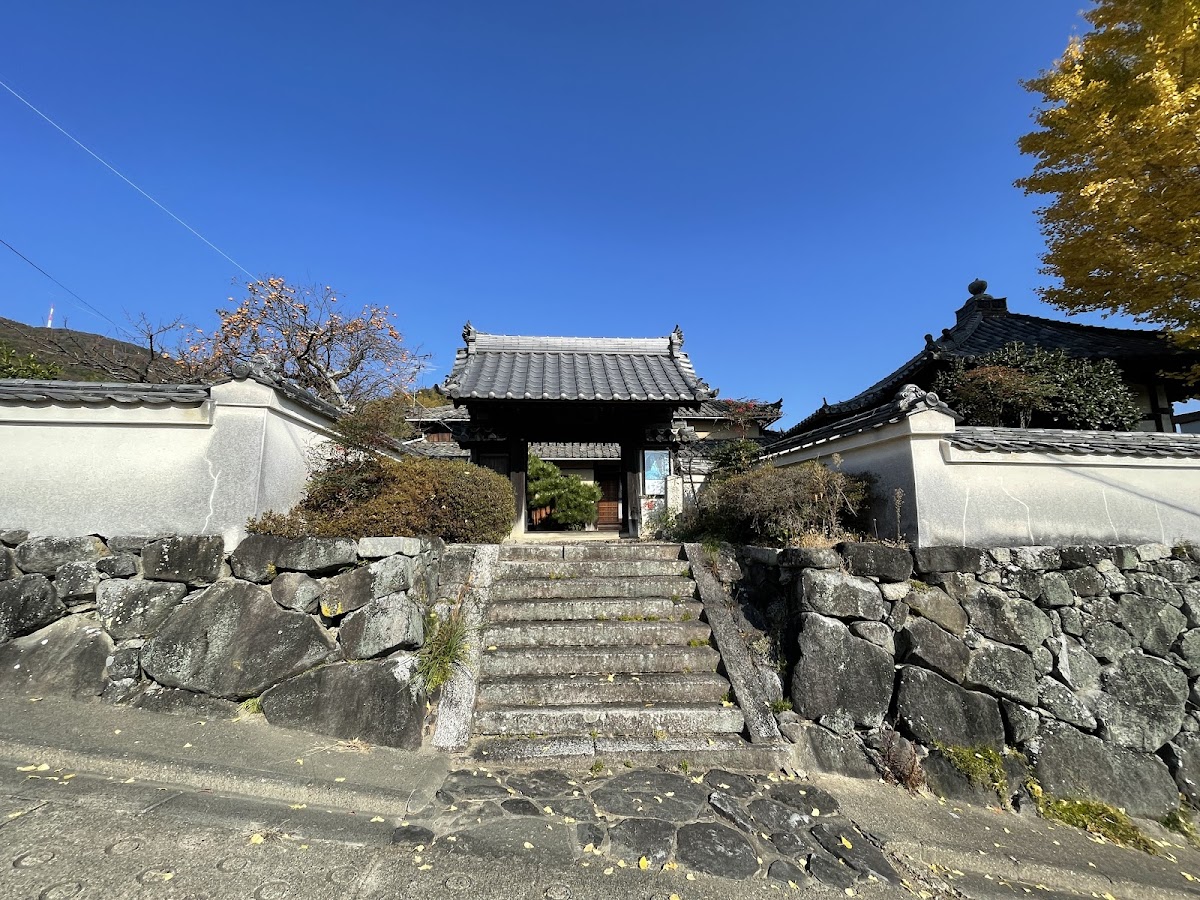
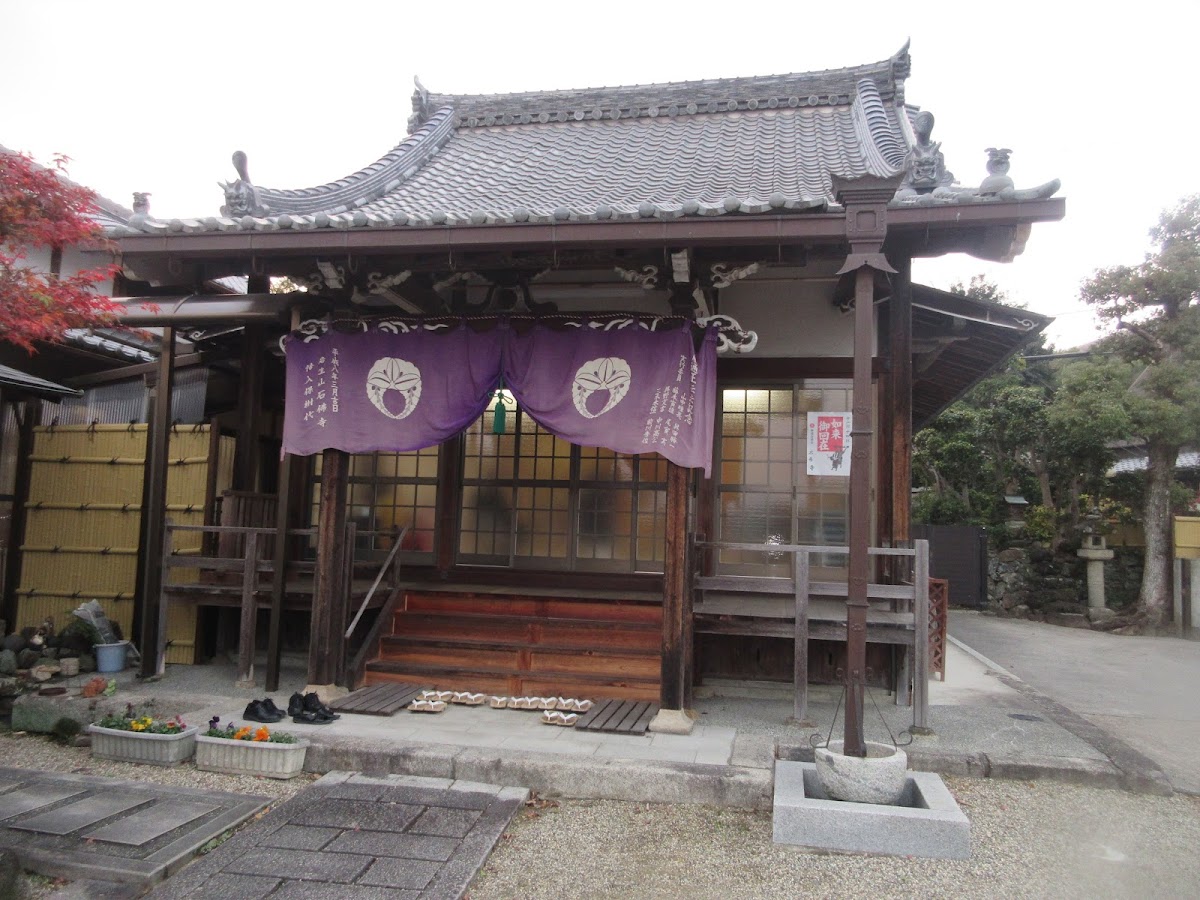
Sekibutsuji Temple belongs to the Yuzu Nembutsu sect and is located at 96 Fujio-cho, Ikoma City, Nara Prefecture. It is located approximately 1.5 kilometers west of Minami-Ikoma Station on the Kintetsu Ikoma Line, and is a tranquil temple nestled in a quiet residential area.
Basic Temple Information
Name: Sekibutsuji Temple
Sect: Yuzu Nembutsu Sect
Principal Image: Seated Amida Buddha Statue
Address: 96 Fujio-cho, Ikoma City, Nara Prefecture 630-0235
Phone Number: 0743-77-8474
While there are no clear records regarding the founding date or detailed history of Sekibutsuji Temple, the inscription on the principal image confirms its existence at least during the late Kamakura period. It has been cherished by the local people as the family temple of Fujio and has a history of attracting faith for generations.
History and Development of Sekibutsuji Temple
The exact founding date of Sekibutsuji Temple is unknown, but existing cultural artifacts indicate that it was already functioning as a temple during the late Kamakura period. Located alongside the historical Kuragoe Nara Road, it is believed to have played an important role as a place of worship for travelers along the road.
Relationship with the Kuragoe Nara Road
The Kuragoe Nara Road, which Ishibutsuji Temple faces, is an important ancient road connecting Osaka and Nara. This road was known as a treacherous route crossing the Ikoma mountain range, and many travelers passed through it. It is presumed that Ishibutsuji Temple also functioned as a place to pray for the safety of these travelers.
It was common at the time for temples to be built along roads, and they were used as places for praying for safe travels and as resting places. Ishibutsuji Temple, too, was a center of faith for the local residents and a spiritual anchor for those traveling along the road.
As the Family Temple of the Fujio Area
For many years, Ishibutsuji Temple has functioned as the family temple of the Fujio area. A family temple is a temple that performs funerals and memorial services for a specific region or family lineage, playing an important role as the spiritual center of the local community.
Even today, its ties with the local people are strong, and various memorial services and events are held throughout the year. In a tranquil setting, visitors can worship at their own pace, enjoying a peaceful time away from the hustle and bustle of the city.
Cultural Assets at Ishibutsuji Temple
The greatest highlight of Ishibutsuji Temple is its collection of precious stone Buddha statues created during the Kamakura period. These cultural assets are important legacies that convey the high level of stone carving technology and the depth of faith of the time.
Principal Image: Amida Triad Stone Buddha
The principal image of Ishibutsuji Temple is a seated, round-carved stone Buddha of the Amida Triad, made of granite. This stone Buddha is carefully protected as a hidden image and is not usually open to the public.
Date of Creation: Einin 2 (1294)
Stone Carver: Inoyuki-uji
Material: Granite
Form: Round-carved seated statue
An inscription on the stone Buddha reveals that it was created in Einin 2 (1294) by the stone carver Inoyuki-uji. Despite being made from the hard stone of granite, the statue exhibits a soft expression and exquisite carving techniques, making it a highly regarded example of excellent stone art from the Kamakura period.
The Amida Triad consists of Amida Buddha in the center, Kannon Bodhisattva on the right, and Seishi Bodhisattva on the left. This depicts the scene in Pure Land Buddhism where Amida Buddha comes from the Pure Land to welcome sentient beings, making it a fitting composition for the principal image of the Yuzu Nembutsu sect.
Standing Amida Buddha Statue
In addition to the principal image, a standing Amida Buddha statue is also enshrined at Ishibutsuji Temple.
Date of Creation: Kagen 4 (1306)
Form: Standing Statue
This standing statue was created in Kagen 4 (1306), 12 years after the creation of the principal image. The standing Amida Buddha represents the figure rising to save sentient beings, offering a dynamic expression of faith that differs from seated statues.
The Value of the Stone Buddha Statues
The stone Buddha statues at Ishibutsuji Temple are recognized as cultural properties for the following reasons:
- Clearness of Production Date: The exact year of production and the name of the stonemason are known through inscriptions.
- Technical Mastery: Exquisite carving achieved using granite, a hard stone material.
- Preservation Condition: Remains in good condition despite being over 700 years old.
- Regional Relevance: Valuable material demonstrating the stone sculpture culture of the Kamakura period in the Ikoma region.
These stone Buddha statues are not merely objects of religious worship, but also important resources for studying the history of medieval stone sculpture and religious beliefs.
Access to Ishibutsuji Temple
Ishibutsuji Temple is located in a residential area of Ikoma City and is accessible by public transport, on foot, or by car.
Access by Train
Nearest Station: Kintetsu Ikoma Line, “Minami-Ikoma Station”
Distance from Station: Approximately 1.5 kilometers west
Walking Time: Approximately 19-20 minutes
The nearest station is Minami-Ikoma Station on the Kintetsu Ikoma Line. From the station, walk west. It’s a quiet route through a residential area, allowing you to enjoy the surrounding scenery.
Access by Car
If visiting by car, the following routes are convenient:
- Approximately 10 minutes from the Nakamachi Interchange on the Daini-Hanna Expressway
- From National Route 168 (Kuragoe Nara Kaido), head towards Fujio-cho
Parking Information: It is recommended to check in advance whether the temple has a dedicated parking lot. Since the surrounding area is residential, please avoid street parking and be considerate of the neighbors.
Map and Surrounding Environment
Ishibutsu-ji Temple is located at 96 Fujio-cho, Ikoma City, Nara Prefecture. The surrounding area is a quiet residential neighborhood, allowing visitors to worship in a peaceful environment. Its historical location along the Kuragoe Nara Road is also one of its attractions.
When visiting, please be mindful of the surrounding area, considering noise and parking to avoid disturbing the neighbors.
Information on visiting Ishibutsuji Temple
Visiting Hours and Hours
Ishibutsuji Temple functions as a family temple, and therefore differs in some ways from typical tourist temples. If you wish to visit, please note the following:
- Visiting Hours: There may not be a set number of specific visiting hours.
- Main Image (Secret Buddha): It is usually not open to the public.
- Advance Contact: If you wish to be sure of visiting, it is recommended to call in advance to confirm.
Visiting Etiquette
When visiting a temple, please observe the following etiquette:
- Be Quiet: As it is located in a residential area, please refrain from loud conversations.
- Photography: Please refrain from taking photographs inside the building or of Buddha statues without permission.
- Dress Code: Please avoid revealing clothing and dress appropriately.
- Smoking and Eating: Please refrain from smoking or eating on the temple grounds.
- Offering: Please offer an appropriate offering when visiting.
Annual Events
As a temple of the Yuzu Nembutsu sect, various religious services are held throughout the year. Please contact the temple directly for information on major events.
Recommended Tourist Spots Around Ishibutsuji Temple
When visiting Ishibutsuji Temple, exploring the surrounding tourist spots will allow you to experience the charm of the Ikoma area more deeply.
Mount Ikoma
Distance: Approximately 3 kilometers east of Ishibutsuji Temple
Features: A mountain with an elevation of 642 meters, offering a spectacular panoramic view of the Osaka Plain from its summit.
Mount Ikoma is located on the border of Nara and Osaka prefectures and has long been known as a mountain of religious significance. The Ikoma Sanjo Amusement Park is located at the summit and is accessible by cable car. Hiking trails are also well-maintained, allowing you to enjoy nature while visiting historical stone Buddha statues and temples.
Pilgrimage to the Stone Buddha Statues of Ikoma
Numerous stone Buddha statues are scattered throughout the Ikoma mountain range, making the “Pilgrimage to the Stone Buddha Statues of Ikoma” a popular hiking course. Ishibutsuji Temple is also part of this stone Buddha cultural sphere, and the following stone Buddha spots are located in the surrounding area:
- Senkoji Temple: A temple associated with En no Gyoja
- Hozanji Temple: A center of faith known as Ikoma Shoten
- Stone Buddhas of Kuragari Pass: Stone Buddhas scattered along the Kuragari Nara Road
Visiting these sites will allow you to gain a deeper understanding of the stone Buddha culture of the Ikoma region.
Walking the Kuragari Nara Road
The Kuragari Nara Road, which Ishibutsuji Temple faces, is an ancient road full of historical romance. Along the road, you will find townscapes that retain the atmosphere of the Edo period, as well as signposts and stone Buddhas.
Highlights:
- Kuragari Pass: A pass known for having the steepest gradient among national highways
- Old Townscapes: Houses that retain the atmosphere of the Edo period
- Signposts and Stone Buddhas: Remains that tell the history of the road
Walking along the road is a valuable experience that allows you to feel what it was like for travelers of that time.
Ikoma City Digital Museum
While not an actual facility, the digital museum operated by Ikoma City allows you to view detailed information on cultural properties and historical buildings in the city, including Ishibutsuji Temple. It can be used for information gathering before your visit or for further learning after your visit.
Nearby Hot Spring Facilities
The Ikoma area also has day-trip hot spring facilities, which are recommended for a visit after Ishibutsuji Temple:
- Ikoma Mountain Foot Park Fureai Center: A hot spring facility surrounded by nature
- Super Sento: There are several hot spring facilities in the city where you can relax and unwind.
Gourmet Spots
Ikoma City has many restaurants using local ingredients, as well as long-established, historic establishments. Enjoying local cuisine before or after your visit is a highlight of your trip.
Ikoma City’s Temple Culture and the Position of Ishibutsuji Temple
Ikoma City has many temples, each with its own unique history and culture. Among them, Ishibutsuji Temple is positioned as an important temple that conveys the stone carving culture of the Kamakura period to the present day.
Stone Sculpture Culture of Ikoma
The Ikoma region has long been known as a source of stone, and a rich stone sculpture culture has flourished there. Because of the availability of high-quality stone materials such as granite, numerous stone sculptures, including Buddhist statues and pagodas, were created.
The Amida Triad stone Buddha at Ishibutsuji Temple is a prime example of the region’s stone sculpture culture, a valuable legacy demonstrating the high skill of stonemason Igyo.
As a Temple of the Yuzu Nembutsu Sect
The Yuzu Nembutsu sect was founded by Ryōnin Shōnin at the end of the Heian period and is characterized by its unique practice of Nembutsu called “Yuzu Nembutsu.” At its core is the spirit of mutual assistance, where one Nembutsu reaches all, and the Nembutsu of all reaches one.
Ishibutsuji Temple has upheld the teachings of the Yuzu Nembutsu sect and functioned as a place of worship for the local people. Its teachings, centered on Amida worship, have been a source of spiritual support for ordinary people yearning for rebirth in paradise.
Key Points for Visiting Ishibutsuji Temple
Here’s a summary of key points to keep in mind when visiting Ishibutsuji Temple.
Best Time to Visit
While Ishibutsuji Temple is open year-round, the following times are especially recommended:
Spring (March-May):
- Mild weather, perfect for strolling
- Beautiful cherry blossoms and fresh greenery in the surrounding area
Autumn (October-November):
- Beautiful autumn foliage, ideal season for walking along the old roads
- Pleasant temperatures, making walking access comfortable
Winter (December-February):
- Fewer visitors, allowing for peaceful worship
- Clear air and beautiful scenery
Due to the intense heat of summer, early morning or evening visits are recommended.
Estimated Time Required
- Visiting Ishibutsuji Temple Only: 30 minutes to 1 hour
- Including a Stroll Through the Surrounding Area: 2 to 3 hours
- Hiking the Kuragoe Nara Road: Half a day to a full day
Checklist of Items to Bring
- Camera: For photographing the exterior and surrounding scenery (please check beforehand if you wish to photograph the interior)
- Comfortable Walking Shoes: Essential if accessing on foot from the station
- Drinks: Especially in summer, to prevent heatstroke
- Map App: To avoid getting lost in a residential area
- Rain Gear: Umbrella or raincoat during periods of unpredictable weather
Regarding Photography
Photographing the exterior of the temple grounds and surrounding scenery is generally acceptable, but please note the following:
- Permission is required to photograph the interior of the main hall or the Buddha statues
- Please be considerate of the privacy of other visitors
- It is advisable to check beforehand if you wish to use a tripod
- Please post on social media with moderation
Frequently Asked Questions about Ishibutsuji Temple
Q1: Can I view the main image of Ishibutsuji Temple?
A: The main image, the Amida Triad stone Buddha, is enshrined as a hidden image and is not usually open to the public. It may be displayed on special occasions, but please contact the temple directly for details.
Q2: Is there an entrance fee?
A: Ishibutsuji Temple functions as a family temple, so there is usually no set entrance fee. It is considered polite to offer an appropriate donation when visiting.
Q3: Is there parking?
A: We recommend checking with the temple in advance regarding the availability of a dedicated parking lot. Since the surrounding area is residential, please avoid street parking and consider using public transportation.
Q4: Can I get a Goshuin (temple stamp)?
A: Goshuin availability varies by temple. If you wish to receive one, we recommend calling ahead to confirm.
Q5: When was Ishibutsuji Temple founded?
A: The exact founding date is unknown, but inscriptions on the main image confirm its existence at least by 1294 (Einin 2). The actual founding is presumed to have been earlier.
Q6: Are there places to eat nearby?
A: Since the area around Ishibutsuji Temple is residential, restaurants are limited. If you plan to eat, we recommend planning your meals around Minami-Ikoma Station or in the center of Ikoma City.
Q7: Is it barrier-free?
A: Due to its age, barrier-free facilities may be limited. If you plan to visit in a wheelchair, we recommend checking with the temple in advance.
Summary: The Charm of Ishibutsuji Temple
Located in Fujio-cho, Ikoma City, Nara Prefecture, Ishibutsuji Temple is a historic temple that preserves valuable stone Buddha statues from the Kamakura period. Unlike flashy tourist temples, its quiet continuation of faith as a community-based temple offers a glimpse into the essence of Japanese temple culture.
The Amida Triad stone Buddha statues, carved from granite and seated in the round, are a precious cultural asset that conveys the exceptional skill of stonemason Igyo and the deep faith of the people of that time. These stone Buddhas, which remain in excellent condition even after more than 700 years, can be considered an important legacy that exemplifies the essence of Ikoma’s stone sculpture culture.
The temple’s location along the historical Kuragoe Nara Road is another of its charms. Visiting the temple while walking along the ancient path allows you to relive the feelings of peace and faith that travelers of the past may have felt.
Located in a quiet residential area, it offers a peaceful environment for worship, far removed from the hustle and bustle of the city. In a space where the rich nature of the Ikoma mountain range and a place of worship rooted in the community harmonize, you can have time to quietly reflect on yourself.
A visit to Ishibutsuji Temple is not merely sightseeing; it is a valuable opportunity to experience Japanese temple culture, stone sculpture, and local history. When visiting the Ikoma area, be sure to stop by.