Goshinji Temple (Uda City, Nara Prefecture) Complete Guide | An Ancient Temple Featuring a Hakuhō Period Buddhist Statue and a 200-Year-Old Weeping Cherry Tree
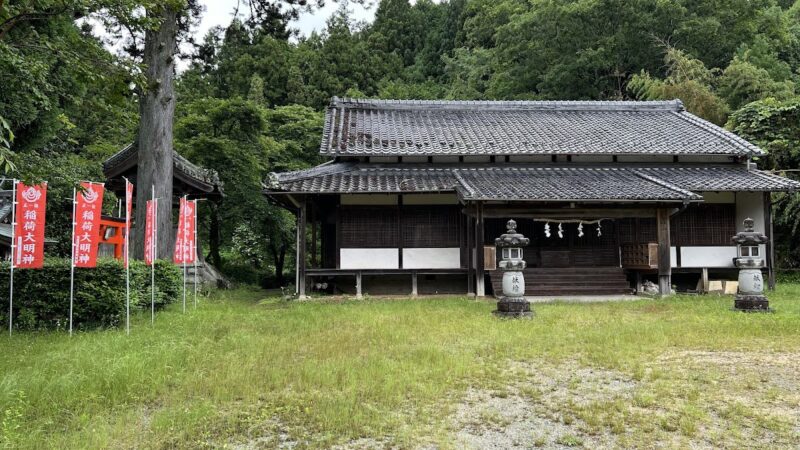
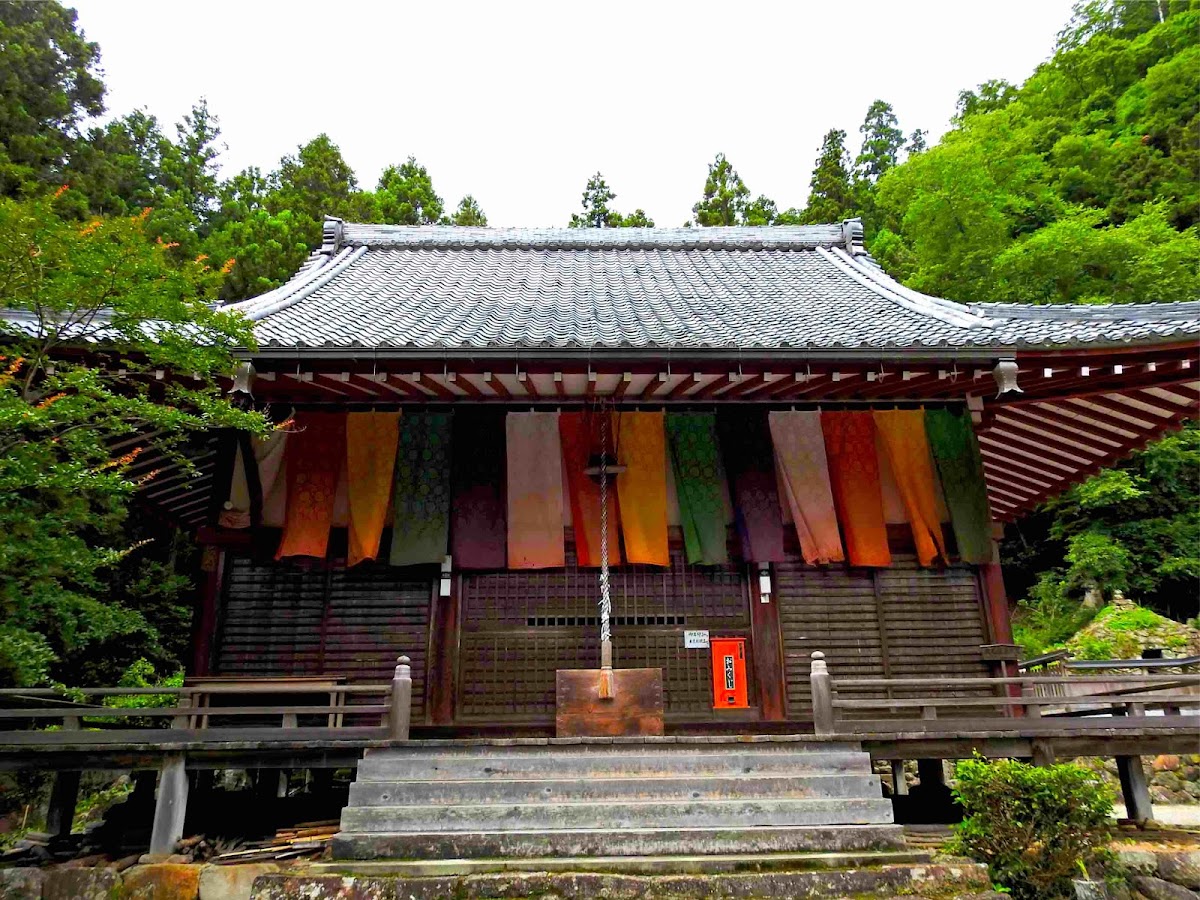
Goshinji Temple, located in Jimei, Haibara-ku, Uda City, Nara Prefecture, is a Sōtō Zen Buddhist temple founded during the Muromachi period. It houses a bronze standing statue of the infant Shakyamuni Buddha from the Hakuhō period, designated as a National Important Cultural Property, and is known for its magnificent weeping cherry tree, over 200 years old, that adorns the temple grounds in spring. Nestled in the mountains overlooking the Ise Honkaidō road, this ancient temple is a precious place where you can experience the beauty of history and nature in a tranquil atmosphere.
History and Origins of Goshinji Temple
Circumstances and Time of Founding
There are several theories regarding the founding of Goshinji Temple. One theory suggests it was founded in Eikyo 8 (1436), while another theory places its founding in Chōroku 4 (1461) or Kanshō 1 (1461). In any case, it is certain that the temple was established in the mid-Muromachi period.
Founded as a Sōtō Zen temple, Goshinji Temple has served as a center of Zen Buddhist culture in the Uda region, attracting the faith of the local people. Its location deep in the mountains suggests it also played an important role as a place of ascetic training.
Characteristics of the Principal Image and Temple
The principal image of Goshinji Temple is the Holy Kannon Bodhisattva. Kannon Bodhisattva is widely worshipped as a symbol of compassion and is revered as a Buddha who relieves people’s suffering. The fact that a Sōtō Zen temple has Kannon Bodhisattva as its principal image is thought to reflect the local religious practices and the historical background of the temple.
The temple is located in the mountainous area of Uda City, on a hill overlooking the Ise Honkaido road and the Uchimaki River, suggesting it was an important place of worship for people traveling along the old highway.
National Important Cultural Property: Bronze Standing Statue of the Infant Buddha
A Precious Buddhist Statue from the Hakuhō Period
The bronze standing statue of the infant Buddha, owned by Goshinji Temple, is an extremely valuable Buddhist statue believed to have been created during the Hakuhō period in the 7th century. This statue is designated as a National Important Cultural Property and occupies an important position in the history of Japanese Buddhist art.
The Infant Buddha is a statue depicting the appearance of Shakyamuni at the time of his birth, characterized by its unique posture with the right hand pointing to the heavens and the left hand pointing to the earth. This represents the legend that Shakyamuni took seven steps immediately after birth and proclaimed, “In heaven and on earth, I alone am the honored one.”
Artistic Value of the Hakuhō Period
The Hakuhō period (late 7th to early 8th century) is a time between the Asuka and Nara periods, and a period of significant development in Japanese Buddhist art. Buddhist statues from this period are characterized by their gentle and elegant expression, and the Infant Shakyamuni Buddha at Goshinji Temple exhibits this characteristic.
The bronze casting technique is also noteworthy. It demonstrates the advanced casting technology of the time, and its preservation after more than 1300 years speaks to the high quality of the statue and the efforts of those who have protected and passed it down through generations.
Current Storage Status
Currently, this bronze Infant Shakyamuni Buddha statue is on deposit at the Nara National Museum and is stored in an appropriate environment. Storage at the museum ensures that temperature and humidity are controlled, and care is taken to ensure that this valuable cultural artifact is safely passed down to future generations.
The Nara National Museum sometimes displays the statue during special exhibitions, so those wishing to view the actual statue are advised to check the museum’s exhibition information. Detailed exhibition schedules are available on the museum’s official website.
200-Year-Old Weeping Cherry Tree: A Spring Highlight
The Charm of the Ancient Cherry Tree Adorning the Temple Grounds
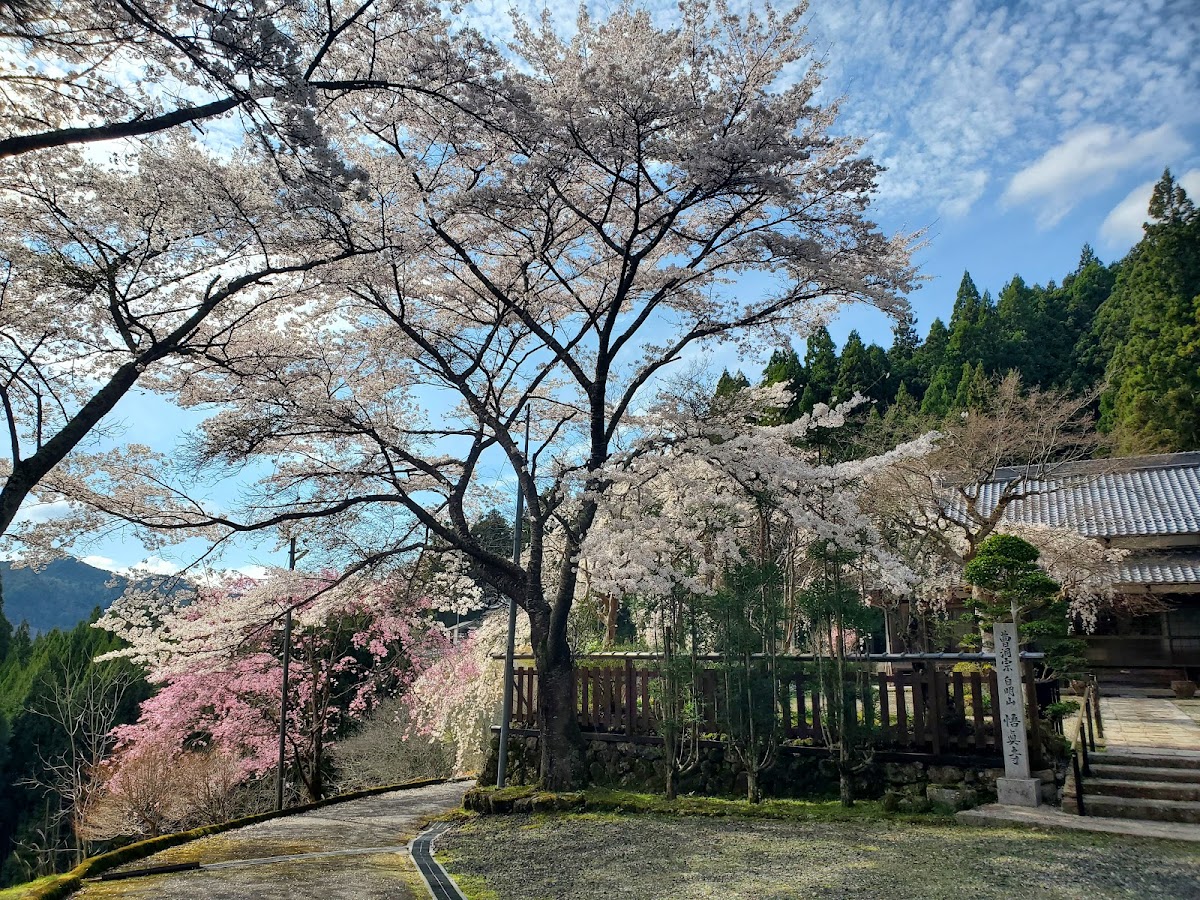
The greatest spring highlight at Goshinji Temple is the approximately 200-year-old weeping cherry tree blooming within the temple grounds. This ancient tree, having stood the test of time, boasts a magnificent trunk and spreading branches, painting the entire temple grounds in a soft pink hue when in full bloom.
Located deep in the mountains, the weeping cherry tree at Goshinji Temple harmonizes with the surrounding natural environment, creating a unique atmosphere. The cherry blossoms, blooming overlooking the Ise Honkaido road and the Uchimaki River, present a fantastical beauty, like clouds floating in the mountains.
Best Time to See the Cherry Blossoms and Points for Viewing
The best time to see the weeping cherry tree at Goshinji Temple is typically from late March to early April. Due to the altitude and climate conditions of Uda City, the blooming tends to be slightly later than in the plains. Since the blooming period varies from year to year, we recommend checking the latest blooming information before your visit.
The venerable beauty of these ancient trees is evident not only when they are in full bloom, but also at the beginning of their blossoms and as they begin to fall. The cherry blossoms viewed in the early morning or twilight light create a particularly mystical atmosphere.
A Cherry Blossom Viewing Experience in a Tranquil Environment
Goshinji Temple has not been extensively developed as a tourist destination, making it a major attraction for cherry blossom viewing in a peaceful environment. You can slowly appreciate the beauty of the ancient cherry trees in the temple grounds, far from the hustle and bustle.
From the temple grounds, you can also enjoy views of the surrounding mountains and roads, creating a beautiful scene where the cherry blossoms and natural landscape blend together. It’s also an ideal environment for photography, attracting many photography enthusiasts.
How to Access Goshinji Temple
Basic Information
Location: 225 Jimei, Haibara-ku, Uda City, Nara Prefecture
Sect: Soto Zen
Phone Number: 0745-82-1125
Access by Public Transportation
The nearest station to Goshinji Temple is Haibara Station on the Kintetsu Osaka Line. Goshinji Temple is approximately 5 kilometers from Haibara Station, taking about 1 hour on foot.
If using public transportation, taking a taxi from Haibara Station is convenient. The journey takes about 10 minutes. Bus services are limited, so it is recommended to check the timetable in advance.
Other stations on the Kintetsu Osaka Line, such as Muroguchi-Ono Station and Hase-dera Station, are also relatively close, but access from Haibara Station is the most common.
Access by Car
Access by car is the most convenient. It takes approximately 30 minutes from the Hari Interchange on the Meihan Expressway via National Route 369, or about 40 minutes from the Ogura Interchange.
Since it is located in a mountainous area along the Ise Honkaido Road, it is recommended to enter the address or phone number when using a car navigation system. The road includes mountainous sections, so extra caution is needed when driving, especially in winter or bad weather.
Parking and Visiting Precautions
There is parking space for visitors on the temple grounds, but during peak seasons such as cherry blossom season, it is recommended to visit early. Parking space is limited, so please use it with consideration for others.
As the temple is located in a mountainous area, it is recommended to wear comfortable walking shoes when visiting. Insect repellent is also recommended depending on the season.
Nearby Tourist Attractions
Historical Sites in Uda City
When visiting Goshinji Temple, you can also visit other tourist attractions in Uda City. Uda City has long been known as a production area for medicinal herbs and retains historical townscapes.
The Uda Matsuyama district is designated as an Important Preservation District for Groups of Traditional Buildings, offering a beautiful landscape of townhouses dating from the Edo to Meiji periods. It’s approximately a 15-minute drive from Goshinji Temple.
Muro-ji Temple is an ancient temple known as “Women’s Koya,” famous for its National Treasure five-story pagoda and beautiful natural surroundings. It’s approximately a 20-minute drive from Goshinji Temple, making it a convenient place to visit in conjunction with it.
History of the Ise Honkaido Road
The Ise Honkaido Road, where Goshinji Temple is located, is a historic road that once served as a pilgrimage route to Ise Grand Shrine, traversed by many people. Even today, remnants of the past can be found along the road, allowing visitors to enjoy a historical stroll.
Signposts and stone Buddha statues remain along the road, allowing visitors to imagine the faith of travelers of yesteryear. Goshinji Temple is also believed to have been one of the temples that attracted the faith of these travelers.
Nature and Seasons of Uda City
Uda City is blessed with abundant nature, offering beautiful scenery throughout the four seasons. From cherry blossoms in spring, fresh greenery in early summer, autumn leaves, and snowy landscapes in winter, each season presents a different face.
Especially in spring, not only the weeping cherry tree at Goshinji Temple, but cherry blossoms bloom throughout the city. Uda City is also known for the “Matabei Cherry Tree,” a famous cherry tree over 300 years old, attracting many tourists as a cherry blossom viewing spot.
Manners and Enjoyment of Visiting a Temple
Basic Manners for Temple Visits
When visiting Goshinji Temple, please observe basic temple visit manners. It is important to bow before entering the temple grounds and to pray quietly.
Photography is generally permitted, but there may be restrictions on photographing inside the main hall or of Buddha statues. Please check with temple staff if you have any questions. It is also important to be considerate of other visitors.
Taking Your Trash Home and Environmental Protection
As this temple is located in a mountainous area, environmental protection is especially important. Please be sure to take your trash home with you and avoid polluting the natural environment.
During cherry blossom season, the number of visitors enjoying the blossoms increases, but please be careful not to break branches or trample on the roots. Individual consideration is essential to preserve these 200-year-old ancient trees for future generations.
Healing the Mind in a Tranquil Environment
One of the greatest charms of Goshinji Temple is its tranquil environment. You can escape the hustle and bustle of everyday life and find peace of mind in the quiet temple grounds nestled in the mountains.
While strolling through the grounds, you can listen to the birdsong and the sound of the wind, spending time at one with nature. In the simple and pure atmosphere unique to a Zen temple, you can find healing and peace of mind.
Goshinji Temple’s Annual Events and Best Time to Visit
Spring Cherry Blossom Season (Late March to Early April)
The most popular time to visit is during the spring season when the weeping cherry trees are in full bloom. The breathtaking beauty of the 200-year-old ancient cherry trees is well worth seeing.
Since the weather can change quickly during this time, check the weather forecast before visiting and choose a sunny day to enjoy the cherry blossoms to the fullest. The cherry blossoms are especially beautiful when viewed in the morning and evening light, making it ideal for photography.
Season of Fresh Greenery (May to June)
After the cherry blossom season, the temple grounds are enveloped in vibrant fresh greenery. During this time, there are fewer visitors, allowing for a peaceful and tranquil visit.
The surrounding mountains are also covered in fresh greenery, allowing you to enjoy a refreshing forest bath in the crisp air. The pleasant early summer weather makes it an ideal season for strolling.
Autumn Foliage Season (November)
In autumn, the temple grounds and surrounding mountains are adorned with colorful autumn leaves. While not as famous as its spring cherry blossoms, this is a hidden gem where you can enjoy the autumn foliage in a tranquil setting.
The entire city of Uda is known for its beautiful autumn leaves, and it’s recommended to visit Goshinji Temple along with other autumn foliage spots in the surrounding area.
Winter Silence (December-February)
Winter is the time with the fewest visitors, but the beauty of the snow-covered temple grounds is exceptional. The temple, enveloped in silence during winter, offers an ideal environment to experience the spirit of Zen.
While it’s important to dress warmly and be careful of icy roads, you can enjoy a solemn atmosphere unique to winter.
Practical Information for Visiting Goshinji Temple
Visiting Hours and Admission Fee
Goshinji Temple is generally open for free visits during the daytime. However, it may be closed on certain days due to temple circumstances, so it’s recommended to call ahead to confirm if you want to visit.
Regarding admission fees, it’s usually free, but a donation may be required for special events or interior viewings. It’s best to check the detailed conditions before visiting.
Clothing and Items to Bring
As the temple is located in a mountainous area, appropriate clothing for the season is important. In spring and autumn, there are significant temperature differences between morning and evening, so we recommend bringing a jacket. In summer, insect repellent and a hat are necessary, and in winter, warm clothing is required.
Comfortable walking shoes are essential. Since some parts of the temple grounds are unpaved, sneakers or trekking shoes are suitable. Bringing a camera or binoculars will also enhance your visit.
Accessibility Information
Due to the temple’s location in a mountainous area, accessibility features are limited. If you wish to visit in a wheelchair, we recommend contacting the temple in advance to confirm the conditions.
There are steps and slopes within the temple grounds, so those with mobility issues are advised to visit with an accompanying person.
The Cultural Value and Preservation Activities of Goshinji Temple
Protection of Local Cultural Properties
Goshinji Temple not only houses the bronze standing statue of the infant Buddha, a nationally designated Important Cultural Property, but also serves as an important institution that conveys the history and culture of the region as a temple that has existed since the Muromachi period. Currently, the Buddhist statues are on deposit at the Nara National Museum. This is a measure to ensure a suitable preservation environment and to guarantee that these valuable cultural assets will be passed on to future generations. Through the museum’s professional management, the Buddhist statues, with their history of over 1300 years, will be preserved for the future.
Connection with the Local Community
Goshinji Temple is a place of worship for the local people, and at the same time, it symbolizes the history and culture of the region. The 200-year-old weeping cherry tree has also been carefully protected as a local treasure.
During the cherry blossom season in spring, it becomes a place for interaction between local residents and visitors, contributing to the inheritance and revitalization of local culture. This connection with the community forms the foundation supporting the preservation of the temple and its cultural assets.
Summary: Experiencing the Charm of Goshinji Temple
Goshinji Temple in Uda City, Nara Prefecture, is a special place where the charm of history and nature merges, with its precious Buddhist statues from the Hakuhō period and its 200-year-old weeping cherry tree. Nestled in the mountains overlooking the Ise Honkaido road, the tranquil grounds of Goshinji Temple offer a peaceful retreat from the hustle and bustle of everyday life, providing a solace for the soul.
The bronze standing statue of the infant Buddha, a nationally important cultural property, is currently carefully preserved at the Nara National Museum, but its presence speaks volumes about the historical value of Goshinji Temple. In spring, magnificent weeping cherry blossoms adorn the temple grounds, captivating many visitors.
When visiting Uda City, be sure to visit Goshinji Temple and experience its history and natural beauty. A visit in this peaceful environment will bring deep peace to your heart. While access by car is convenient, if using public transportation, it is recommended to check the conditions in advance and plan your visit accordingly.
Goshinji Temple, which displays different expressions in each season, is a fascinating temple where you can discover something new with every visit. As a hidden gem of Nara, it is a place that many people should visit.