Butsuryu-ji Temple (Buddhist Temple) Nara Prefecture Complete Guide | The Charm of a Thousand-Year-Old Cherry Tree and a Historic Ancient Temple
Butsuryu-ji Temple (Buddhist Temple), located in Akahani, Haibara, Uda City, Nara Prefecture, is an ancient temple of the Shingon sect, Murō-ji school, founded by Ken’e, a senior disciple of Kūkai, Kōbō Daishi. With Mount Mani as its mountain name, and enshrining an eleven-faced Kannon as its principal image, this temple is known as a fascinating tourist spot where the beauty of the four seasons and a deep history intertwine, featuring a thousand-year-old cherry tree (over 900 years old), a stone chamber designated as a National Important Cultural Property, and white spider lilies.
This article comprehensively introduces information you should know before visiting Butsuryu-ji Temple, including its history, highlights, access methods, and surrounding tourist spots.
History and Origin of Butsuryu-ji Temple
Founding and the Footsteps of Ken’e
Butsuryu-ji Temple is said to have been founded in 850 AD (Kashō 3). The founder was Kenne, known as a leading disciple of Kobo Daishi Kukai. Kenne was an excellent monk who received direct instruction from Kukai, and he established this temple in this location to spread the teachings of Shingon Esoteric Buddhism.
Located at the southwestern foot of Mount Mani-san Komyo-ga-take, this temple is approximately 4 kilometers southwest of Muro-ji Temple and is also known as the “South Gate of Muro-ji Temple.” This geographical relationship indicates the close relationship between the two temples and suggests that it functioned as an important center of the Shingon sect.
Kenne’s Burial Place and Stone Chamber
One of the most important cultural properties of Butsuryu-ji Temple is the stone chamber located behind the main hall. This stone chamber is designated as a National Important Cultural Property and was built in the Hogyo-zukuri architectural style of the early Heian period. A five-tiered pagoda stands inside the stone chamber, which is believed to be Kenne’s tomb.
This stone chamber, an extremely valuable example of early Heian period stone architecture, is an important historical site that conveys the architectural techniques and the depth of faith of the time. The stone chamber with its pyramidal roof has protected the five-tiered pagoda from wind and rain, preserving its form even after more than 1000 years.
Highlights of Butsuryu-ji Temple
The 900-Year-Old Thousand-Year-Old Cherry Tree (Edo Higan Cherry)
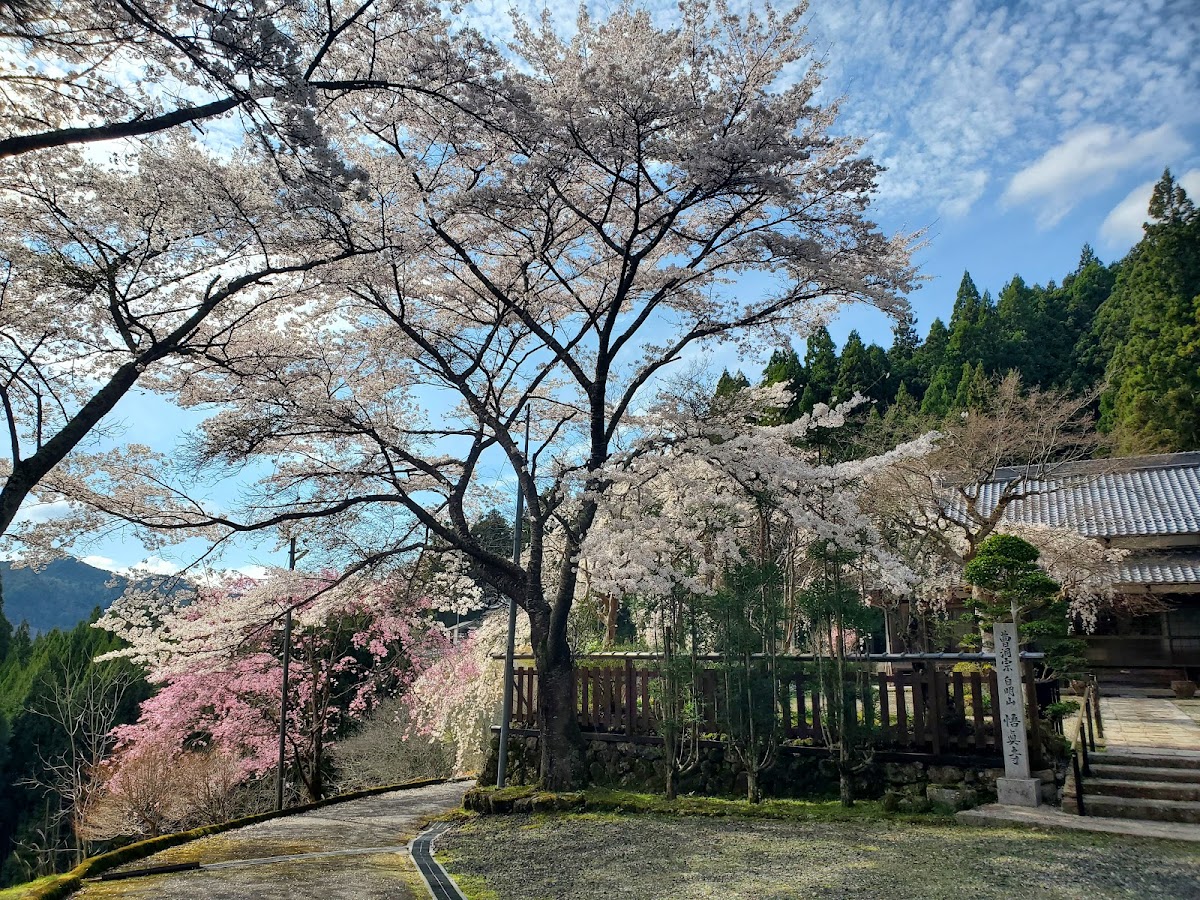
One of the biggest reasons to visit Butsuryu-ji Temple is the approximately 900-year-old Edo Higan cherry tree standing along the stone steps of the approach to the temple. This cherry tree is affectionately known as the “Thousand-Year-Old Cherry Tree” and is designated as a natural monument of Nara Prefecture.
In spring, this ancient tree, which blooms magnificently beside the long stone steps, continues to captivate visitors. It is also illuminated at night, allowing visitors to enjoy the magical sight of the cherry blossoms after dark. The tree is approximately 13 meters tall and has a trunk circumference of about 8 meters, and its overwhelming presence is well worth seeing.
The best time to see the cherry blossoms is usually from early to mid-April, and many tourists and photography enthusiasts visit during this period. The sight of cherry blossoms gazing up as you climb the stone steps is truly breathtaking.
Stone Steps of the Approach and the Three Famous Steps of Yamato
The stone steps leading to Butsuryu-ji Temple are considered one of the “Three Famous Steps of Yamato.” The Three Famous Steps of Yamato refer to three particularly beautiful stone steps within Nara Prefecture, and the steps of Butsuryu-ji Temple have long been known as one of them.
The steps number approximately 200, and different flowers of each season adorn both sides. In spring, the thousand-year-old cherry blossoms bloom, and in autumn, the spider lilies bloom, welcoming visitors climbing the steps. The experience of climbing these steps step by step is itself a highlight of visiting Butsuryu-ji Temple.
Clusters of White Spider Lilies
Another famous feature of Butsuryu-ji Temple is the white spider lilies that bloom during the autumn equinox. The white spider lilies blooming on both sides of the approach to the temple possess a pure beauty that differs from the more common red spider lilies.
Previously, the spider lilies were almost completely wiped out by damage from deer and wild boars, but thanks to the dedicated efforts of local volunteers who planted bulbs, they have now made a remarkable recovery. Every year from mid to late September, the sight of the white flowers adorning the stone steps deeply moves visitors.
Thirteen-Storied Stone Pagoda and Cultural Assets on the Temple Grounds
Within the temple grounds, there are many valuable stone structures, including a thirteen-storied stone pagoda. These stone pagodas and stone Buddhas have been carefully preserved as objects of worship throughout a long history, enhancing the religious and cultural value of Butsuryu-ji Temple.
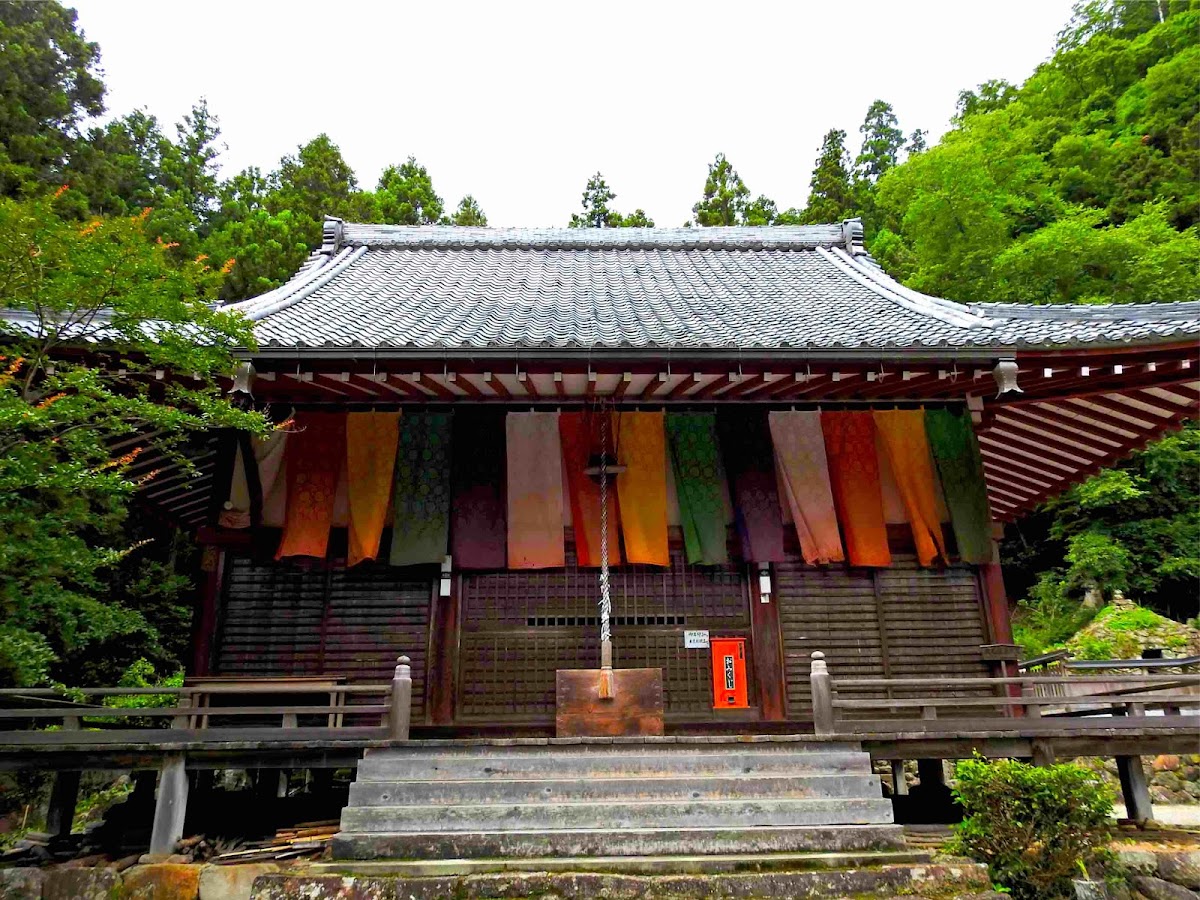
The main hall was rebuilt during the Edo period, and houses the principal image, an eleven-faced Kannon. Nestled in a quiet mountain valley, the main hall provides a space of peace and tranquility to visitors.
Basic Information about Butsuryu-ji Temple
Location and Contact Information
- Address: 1684 Akahani, Haibara, Uda City, Nara Prefecture 633-0421
- Phone: 0745-82-3900 (Uda City Tourism Association)
- Sect: Shingon-shu Muroji-ha
- Mountain Name: Mani-san
- Principal Image: Eleven-faced Kannon
Visiting Hours and Fees
- Visiting Hours: 9:00 AM – 4:30 PM (may vary depending on the season)
- Admission Fee: Adults 200 yen, Children 100 yen
- Parking: Free parking available (approx. 20 spaces)
- Closed Days: None in particular (caution advised during severe weather)
Access Methods
Access by Public Transportation
Using the Kintetsu Osaka Line:
- Get off at Kintetsu Haibara Station.
- Take the Nara Kotsu bus bound for “Soni Village Office” from platform 2 at the South Exit (approximately 10 minutes).
- Get off at the “Takai” bus stop.
- Walk approximately 30 minutes (approximately 2 km) from the bus stop.
*Since the number of buses is limited, we recommend checking the timetable in advance.
*Since there is an uphill slope from the Takai bus stop to Butsuryu-ji Temple, we recommend wearing comfortable shoes.
Access by Car
Using the Meihan Expressway:
- Approximately 30 minutes from the Meihan Expressway “Fukuzumi IC”
- Via National Route 165 and prefectural roads to the site
From Osaka:
- Approximately 50 minutes from the Nishimeihan Expressway “Koriyama IC” via National Route 24 and National Route 165
From Kyoto:
- Approximately 60 minutes from the Keina-Wa Expressway “Kizu IC” via National Route 24 and National Route 165
When setting your car navigation system, it is convenient to search for “Butsuryu-ji Temple” or its phone number. Parking is free, but congestion is expected during the cherry blossom season, so early arrival is recommended.
Relationship with Murō-ji Temple
Butsuryu-ji Temple has a deep relationship with Murō-ji Temple, as it is sometimes called the “South Gate of Murō-ji Temple.” Murō-ji Temple is the head temple of the Shingon sect Murō-ji branch, known as “Women’s Kōya,” and is located approximately 4 kilometers northeast of Butsuryu-ji Temple. Both temples belong to the same Shingon sect, Murōji branch, and have a close historical relationship. When visiting Murōji Temple, we highly recommend extending your visit to Butsuryūji Temple as well, to fully appreciate the charms of both temples. Murōji Temple boasts numerous attractions, including its national treasure five-story pagoda and main hall, and can be visited in a single day along with Butsuryūji Temple.
Recommended Tourist Spots Around Butsuryūji Temple
Murōji Temple
As mentioned above, it is the head temple of the Shingon sect, Murōji branch, located about 4km from Butsuryūji Temple. Its national treasure five-story pagoda is known as the smallest outdoor five-story pagoda in Japan, and it is a famous temple known for its beautiful rhododendrons in spring and autumn foliage. It has a history of welcoming female worshippers, earning it the nickname “Women’s Kōya,” and attracts many visitors.
Soni Plateau
A plateau at an altitude of approximately 700 meters, located about 20 minutes by car from Butsuryūji Temple. In autumn, the vast fields of pampas grass shine golden, making it a popular spot for viewing pampas grass in the Kansai region. Hiking trails are also well-maintained, making it a great place to enjoy nature.
Uda Matsuyama Area
This is an important traditional building preservation district where the townscape of the Edo period remains. White-walled merchant houses and samurai residences line the streets, creating an atmosphere that feels like stepping back in time. It is also known as a town of medicine, and facilities related to medicinal herbs are scattered throughout the area.
Onoji Temple
Known as the west gate of Muroji Temple, this temple is famous for the Miroku Buddha carved into the rock face on the opposite bank of the Uda River (a national historic site and scenic spot). In spring, the 300-year-old weeping cherry tree is beautiful, and the collaboration of the cherry blossoms and the rock-carved Buddha is magnificent.
Roadside Station “Uda-ji Ouda”
This roadside station offers fresh local vegetables and specialty products. You can also obtain tourist information for Uda City, making it an ideal rest stop. You can purchase products made with medicinal herbs, a specialty of Ouda, as well as local agricultural products.
Points to Note When Visiting Butsuryu-ji Temple
Best Season to Visit
Spring (Early to Mid-April): The thousand-year-old cherry blossoms are in full bloom. Illuminations are also held, making it enjoyable both day and night. This is also the busiest time.
Early Summer (May to June): The fresh greenery is beautiful, and it’s a relatively less crowded time. Recommended for those who want to visit in peace.
Autumn (Mid to Late September): White spider lilies are in full bloom. The cool and pleasant weather makes it ideal for a stroll.
Winter (December to February): Butsuryu-ji Temple in a snowy landscape is also charming. However, caution is needed regarding icy roads.
Clothing and Items to Bring
- Comfortable Shoes: Since you will be climbing approximately 200 stone steps, comfortable walking shoes such as sneakers are essential.
- Drinks: Hydration is especially important during the summer months.
- Camera: There are plenty of photo opportunities, including the thousand-year-old cherry tree, spider lilies, and stone steps.
- Warm clothing: As it is a mountainous area, temperatures can be lower than in the lowlands.
- Rain gear: The weather can change quickly, so a folding umbrella is recommended.
Estimated time required
- Visiting Butsuryu-ji Temple only: Approximately 1-1.5 hours
- Including photography: Approximately 2 hours
- Combining Butsuryu-ji Temple and Muro-ji Temple: Half a day to a full day
To allow time to slowly climb the stone steps, stroll around the temple grounds, and take photos, you should allocate at least one hour. During cherry blossom and spider lily seasons, it is recommended to allocate more time.
Gourmet information around Butsuryu-ji Temple
Local cuisine
In the Uda City area, there are many restaurants where you can enjoy Nara’s local cuisine. “Kakinoha-zushi” (persimmon leaf sushi) is a representative Nara specialty and can be enjoyed at many restaurants. Furthermore, the Uda region has a long history of cultivating medicinal herbs, and dishes and teas made with these herbs are popular.
Recommended Restaurants
Around Haibara Station, there are restaurants and cafes that serve set meals using local ingredients. Also, the “Udaroji Ouda” roadside station has a restaurant serving dishes made with local vegetables, making it perfect for a meal during sightseeing.
Dishes using Nara Prefecture’s brand-name meats, such as Yamato beef and Yamato pork, are also popular. It is recommended to check the opening hours beforehand.
Annual Events at Butsuryu-ji Temple
Spring Cherry Blossom Festival
A cherry blossom festival is held to coincide with the blooming season of the thousand-year-old cherry tree. Nighttime illuminations are implemented, allowing visitors to enjoy the magical sight of cherry blossoms at night. The temple is bustling with many visitors during this period.
Autumn Spider Lily Viewing
In September, during the autumn equinox, white spider lilies are in full bloom. While there are no special events, visitors come to quietly admire the flowers.
Cultural Value of Butsuryu-ji Temple
Butsuryu-ji Temple possesses high cultural value in the following respects:
- Nationally Designated Important Cultural Property: Stone Chamber (Hōgyō-zukuri style, early Heian period)
- Nara Prefecture Designated Natural Monument: Edo Higan Cherry Tree (approximately 900 years old)
- Historical Value: Founded in 850 by Ken’e, a senior disciple of Kūkai (Kūkai)
- Architectural Historical Value: Valuable remains of stone architecture from the early Heian period
- Scenic Value: Stone steps counted as one of the three most famous steps in Yamato
These cultural properties occupy an important position in the history of Japanese Buddhism, architecture, and natural history, and are valuable legacies that should be passed down to future generations.
Photography Tips
Photographing the Millennium Cherry Tree
- Morning Light: Photographing in the soft light of early morning makes the cherry blossoms shine beautifully.
- Composition with the Stone Steps: A classic composition involves looking up while climbing the stone steps, resulting in a striking photograph.
- Illumination: Using a tripod and long exposure creates a fantastical image.
Photographing Spider Lilies
- Macro Photography: Close-up shots capture the delicate petals of the white spider lilies.
- Combination with Stone Steps: Wide-angle shots of spider lilies blooming on both sides of the stone steps create a photograph with depth.
Photographing the Stone Chamber
- Avoiding Backlight: Morning photography is recommended.
- Harmony with Surrounding Greenery: Photographing the stone chamber together with the surrounding nature expresses the harmony between history and nature.
Notes on Visiting Butsuryu-ji Temple
Manners and Rules
- Quietness: Please be quiet within the temple grounds.
- Photography: Photography may be prohibited inside the main hall. Please check in advance. – Garbage: Please take all your trash with you when you leave.
- Plants: Please refrain from touching flowers and trees.
- Smoking: Smoking is prohibited on the temple grounds.
Safety Precautions
- Stone Steps: The approximately 200 stone steps can be slippery in some places, so please climb carefully.
- Weather: The stone steps become especially slippery in rainy weather.
- Heatstroke: There is little shade in the summer, so please drink plenty of fluids.
- Wild Animals: Deer and wild boars inhabit the surrounding area. Please do not provoke them if you encounter them.
History and Culture of Uda City
Uda City, where Butsuryu-ji Temple is located, has been known as a production area for medicinal herbs since ancient times. Records show that medicinal herb gathering took place in this area during the reign of Empress Suiko. Furthermore, Uda is mentioned in the Manyoshu (an ancient collection of Japanese poetry), indicating its long history of cultural importance.
In the Middle Ages, it flourished as a castle town of Uda Matsuyama Castle, and during the Edo period, it developed into a commercial town lined with pharmaceutical wholesalers. Even today, its historical townscape is preserved, and along with Butsuryu-ji Temple, it is an important tourist resource for Uda City.
Summary: The Charm of Butsuryu-ji Temple
Butsuryu-ji Temple in Uda City, Nara Prefecture, is an ancient temple with a history of over 1000 years, yet it is a charming tourist spot where you can enjoy the beauty of nature in all four seasons. It boasts a distinguished history, said to have been founded by Ken’e, a senior disciple of Kobo Daishi Kukai; a stone chamber designated as a nationally important cultural property; a 900-year-old cherry tree; and white spider lilies—there are many sights to see.
Climbing the stone steps of the approach to the temple, one of the three most famous steps in Yamato, offers value beyond mere sightseeing. As you climb step by step, you can trace the footsteps of the faith of people from ancient times.
Visiting Butsuryu-ji Temple in combination with Murō-ji Temple will allow you to understand the charm of Nara’s Shingon Buddhist temples even more deeply. While access is somewhat inconvenient, the tranquil atmosphere that is preserved precisely because of this is a major attraction of Butsuryu-ji Temple.
From the cherry blossoms in spring to the spider lilies in autumn, and the weight of history that can be felt throughout the year, Butsuryu-ji Temple is a hidden gem that you should definitely visit when you come to Nara Prefecture. Why not escape the hustle and bustle of the city and spend some quiet time surrounded by nature and history?