Complete Guide to Shunkaku-ji Temple (Uda City, Nara Prefecture) | History, Highlights, and Access Information
Located in Muro-Shimokasama, Uda City, Nara Prefecture, Shunkaku-ji Temple is a historically significant temple deeply rooted in the local community. While Nara Prefecture boasts numerous world-famous temples and shrines such as Kasuga Taisha and Todai-ji, local temples like Shunkaku-ji also play a crucial role in conveying the culture and history of the region.
This article comprehensively provides detailed information useful for those considering a visit, covering Shunkaku-ji’s historical background, highlights, access methods, and surrounding attractions.
What is Shunkaku-ji Temple? | A Historic Temple in Uda City, Nara Prefecture
Shunkaku-ji Temple, located in Muro-Shimokasama, Uda City, Nara Prefecture, is one of the important religious facilities that have supported the Buddhist culture of the Muro region. Uda City flourished as part of the ancient Yamato Province and is known as a region rich in Buddhist culture, with many temples, including Muro-ji Temple, scattered throughout the area.
Characteristics of the Muro Region in Uda City
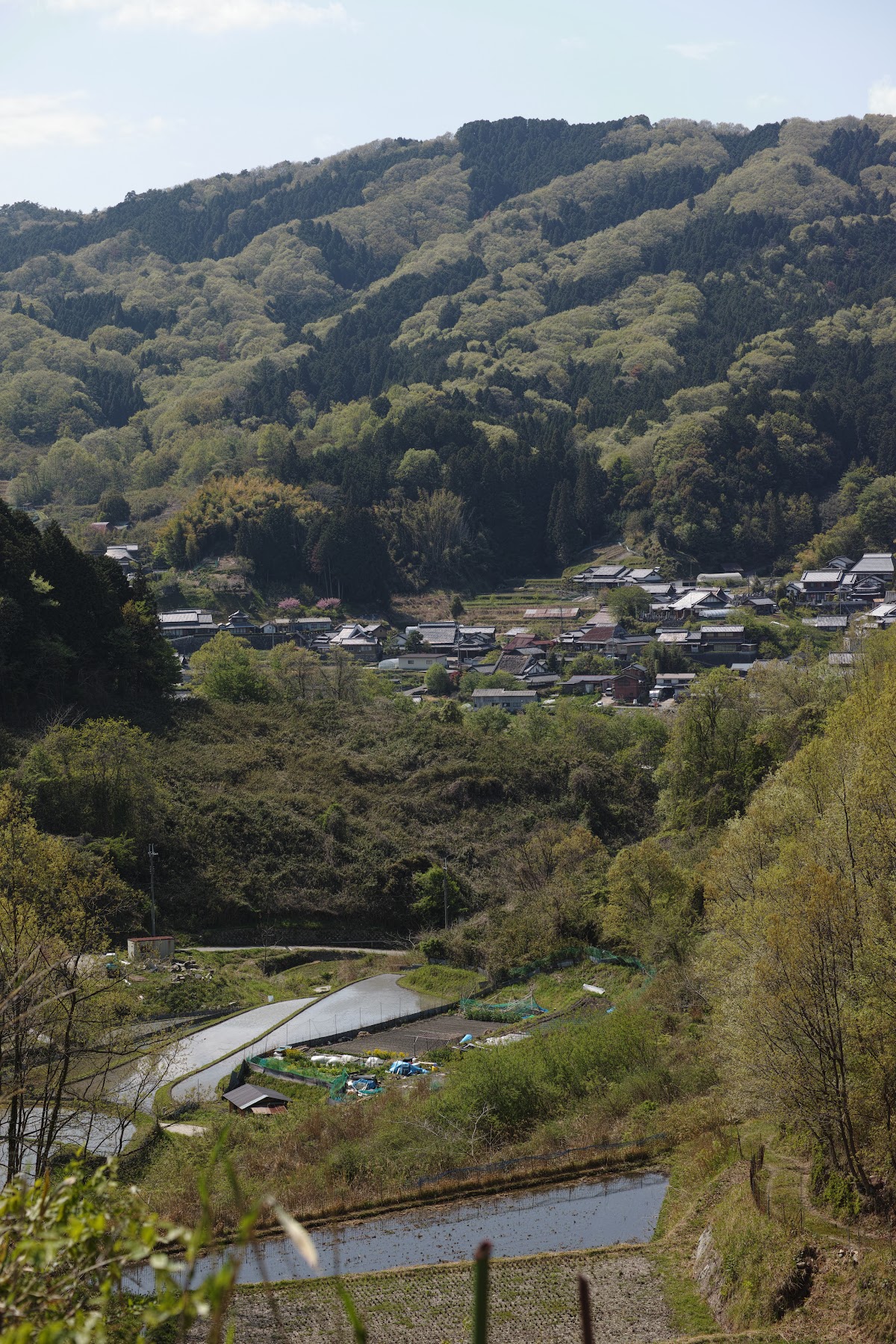
The Muro region of Uda City is located in the eastern part of Nara Prefecture, surrounded by the Muro Mountains and rich in natural beauty. This region boasts numerous temples and shrines of high historical value, including Muroji Temple (known as “Women’s Koya”) and Ryuketsu Shrine, and has long been a place of worship visited by many people.
Shunkakuji Temple also plays a vital role in the Buddhist culture of the Muro region, and has a history of attracting the faith of local residents. Even today, memorial services and events are held there by local people, serving as a spiritual pillar for the community.
History of Shunkakuji Temple | As a Center of Local Faith
While the exact founding date and detailed history of Shunkakuji Temple are unclear due to limited historical documents, it is believed that many of the temples in the Muro region were founded between the Heian and Kamakura periods.
Connection to the Buddhist History of the Muro Region
During the Heian period, the Muro region was considered an important training ground for Shingon Buddhism, and many monks visited it for training, centered around Muroji Temple. During this period, numerous small temples and hermitages were built around Mt. Murō, serving as bases for ascetic monks. It is presumed that Shungaku-ji Temple also developed as a local center of faith within this historical context.
Changes Since the Edo Period
During the Edo period, temples in each region became strongly connected to local residents under the danka system (parishioner system). Shungaku-ji Temple, as a local family temple, played an important role in supporting the spiritual lives of residents through funerals and memorial services.
After the Meiji Restoration, the anti-Buddhist movement caused many temples to face difficult times. However, temples rooted in the community survived with the support of residents and continue to exist today. Shungaku-ji Temple has also overcome these historical turbulent times, preserving its religious traditions to this day.
Highlights of Shungaku-ji Temple | Charm of the Temple Grounds
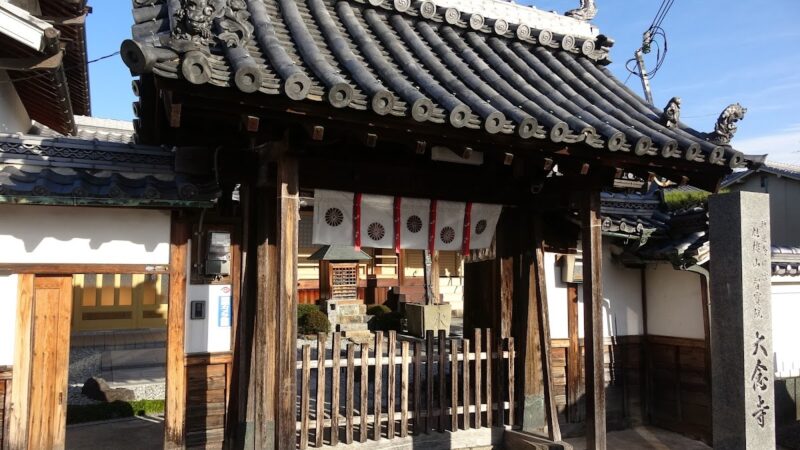
Shungaku-ji Temple is not a large-scale tourist temple, but its charm lies in its tranquil atmosphere, characteristic of a local temple, and its simple yet calming space.
Main Hall and Buddha Statue
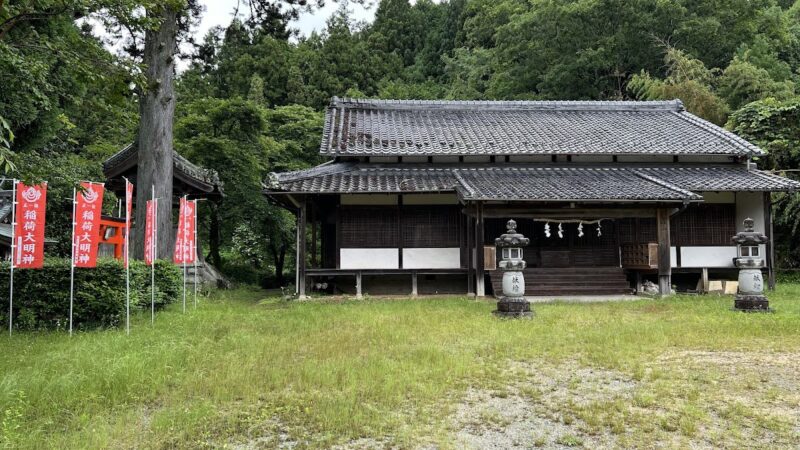
The main hall of Shungaku-ji Temple is a building that preserves the traditional temple architecture of the region. The Buddha statue enshrined as the principal image has been revered by local residents for many years. The interior of the main hall is usually closed to the public, but it may be possible to visit during special religious services.
Natural Environment of the Temple Grounds
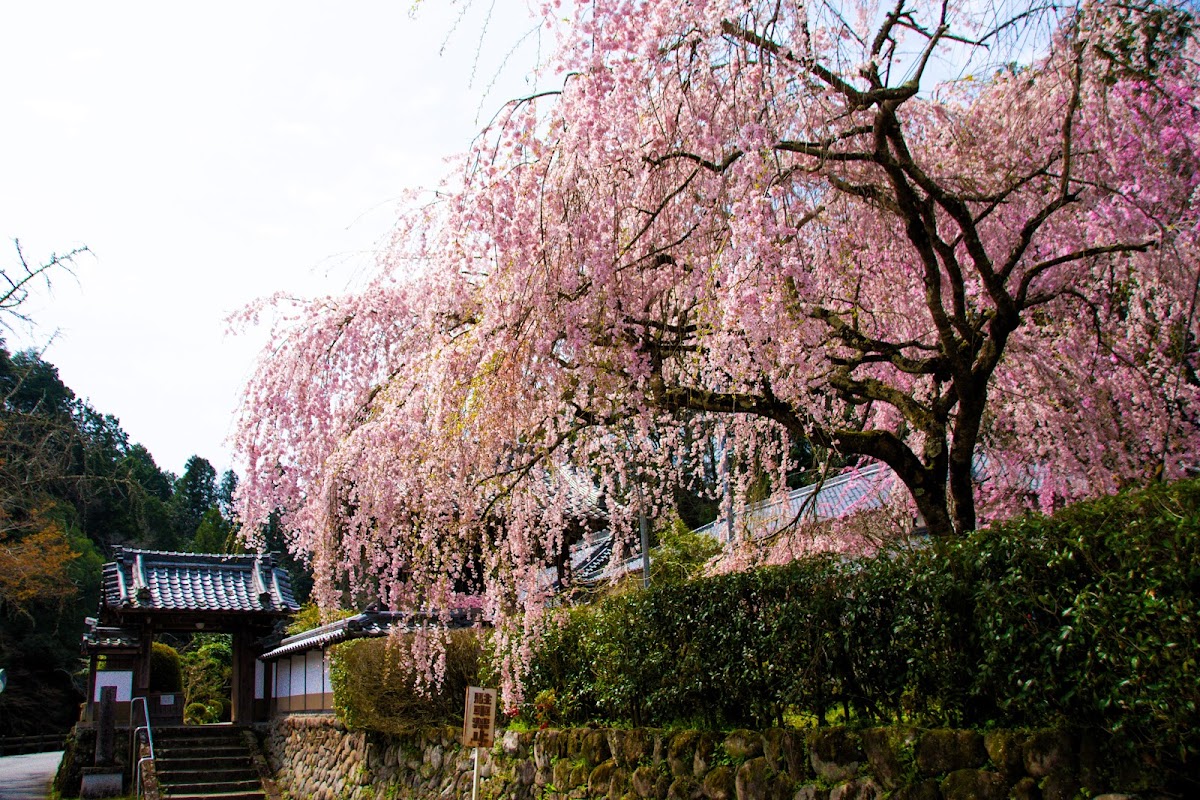
The Muro-Shimokasama area where Shungaku-ji Temple is located is blessed with abundant nature. Trees that show different expressions in each season are planted on the temple grounds, allowing visitors to enjoy the beautiful scenery of each season: cherry blossoms in spring, fresh greenery in early summer, and autumn leaves in fall.
Temples in Nara Prefecture, in particular, embody the traditional Japanese aesthetic of valuing harmony with nature, and Shungaku-ji Temple is no exception. You can spend time calming your mind while listening to the sounds of nature in the quiet temple grounds.
Connection with the Community
The greatest characteristic of Shungaku-ji Temple is its strong connection with the local community. Local annual events and religious services are held here, making it a spiritual anchor for the residents. These community-oriented temples may lack the glamour of tourist attractions, but they are valuable places to experience the essence of traditional Japanese temple culture.
Access to Shungaku-ji Temple | Transportation and Travel Time
We will explain in detail how to access Shungaku-ji Temple. Since the Muro area of Uda City is located in a mountainous region, it is possible to visit by both public transportation and private car, but each has its own advantages and disadvantages.
Basic Information
Location: Muro-Shimokasama, Uda City, Nara Prefecture
Nearest Station: Kintetsu Osaka Line “Muroguchi-Ono Station” or “Sanbonmatsu Station”
Access by Public Transportation
By Train and Bus
- From Kintetsu Osaka Line “Muroguchi-Ono Station”:
- Take the Nara Kotsu bus bound for “Muro-ji-mae” from the station.
- Get off at the “Shimokasama” bus stop and walk for approximately 5-10 minutes.
- Travel time: Approximately 15 minutes by bus from the station + walking.
- From Kintetsu Osaka Line “Sanbonmatsu Station”:
- Approximately 10-15 minutes by taxi.
- Taxis are convenient due to the limited number of bus services.
Note: Bus services in the Muro area are limited, so it is recommended to check the Nara Kotsu bus timetable in advance. Especially outside of holidays and tourist seasons, the number of services is infrequent, so careful planning is necessary.
Access by Private Car
Routes from Major Cities
From Osaka:
- Via National Route 369 from the Nishi-Meihan Expressway “Hari IC”
- Travel time: Approximately 30-40 minutes
From Nagoya:
- Via National Routes 368 and 369 from the Meihan Expressway “Ueno IC”
- Travel time: Approximately 50-60 minutes
From Nara City:
- Head east on National Route 369
- Travel time: Approximately 40-50 minutes
Parking Information: Shungakuji Temple may have a dedicated parking lot, but its size is limited. We recommend calling ahead to confirm.
Tips for Setting Your Car Navigation System
If “Shungakuji Temple” does not appear when you search for it on your car navigation system, please search for the address “Muro Shimokasama, Uda City, Nara Prefecture” or set a nearby landmark as your destination. Because the road network in the Murō area can be complex, we recommend using the latest map information.
Attractions around Shungaku-ji Temple | The Charm of the Murō Area in Uda City
When visiting Shungaku-ji Temple, exploring the surrounding tourist spots will allow you to experience the charm of the Murō area in Uda City more deeply.
Murō-ji Temple (Women’s Kōya)
Located about 10 minutes by car from Shungaku-ji Temple, Murō-ji Temple is one of Nara Prefecture’s most famous temples. It is the head temple of the Murō-ji branch of the Shingon sect and is known as “Women’s Kōya,” famous for allowing women to visit since ancient times.
Highlights:
- National Treasure Five-Storied Pagoda (Japan’s smallest outdoor five-storied pagoda)
- Important Cultural Property buildings such as the Golden Hall and Main Hall
- Famous for rhododendrons (late April to early May)
- Beautiful autumn foliage (mid to late November)
Muroji Temple is a temple where you can enjoy beautiful scenery throughout the four seasons, and many tourists visit especially during the rhododendron season in spring and the autumn foliage season.
Ryuketsu Shrine
Ryuketsu Shrine, located in the inner sanctuary of Muroji Temple, is known as a sacred place for rain prayers since ancient times. About a 15-minute walk from the temple grounds is a cave called “Ryuketsu,” which is enveloped in a mystical atmosphere.
Ono-dera Temple
Ono-dera Temple, located about a 5-minute walk from Muroguchi-Ono Station, is famous for its Miroku Buddha carved into the rock face along the Uda River. The colossal rock-carved Buddha, approximately 13.8 meters tall, is believed to be a work from the Kamakura period, and in spring, its collaboration with a weeping cherry tree over 300 years old is magnificent.
Roadside Station “Udaji Muro”
This roadside station offers local specialties and fresh agricultural products. It stocks Uda City’s famous “Uda Kin Gobo” (golden burdock), local vegetables, and processed goods. It’s also a convenient rest stop.
Historic Townscape of Uda City
Uda City has the “Uda Matsuyama District,” designated as an Important Preservation District for Groups of Traditional Buildings, where the townscape of the Edo period is preserved. It’s a bit of a distance from Shunkaku-ji Temple, but worth visiting if you have the time.
Funeral and Memorial Services at Shunkaku-ji Temple
Shunkaku-ji Temple serves as the local family temple and conducts funerals and memorial services. It accommodates funerals and memorial services not only for local residents but also for those with connections to the temple.
Funeral Consultation
If you wish to hold a funeral at Shungaku-ji Temple, you can contact the temple directly in advance or consult through a partner funeral home. A characteristic of this temple, deeply rooted in the community, is its heartfelt and attentive service.
Memorial Services and Ceremonies
Various memorial services, such as annual memorial services and monthly memorial services, are held. Ancestral memorial services and memorial services for stillborn babies can also be arranged according to your wishes. For details, please contact the temple directly.
Temple Culture in Nara Prefecture | The Significance of Visiting Shungaku-ji Temple
Nara Prefecture, as the birthplace of Japanese Buddhism, is a center of temple culture with a history of over 1,300 years. Many famous temples and shrines, including Todai-ji Temple, Kofuku-ji Temple, Kasuga Taisha Shrine, Yakushi-ji Temple, and Toshodai-ji Temple, are registered as World Heritage Sites.
Differences Between Large Temples and Local Temples
Large temples around Nara Park welcome many worshippers and tourists as international tourist attractions. However, local temples like Shungaku-ji Temple play a vital role in supporting the daily religious lives of local residents.
The tranquility that cannot be experienced in large temples, and the opportunity to experience a simple, locally rooted form of faith, are major attractions of visiting local temples. Unlike famous temples bustling with tourists, you can have time to quietly reflect on yourself.
Deepening Your Understanding of Nara’s Buddhist Culture
To truly understand Nara’s Buddhist culture, it is important to look not only at famous temples but also at the small temples scattered throughout the region. Temples like Shungaku-ji Temple teach us that Nara’s Buddhist culture is not merely a tourist resource, but a living culture deeply rooted in people’s lives.
The Four Seasons of the Muro Region and the Best Time to Visit
The Muro region of Uda City has different charms in each of the four seasons. Here’s a guide to the best time to visit Shungaku-ji Temple.
Spring (March-May)
Spring is the most vibrant season in the Murō region. Cherry blossoms bloom from late March to early April, and the rhododendrons at Murō-ji Temple are in full bloom from late April to early May. The beauty of the fresh greenery is exceptional, making it a season where you can feel the breath of nature.
Summer (June-August)
During the rainy season, the greenery becomes lush, and the temple grounds, wet with rain, have a charming atmosphere. Summer is relatively cool due to the mountainous terrain, making it a comfortable summer retreat. However, be aware of the sudden weather changes typical of mountainous areas.
Autumn (September-November)
Autumn is the season for autumn leaves, and the entire Murō region is dyed in red and yellow. The best time to see the leaves is especially from mid- to late November, and the area around Murō-ji Temple is bustling with tourists. Beautiful autumn foliage can also be enjoyed around Shungaku-ji Temple.
Winter (December to February)
Winter in the Muro region is enveloped in silence, and the snowy scenery is beautiful. There are fewer tourists, allowing for a more peaceful visit. However, due to the possibility of snow and icy roads, sufficient preparation is necessary for a winter visit.
Precautions and Manners When Visiting Shungaku-ji Temple
Please note the following points when visiting Shungaku-ji Temple:
Visiting Manners
- Behave quietly within the temple grounds and avoid disturbing other visitors.
- Photography is often permitted, but there are areas where photography is prohibited, such as inside the main hall.
- Remember that this is a religious site, and visit with respect.
Dress Code
There are no specific dress code regulations, but when visiting a temple, avoid revealing clothing and dress appropriately.
Prior Contact
Shungaku-ji Temple is not a tourist temple, so it is recommended to call ahead to confirm. There may be times when they are unable to accommodate visitors due to religious services, etc.
Consideration for the Surrounding Environment
Shunkaku-ji Temple is located near a residential area, so consideration must be given to avoiding disturbing local residents with noise, illegal parking, etc.
Summary | Experiencing Nara’s Quiet Faith Culture at Shunkaku-ji Temple
Located in Muro-Shimokasama, Uda City, Nara Prefecture, Shunkaku-ji Temple is a community-oriented temple with a different charm from famous tourist temples. While not flashy, its history of supporting the faith of the local people and the tranquil atmosphere of its grounds offer peace of mind to visitors.
The Muro area has many historical sites, including Muroji Temple, and visiting Shunkaku-ji Temple in conjunction with these sites will allow you to gain a deeper understanding of Nara Prefecture’s Buddhist culture. It is especially recommended for those seeking a quiet and peaceful pilgrimage experience, different from the famous temples and shrines around Nara Park.
When visiting the Muro area of Uda City, be sure to visit Shunkaku-ji Temple and experience the essence of Japanese temple culture rooted in the community. In its quiet grounds, surrounded by nature in every season, you can escape the hustle and bustle of everyday life and spend time to calm your mind. Both public transport and private cars are available for access, but since bus services are limited, we recommend planning your visit with ample time. Furthermore, contacting the temple beforehand to confirm visiting hours will ensure a more fulfilling experience.
Shunkaku-ji Temple offers a chance to experience Nara Prefecture’s rich Buddhist culture and natural beauty. We hope your visit will be a memorable and valuable experience.