Kaichoji Temple, a mountain temple in Uda City, Nara Prefecture – The history of its founding by Prince Shotoku and the charm of its ginkgo trees with leaves
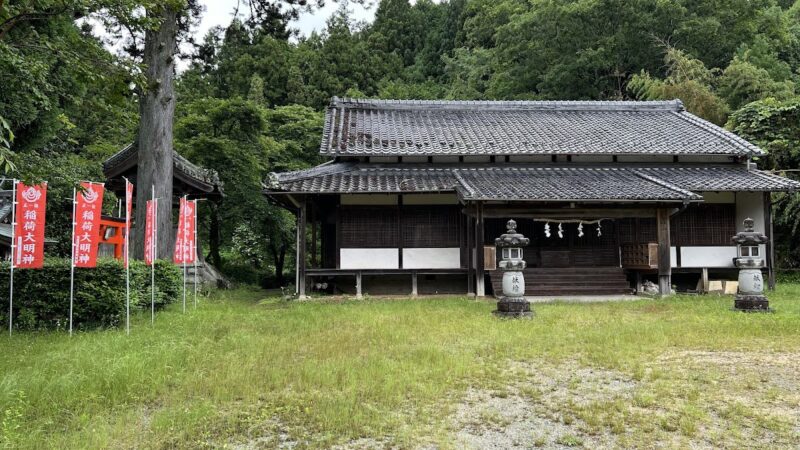
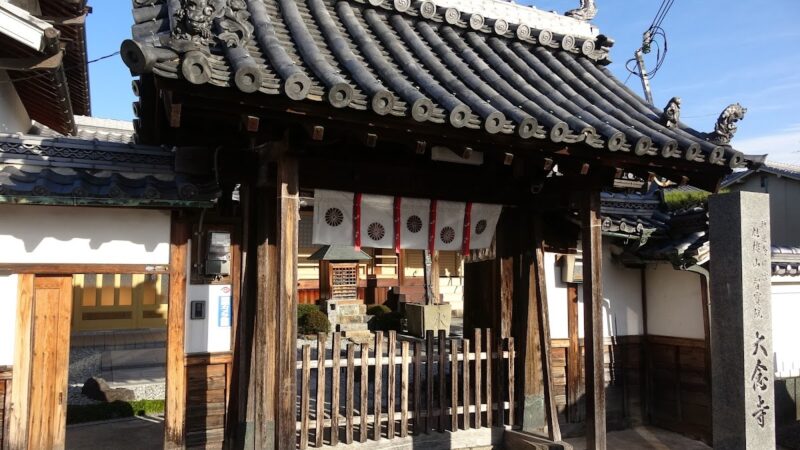
Located in Haibara Kaiba, Uda City, Nara Prefecture, Kaichoji Temple is an ancient temple of the Omuro branch of Shingon Buddhism, quietly nestled on the mountainside of Mt. Kaiba. This mountain temple, said to have been founded by Prince Shotoku and later renovated by Kobo Daishi Kukai, is known for the golden carpet of leaves created by its centuries-old ginkgo trees. This article provides a detailed overview of Kaichoji Temple, including its history, highlights, access methods, and surrounding tourist information.
History and Origins of Kaichoji Temple
Founding Legend by Prince Shotoku
Regarding the founding of Kaichoji Temple, there is a legend that it was built by Prince Shotoku at the behest of Emperor Yomei. While this founding legend is common to many ancient temples, in the case of Kaichōji Temple, the place name Kaijōzan itself has deep ties to Buddhist precepts, suggesting that it was considered an important place of ascetic practice from ancient times.
Related descriptions are also found in the Nihon Shoki (Chronicles of Japan), indicating that this region has been an object of worship since ancient times. The fact that a temple was already established in this mountainous region during the Asuka period, when Buddhism began to take root in Japan during the time of Prince Shōtoku, is important for understanding the history of the spread of Buddhism in Nara Prefecture.
Temple Development by Kūkai
Records show that Kūkai, Kōbō Daishi, visited Kaichōji Temple in the early Heian period and developed its temple complex. The current sectarian characteristics of Kaichōji Temple, which belongs to the Omuro branch of Shingon Buddhism, stem from this connection with Kūkai. Kūkai traveled to various mountain temples, developing them as centers of Shingon Esoteric Buddhism, and it is believed that Kaichōji Temple was one of them.
The mountain name, Kaiba-san, itself signifies a place for learning Buddhist precepts, reflecting its character as a training ground. Located on the slopes of Kaiba-san, at an altitude of 737.6 meters, its secluded environment is ideal for spiritual practice, and many monks have likely trained here since ancient times.
Faith as Kaiba Yakushi
Kaichō-ji Temple enshrines a seated statue of Yakushi Nyorai (Medicine Buddha) as its principal image, and has long been known as “Kaiba Yakushi,” attracting the faith of the local people. Yakushi Nyorai is widely worshipped as the Buddha who presides over healing illnesses and promoting health and longevity, and for the people of Uda City, nestled deep in the mountains, Kaichō-ji Temple has remained a spiritual haven.
From the medieval to the early modern period, Kaichō-ji Temple functioned as an important religious facility in the Uda region, attracting many pilgrims. Even today, it remains a tranquil mountain temple, offering peace and solace to visitors.
Highlights of Kaichoji Temple
The Ginkgo Tree with Leaves – Nara Prefecture Designated Natural Monument
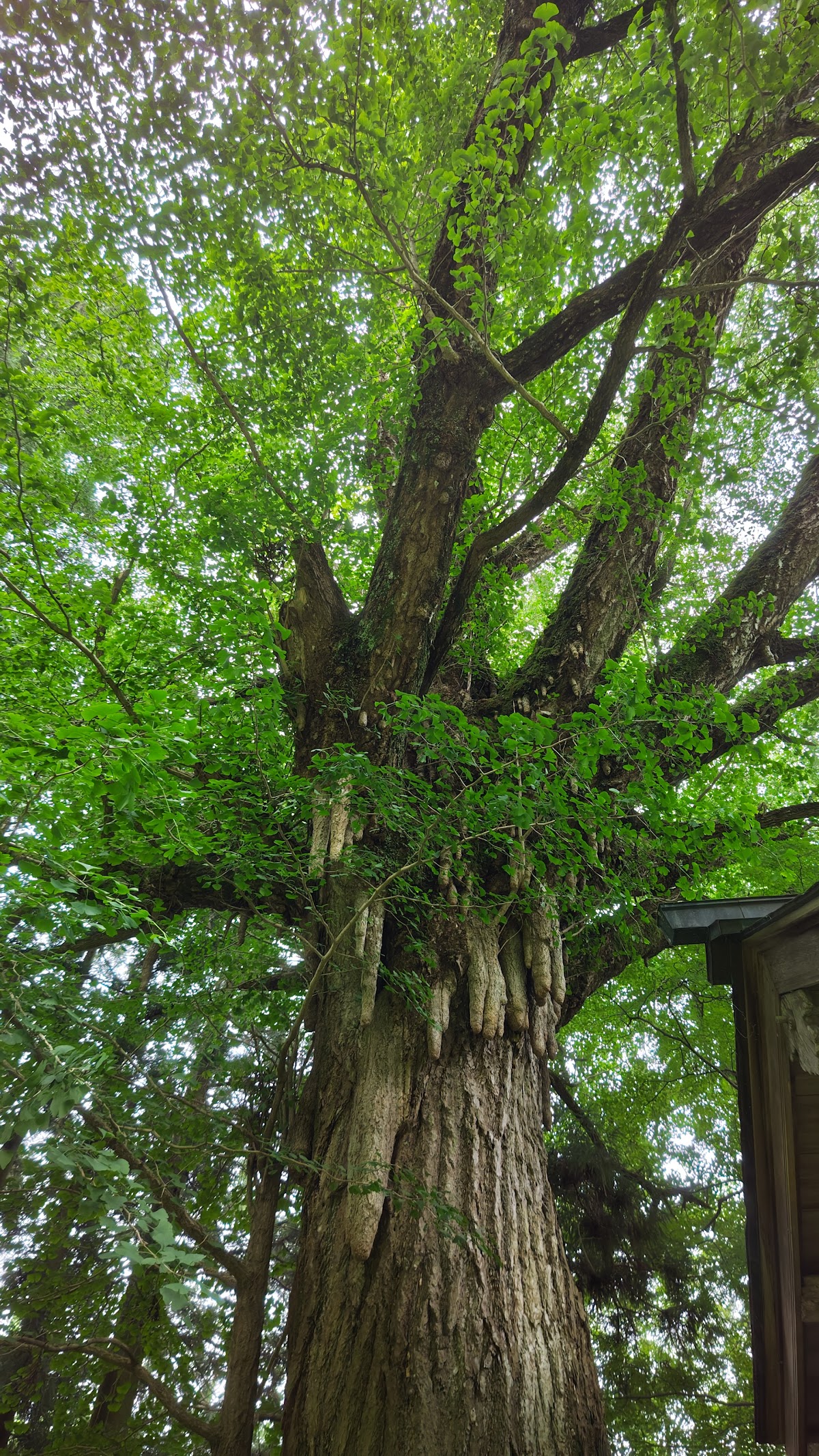
The greatest highlight of Kaichoji Temple is the magnificent “Ginkgo Tree with Leaves” that stands tall within the temple grounds. This tree is designated as a natural monument by Nara Prefecture and boasts a majestic appearance, reaching a height of approximately 30 meters.
The “Ginkgo Tree with Leaves” is a rare type of ginkgo tree that, unlike ordinary ginkgo trees, produces small fruits (seeds) on the edges of its leaves. This is a botanically very valuable phenomenon and is considered important data for understanding the evolutionary process of ginkgo trees. Normally, ginkgo trees are dioecious, with fruit produced on female trees, but the Ginkgo Tree with Leaves has the unique characteristic of forming seeds within the leaves themselves.
Ginkgo trees with such characteristics are extremely rare nationwide, making the Ginkgo Tree with Leaves at Kaichoji Temple of high value both academically and as a tourist resource.
A Golden Carpet – A Spectacular Autumn Foliage View
Kaichōji Temple is at its most beautiful during the autumn foliage season, from mid-November to early December. The ginkgo leaves, which should more accurately be called “yellow leaves,” turn a vibrant yellow, and as they fall, the entire temple grounds are covered in a golden carpet.
The countless yellow leaves raining down from the 30-meter-tall giant trees create a truly breathtaking sight. The sight of the quiet mountain temple grounds bathed in gold transports visitors to another world. During this time, many photography enthusiasts with impressive cameras can be seen visiting, trying to capture this beautiful moment.
The peak of the autumn foliage season varies slightly depending on the weather, but it is usually from mid- to late November. Even after the leaves begin to fall, the beauty of the golden carpet on the temple grounds is exceptional and can be enjoyed until early December.
Fujiwara Buddha Statues and a Collection of Precious Buddhist Sculptures
Kaichōji Temple houses nine Fujiwara Buddha statues. Fujiwara-style Buddhist statues refer to a style of Buddhist statues created from the mid-to-late Heian period, characterized by their elegant and serene expressions. These statues are important cultural assets that tell the story of Kaichoji Temple’s long history and cultural value.
These statues, including the principal seated statue of Yakushi Nyorai (Medicine Buddha), convey the history of faith at Kaichoji Temple. These statues, viewed in the tranquil main hall, offer visitors a deep sense of spiritual peace.
Bronze Bell Inscribed with the Twelve Heavenly Generals
Kaichoji Temple houses a bronze bell inscribed with the Twelve Heavenly Generals, believed to be the only one of its kind in Japan. The Twelve Heavenly Generals are 12 warrior gods who protect Yakushi Nyorai, and while they are usually depicted in sculptures or paintings, examples of them inscribed on a temple bell are extremely rare.
This bronze bell is important evidence that Kaichoji Temple was a center of Yakushi worship and is a cultural asset of high art historical value.
A Temple Grounds Enveloped in Silence
Located on the slopes of Mt. Kaiba, the grounds of Kaichoji Temple are enveloped in profound silence. Surrounded by abundant nature, the environment allows visitors to forget the hustle and bustle of city life and find inner peace.
Except during the autumn foliage season, few people visit, allowing for a quiet and peaceful visit. The tranquil space, where only the chirping of birds and the sound of the wind can be heard, is truly a suitable environment for spiritual practice.
Basic Information and Access
Location and Contact Information
- Location: 386 Kaiba, Haibara, Uda City, Nara Prefecture
- Sect: Shingon-shu Omuro-ha
- Mountain Name: Kaiba-san
- Principal Image: Seated statue of Yakushi Nyorai (Medicine Buddha)
Access Method
Using Public Transportation
Access to Kaichoji Temple is somewhat inconvenient by public transportation. The nearest station is Haibara Station on the Kintetsu Osaka Line, but you will need to take a bus or taxi from there.
- Get off at Haibara Station on the Kintetsu Osaka Line.
- Approximately 15-20 minutes by taxi from the station.
- Alternatively, take a Nara Kotsu bus towards Kaiba (bus service is limited, so please check in advance).
If using a private car
Access by private car is the most convenient.
- Approximately 30 minutes from Hari IC on the Meihan Expressway
- Approximately 40 minutes from Tenri IC on the Nishi-Meihan Expressway
- Parking: There are several parking spaces near the temple grounds (may be crowded during the autumn foliage season).
Since you will need to drive up a mountain road, caution is required. Especially in winter, there is a possibility of icy roads, so it is recommended to check road conditions in advance.
Visiting Information
- Visiting Hours: Grounds are freely accessible (please check for access to the main hall’s interior)
- Admission Fee: Generally free (additional fees may apply during special viewings)
- Best Season: Mid-November to early December (ginkgo leaves in autumn and yellow)
Tourist Spots Around Kaichoji Temple
Temples and Shrines in Uda City
Ono-dera Temple
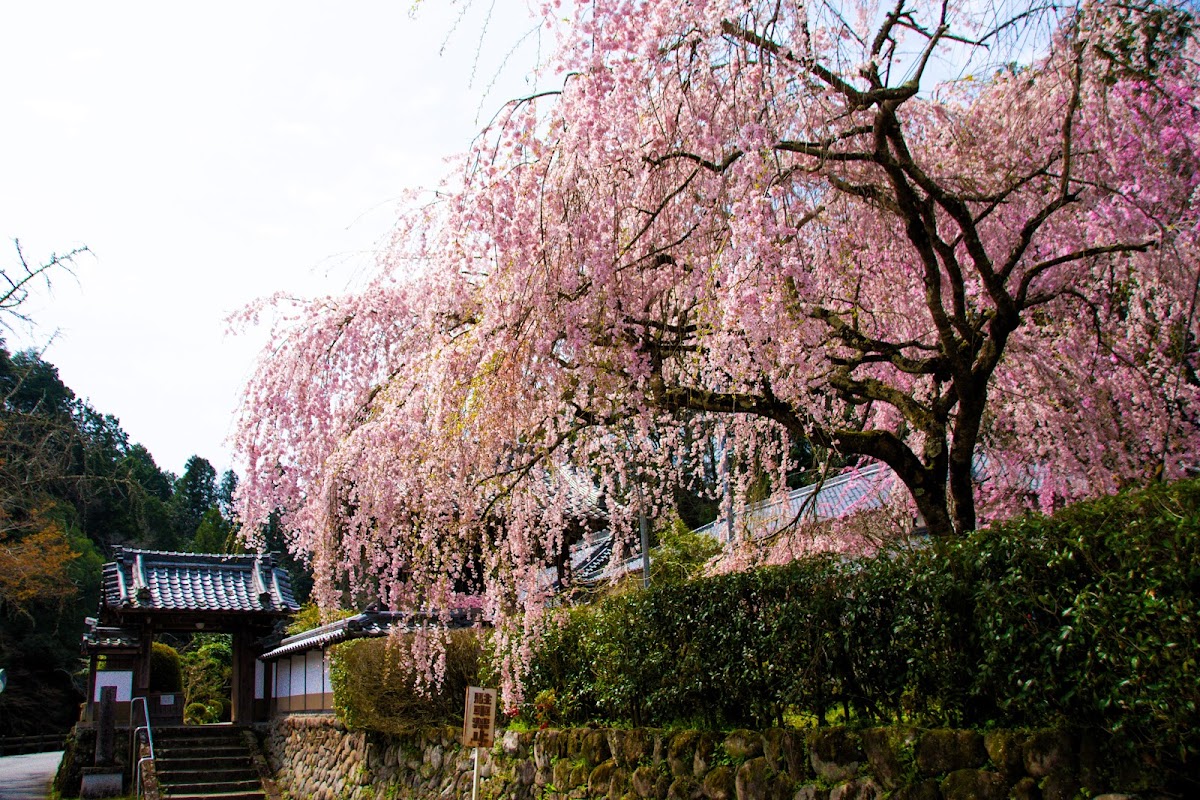
Ono-dera Temple, located in Muro, Uda City, is a Shingon sect temple of the Muro-ji branch, known as the western main gate of Muro-ji Temple. It is famous for its Miroku (Maitreya) rock-carved Buddha on the cliff face of the Uda River, and in spring, a weeping cherry tree said to be 300 years old blooms beautifully. It is about a 30-minute drive from Kaichoji Temple and is a must-visit spot when sightseeing in Uda City.
Sumisaka Shrine
Located in Haibara Hagiwara, Uda City, Sumisaka Shrine is an ancient shrine mentioned in the Nihon Shoki (Chronicles of Japan). It has long been revered as a deity that wards off epidemics and is cherished as a guardian deity of the region. It is approximately a 15-minute drive from Kaichoji Temple.
Tsuke Mizuwake Shrine
Located in the Tsuge district of Nara City (formerly Tsuge Village), Tsuge Mizuwake Shrine is an ancient shrine dedicated to the god of water. Surrounded by the natural beauty of the Yamato Plateau, this tranquil shrine, when visited in conjunction with Kaichoji Temple, offers a glimpse into the religious culture of the eastern Nara Prefecture area.
Nature and Tourism in Uda City
Uda City is located in the eastern part of Nara Prefecture and is blessed with abundant nature. It boasts numerous tourist spots where nature and history blend seamlessly, such as Muro Ryuketsu Shrine, Muro-ji Temple, and Soni Plateau.
When visiting Kaichoji Temple, you can enjoy a more fulfilling Nara sightseeing experience by creating a model course that combines it with these surrounding tourist attractions. Especially during the autumn foliage season, Muroji Temple and the pampas grass of Soni Plateau are also at their peak, making autumn in Uda City arguably the most beautiful time of year.
Points to Note When Visiting Kaichoji Temple
Visiting During the Autumn Foliage Season
If you’re visiting Kaichoji Temple, the autumn foliage season from mid-November to early December is highly recommended. The golden leaves of the ginkgo trees are breathtakingly beautiful and perfect for photography. However, since the number of visitors increases during this time, visiting early in the morning or on a weekday will allow you to enjoy the temple at a more leisurely pace.
Clothing and Items to Bring
Located on the slopes of Mt. Kaijo, the temperature is lower than in the lowlands. Be sure to take proper precautions against the cold, especially from autumn to winter. Also, since much of the temple grounds are in their natural state, comfortable walking shoes are recommended.
Photography Etiquette
Kaichōji Temple is a popular spot for taking pictures, but please remember that it is a quiet place of worship and be considerate of other visitors. Please refrain from using tripods and loud conversations, and practice respectful photography.
The Charms of Uda City and Eastern Nara Prefecture
History and Culture of Uda City
Uda City has flourished since ancient times as a strategic point connecting Yamato and Ise. During the Edo period, it developed as a castle town of the Matsuyama Domain, and the old townscape remains in the Uda-Matsuyama area today. It is also known as a production area for medicinal herbs, and historical sites related to medicinal herbs, such as the Morino Old Medicinal Herb Garden, are scattered throughout the area.
Tourism in Eastern Nara Prefecture
While Nara Prefecture is famous for central Nara City, including Nara Park and Todaiji Temple, or the Asuka/Kashihara area, the eastern area, including Uda City, has many attractive tourist spots that are not yet widely known.
Located near the World Heritage sites of Yoshino and Omine, this area offers a chance to experience the profound charm of Nara Prefecture, where nature and history harmonize. A visit to Kaichoji Temple is a great opportunity to explore the hidden gems of eastern Nara Prefecture.
Accommodation and Nearby Dining
Accommodation in and around Uda City
Uda City offers a variety of accommodations, including hot spring inns and guesthouses. The Muro Onsenkyo area, in particular, boasts numerous quiet hot spring inns surrounded by nature, making it ideal for combining with a visit to Kaichoji Temple.
It’s also possible to visit on a day trip using hotels in nearby Sakurai City or Nara City as a base. Staying in Nara City allows for a fulfilling itinerary combining sightseeing in the Nara Park area with exploring Uda City.
Local Specialties and Sweets
Uda City has long been known as a production area for medicinal herbs, and boasts local specialties such as kudzu and Japanese angelica. Furthermore, Nara Prefecture as a whole boasts local specialties such as persimmon leaf sushi, Miwa somen noodles, and Nara pickles, and we encourage you to enjoy the regional flavors during your visit.
Traditional Japanese sweets made with local ingredients are sold at confectionery shops in Uda City, making them perfect souvenirs.
Summary – Rediscovering the Charm of Kaichoji Temple
Kaichoji Temple in Uda City, Nara Prefecture, is a historic Shingon sect Omuro school temple with a legend of being founded by Prince Shotoku. Located in a tranquil setting on the slopes of Mt. Kaiba, the golden carpet of leaves created by the ginkgo trees, a Nara Prefecture-designated natural monument, continues to captivate visitors.
The temple also houses valuable cultural assets, including nine Fujiwara Buddha statues and a bronze bell inscribed with the Twelve Heavenly Generals, conveying the richness of Nara Prefecture’s Buddhist culture. While its beauty during the autumn foliage season is undeniable, the temple grounds also have their own unique charm in the fresh green season and the quiet winter.
When people think of Nara tourism, they often focus on the central Nara City area or the Asuka/Kashihara area. However, the eastern area, including Uda City, is home to many hidden gems like Kaichoji Temple. By combining Kaichoji Temple with other nearby temples and shrines such as Ono-dera Temple, Sumisaka Shrine, and Tsuge Mizuwake Shrine, you can create a more in-depth sightseeing itinerary and experience the charm of Nara Prefecture.
While access may be somewhat inconvenient, the resulting tranquility and natural beauty are well worth the visit. Especially during the autumn foliage season from mid-November to early December, be sure to visit Kaichoji Temple and experience the breathtaking sight of the temple grounds bathed in golden hues.
Kaichoji Temple in Uda City, Nara Prefecture, is a hidden gem that Nara Prefecture is proud of, where history, nature, and culture harmonize. While it’s featured on tourism websites such as the Nara Prefecture Visitors Bureau, you can only truly appreciate its charm by visiting in person. Why not spend some special time relaxing in a tranquil mountain temple, immersing yourself in traditional Japanese culture and the beauty of nature?