Gan’ōji Temple (Ukyo Ward, Kyoto Prefecture) Complete Guide | A Profound Ancient Temple of Yoshitsune Legends and the Miraculous Power of Jizo Bodhisattva
Gan’ōji Temple, located in Hanazono Kitsuji Minami-chō, Ukyo Ward, Kyoto City, is a temple that has long attracted worshippers for its miraculous powers of safe travel and the fulfillment of wishes, with Jizo Bodhisattva, associated with Minamoto no Yoshitsune, as its principal deity. Belonging to the Myōshinji branch of the Rinzai school, this ancient temple, while located near Myōshinji Temple, has maintained its own unique history and faith amidst a quiet residential area.
History and Origins of Gan’ōji Temple
Deep Connection to Minamoto no Yoshitsune
The Jizo Bodhisattva, the principal deity of Gan’ōji Temple, is said to have a deep connection with Minamoto no Yoshitsune (Ushiwakamaru), a warrior of the late Heian period. Legend says that Yoshitsune prayed to this Jizo Bodhisattva for safe travels when he was heading from Kurama-dera Temple to Ōshū.
Throughout Yoshitsune’s turbulent life and long journey, it is believed that this Jizo Bodhisattva always protected him. This belief led to the temple being called “Gan’ō” (Wish King), signifying its remarkable efficacy in granting wishes and fulfilling the fervent desires of ordinary people. The temple’s name also became Gan’ōji.
Affiliation with the Myoshinji School of the Rinzai Zen Sect
Currently, Gan’ōji Temple belongs to the Myoshinji School of the Rinzai Zen sect. Myoshinji is a leading Zen Buddhist temple in Kyoto, forming the largest group of Zen temples in Japan with approximately 3,400 branch temples nationwide. As one of its branch temples, Gan’ōji possesses a unique character, inheriting the spirit of Zen while also incorporating the popular form of Jizo worship.
Temple Culture of the Hanazono Area
The Hanazono area of Ukyo Ward, where Gan’ōji Temple is located, retains a strong temple culture centered around Myoshinji. This site was once the location of Emperor Hanazono’s detached palace. Since the founding of Myoshin-ji Temple, many sub-temples and related temples have been established here. Gan’ō-ji Temple also occupies a corner of this historical religious and cultural sphere.
Worship of the Principal Image, Jizo Bodhisattva
What is Jizo Bodhisattva?
Jizo Bodhisattva is worshipped as the bodhisattva who, after the death of Shakyamuni Buddha and before the appearance of Maitreya Bodhisattva, travels through all six realms (hell, hungry ghosts, animals, asuras, humans, and heaven) to save sentient beings. In Japan, especially since the Heian period, it has been widely worshipped among the common people, and it has often been syncretized with Dōsojin (roadside deities) and enshrined along roadsides.
Characteristics of the Jizo Bodhisattva at Gan’oji Temple
The Jizo Bodhisattva at Gan’oji Temple is particularly known for the following miraculous powers:
Prayer for Safe Travels Due to the legend that the Jizo Bodhisattva protected Yoshitsune during his long journey, many worshippers visit to pray for safety during travel, business trips, and moving. In modern times, it is also worshipped for traffic safety.
Fulfillment of Wishes “Fulfillment of Wishes” means that the Jizo Bodhisattva grants its power according to the heart of the wish. There is a belief that the Jizo Bodhisattva will listen to and grant the wishes of each worshipper, and people with various wishes, such as passing exams, business prosperity, and family safety, visit the temple.
Fulfilling the Wishes of the Common People Regardless of special status or position, the Jizo Bodhisattva has been cherished by the local people as an “open” object of worship that broadly accepts the wishes of ordinary people.
Highlights of the Temple Grounds
Main Hall
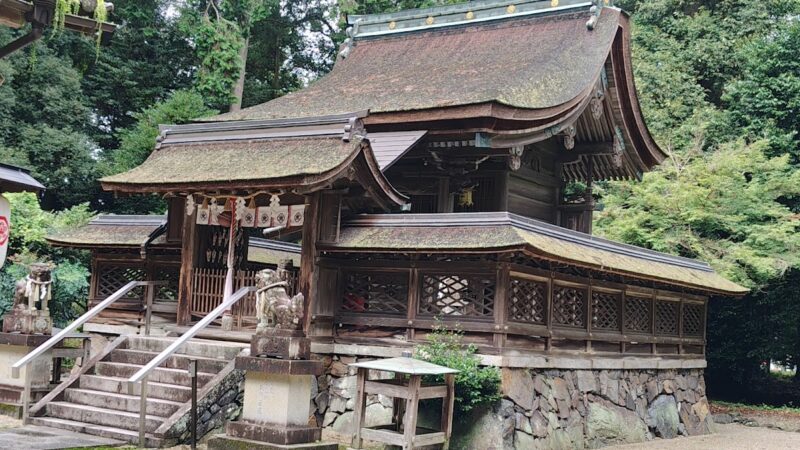
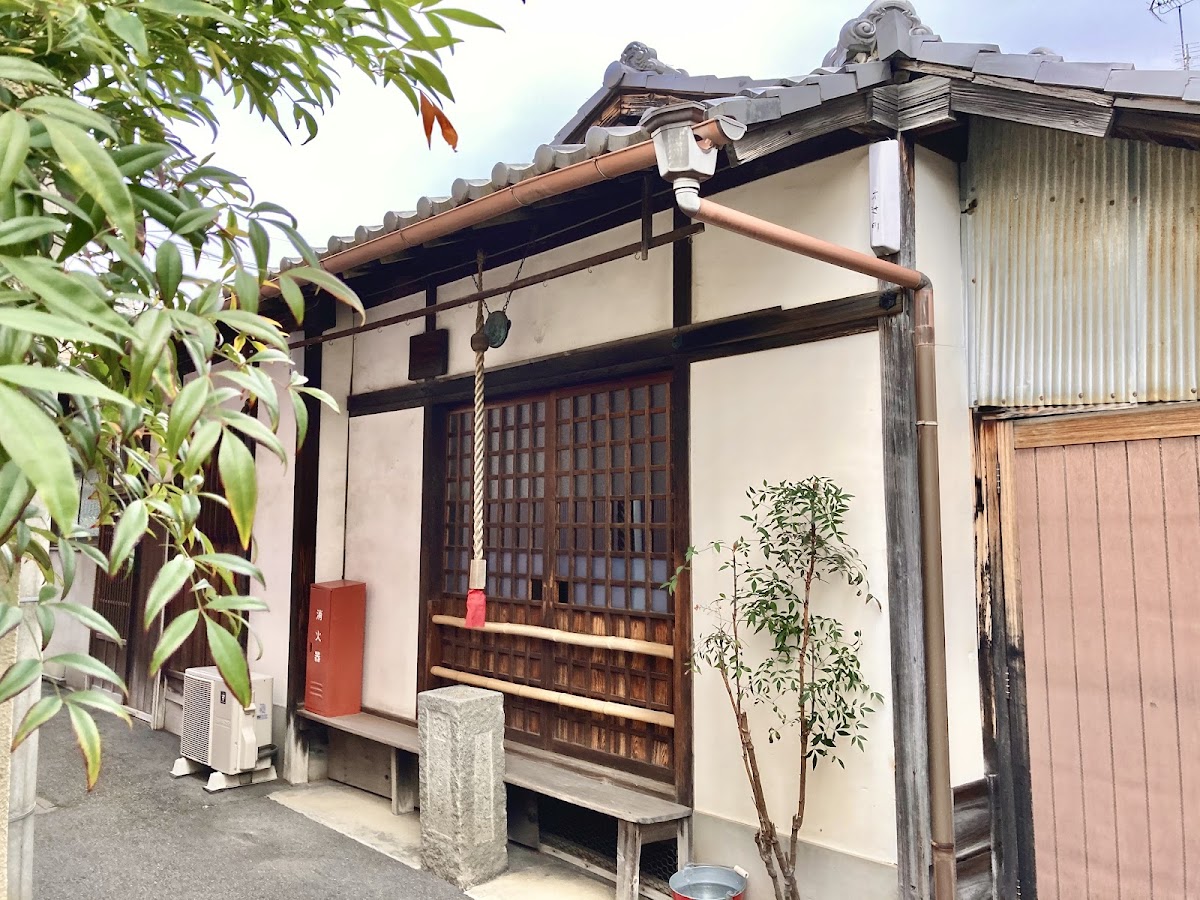
The main hall houses the principal image, Jizo Bodhisattva. While not large in scale, it offers a tranquil space for peaceful worship. It features a simple yet dignified appearance, characteristic of Zen Buddhist temples.
Atmosphere of the Temple Grounds
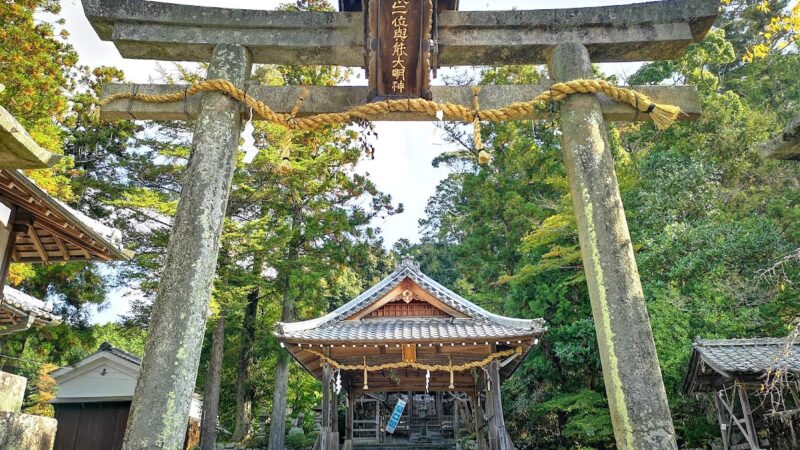
Despite being located in a residential area, stepping onto the temple grounds reveals a peaceful atmosphere. Unlike large tourist temples, it possesses the simple charm of a local temple. The trees within the grounds change their appearance with each season, providing solace to visitors.
Visiting Information
Visiting Hours and Admission Fee
Gan’oji Temple is generally open to visitors. However, due to its small size and location in a residential area, visiting hours are limited to reasonable times (daytime). Please refrain from visiting early in the morning or late at night.
There is no specific admission fee, but please consider contributing to the temple’s maintenance through offerings or donations.
Temple Visiting Etiquette
- Bow before entering the temple gate.
- Please be quiet within the temple grounds and refrain from loud conversations.
- Photography is permitted, but please be considerate of the interior of the main hall and other visitors.
- Please take all your trash with you.
- As the temple is located in a residential area, please be considerate of the nearby residents.
Regarding Goshuin (Temple Seals)
We recommend checking in advance regarding the issuance of Goshuin at Gan’oji Temple. As it is a small temple, they may not always be able to provide them. It is a good idea to inquire by phone before visiting.
Access Information
Location
Address: Hanazono Kitsuji Minami-cho, Ukyo-ku, Kyoto City, Kyoto Prefecture 616-8034
Access by Train
Using the JR Sanin Main Line (Sagano Line):
- Get off at JR Hanazono Station, approximately 10 minutes on foot
- Hanazono Station is approximately 15 minutes from Kyoto Station on the Sagano Line, fare is 240 yen (as of 2024)
Using the Keifuku Electric Railway (Randen) Kitano Line:
- Get off at Randen Myoshinji Station, approximately 8 minutes on foot
- Approximately 20 minutes from Shijo-Omiya on the Kitano Line
Using the Bus:
Get off at Myoshinji-mae or Myoshinji Kitamon-mae on Kyoto City Bus or JR Bus, approximately 5-10 minutes on foot
Access by Car and Parking
Route by Car:
- Approximately 30 minutes from the Kyoto Minami Interchange on the Meishin Expressway
- Approximately 20 minutes from central Kyoto
Parking Information
There may be limited parking available at Gan’ōji Temple. Please consider using the nearby Myōshinji Temple parking lot (paid) or a coin-operated parking lot. It is recommended to check with the temple before your visit.
Taxi Access
Approximately 20-25 minutes by taxi from Kyoto Station, costing around 2,500-3,000 yen. This is a convenient option for groups or those with a lot of luggage.
Nearby Tourist Attractions
Myōshinji Temple
The head temple of the Myōshinji branch of the Rinzai school, located within walking distance of Gan’ōji Temple. It boasts a vast precinct with 46 sub-temples and houses many cultural assets, including a national treasure bronze bell and the “Cloud Dragon” painting by Kanō Tan’yū. A recommended pilgrimage route includes a visit to Gan’ōji Temple when you visit Myōshinji Temple.
Ninna-ji Temple
The head temple of the Omuro branch of Shingon Buddhism, registered as a World Heritage Site. Famous for its Omuro cherry blossoms, it attracts many tourists in spring. It’s about a 15-minute walk or a 5-minute bus ride from Gan’oji Temple.
Ryoan-ji Temple
A World Heritage Site temple world-famous for its rock garden. Known as a masterpiece of dry landscape gardens. It’s about a 20-minute walk or a 10-minute bus ride from Gan’oji Temple.
Toji-in Temple
A temple associated with Ashikaga Takauji, known for its beautiful garden and wooden statues of the Ashikaga shogunate. It’s about a 15-minute walk from Gan’oji Temple.
History and Culture of the Hanazono Area
Emperor Hanazono and the Place Name Hanazono
The place name “Hanazono” in this area originates from Emperor Hanazono (1297-1348) of the late Kamakura period. After abdicating, Emperor Hanazono established a detached palace in this area and later supported the founding of Myoshin-ji Temple. Since then, this region has developed as one of the centers of Zen Buddhist culture.
The Fragrance of Zen Culture
Many Zen Buddhist temples are scattered throughout the Hanazono area, centered around Myoshin-ji Temple. Gan’oji Temple, as part of this Zen cultural sphere, has provided a place for quiet practice and faith. The simple appearance of the temple, untouched by tourism, can be said to embody the Zen spirit of “ordinary mind is the Way.”
Annual Events and Special Days
Jizo Bon Festival
Held annually in late August, the Jizo Bon Festival is an important event for Gan’oji Temple, whose principal deity is Jizo Bodhisattva. It is a traditional event praying for the healthy growth of local children and also serves as an opportunity to strengthen community ties.
Temple Festival Day
The temple festival day for Jizo Bodhisattva is considered to be the 24th of every month. It is believed that visiting on this day brings special blessings, attracting devout believers.
A Recommendation for Visiting Gan’ōji Temple
Recommended for:
- Those who travel frequently for leisure or business – Ideal for those wishing to pray for safe travels.
- Those facing a turning point in life – Perfect for praying for peace and tranquility when embarking on a new path, such as moving, changing jobs, or entering higher education.
- Those seeking quiet peace of mind – Less crowded with tourists, allowing for a peaceful visit.
- Yoshitsune fans – Experience the historical romance of a place associated with Minamoto no Yoshitsune.
- Those exploring the Myoshinji Temple area – A hidden gem to visit while exploring Myoshinji Temple.
Seasonal Charms
Spring During cherry blossom season, the entire Hanazono area, along with the surrounding temples, comes alive with beauty. You can feel the arrival of spring in the tranquil temple grounds.
Summer During the Jizōbon festival, you can feel the vibrancy of the community. It is also a beautiful season of fresh greenery.
Autumn
During the autumn foliage season, the trees on the temple grounds change color, allowing you to enjoy a tranquil autumn atmosphere. It’s also appealing because it’s not as crowded as tourist temples.
Winter
The temple grounds, covered in snow, exhibit exceptional tranquility and beauty. The dignified atmosphere characteristic of a Zen temple is even more pronounced.
Notes on Visiting
Consideration for the Residential Area
Gan’oji Temple is located in a residential area, so consideration for nearby residents is necessary when visiting. Please pay particular attention to the following points:
- Refrain from loud conversations
- Never park on the street
- Avoid visiting early in the morning or late at night
- Always take your trash with you
Understanding that it is a Small Temple
Gan’oji Temple is not a large tourist temple, but a small temple rooted in the local community. Therefore:
- The temple may not be open all the time.
- There may be few signs or explanations.
- Prior confirmation is necessary for obtaining temple stamps (Goshuin).
- The temple office may be unattended.
It is important to understand these points and maintain a quiet and respectful attitude during your visit.
Gan’ōji Temple and the Local Community
Center of Local Faith
Gan’ōji Temple has functioned more as a place of faith for local residents than as a tourist temple. Through events such as the Jizō-bon festival and memorial services, it serves as a spiritual pillar for the local community.
Role in Modern Times
Even in modern society, Gan’ōji Temple continues to play an important role as a spiritual haven for local people and a place to quiet their minds away from the hustle and bustle of daily life. Its simple and warm atmosphere, unlike that of large tourist temples, brings peace to many people.
Summary: The Charm of Gan’ōji Temple
Located in Hanazono, Ukyo-ku, Kyoto City, Gan’ōji Temple is a Rinzai Zen temple of the Myōshinji school, known for its miraculous powers of safe travel and the fulfillment of wishes, and its principal image is a Jizo Bodhisattva associated with Minamoto no Yoshitsune.
Unlike large-scale tourist temples, its quiet presence amidst a residential area embodies the Zen spirit of “ordinary mind is the way.” When visiting nearby famous temples such as Myōshinji, Ninnaji, and Ryōanji, why not extend your trip a little and visit Gan’ōji Temple?
Spending time in the tranquil temple grounds, reflecting on the legend of Yoshitsune, and entrusting your wishes and prayers for safe travels to the Jizo Bodhisattva, will surely become a precious memory of your Kyoto trip. Gan’ōji Temple, where you can experience the Zen culture of the Hanazono area and feel the deeply rooted faith of the community, is one of the temples you shouldn’t miss when exploring the profound charm of Kyoto.
With easy access by train and bus, and within walking distance of JR Hanazono Station and Randen Myoshinji Station, its convenient location is a major draw. When sightseeing in Kyoto, be sure to visit Ganno-ji Temple and experience its history and faith.