Godaisan Seiryoji Temple (Saga Shakado) Complete Guide | History, Highlights, and Visiting Information Explained in Detail
Kyoto City’s Ukyo Ward, Sagano, stands Godaisan Seiryoji Temple, a venerable Jodo sect temple known as “Saga Shakado.” With a national treasure, a standing statue of Shakyamuni Buddha, as its principal image, and as a place associated with Minamoto no Toru, the model for Hikaru Genji in The Tale of Genji, it has a history spanning over a thousand years. This article comprehensively introduces everything you need to know before visiting, from the historical background of Seiryoji Temple to its highlights, annual events, and visiting information.
History and Origins of Seiryoji Temple
From Minamoto no Toru’s Mountain Villa to Seikaji Temple
The history of Seiryoji Temple dates back to the early Heian period. This site was originally home to the mountain villa “Seikakan” of Minamoto no Tōru (822-895), a son of Emperor Saga. Minamoto no Tōru is considered one of the models for Hikaru Genji, the protagonist of “The Tale of Genji,” and his refined lifestyle was widely known in the aristocratic society of the time.
In 895, after Minamoto no Tōru’s death, this villa was converted into a temple and named “Seikaji.” This was the predecessor of Seiryōji Temple. Initially, Seikaji Temple began as a temple with Amida Buddha as its principal deity.
Chōnen Shōnin and His Thoughts on Mount Wutai
Chōnen Shōnin (938-1016), a monk from Tōdaiji Temple, played a decisive role in the establishment of Seiryōji Temple. Chōnen aspired to study in Song Dynasty China and made his voyage in 985.
Chōnen was particularly deeply impressed by Mount Wutai (also known as Mount Qingliang), a sacred site of Chinese Buddhism. Mount Wutai is known as the holy site of Manjushri Bodhisattva and is a sacred place visited by many monks on pilgrimage. Chōnen harbored a strong desire to recreate Mount Wutai in Japan, and after returning to Japan, he planned to build the “Great Qingliang Temple” on Mount Atago, modeled after Mount Wutai in China.
During his voyage, in the first year of the Kanwa era (985), Chōnen commissioned a local Buddhist sculptor at Kaiyuan Temple in Taizhou to meticulously carve a statue of Shakyamuni Buddha. This statue is a sacred image said to depict Shakyamuni at the age of 37, and later became the principal image of Qingliang Temple.
Establishment of Qingliang Temple by Seisan
In the first year of the Eien era (987), Venerable Chōnen passed away, his ambition of building the Great Qingliang Temple, modeled after Mount Wutai, unfulfilled. His disciple, Jōsan, inherited his master’s will. Respecting his master’s wishes, Jōsan formally established “Gotai-san Seiryō-ji Temple” in 1016 (Chōwa 5), using the Shakadō (Buddha Hall) within Seika-ji Temple as its foundation.
At this time, the statue of Shakyamuni Buddha that Chōnen had brought back from Song China was enshrined as the principal image, and since then, it has become widely revered as “Saga Shakadō.” The temple’s name, “Gotai-san,” expresses respect for the sacred site in China, and “Seiryō-ji” derives from “Seiryō-zan,” another name for Mount Gotai.
Changes from the Medieval Period Onward
During the Kamakura period, it flourished as a training ground for Yūzū Nenbutsu (a form of Buddhist chanting), and during the Muromachi period, it received the patronage of the Ashikaga shogunate. Many of its buildings were destroyed during the Ōnin War (1467-1477), but it was gradually rebuilt during the Edo period.
In 1701 (Genroku 14), the main hall was rebuilt through a donation from Keishoin, the mother of Tokugawa Tsunayoshi, laying the foundation for the temple complex as it stands today. Throughout the Edo period, it developed as a Jodo sect temple and became affectionately known as “Saga Shakado,” attracting the faith of ordinary people.
Highlights of Seiryoji Temple
National Treasure: Standing Statue of Shakyamuni Buddha (Seiryoji-style Shakyamuni Statue)
The greatest treasure of Seiryoji Temple is the National Treasure, the standing statue of Shakyamuni Buddha, enshrined in the main hall. This statue is a sacred image brought back from Song China by the monk Chōnen, and is believed to depict Shakyamuni Buddha at the age of 37.
The statue is approximately 160 cm tall, possesses a unique sandalwood style, and is commonly known as the “Seiryoji-style Shakyamuni Statue” or “Saga-style Shakyamuni Statue.” This style had a significant influence on later generations, and copies were made throughout Japan.
Most astonishing is the discovery of the “Five Internal Organs and Six Viscera” inside the statue during its dismantling and repair in 1953. These include silk models of internal organs, scriptures, and ink inscriptions, and are designated as National Treasures, serving as valuable historical materials illustrating the Buddhist statue-making techniques and the depth of faith of the time.
The main image is usually enshrined in a shrine, but it is opened on the 8th of each month and during special religious services. In particular, it can be viewed up close during the special public viewing periods in April, May, October, and November.
Main Hall (Shakado)
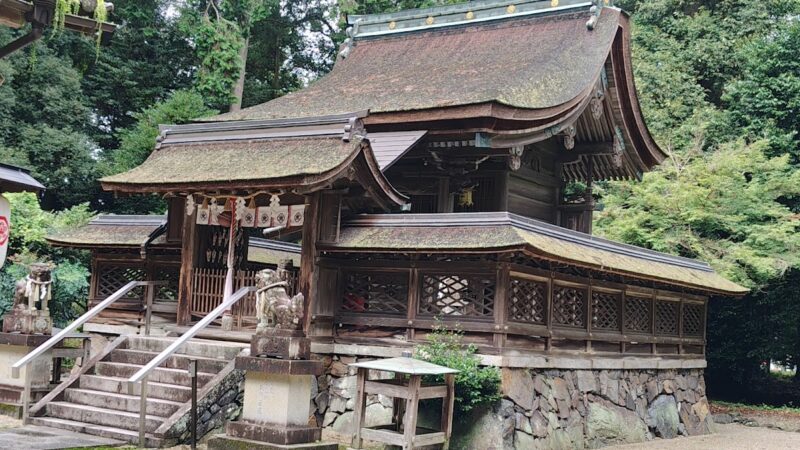
The current main hall was rebuilt in 1701 through a donation from Keishoin, the mother of Tokugawa Tsunayoshi, and is designated as a Kyoto Prefecture Cultural Property. This magnificent building features a hipped roof and tiled roof, with a plaque bearing the inscription “Sendan Zuizo” (a sacred image of the sandalwood tree) displayed above the entrance.
Inside the hall, in addition to the principal image, a standing statue of Shakyamuni Buddha, there are also statues of the Amida Triad and a statue of Manjushri Bodhisattva riding a lion, creating a solemn atmosphere.
Niomon Gate
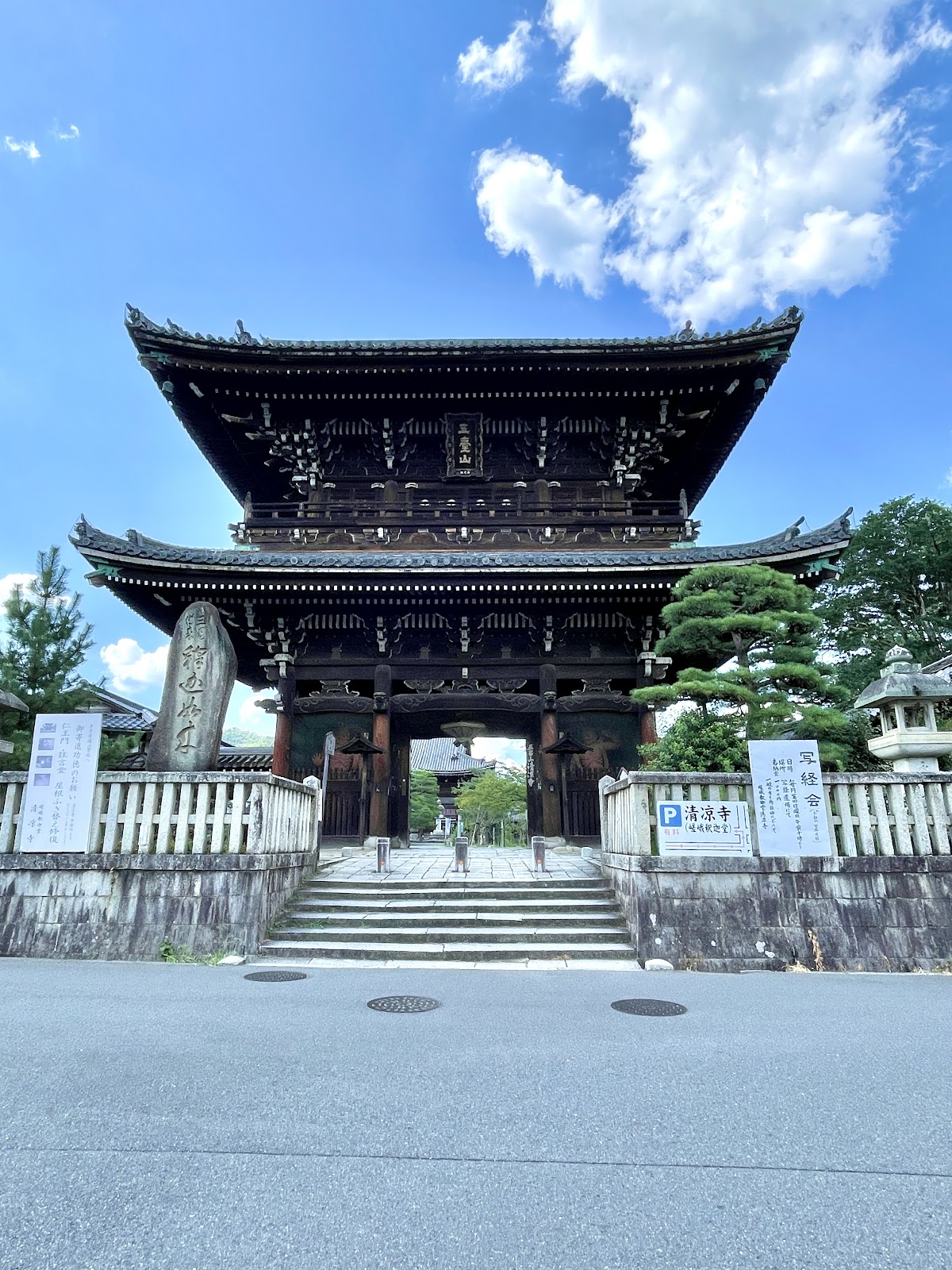
The Niomon Gate, standing at the entrance to the temple grounds, is a magnificent two-story gate with a tiled roof. Kongo Rikishi statues are placed on either side, welcoming visitors. Passing through this gate, the temple complex unfolds, with the main hall directly ahead, surrounded by the Amida Hall, a pagoda, and other buildings.
Amida Hall
Located west of the main hall, the Amida Hall houses the Amida Triad, a designated Important Cultural Property. The central seated statue of Amida Buddha dates from the late Heian period and is characterized by its elegant form, forming the Raigo-in (welcoming mudra). Flanking the main hall are statues of Kannon Bodhisattva and Seishi Bodhisattva, representing the worldview of Pure Land Buddhism.
This Amida Hall is believed to be descended from the hall that originally enshrined the principal image of Seikaji Temple, and is an important building that tells the history of Seiryoji Temple from before its establishment.
Tahōtō Pagoda
The Tahōtō Pagoda, located on a small hill on the east side of the temple grounds, was rebuilt during the Taisho era. It is a beautiful vermilion-painted pagoda, and inside is enshrined Dainichi Nyorai. During the autumn foliage season, it harmonizes with the surrounding trees, creating a particularly beautiful landscape.
Reihōkan (Treasure Hall)
The Reihōkan (Treasure Hall) on the temple grounds displays temple treasures during special opening periods in spring and autumn. Valuable Buddhist statues and paintings from the Heian to Kamakura periods are on display, including the items enshrined inside the National Treasure, the Standing Shakyamuni Buddha statue, as well as Important Cultural Properties such as the Amida Triad, the Manjushri Bodhisattva riding a lion statue, the Ten Great Disciples statues, and the Twenty-Eight Attendants statues.
In particular, the statues of the Ten Great Disciples and the Twenty-Eight Attendants are known as outstanding sculptures of the Kamakura period, each displaying a unique and expressive face and posture.
Toyotomi Hideyori’s Head Mound
Within the temple grounds is a memorial tower said to be the head mound of Toyotomi Hideyori, who died in the Summer Siege of Osaka. As a historical site demonstrating the relationship between Seiryoji Temple and the Toyotomi family, it attracts the interest of history enthusiasts.
Minamoto no Toru’s Grave
The grave of Minamoto no Toru, who was the origin of the land where Seiryoji Temple is located, also remains on the temple grounds. It is a place where one can imagine the refined image of the nobleman, who is said to be the model for Hikaru Genji.
Beauty in Every Season
Spring Cherry Blossoms
Spring at Seiryoji Temple is known for the cherry blossoms that adorn the temple grounds. The cherry blossoms around the Niomon Gate and in front of the main hall are particularly magnificent, reaching their peak from late March to early April. Due to its location in Sagano, one can enjoy a landscape where the atmosphere of the ancient capital and the beauty of the cherry blossoms harmonize. ### The Season of Fresh Greenery
From late April to May, the trees on the temple grounds are enveloped in vibrant new greenery. During this time, the main image of Buddha is often specially displayed, making it a pleasant season for worship in the refreshing air.
Autumn Foliage
Seiryoji Temple is also known as a famous spot for autumn foliage. From mid- to late November, the maple and ginkgo trees on the temple grounds change color, and the area around the pagoda and the garden behind the main hall present particularly beautiful scenery. It is an important spot for autumn foliage viewing in the Sagano area, attracting many visitors.
Winter Serenity
In winter, Seiryoji Temple has fewer visitors, making it a season for peaceful worship in the tranquil grounds. The snow-covered grounds are also deeply atmospheric, allowing for a quiet and contemplative experience of facing the Buddha in a serene atmosphere.
Annual Events
Otaimatsu-shiki (March 15th)
A spring tradition at Seiryoji Temple is the “Otaimatsu-shiki” (torch ceremony) held on March 15th. This event is a Buddhist service commemorating the Nirvana of Shakyamuni Buddha, where three large torches, approximately 7 meters tall, are lit.
The flames burning in the temple grounds at night are a magnificent sight, and many worshippers visit as this event heralds the arrival of spring in Kyoto. It is believed that being showered with sparks brings good health and protection from illness, and people compete to receive the sparks.
Saga Dainembutsu Kyogen (April & October)
At Seiryoji Temple, the “Saga Dainembutsu Kyogen,” designated as an Important Intangible Folk Cultural Property, is performed in spring (early April) and autumn (early October). This is a Buddhist drama said to have been started by the monk Enkaku during the Kamakura period, and it has a unique style as a silent drama without dialogue.
There are about 30 plays, including “Shakyamuni Buddha,” “The Flower Thief,” and “The Earth Spider,” and the stories unfold only through humorous movements and the sounds of bells and drums. It is preserved by a local preservation society and is cherished as a valuable traditional performing art of Kyoto.
Shakyamuni Buddha Cleansing Ceremony (April 19th)
Every year on April 19th, the “Cleansing Ceremony” of the main image, the standing statue of Shakyamuni Buddha, is held. This is an important annual ceremony in which monks carefully wipe and purify the body of the main image with a white cloth. Visitors are welcome to observe.
Yugiri Festival (Second Sunday of November)
On the second Sunday of November, the “Yugiri Festival” is held to commemorate Yugiri Tayu, a famous courtesan of the Edo period. Yugiri Tayu was deeply devoted to Seiryoji Temple, and since her grave is located there, a memorial service and dance performance are held annually. The dance performance by the Shimabara courtesans is elegant and a valuable event that conveys the culture of Kyoto’s geisha districts.
New Year’s Eve Bell Ringing (December 31st)
On New Year’s Eve, the temple bell is rung, and general visitors can also ring it (first-come, first-served). The sound of the bell echoing through the quiet night of Sagano creates a solemn atmosphere befitting the end of the year.
Visiting Information
Visiting Hours
- Temple Grounds: Free entry
- Main Hall & Garden: 9:00 AM – 4:00 PM (until 5:00 PM in April, May, October, and November)
- Treasure Hall: Open only during special exhibition periods in April, May, October, and November
Admission Fees
- Main Hall & Garden: General admission 400 yen, Junior/Senior High School Students 300 yen, Elementary School Students 200 yen
- Treasure Hall: General admission 400 yen, Junior/Senior High School Students 300 yen, Elementary School Students 200 yen
- Combined Ticket for Main Hall & Treasure Hall: General admission 700 yen (only during special exhibition periods)
*Group discounts available (30 or more people)
Location & Contact Information
- Address: 616-8447 46 Fujinoki-cho, Saga Shakado, Ukyo-ku, Kyoto City, Kyoto Prefecture
- Phone: 075-861-0343
- Official Website: http://seiryoji.or.jp/
Access Methods
Access by Train
Using JR
- Get off at Saga-Arashiyama Station on the JR Sagano Line, approximately 12 minutes on foot
- Exit the station and head northwest, following the signs for Saga Shakado.
Using Keifuku Electric Railway (Randen)
- Get off at Arashiyama Station on the Randen Sagano Line, approximately 15 minutes on foot
- This route heads north from the direction of Togetsukyo Bridge.
Using Hankyu Railway
- Get off at Arashiyama Station on the Hankyu Arashiyama Line, approximately 25 minutes on foot
- Alternatively, transfer to the Keifuku Electric Railway at Hankyu “Omiya Station”.
Access by Bus
Kyoto City Bus
- Get off at “Saga Shakado-mae” bus stop (routes 11, 28, and 91).
- Approximately 45 minutes from JR Kyoto Station on route 28.
- Approximately 40 minutes from Shijo Karasuma on route 11.
Kyoto Bus
- Get off at “Saga Shakado-mae” bus stop (routes 71, 72, 81, and 83).
Access by Car
- Approximately 40 minutes from Meishin Expressway “Kyoto Minami IC”.
- Approximately 50 minutes from Meishin Expressway “Kyoto Higashi IC”.
Parking: Paid parking available on the temple grounds (approximately 30 spaces for regular cars, 800 yen per day).
*During peak seasons such as autumn foliage season, the parking lot is often full, so the use of public transportation is recommended.
Nearby Tourist Attractions
Seiryoji Temple is located in the Sagano area, and there are many tourist attractions nearby.
Spots within walking distance
- Daikakuji Temple: Approximately 15 minutes on foot. A temple that was converted from Emperor Saga’s detached palace, with beautiful views of Osawa Pond.
- Hokyoin Temple: Approximately 5 minutes on foot. Known as a hidden gem for autumn foliage.
- Nisonin Temple: Approximately 10 minutes on foot. A Tendai sect temple famous for its autumn foliage-filled horse riding grounds.
- Giouji Temple: Approximately 8 minutes on foot. A nunnery associated with the Tale of the Heike, with a beautiful moss garden.
- Jojakkoji Temple: Approximately 7 minutes on foot. A famous spot for autumn foliage on the slopes of Mt. Ogura.
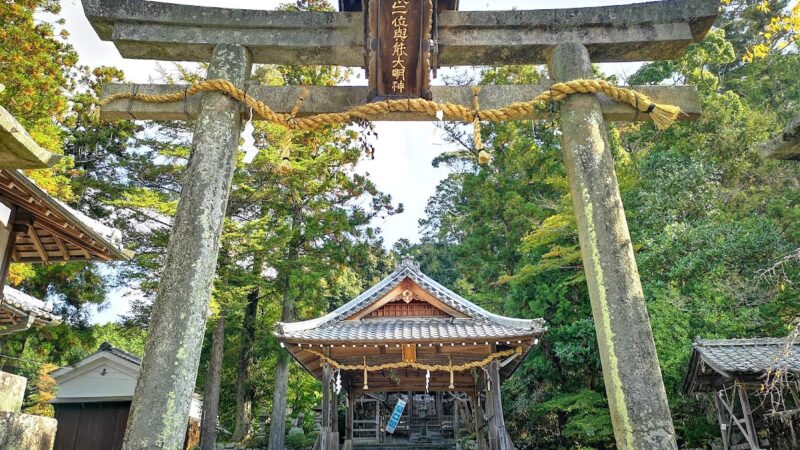
- Nonomiya Shrine: Approximately 10 minutes on foot. A popular shrine for matchmaking.
- Bamboo Grove Path: Approximately 12 minutes on foot. Sagano’s Representative Landscape
Arashiyama Area
The Arashiyama area is accessible in 15-20 minutes on foot, allowing for sightseeing in combination with Togetsukyo Bridge, Tenryu-ji Temple, Arashiyama Monkey Park, and other attractions.
Points to Note and Manners for Visiting
Precautions During Visit
- Photography Prohibited Inside the Main Hall: Photography of the main image and other Buddhist statues inside the hall is prohibited. Photography of the temple grounds and gardens is permitted, but please be considerate of other visitors.
- Worship in Silence: This temple still functions as a place of worship. Please refrain from loud conversations and disruptive behavior.
- Dress Code: There are no specific regulations, but appropriate attire showing respect for a religious site is desirable.
- Days the Main Image is Unveiled: The main image is unveiled on the 8th of each month and during special public viewing periods (April, May, October, and November). If you want to see it up close, you should aim for these dates.
Recommended Visiting Times
- Morning (9:00-10:00): Fewer visitors, allowing for a peaceful visit.
- Evening (after 16:00): The temple grounds are beautifully illuminated by the setting sun, especially the vibrant autumn foliage.
- Weekdays: Less crowded than weekends or event days, allowing for a more relaxed visit.
Estimated Time Required
- Main Hall Only: Approximately 30 minutes
- Main Hall and Treasure Hall: Approximately 60 minutes
- Entire Temple Grounds at a Relaxed Pace: Approximately 90 minutes
Cultural Properties of Seiryoji Temple
National Treasure
- Wooden Standing Statue of Shakyamuni Buddha and its Enshrined Objects
Important Cultural Property
- Wooden Amida Triad
- Wooden Statues of the Ten Great Disciples
- Wooden Statues of the Twenty-Eight Attendants
- Wooden Statue of Manjushri Bodhisattva Riding a Lion
- Silk Painting of the Sixteen Arhats
- Numerous other scriptures and ancient documents are also housed here.
Kyoto Prefecture Designated Cultural Property
- Main Hall (Shakado Hall)
Important Intangible Folk Cultural Property
- Saga Dainembutsu Kyogen (Tradition preserved by the preservation society)
Seiryoji Temple and The Tale of Genji
The site of Seiryoji Temple has a deep connection to “The Tale of Genji.” It is believed that the “Saga no Mido” (Saga Temple), said to have been built by Hikaru Genji in the story, is modeled after Seiryoji Temple (or its predecessor, Seikaji Temple).
It has long been suggested that Minamoto no Tōru, one of the models for Hikaru Genji, built a mountain villa here, and that his refined lifestyle influenced the conception of “The Tale of Genji.” By the mid-Heian period, when Murasaki Shikibu was active, this site had already been established as Seikaji Temple and was an object of faith and admiration for the nobility.
Within the temple grounds is the tomb of Minamoto no Tōru, making it a place of special significance for fans of “The Tale of Genji.” ## Summary
Godaisan Seiryoji Temple (Saga Shakado) is a renowned temple in Sagano, Kyoto, with a history spanning over a thousand years. Centered around its National Treasure, a standing statue of Shakyamuni Buddha, it is a treasure trove of Buddhist art dating back to the Heian period, and a historically and culturally significant temple with connections to Minamoto no Tōru and “The Tale of Genji.”
The temple grounds, showcasing the beauty of each season—cherry blossoms in spring, fresh greenery, and autumn leaves—are a major attraction for Arashiyama and Sagano tourists, welcoming many worshippers and visitors. Traditional events such as the Omatsuri-shiki (torch festival) and Saga Dai Nenbutsu Kyogen (a type of Buddhist chant) offer valuable opportunities to experience Kyoto’s culture.
Its convenient location, within walking distance of JR Saga-Arashiyama Station, is also a major draw, making it an ideal base for exploring temples and shrines in the Arashiyama and Sagano area. When you visit Kyoto, be sure to stop by Seiryoji Temple, a place steeped in history and culture.
Spending time in its tranquil grounds, facing the national treasure, the statue of Shakyamuni Buddha, will be a precious experience that allows you to forget the hustle and bustle of everyday life. The ancient temple’s serene atmosphere, harmoniously integrated with the natural beauty of Sagano, continues to soothe people’s hearts even after more than a thousand years.