Complete Guide to Takiguchi-dera Temple (Kyoto Prefecture) | Visiting the Stage of a Tragic Love Story Associated with The Tale of the Heike
Takiguchi-dera Temple, nestled at the foot of Mt. Ogura in Sagano, Kyoto, is known as the setting for the tragic love story of Takiguchi Nyudo and Yokobue as depicted in “The Tale of the Heike.” Restored in the early Showa period, this temple is a valuable historical site that conveys the tragic love story of the Heian period, attracting many worshippers and history enthusiasts. This article provides a detailed introduction to Takiguchi-dera Temple, from its history and visiting information to its highlights and surrounding spots.
What is Takiguchi-dera Temple? | The Stage of a Tragic Love Story as Told by The Tale of the Heike
Takiguchi-dera Temple is a Jodo sect temple located in Saga Kameyama-cho, Ukyo-ku, Kyoto City. Its mountain name is Mt. Ogura, and its principal image is Amida Buddha. This temple is widely known for the tragic love story of Takiguchi Nyudo (Saito Tokiyori) and Yokobue, a lady-in-waiting to Kenreimon-in, which occurred at the end of the Heian period. ### History and Origins of Takiguchi-dera Temple
The origins of Takiguchi-dera Temple can be traced back to Ojo-in Temple, founded by Ryochin Shonin, a disciple of Honen Shonin. Ojo-in was a large temple located at the foot of Mount Ogura, and Takiguchi-dera and Giō-ji existed as its sub-temples. Sanbō-ji Temple, one of Ojo-in’s sub-temples, is considered the predecessor of the current Takiguchi-dera Temple.
Although Ojo-in was devastated during the Ōnin War (1467-1477), it maintained its existence as a temple until the Edo period. However, influenced by the anti-Buddhist movement after the Meiji Restoration, it was temporarily abolished during the Meiji era. Later, in the early Showa period (around 1926), it was rebuilt as Takiguchi-dera Temple, and remains so to this day.
The Tragic Love Story of Takiguchi Nyūdō and Yokobue
The story of Takiguchi Nyūdō and Yokobue, recorded in “The Tale of the Heike,” is known as one of the most poignant love stories in the history of Japanese literature.
Takiguchi Nyudo, whose real name was Saito Tokiyori, was a samurai who served Taira no Shigemori, the eldest son of Taira no Kiyomori. He was called “Takiguchi” because he held the position of Takiguchi Musha, responsible for guarding the Takiguchi (a guard post located northeast of the Seiryoden Palace) in the imperial court.
Tokiyori fell in love with Yokobue, a lady-in-waiting serving Kenreimon-in Tokuko (daughter of Taira no Kiyomori). The two wished to marry, but Tokiyori’s father strongly opposed the marriage due to their differing social statuses. Devastated, Tokiyori decided to become a monk at the young age of 19, entering Ojo-in (Sanbo-ji Temple) and taking the name Takiguchi Nyudo.
Upon learning of this, Yokobue, longing to see her beloved, visited Ojo-in, but Takiguchi Nyudo, fearing that he would be an obstacle to his training, deliberately avoided meeting her. Afterward, Takiguchi Nyudo moved to Mount Koya, and Yokobue, heartbroken, became a nun and is said to have died young.
This story, a tragedy born from the strictness of the social class system and the rigor of Buddhist practice, continues to touch the hearts of many.
Highlights of Takiguchi-dera Temple | Main Spots on the Temple Grounds
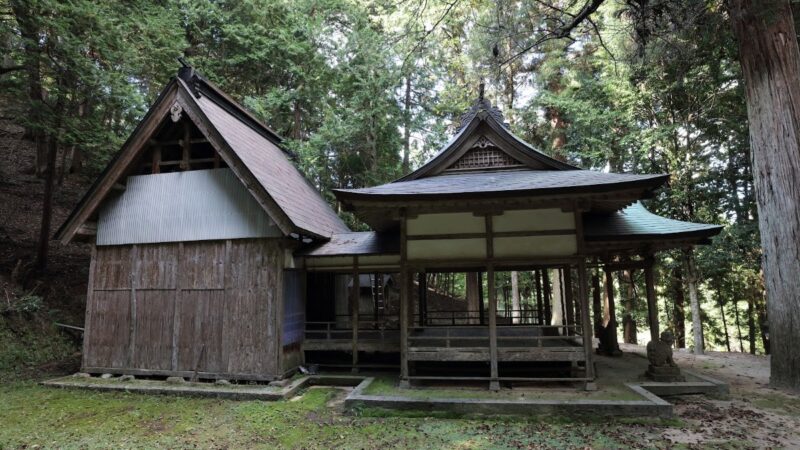
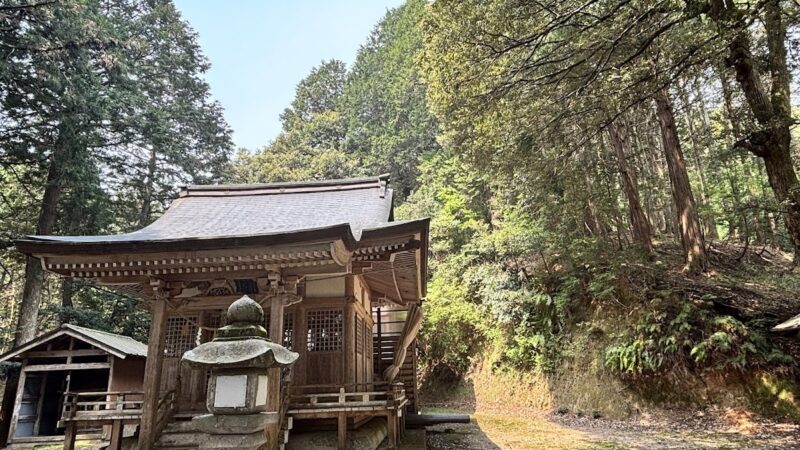
Although Takiguchi-dera is a small temple, it boasts many historical sites related to the Tale of the Heike. While strolling through the tranquil temple grounds, one can reflect on the tragic love story of the Heian period.
Main Hall and the Hiyoku Wooden Statues
In the main hall of Takiguchi-dera Temple, wooden statues of Takiguchi Nyudo and Yokobue are enshrined side by side. These two wooden statues are called the “Hiyoku Wooden Statues,” and are enshrined with the wish that the two, who could not be united in life, may at least be together in death.
The main hall also houses the principal image, a statue of Amida Buddha, allowing visitors to worship in a serene atmosphere. Standing before the wooden statue, the tragic fate and eternal love of the two characters deeply affect one’s heart.
Yokobue’s Song Monument
A quiet monument stands along the approach to the temple, inscribed with a poem attributed to Yokobue. This monument bears a waka poem expressing her poignant feelings for Takiguchi Nyudo, touching the hearts of visitors.
Standing before the monument, one can almost feel the emotions Yokobue experienced when she visited Ojoin Temple. The moss-covered stone monument continues to quietly tell the story of the two, even after many years.
Memorial Towers for Takiguchi Nyudo and the Taira Clan
Within the temple grounds, there are memorial towers for Takiguchi Nyudo and the Taira clan. These memorial towers, imbued with feelings of remembrance for the people who appear in the Tale of the Heike, are spots that convey the weight of history.
Komatsu-do Hall
Within the temple grounds is Komatsu-do Hall, dedicated to Taira no Shigemori (Komatsu Naidaijin). Taira no Shigemori was the lord of Takiguchi Nyudo and the older brother of Kenreimon-in, whom Yokobue served. In the Tale of the Heike, Shigemori is depicted as a warrior of both wisdom and courage, and we can reflect on his character here.
The Story of Nitta Yoshisada and Koto Naishi
Besides the story of Takiguchi Nyudo and Yokobue, Takiguchi Temple also tells another tragic love story. This is the love story of Nitta Yoshisada, a warrior of the Nanboku-cho period, and Koto Naishi.
Nitta Yoshisada was a warrior who served Emperor Go-Daigo, and Koto Naishi was a court lady favored by the emperor. The two fell in love, but Yoshisada lost his life in battle, and it is said that Koto Naishi, overwhelmed with grief, became a nun at Ojo-in Temple.
Takiguchi Temple, as a temple that tells two tragic love stories transcending time, deeply moves visitors.
Visiting Information | Opening Hours, Fees, and Access
This page summarizes essential information for visiting Takiguchi-ji Temple. We recommend checking this information before your visit.
Basic Information
- Address: 10-4 Saga Kameyama-cho, Ukyo-ku, Kyoto City, Kyoto Prefecture
- Visiting Hours: 9:00 AM – 5:00 PM
- Closed Days: Open all year round
- Admission Fee:
- Adults/University Students: 300 yen
- High School/Junior High School Students: 200 yen
- Children (Elementary School Students): 50 yen
- Parking: None (Use nearby paid parking)
- Estimated Time Required: Approximately 20-30 minutes
Access Methods
Access by Train/Bus
- From JR Saga-Arashiyama Station
- Approximately 20 minutes on foot
- Get off at “Saga Shakado-mae” bus stop (Kyoto City Bus), then approximately 15 minutes on foot
- From Randen (Keifuku Electric Railway) Arashiyama Station
- Approximately 25 minutes on foot
- Take the city bus and get off at “Saga Shakado-mae” bus stop, then walk for about 15 minutes.
- From Hankyu Arashiyama Station
- Approximately 30 minutes on foot
- Using the city bus is convenient
Access by City Bus
From Kyoto Station, take city bus route 28 and get off at “Saga Shakado-mae” bus stop, then walk for about 15 minutes. Since you will be walking along a quiet mountain path in Sagano, we recommend wearing comfortable shoes.
Access by Car
Takiguchi-dera Temple does not have its own parking lot. You will need to use a paid parking lot around Arashiyama and access the temple on foot. During peak tourist season, surrounding roads can be congested, so using public transportation is recommended.
Notes on Visiting
- Visiting hours may change due to weather or temple circumstances. We recommend checking in advance.
- The temple grounds are a place to maintain silence. Please refrain from loud conversations.
- Photography is permitted, but photography may be prohibited inside the main hall.
- As it is a small temple, it is advisable to contact them in advance if you are visiting in a large group.
Recommended Spots Around Takiguchi-dera Temple
Takiguchi-dera Temple is located in the Sagano area, and there are many tourist spots within walking distance. Here are some spots you should visit along with Takiguchi-dera Temple.
Giō-ji Temple
Giō-ji Temple, located about a 3-minute walk from Takiguchi-dera Temple, is also a temple associated with the Tale of the Heike. It is known as a nunnery where Giō, a shirabyōshi (female dancer) who lost the favor of Taira no Kiyomori, her sister Gijo, and their mother Toji became nuns.
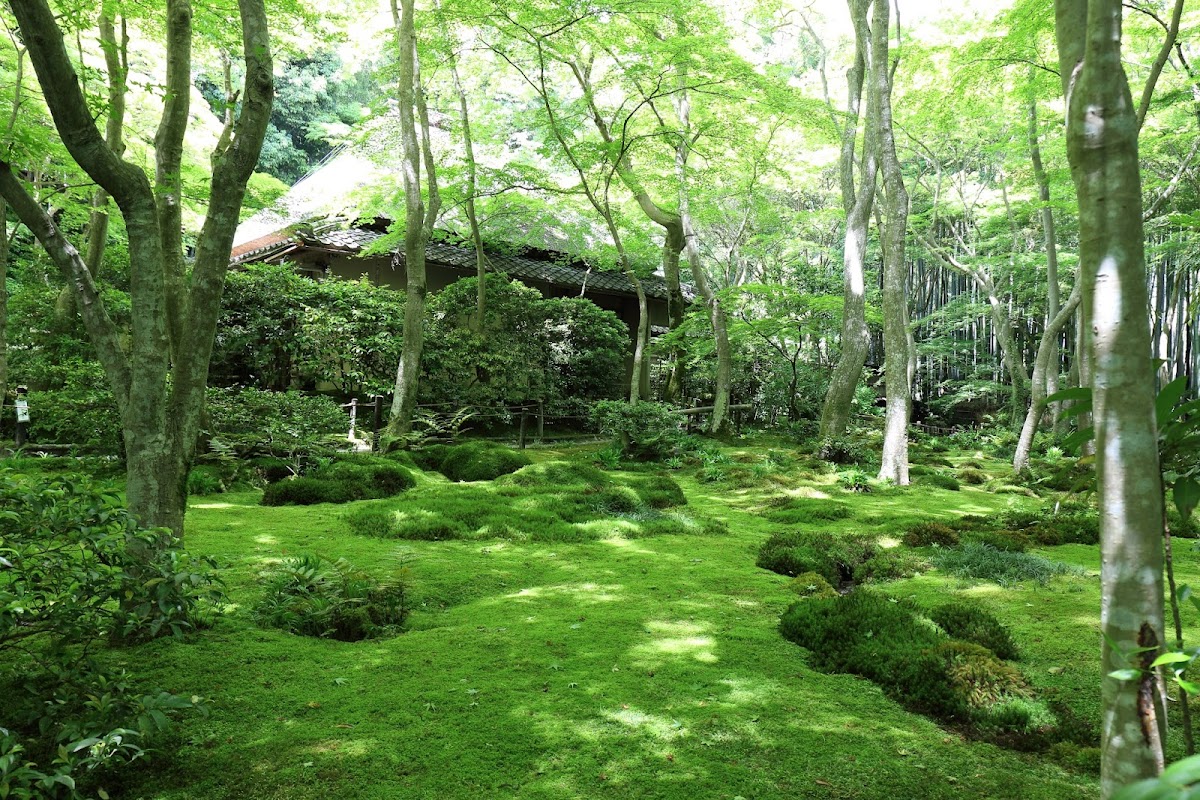
The moss-covered garden is beautiful, and you can enjoy a magnificent view, especially during the autumn foliage season. Visiting it together with Takiguchi-dera Temple will allow you to experience the world of the Tale of the Heike more deeply.
Nison-in Temple
Nison-in Temple, famous as the “Maple Horse Riding Ground,” is located about a 10-minute walk from Takiguchi-dera Temple. This Tendai sect temple, whose principal deities are Shakyamuni Buddha and Amida Buddha, is known for its vast grounds and beautiful autumn foliage.
In particular, the “Maple Horse Riding Ground” along the approach to the temple becomes a tunnel of red and yellow autumn leaves in the fall, attracting many tourists.
Jojakkoji Temple
Located on the slopes of Mt. Ogura, Jojakkoji Temple is about a 15-minute walk from Takiguchi-dera Temple. It is a Nichiren sect temple, and from its grounds you can see the entire Sagano area.
The combination of the pagoda and autumn leaves is considered one of Kyoto’s representative landscapes and is a popular spot for photography enthusiasts. The tranquil grounds are the perfect place to calm your mind.
Saga Shakado (Seiryoji Temple)
Seiryoji Temple, about a 10-minute walk from Takiguchi-dera Temple, is an ancient temple affectionately known as “Saga Shakado.” The temple houses a National Treasure, a standing statue of Shakyamuni Buddha, and is said to have been built on the site of a mountain villa belonging to Minamoto no Tōru, who is considered the model for Hikaru Genji in The Tale of Genji.
The temple grounds are spacious and house many cultural artifacts; a thorough visit will take over an hour. It is one of the central spots for strolling through Sagano.
Bamboo Grove Path
The Bamboo Grove Path, a representative tourist spot of Arashiyama and Sagano, is about a 20-minute walk from Takiguchi-dera Temple. The approximately 400-meter path, lined with tens of thousands of bamboo stalks on both sides, is a popular walking route that evokes the atmosphere of Kyoto.
Visiting in the early morning or evening when there are fewer people allows you to more deeply appreciate the beauty of the bamboo grove in tranquility.
Gourmet and Cafe Information around Takiguchi-dera Temple
There are cafes and restaurants around Takiguchi-dera Temple that are perfect for taking a break during your Sagano stroll.
nichi cafe
Nestled in a quiet residential area of Sagano, nichi cafe is a stylish cafe renovated from an old house. Enjoy homemade sweets and carefully selected coffee. The calm atmosphere allows you to relax and unwind after a stroll.
BAMBOO COFFEE
Located near the bamboo grove path, BAMBOO COFFEE is a take-out only coffee stand. Enjoying an authentic espresso drink while strolling through the streets of Sagano is highly recommended.
Togetsutei
Togetsutei, a long-established restaurant representing Arashiyama, offers Kyoto cuisine and Yudofu (boiled tofu). Enjoy the finest Kyoto flavors along with the view of the Hozugawa River. It’s perfect for special occasions and business entertaining.
Sagano Tofu Ina
A popular restaurant where you can enjoy Sagano’s famous Yudofu. The homemade tofu, made with 100% domestically produced soybeans, is exquisite, and you can enjoy Yudofu Gozen (boiled tofu set meal) and tofu dishes in a course menu. Reservations are recommended.
Accommodation Information near Takiguchi-dera Temple
For those who want to leisurely explore the Sagano and Arashiyama area, accommodation in the surrounding area is recommended.
Arashiyama Onsen Kadensho
A hot spring inn conveniently located about a 1-minute walk from Arashiyama Station. Enjoy natural hot springs, a rarity in Kyoto. There are five private baths, allowing for private time. The Kyoto-style obanzai (Kyoto-style home cooking) buffet breakfast is also popular.
Arashiyama Benkei
A long-established inn located at the foot of Togetsukyo Bridge. Guests can enjoy views of the Hozugawa River from their rooms, and fully appreciate the seasonal beauty of Arashiyama. The Kyoto-style kaiseki cuisine is also highly regarded, making it a recommended choice for a special Kyoto trip.
Guesthouse Saga Arashiyama
For those looking for affordable accommodation, a guesthouse is recommended. Near Saga-Arashiyama Station, there are several clean and comfortable guesthouses, popular with backpackers and solo travelers.
Best Season to Visit Takiguchi-dera Temple
Takiguchi-dera Temple is open year-round, but each season offers a different charm.
Spring (March-May)
During cherry blossom season, the entire Sagano area is dyed in a soft pink. Cherry blossoms also bloom around Takiguchi-dera Temple, giving a real sense of spring’s arrival. It’s a relatively quiet time for worship, with fewer tourists.
Summer (June-August)
In the season of fresh greenery, the trees within the temple grounds are enveloped in vibrant green. During the rainy season, the moss is beautiful, creating a tranquil atmosphere. Summer is less crowded, allowing for a leisurely stroll.
Autumn (September-November)
The autumn foliage season in Sagano is the most popular time to visit Takiguchi-dera Temple. The temple grounds and surrounding trees turn red and yellow, creating a beautiful landscape reminiscent of a Heian-era picture scroll. The best time to visit is from mid- to late November.
Winter (December-February)
In winter, Takiguchi-ji Temple is less crowded with tourists, allowing for a peaceful and tranquil visit. On snowy days, you can witness a fantastical scene enveloped in a world of white.
Takiguchi-ji Temple’s Goshuin (Temple Stamp) Information
You can receive a Goshuin at Takiguchi-ji Temple. You can leave your Goshuincho (stamp book) when paying the entrance fee at the main hall.
The Goshuin features the calligraphy of “Takiguchi-ji” and the temple’s seal. This simple yet elegant Goshuin makes a wonderful memento of your Kyoto pilgrimage. Bring your Goshuincho and respectfully request it.
Events and Annual Festivals
As Takiguchi-ji Temple is a small temple, it does not hold large-scale annual events. However, as a temple associated with the Tale of the Heike, it occasionally hosts special Buddhist services and cultural events. Checking the latest information on the temple’s website or the Kyoto City tourism information site before your visit may allow you to witness a special opportunity.
Summary | A Temple of Tranquility Immersed in the World of the Tale of the Heike
Takiguchi-dera Temple is a small temple nestled deep in the Sagano area of Kyoto, but it is a valuable historical site that preserves the tragic love story of Takiguchi Nyudo and Yokobue as told in the Tale of the Heike. The wooden statues of the two lovers enshrined in the main hall, the monument inscribed with Yokobue’s song on the approach to the temple, and the tranquil grounds allow visitors to vividly experience the story of the Heian period.
When visiting the Arashiyama and Sagano area, be sure to visit this small temple in addition to the famous tourist spots. Strolling through the quiet grounds while contemplating the poignant love story of Takiguchi Nyudo and Yokobue will surely be a memorable Kyoto experience.
Visiting nearby temples and shrines such as Giō-ji Temple and Nison-in Temple together will allow you to delve even deeper into the world of the Tale of the Heike. Experience the charm of Sagano, where history, literature, and beautiful nature harmonize, at Takiguchi-dera Temple.