Nakadōji Temple (Keihoku, Ukyo-ku, Kyoto Prefecture) | Complete Guide to the Important Cultural Property, the Standing Statue of Virūḍhaka, and its History & Access
Nakadōji Temple, located in Keihoku Kaminaka-cho, Ukyo-ku, Kyoto City, is an ancient temple of the Shingon sect, Daikakuji school, said to have been founded during the Nara period. Nestled in the quiet mountains of the Keihoku region, away from the center of Kyoto City, this temple houses the Important Cultural Property, the Standing Statue of Virūḍhaka, a masterpiece of the Heian period, and conveys the history and faith of the region to the present day.
This article comprehensively introduces information you should know before visiting Nakadōji Temple, from its historical background to details of its cultural properties, visiting information, and access methods.
History and Origins of Nakadōji Temple
Founding Legend of the Nara Period
Nakadōji Temple is said to have been founded in 749 (Tenpyō 21) as the temple associated with Hachiman Shrine, the local tutelary deity. A Jinguji is a Buddhist temple built attached to a Shinto shrine, and it is an important historical legacy that shows the form of faith during an era when the syncretic belief of Shinto and Buddhism was prevalent.
This period in the mid-Nara period was a time of flourishing Buddhism, including the construction of the Great Buddha of Todai-ji Temple by Emperor Shomu, and temple construction progressed throughout the country. The founding legend of Chudoji Temple also tells of the fact that Buddhist culture took root in the Keihoku region during this period.
Affiliation with the Shingon Daikakuji School
Currently, Chudoji Temple belongs to the Shingon Daikakuji School. The Daikakuji School is a branch of Shingon Buddhism with Daikaku-ji Temple in Saga, Kyoto, as its head temple, and it centers around prestigious temples that originated as the detached palace of Emperor Saga.
While there are no detailed records of how Chudoji Temple came to belong to the Shingon School, after the Heian period, as the influence of Shingon Esoteric Buddhism by Kukai spread around Kyoto, many temples converted to or joined the Shingon School. The Keihoku region is no exception, and it is believed that Chudoji Temple developed as a Shingon Buddhist temple within this context.
Historical Background of the Keihoku Region
The Keihoku region (formerly Keihoku Town), where Chudoji Temple is located, was once known as Yamakuni-sho and played an important role as a timber supply area for Kyoto. Since the construction of Heian-kyo, the timber from this region was used in the construction of the capital and temples and shrines, forming the foundation of the local economy.
Keihoku Town, which existed as an independent town until it was incorporated into Kyoto City in 2005, is known as a region dotted with rich nature and historical temples and shrines. Chudoji Temple, as one of the oldest temples in the area, continues to be a central figure in the region’s faith.
The Charm of the Important Cultural Property, the Standing Statue of Zochoten
A Masterpiece of Heian Period Sculpture
The greatest highlight of Chudoji Temple is the Standing Statue of Zochoten, which is designated as an Important Cultural Property. This Buddha statue was created during the Heian period and is highly regarded as a masterpiece of Buddhist sculpture of that time.
Virudhaka is one of the Four Heavenly Kings in Buddhism, a benevolent guardian deity of the south. Known as Virudhaka in Sanskrit, he has been worshipped as a being who presides over increased prosperity and growth. Statues of the Four Heavenly Kings are placed on the four sides of the main hall or pagoda of temples, playing a role in protecting Buddhist teachings and the temple.
Characteristics and Artistic Value of the Statue
The standing statue of Virudhaka at Chudō-ji Temple is a valuable example that strongly retains the sculptural style of the Heian period. Many Buddhist sculptures from the Heian period represent a transition from the realistic expression of the Nara period to a more stylized and elegant expression.
This standing statue of Virudhaka is characterized by its powerful warrior-like appearance, yet possesses a certain elegance. While the posture of clad in armor and trampling on evil spirits is typical of the Four Heavenly Kings, the details and overall balance reflect the aesthetic sensibilities unique to the Heian period.
The wooden statue, with its textured surface aged over many years and the lingering traces of color, allows us to imagine its majestic appearance at the time of its creation.
Cultural Value
The reason the standing statue of Zochoten is designated as an Important Cultural Property is not only its artistic value, but also its historical and academic value. It is a valuable resource for understanding the reality of Buddhist statue production in local temples during the Heian period, and occupies an important position in the study of the spread and development of Buddhist art in and around Kyoto.
The fact that such excellent Heian sculpture has survived in a mountainous area like the Keihoku region speaks to the economic strength and deep faith of the region at that time.
Highlights of the Temple Grounds
Main Hall and Temple Layout
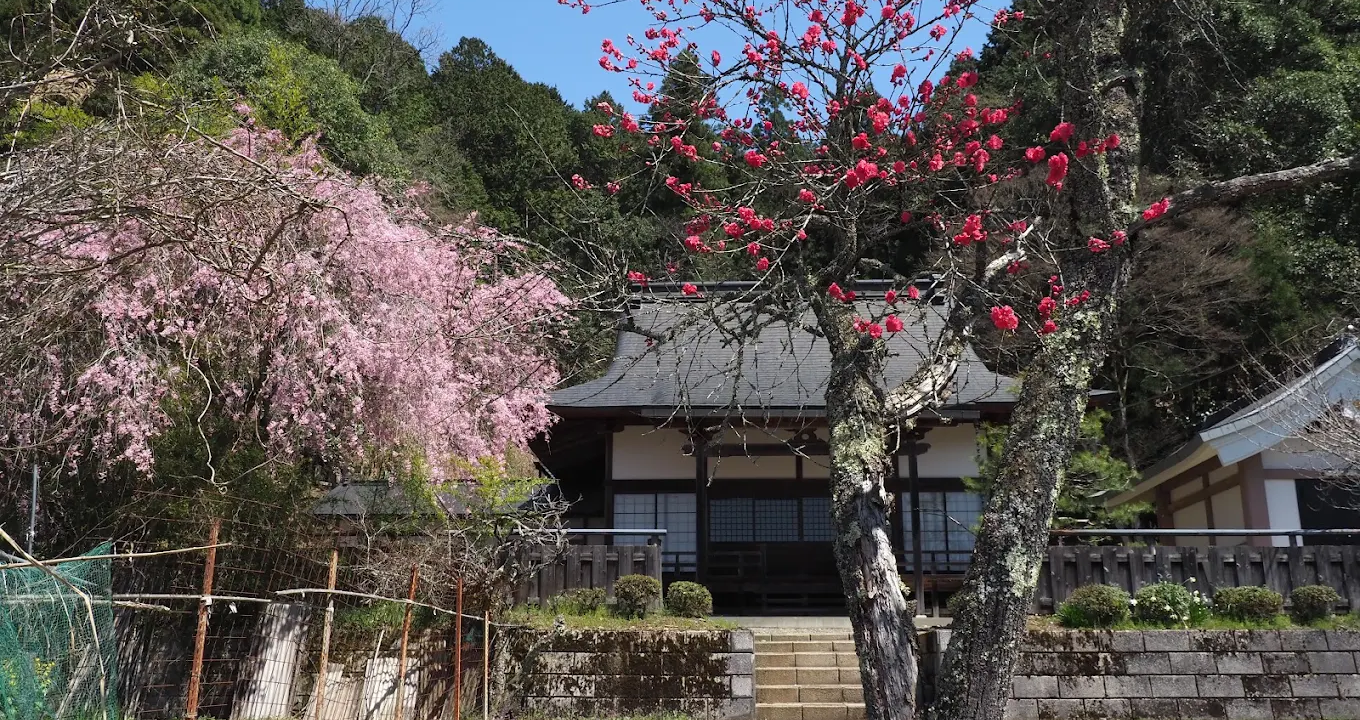
The grounds of Chudo-ji Temple are located in a quiet mountainous environment, surrounded by abundant nature. The temple layout, centered around the main hall, is not large in scale, but possesses a simple and tranquil atmosphere characteristic of a local temple.
The main hall houses the principal image of worship and functions as a venue for daily religious services and local religious activities. While the architectural style has undergone later renovations, it still conveys the appearance of a temple that has been protected by the local people throughout its long history.
Relationship with Hachiman Shrine
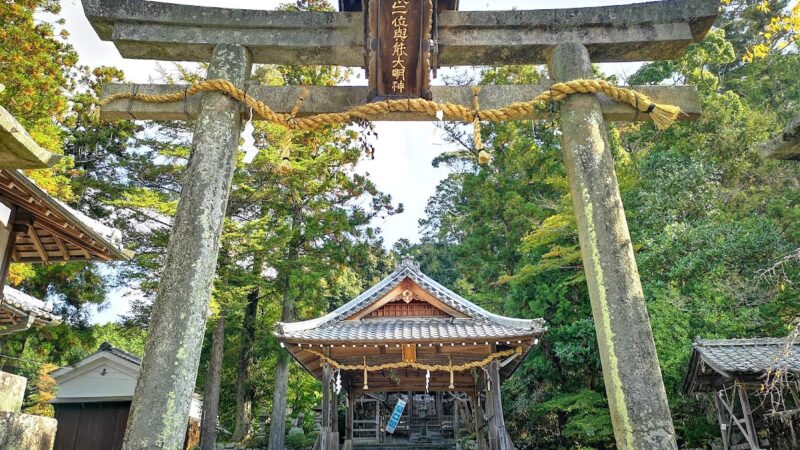
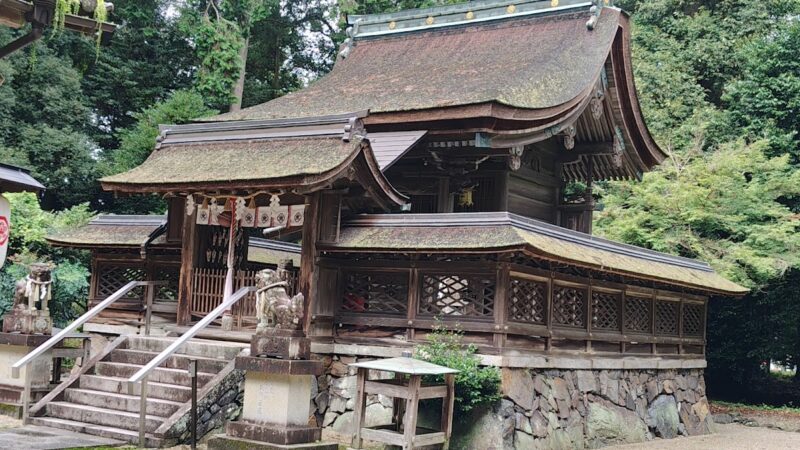
Hachiman Shrine, which was founded as a Jinguji (temple associated with a Shinto shrine) of Nakadoji Temple, still exists nearby and is revered as the local guardian deity. While many Jinguji temples throughout Japan were abolished or separated from shrines due to the Meiji-era policy of separating Shinto and Buddhism, Nakadoji Temple survived as an independent temple.
The relationship between shrines and temples has weakened in modern times, but historically it was closely intertwined and is an important element in understanding the local form of faith.
Surrounding Natural Environment
The Keihoku region is known as a particularly nature-rich area within Kyoto City. The area around Nakadoji Temple offers beautiful scenery throughout the seasons, displaying different expressions in each time of year: the fresh green of spring, the deep green of summer, the autumn foliage, and the snowy landscape of winter.
Especially during the autumn foliage season, the surrounding mountains are ablaze with color, and combined with the tranquil atmosphere of the temple, it deeply moves visitors. However, because it hasn’t been extensively developed as a tourist destination, a peaceful environment for worship is maintained.
Visiting Information
Visiting Hours and Admission Fees
It is recommended to check in advance regarding visiting hours for Chudoji Temple. As it is a small temple, it is not always open, and prior contact may be necessary if you wish to visit.
The important cultural property, the standing statue of Zochoten, is usually housed in a storage facility, and direct viewing may not be possible except on special occasions. If you wish to view it, it is important to inquire with the temple in advance.
Notes for Visitors
When visiting the temple, please observe the following points:
- Pray quietly and be considerate of other visitors and local residents.
- Take photographs only in designated areas.
- Do not touch cultural artifacts.
- Do not damage plants or buildings on the temple grounds.
- Always take your trash with you.
Small local temples are places of worship for local people, not tourist facilities. It is important to visit with respect.
Access Information
Access by Public Transportation
Access to Nakadoji Temple is a distance from central Kyoto, so planning your journey is necessary.
If using JR Bus:
- Take the JR Bus Takao/Keihoku Line from JR Kyoto Station or JR Nijo Station.
- Get off at the “Kaminaka” bus stop (approximately 60-90 minutes).
- Approximately 7 minutes on foot from the bus stop.
Since JR buses are infrequent, it is important to check the timetable in advance and be aware of the return bus schedule. Especially in winter, the sun sets early, so careful time management is necessary.
Access by Car
If using a private car or rental car, the following route is common:
From central Kyoto:
- Head north on National Route 162 (Shuzan Kaido)
- Enter the Keihoku area and follow the signs towards Kaminaka-cho
- The journey takes approximately 60-90 minutes from central Kyoto.
Regarding parking, due to the size of the temple, there may not be a large dedicated parking lot. It is recommended to check parking availability before visiting.
The road passes through mountainous areas, so there is a possibility of snow and icy roads in winter. If visiting in winter, snow tires or carrying snow chains are necessary.
Location Details
Address: 8 Tsutsueguchi, Kaminaka-cho, Keihoku, Ukyo-ku, Kyoto City, Kyoto Prefecture
Although the Keihoku area is incorporated into Kyoto City, it is located in a mountainous area considerably far from the city center. When using car navigation, searching by address or phone number will display the exact location.
Nearby Tourist Attractions
Kotohira Shrine
Located south of Chudoji Temple, Kotohira Shrine is a recommended spot for a stroll. As a shrine in the Keihoku region, it attracts local devotion, and visiting it along with Chudoji Temple will allow you to gain a deeper understanding of the region’s religious culture.
Since they are within walking distance, it’s a good idea to plan a route that includes visiting both if you have the time.
Other Temples and Shrines in the Keihoku Region
Besides Chudoji Temple, the Keihoku region is dotted with other historical temples and shrines:
- Josho-koji Temple: A Rinzai Zen temple founded by Emperor Kogon, designated as a national historical site.
- Fukutoku-ji Temple: A Shingon Buddhist temple housing important cultural property Buddhist statues.
- Yamaguni Shrine: A shrine associated with the Yamaguni Corps.
By visiting these temples and shrines, you can experience the rich history and culture of the Keihoku region.
Natural Scenic Spots
The Keihoku region is rich in nature and boasts the following scenic spots:
- Woody Keihoku: A roadside station where you can find local specialties and information.
- Upper Katsura River Basin: An area with beautiful clear streams and natural scenery.
- Forestry Experience Facility: A facility related to forestry, a traditional industry of Keihoku.
Culture and Local Products of the Keihoku Region
History of Forestry
The Keihoku region has long been known as a thriving forestry area. High-quality timber, known as Kitayama cedar and Keihoku cedar, has been used in the construction of temples, shrines, and tea houses in Kyoto, earning high praise.
When visiting Nakadoji Temple, paying attention to the region’s forestry culture will provide a deeper understanding.
Local Specialties
The Keihoku region boasts the following local specialties:
- Keihoku-produced wood products: Chopsticks, tableware, crafts, etc.
- Wild vegetables: Abundant wild vegetables are harvested in spring.
- River fish: River fish such as ayu (sweetfish) raised in clear streams.
- Agricultural products: High-altitude vegetables and rice.
These can be purchased at places like the “Woody Keihoku” roadside station, making them a great souvenir of your visit.
Best Season to Visit
Spring (March-May)
Spring is a beautiful season with fresh greenery and the beginning of wildflower blooms. The temperature is mild, making it ideal for walks. However, be aware of the large temperature fluctuations in early spring and dress accordingly.
Summer (June-August)
Summer offers a cooler environment for visiting, surrounded by lush greenery compared to urban areas. However, be aware of the sudden weather changes characteristic of mountainous regions.
Autumn (September-November)
Autumn is the most recommended time to visit, as the leaves change color beautifully. From late October to early November, the surrounding mountains are ablaze with color, offering a magnificent view.
Winter (December-February)
While winter offers beautiful snowscapes, there is a risk of snow accumulation and icy roads. When visiting, it is essential to check the weather and road conditions carefully and prepare winter equipment.
Summary
Located in Keihoku Kaminaka-cho, Ukyo-ku, Kyoto City, Nakadoji Temple is a historic Shingon sect Daikakuji school temple with a founding legend dating back to the Nara period. It houses the important cultural property, the standing statue of Zochoten, a masterpiece from the Heian period, and is a valuable presence that conveys the region’s faith and history to the present day.
Although it is some distance from the center of Kyoto City, it is a temple where you can slowly reflect on history in a quiet environment surrounded by abundant nature. Visiting it in conjunction with other temples, shrines, and natural landscapes in the Keihoku area will allow you to discover the profound charm of Kyoto.
When visiting, we recommend checking public transportation schedules and admission status in advance, and planning your trip with ample time to spare. Please enjoy the precious cultural assets and natural beauty while respecting the region’s history and culture.