Hokongoin Temple (Kyoto Prefecture) Complete Guide | History, Highlights, and Visiting Information for the Lotus Temple
Hokongoin Temple, located in Hanazono Ogino-cho, Ukyo-ku, Kyoto City, is an ancient Ritsu sect temple known nationwide as the “Lotus Temple.” As the 13th sacred site of the Kansai Flower Temples, it attracts many visitors, especially during the summer lotus viewing festival. This guide will introduce all the charms of this temple, from its history dating back to the Heian period, to its national treasure Buddha statues and its specially designated scenic Pure Land garden.
History of Hokongoin Temple | From a Heian Aristocrat’s Mountain Villa to a Temple Associated with the Emperor
Founded in the Early Heian Period and Futago-ji Temple
The history of Hokongoin Temple dates back to the early Heian period. It began when Kiyohara no Natsuno, who served as Minister of the Right, built a mountain villa in this Hanazono area. Kiyohara Natsuno was a nobleman also known as a scholar. After his death in 840 (Jōwa 7), his mountain villa was converted into a temple and named “Narabigaoka-dera” (Twin Hill Temple).
The name Narabigaoka-dera is thought to derive from the topography of the area. The Hanazono area has long been a scenic location where emperors and nobles built villas and summer residences, and Kiyohara Natsuno was likely captivated by its scenery.
Development into Ten’an-ji Temple
In 858 (Ten’an 2), Emperor Montoku built a large temple complex on this site and changed its name to “Ten’an-ji.” It gained prestige as an imperial temple and became one of the important temples in Heian-kyō (Kyoto). It is said that during this period, many halls and buildings stood side by side, and it flourished as a magnificent temple.
Restoration by Taikenmon-in and the Birth of Hokongo-in
In the late Heian period, the temple of Ten’an-ji, which had fallen into decline, was restored by Taikenmon-in, the empress consort of Emperor Toba. In 1130, Taikenmon-in rebuilt the temple as her own prayer temple and renamed it “Hokongo-in.”
Taikenmon-in was the daughter of Fujiwara no Kimizane and is also known as the mother of Emperor Sutoku. She was a devout Buddhist, and in restoring Hokongo-in, she aimed to recreate the Pure Land in this world, commissioning the creation of the principal image of Amida Buddha and developing the Pure Land garden. It can be said that the era of Taikenmon-in laid the foundation for the present-day Hokongo-in.
Restoration by Engaku Shonin in the Kamakura Period
In the Kamakura period, further restoration was carried out by Engaku Shonin, a monk of the Ritsu sect. Enkaku Shonin was a high-ranking priest who dedicated himself to the revival of Buddhist precepts, and he rebuilt Hokongoin Temple as a Ritsu sect temple. During this period, the temple’s scale and structure were established, creating the Hokongoin Temple we see today.
The Ritsu sect is a Buddhist sect with Toshodai-ji Temple in Nara as its head temple, and it emphasizes Buddhist precepts. Hokongoin Temple still belongs to the Ritsu sect and continues to uphold its traditions.
National Treasure Main Image | Artistic Value of the Seated Amida Buddha Statue
A Masterpiece of the Jocho Style
The seated Amida Buddha statue, the main image of Hokongoin Temple, is a masterpiece of late Heian period Buddhist sculpture, designated a National Treasure in 1950. The statue is approximately 2.27 meters tall (Jōroku) and is enshrined in the main hall.
This Buddha statue is made in a style known as “Jocho style.” Jōchō was a leading Buddhist sculptor of the mid-Heian period, best known for creating the Amida Buddha statue in Byōdō-in Phoenix Hall. The characteristics of Jōchō’s style include a gentle and graceful expression, well-proportioned body, and elegantly flowing drapery.
The Beauty of Buddhist Sculpture in the Late Heian Period
The seated Amida Buddha statue at Hōkongo-in Temple is believed to have been created around 1130 (Daishi 5), during the late Heian period, after Jōchō’s death, when Taikenmon-in restored the temple. While inheriting Jōchō’s style, it employs more refined techniques and is highly regarded as a representative work of late Heian period Buddhist sculpture.
It was created using the Yosegi-zukuri technique, a method of combining multiple pieces of wood. The surface is covered with lacquer and gold leaf, and its golden, shining appearance represents Amida Buddha himself in the Pure Land.
Viewing During Special Viewings
While regular viewings allow you to see the seated Amida Buddha statue enshrined in the main hall, special periods such as the spring special viewing offer opportunities to view the statue from a closer distance. This is a rare opportunity to see a national treasure statue up close, so it is recommended to check the official website in advance.
A Special Place of Scenic Beauty: Pure Land Garden | Recreating the Pure Land in the Present World
A Stroll Garden with a Pond from the Late Heian Period
The garden of Hokongoin Temple is a stroll garden with a pond from the late Heian period, designated as a National Special Place of Scenic Beauty in 1971. It was renovated when Taikenmon-in restored the temple, aiming to recreate the Pure Land in the present world.
At the center of the garden is a pond, and you can enjoy various landscapes while strolling around it. Heian period aristocrats likely gazed upon such a garden, wishing for rebirth in paradise and contemplating Buddhist teachings.
Japan’s Oldest Artificial Waterfall: Seijo-no-Taki
One of the garden’s greatest highlights is Seijo-no-Taki (Seijo Waterfall). This waterfall is considered Japan’s oldest artificial waterfall and is a valuable relic that conveys the high level of gardening technology of the Heian period.
Located on the north side of the pond, Seijo-no-Taki is a waterfall created using stonework. It was constructed using traditional techniques, as described in the Heian period gardening manual, “Sakuteiki,” making it an important resource for understanding the garden culture of that time.
The name “Seijo” is said to originate from a goddess in Chinese legend who brings frost. The sight of the pure water flowing down is thought to represent the purity of paradise.
Stonework and Plantings in the Garden
In addition to the waterfall, the garden features various stoneworks. These stones are arranged based on the aesthetic sensibilities of the Heian period, embodying the tradition of Japanese gardens that artificially recreate natural landscapes.
The planting is planned to showcase the beauty of each season, with cherry blossoms in spring, lotus flowers in summer, autumn leaves in fall, and camellias in winter, each displaying a different face with the changing seasons.
Hokongoin Temple as the “Temple of Lotuses” | The Charm of the Lotus Viewing Festival
Over 90 Varieties of Lotuses in Full Bloom
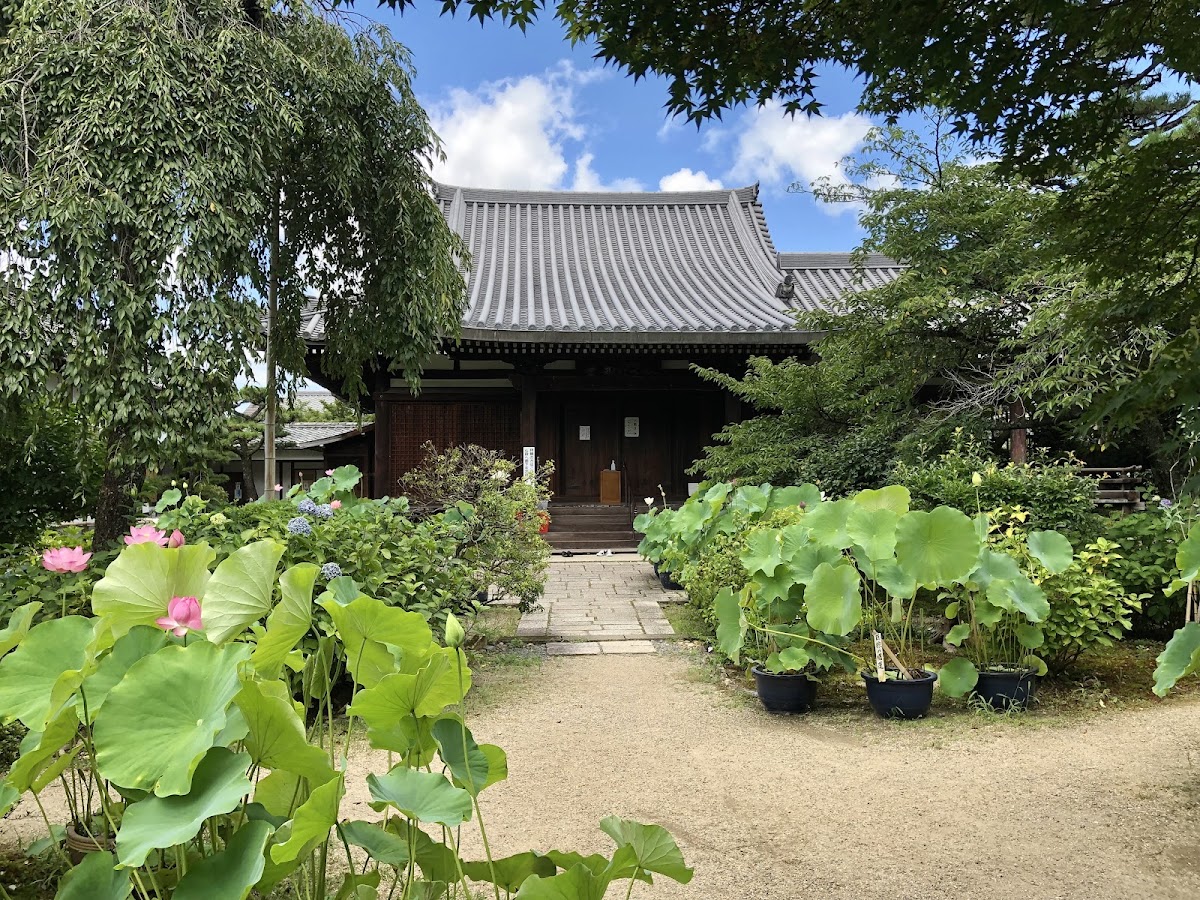
Hokongoin Temple is affectionately known as the “Temple of Lotuses” and is designated as the 13th sacred site of the Kansai Flower Temples. Over 90 varieties of lotus flowers are planted on the temple grounds, and their diversity and beauty are famous throughout Japan.
The lotus flower holds special significance in Buddhism. Because it blooms purely from the mud, it symbolizes the Buddhist teaching that enlightenment can be attained even amidst worldly desires. It is believed that there are lotus ponds in the Pure Land, and the lotus garden at Hokongoin Temple can truly be said to be a recreation of the Pure Land on earth.
Lotus Viewing Festival: Dates and Highlights
Every year from early July to early August, Hokongoin Temple holds its “Lotus Viewing Festival.” During this period, the temple gates open early in the morning, allowing visitors to admire the lotus flowers glistening with morning dew. Since lotus flowers open in the early morning and close in the afternoon, a morning visit is recommended to see their beauty.
During the Lotus Viewing Festival, the temple gates often open earlier than usual (around 7:00 AM), allowing visitors to enjoy the lotus flowers and gardens in the cool morning hours. The sight of the lotus flowers covering the surface of the pond is breathtaking, offering a truly refreshing and serene experience.
Lotus Varieties and Characteristics
Hokongoin Temple boasts various varieties of lotus flowers, including the Oga lotus, Sokuhiren lotus, and Oji lotus. Each variety differs in flower color, shape, and size, offering a diverse range of hues including white, pink, and crimson.
Rare varieties and historically significant lotus plants are cultivated here, making it a must-see spot for lotus enthusiasts.
Seasonal Flowers | Year-Round Highlights
Spring Flowers and Special Viewing
In spring, cherry blossoms and camellias adorn the temple grounds. Especially from late March to early April, special spring viewings are sometimes held, allowing visitors to enjoy a unique experience coinciding with the cherry blossom season.
Camellias bloom from winter to spring, adding vibrancy to the temple grounds. Hokongoin Temple cultivates various varieties of camellias, attracting attention from camellia lovers.
Summer Lotuses and Green Maple Leaves
While lotuses are the main attraction in summer, the green maple leaves on the temple grounds also create a beautiful landscape. The lush green grounds offer a refreshing atmosphere amidst Kyoto’s hot summer.
Autumn Leaves
In autumn, the maple leaves on the temple grounds begin to change color. The autumn foliage at Hokongoin Temple is known as a hidden gem, less crowded than more famous spots, allowing visitors to enjoy the autumn colors in a peaceful atmosphere.
You can admire the beautiful autumn scenery unique to a Jodo garden, such as the reflection of the leaves on the pond’s surface and the contrast between the stone arrangements and the foliage.
Winter Serenity and Camellias
In winter, Hokongoin Temple is less crowded, allowing for a peaceful and tranquil visit. Camellias bloom from winter to early spring, sometimes creating a beautiful scene in combination with the snowy landscape.
Other Cultural Assets and Highlights
Buddhist Statues
Besides the main image of the seated Amida Buddha, Hokongoin Temple houses other important Buddhist statues. These include a standing Eleven-faced Kannon Bodhisattva and a seated Monju Bodhisattva in monastic form, all dating from the Heian to Kamakura periods.
These statues exhibit characteristics of Buddhist sculpture from different eras, making them valuable resources for understanding the evolution of Buddhist art.
Bell Tower and Temple Bell
Within the temple grounds stands a bell tower, where a historic temple bell hangs. This bell is also a cultural asset with a long history, and its sound resonates throughout the Hanazono area.
Relics Associated with Taikenmon-in
Hokongo-in Temple also houses relics and works of art associated with Taikenmon-in. These are usually not open to the public, but may be displayed during special exhibitions.
Visiting Information | Things to Know Before Visiting
Visiting Hours and Admission Fees
Regular Visiting Hours
- Visiting Hours: 9:00 AM – 4:00 PM (Last entry 3:30 PM)
- Admission Fee: Adults 500 yen, Elementary and Junior High School Students 300 yen
Lotus Viewing Period (Early July – Early August)
- Visiting Hours: 7:00 AM – 4:00 PM (Early morning opening)
- Admission Fee: Same as regular
Spring Special Visiting Hours (Varies by Year)
- Period: Late March – Early April
- Visiting Hours: Please check
- Admission Fee: Please check
*Visiting hours and fees may change, so we recommend checking the official website or calling in advance.
Closed Days
There may be temporary closures, such as during the New Year holidays. Visiting may also be impossible during special events or memorial services, so it’s best to check in advance.
Estimated Time Required
The temple grounds are not very large, but if you want to leisurely appreciate the garden and view the Buddha statues in the main hall, you should allow about 30 minutes to an hour. If you want to enjoy the flowers thoroughly, such as during the lotus viewing season or autumn foliage season, it is recommended to allow a little more time.
Access Method | Access from Kyoto Station
Address and Basic Information
Address: 49 Hanazono Ogino-cho, Ukyo-ku, Kyoto City, 616-8044
Phone: 075-461-9428
Access by Train and Bus
Using JR
- Get off at Hanazono Station on the JR Sagano Line (San’in Main Line), then walk south for about 3 minutes.
From Kyoto Station, take the JR Sagano Line for about 15 minutes and get off at Hanazono Station. Hokongoin Temple is very close to the station, about a 3-minute walk, making train access the most convenient.
If using the city bus:
- Get off at the “Hanazono Oginomachi” bus stop on the Kyoto City Bus, approximately 2 minutes on foot.
- Kyoto City Bus routes 91 and Special 26 are available.
If using the Keifuku Electric Railway (Arashiyama Line):
- Get off at “Myoshinji Station” on the Kitano Line, approximately 10 minutes on foot.
Access by car and parking
Hokongoin Temple has a parking lot for visitors, but the number of spaces is limited. It may be full during peak seasons such as the Lotus Viewing Festival, so we recommend using public transportation.
Parking Information:
- Free parking available (limited number of spaces)
- If the parking lot is full, please use a nearby coin-operated parking lot.
Nearby Tourist Attractions | Highlights of the Hanazono Area
Myoshinji Temple
Myoshinji Temple, located approximately 10 minutes on foot from Hokongoin Temple, is the head temple of the Myoshinji branch of the Rinzai school of Zen Buddhism. The vast grounds contain many sub-temples, and you can visit important cultural property buildings and gardens. The gardens of Taizoin Temple and the special spring and autumn openings are particularly not to be missed.
Ninna-ji Temple
Ninna-ji Temple, a World Heritage Site, is located about a 15-minute walk from Hokongoin Temple. This temple, famous for its Omuro cherry blossoms and associated with the Imperial family, boasts numerous attractions, including the National Treasure Golden Hall and Five-Storied Pagoda.
Ryoan-ji Temple
Ryoan-ji Temple, world-famous for its rock garden, is also within walking distance (about 20 minutes) of Hokongoin Temple. A World Heritage Site, it offers a masterpiece of dry landscape garden design.
Toji-in Temple
Toji-in Temple, the family temple of the Ashikaga shogunate, is also nearby. It is known for its beautiful gardens and the wooden statues of successive Ashikaga shoguns.
Points to Note When Visiting Hokongoin Temple
Recommended Time to Visit
The best time to visit Hokongoin Temple is from early July to early August, when the lotus flowers are in bloom. During the Lotus Viewing Festival, the temple gates open early in the morning, allowing you to admire the beautiful lotus flowers in the cool morning hours.
The cherry blossoms and camellias in spring, and the autumn foliage season are also highly recommended. Especially during the autumn foliage season, it’s less crowded than famous spots, allowing you to enjoy the colors at a leisurely pace.
Photography
Photography is generally permitted within the temple grounds, but there are some areas where photography is prohibited, such as inside the main hall. Also, please note that prior permission may be required for the use of tripods or commercial photography.
When photographing lotus flowers, shooting in the soft early morning light will result in more beautiful photos. Many photographers visit during the Lotus Viewing Festival, so please observe proper etiquette.
Clothing and Items to Bring
If visiting during the summer Lotus Viewing Festival, even in the early morning, Kyoto summers are hot, so heatstroke prevention measures such as a hat, parasol, and drinks are necessary. Also, since there are stone paths and gravel paths within the garden, it is recommended to wear comfortable shoes.
Accessibility Information
While most of the temple grounds are flat, there are some areas with steps. If you wish to visit in a wheelchair, we recommend contacting us by phone in advance.
Annual Events at Hokongoin Temple
Lotus Viewing Festival (Early July to Early August)
The Lotus Viewing Festival is the most important annual event at Hokongoin Temple. During this period, the temple gates open early in the morning, and many visitors come to enjoy the lotus flowers.
Spring Special Viewing (Late March to Early April)
Held to coincide with the cherry blossom season, the Spring Special Viewing Festival offers a unique and special viewing experience. Availability and details vary each year, so please check the official website.
Other Ceremonies and Events
As a Buddhist temple, various ceremonies and events are held throughout the year. Some events are open to the public; please inquire if you are interested.
Notes and Manners for Visiting the Temple
Manners for Visiting
Hokongoin Temple is an active religious facility. Please observe the following manners when visiting:
- Visit quietly
- Remove your hat in the main hall
- Do not enter areas other than designated areas
- Do not damage or collect plants
- Take your trash with you
Notes on Photography
- Do not take photos in areas where photography is prohibited, such as inside the main hall
- Be considerate of other visitors
- Be mindful of your surroundings when using a tripod
- Be mindful of location information when posting on social media
Summary | Experience the Charms of Hokongoin Temple
Hokongoin Temple is a temple with diverse attractions, including a history dating back to the Heian period, national treasure Buddhist statues, a specially designated scenic Pure Land garden, and seasonal flowers. It is particularly highly regarded as a “Lotus Temple,” and during the lotus viewing season, you can enjoy a beautiful lotus landscape unlike any other.
One of its attractions is its excellent accessibility, being just a 3-minute walk from JR Hanazono Station. When sightseeing in Kyoto, be sure to visit Hokongoin Temple and experience its garden, which recreates the Pure Land of Paradise, its beautiful flowers, and the Buddhist art of the Heian period.
The world of the Pure Land envisioned by Taikenmonin still lives on in this Hanazono area. The time spent calming your mind in the tranquil temple grounds and contemplating Buddhist teachings will be a precious experience away from the hustle and bustle of everyday life.
As the 13th sacred site of the Kansai Flower Temples and a hidden gem of Kyoto, Hokongoin Temple continues to deeply move its visitors.