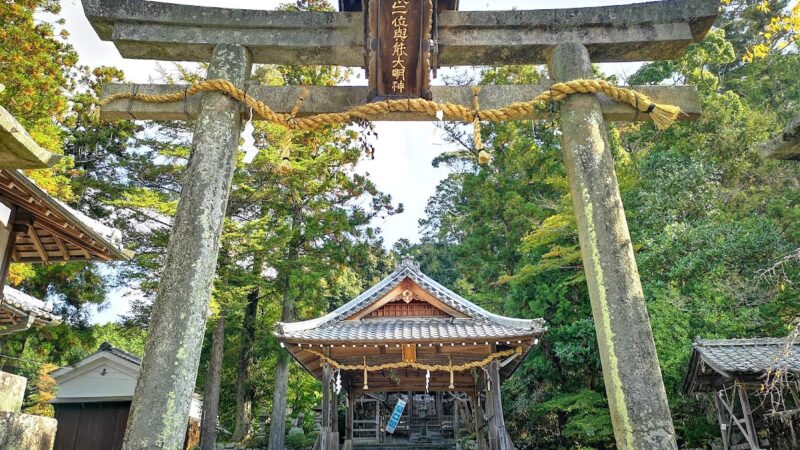
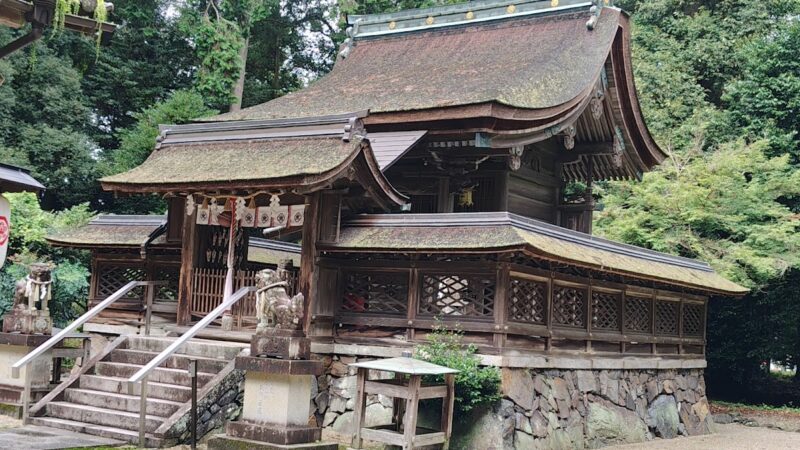
Gokuraku-ji Temple (Kamigyo-ku, Kyoto Prefecture) Complete Guide | A Jodo Sect Temple Associated with the Seven Wonders of Izumi and the Ako Forty-Seven Ronin
Located on Shichihonmatsu-dori, Izumi-sagaru, in Kamigyo-ku, Kyoto City, Gokuraku-ji Temple is a Jodo Sect temple deeply rooted in the local community. Its official name is Kaneyama Goyoin Gokuraku-ji, and it is known as a historical temple that tells two of the Seven Wonders of Izumi. This article provides a detailed introduction to Gokuraku-ji Temple, including its history, highlights, access methods, and surrounding area information.
Basic Information about Gokuraku-ji Temple
Location and Contact Information
Address: 282, Sanbancho, Shichihonmatsu-dori, Izumi-sagaru, Kamigyo-ku, Kyoto City, Kyoto Prefecture 602-8358
Phone Number: 075-811-0807
Sect: Jodo-shu (Pure Land Buddhism)
Mountain Name: Kinkokuzan
Temple Name: Goyoin
Principal Image: Amida Buddha
Gokuraku-ji Temple is located in a residential area of Kamigyo-ku, Kyoto City, and has long been a beloved temple serving as a center of local faith. Based on the teachings of the Jodo-shu sect, it enshrines Amida Buddha as its principal image.
History and Origins of Gokuraku-ji Temple
Founding and Changes of the Temple
While detailed records regarding the founding date of Gokuraku-ji Temple are limited, the mountain name Kinkokuzan indicates that this area has been called “Kinaya” since ancient times. As a Jodo sect temple, it has developed as a center of Pure Land Buddhism, preaching the salvation of Amida Buddha.
Deep Connections with the Ako Forty-Seven Ronin
One of the most noteworthy historical values of Gokuraku-ji Temple is its connection to the Ako Forty-Seven Ronin. It is said that Oishi Kuranosuke was the patron and enshrined the memorial tablet of Asano Takumi-no-kami at the temple. Because of this historical fact, Gokuraku-ji Temple is also known as a temple associated with the Chushingura (The Tale of the Forty-Seven Ronin).
Many relics of the ronin, such as chainmail and inkstone boxes, remain within the temple grounds and are preserved as valuable cultural assets that convey the samurai culture and spirit of loyalty of the Edo period. These relics are important from the perspective of historical research, as they serve as witnesses to the Ako Incident, a significant event in Japanese history.
The Seven Wonders of Izumi and Gokuraku-ji Temple
Historical Background of the Izumi Area
Izumi is a place name in Kamigyo-ku, Kyoto City, and was once a region blessed with abundant spring water. This region is home to legends and historical sites known as the “Seven Wonders of Izumi,” and Gokuraku-ji Temple preserves two of the most important of these wonders.
First Wonder: The Temple Gate with Unusual Side Entrances
The temple gate of Gokuraku-ji Temple possesses unique architectural features. The structure, with side entrances (kuguri-do) on both sides of the gate, is rare even within Kyoto Prefecture and is counted as one of the Seven Wonders of Izumi.
A side entrance is a small entrance separate from the main gate. Typically, temple gates have a main gate opened for ceremonies and religious services, and a smaller, everyday entrance. However, Gokuraku-ji Temple’s gate employs a unique form with side entrances on both sides.
This structure is thought to have been designed with the convenience of worshippers in mind, while also serving a defensive function. It is attracting attention as a valuable historical relic that conveys the ingenuity of Edo-period temple architecture to the present day.
The Second Mystery: Kinkokusui (Kinkoku Water)
Another of the seven mysteries of Gokuraku-ji Temple is a well called “Kinkokusui.” It is said that the water from this well was used by Toyotomi Hideyoshi at the “Kitano Grand Tea Ceremony” held at Kitano Tenmangu Shrine in 1587.
The Kitano Grand Tea Ceremony is known as the largest tea ceremony in history, hosted by Hideyoshi who invited tea masters from all over Japan, regardless of their social status. The fact that Kinkokusui was chosen for this ceremony speaks to the high quality of the water.
Kinkokusui is believed to be pure water that springs from Kyoto’s abundant underground water veins, and is soft water suitable for the tea ceremony. This well still remains today and is an important historical site that enhances the historical value of Gokuraku-ji Temple.
Highlights of Gokuraku-ji Temple
Main Hall and Amida Buddha Statue
The main hall of Gokuraku-ji Temple houses the principal image, Amida Buddha. Amida Buddha, central to the teachings of the Jodo sect, is the lord of the Western Pure Land and is worshipped as the Buddha who saves those who chant the Nembutsu (invocation of Amida Buddha).
The main hall’s architectural style features characteristics of traditional Kyoto temple architecture, allowing for a peaceful and tranquil atmosphere for worship.
Relics Related to the Ako Forty-Seven Ronin
As mentioned above, Gokuraku-ji Temple houses relics related to the Ako Forty-Seven Ronin. The chainmail is a piece of armor made from woven iron rings, worn to protect against sword attacks. The inkstone box is a writing implement used by the ronin to write letters and records.
These relics are usually not open to the public, but are carefully preserved as important cultural assets that demonstrate the temple’s historical value. For those interested in the Ako Incident or the Chushingura story, Gokuraku-ji Temple holds special significance as a pilgrimage site.
Atmosphere of the Temple Grounds
Although Gokuraku-ji Temple is located in a residential area, a quiet and peaceful space unfolds upon entering the temple grounds. Away from the hustle and bustle of the city, it offers a peaceful environment for worship.
Access and Nearest Station
Access by Train
Gokurakuji Temple is accessible on foot from several stations.
From JR Sagano Line “Enmachi Station”
- Approximately 11 minutes on foot (approximately 890 meters)
- Enmachi Station is about 10 minutes from Kyoto Station on the Sagano Line, making it a relatively easily accessible station.
From Keifuku Electric Railway Kitano Line “Kitano Hakubaicho Station”
- Approximately 13 minutes on foot (approximately 1 kilometer)
- This station is also convenient for accessing Kitano Tenmangu Shrine, allowing you to visit it in conjunction with other sightseeing in the area.
From Kyoto Municipal Subway Tozai Line “Nijo Station”
- Approximately 15 minutes on foot
- It is also close to Nijo Castle, making it convenient for combining with visits to other major tourist attractions in Kyoto City.
Access by Bus
If using Kyoto City Buses, the nearest bus stops are “Shichihonmatsu Izumi” or “Izumi”. Gokurakuji Temple is a few minutes’ walk from the bus stop.
Access by Car and Parking
Gokurakuji Temple is located in a residential area, so there is no dedicated large parking lot. If you are visiting by car, we recommend using nearby coin-operated parking lots or public transportation.
Nearby Tourist Attractions
Kitano Tenmangu Shrine
Within walking distance of Gokurakuji Temple is Kitano Tenmangu Shrine, dedicated to Sugawara no Michizane, known as the god of learning. It is also famous for its plum blossoms, and you can enjoy the beautiful blossoms from late February to early March every year.
Hirano Shrine
Hirano Shrine, known as a famous cherry blossom viewing spot, is also nearby. Approximately 400 cherry trees of about 60 varieties are planted there, and it is bustling with many cherry blossom viewers in the spring.
Kinkakuji Temple (Rokuonji Temple)
Heading northwest from Gokurakuji Temple, you will find Kinkakuji Temple, a World Heritage Site. As a representative tourist attraction of Kyoto, it attracts many tourists from both Japan and abroad.
Nijo Castle
To the east is Nijo Castle, a World Heritage Site, where you can see Edo-period castle architecture built by Tokugawa Ieyasu. It is also a historically important place as the site of the Taisei Hokan (restoration of imperial rule).
Guidelines for Visiting Gokuraku-ji Temple
Manners for Visiting
Gokuraku-ji Temple is a temple deeply rooted in the community, and local residents visit it regularly. Please observe the following points when visiting:
- Maintain Quietness: As it is located in a residential area, please refrain from speaking loudly.
- Photography: Photography is permitted on the temple grounds, but consideration for the interior of the main hall and other visitors is necessary.
- Visiting Hours: As with most temples, visiting is generally from early morning to evening.
- Offering: It is customary to offer a donation in the offering box when visiting.
Jodo Sect Worship Etiquette
The basic worship etiquette at Jodo Sect temples is as follows:
- Bow at the temple gate before entering the grounds.
- Cleanse your hands and mouth at the water basin.
- Join your hands in prayer in front of the main hall and chant “Namu Amida Butsu.”
- Bow deeply before leaving.
Gokuraku-ji Temple and the Teachings of the Jodo Sect
What is the Jodo Sect?
The Jodo Sect is a sect of Japanese Buddhism founded by Honen Shonin (1133-1212). It teaches that anyone can receive salvation from Amida Buddha and be reborn in the Pure Land by chanting “Namu Amida Butsu.”
Faith at Gokuraku-ji Temple
The temple name itself, Gokuraku-ji, represents the “Pure Land” that the Jodo Sect aims for. The principal image, Amida Buddha, is the lord of the Western Pure Land and a Buddha who has a vow to save all those who chant the Nembutsu.
Gokuraku-ji Temple holds Buddhist services and ceremonies based on the teachings of the Jodo sect, serving as a center of faith for the local people.
Temple Culture in Kamigyo Ward, Kyoto City
Historical Background of Kamigyo Ward
Kamigyo Ward in Kyoto City is located in the former center of Heian-kyo (Kyoto) and is an area where many temples and shrines are concentrated. It is also known as the Kyoto Imperial Palace and the production center of Nishijin-ori textiles, and is known as an area where traditional culture remains strong.
The Role of Temples Rooted in the Community
Community-oriented temples like Gokuraku-ji Temple have played a role not only as religious facilities but also as the center of the local community. They are deeply connected to the lives of local people through funerals, memorial services, and annual events.
Seasonal Attractions When Visiting Gokuraku-ji Temple
Spring (March-May)
Spring in Kyoto is famous for its cherry blossoms. You can enjoy cherry blossoms around Gokuraku-ji Temple, and visiting it along with Kitano Tenmangu Shrine and Hirano Shrine allows you to fully experience spring in Kyoto. ### Summer (June-August)
Summer is a beautiful season with lush greenery. You can enjoy a cool and peaceful visit to the temple grounds. Because Kyoto summers are hot, early morning or evening visits are recommended.
Autumn (September-November)
During Kyoto’s autumn foliage season, the entire city is bustling with tourists. Gokuraku-ji Temple is a relatively quiet hidden gem where you can enjoy the autumn scenery of Kyoto at a leisurely pace.
Winter (December-February)
Winter in Kyoto is less crowded with tourists, making it a season for quietly visiting temples. In late February, when the plum blossoms at Kitano Tenmangu Shrine begin to bloom, you can feel the arrival of early spring.
Nearby Temples around Gokuraku-ji Temple
Anyo-ji Temple
Nearby to Gokuraku-ji Temple are other Jodo sect temples, such as Anyo-ji Temple. Visiting these temples will allow you to gain a deeper understanding of Kyoto’s temple culture.
Suggested Temple Tour Route
Starting from Gokuraku-ji Temple, you can tour the surrounding temples using the following route:
- Gokuraku-ji Temple (Visit the Seven Wonders of Izumi)
- Kitano Tenmangu Shrine (Pray to the god of learning)
- Hirano Shrine (Stroll through the famous cherry blossom viewing spot)
- Kinkaku-ji Temple (Visit the World Heritage Site)
This route can be completed in half a day to a full day by combining walking and bus travel.
Cultural Value of Gokuraku-ji Temple
Architectural Historical Value
The structure of the small gate seen in the main gate of Gokuraku-ji Temple is a valuable example in the history of temple architecture in Kyoto. Studying such architectural styles provides important clues to understanding temple architecture techniques and regional characteristics during the Edo period.
Value as Historical Documents
The artifacts related to the Ako Forty-Seven Ronin are valuable primary sources for studying samurai culture during the Edo period and the historical event known as Chushingura. These artifacts hold high historical value as witnesses to the realities of the time that cannot be learned from written documents alone.
Folkloric Value
Gokuraku-ji Temple, which preserves the local legend of the Seven Wonders of Izumi, is an important place for studying Kyoto’s folk culture. Legends and traditions passed down in the region reflect the history of the land and the lives of its people, and are attracting attention from a folkloric perspective.
Planning a Visit to Gokuraku-ji Temple
Checking Visiting Information
When visiting Gokuraku-ji Temple, it is recommended to call in advance to check the visiting hours and any special events. As it is a community-oriented temple, the procedures may differ from those of typical tourist temples.
Estimated Time Required
A visit to Gokuraku-ji Temple alone can be completed in about 20-30 minutes. However, if you want to learn more about the Seven Wonders of Izumi or visit other temples and shrines in the surrounding area, it is advisable to allocate more time.
Recommended Attire
As it is a temple visit, modest clothing is preferable. Also, since you’ll be walking around the temple grounds, choose comfortable shoes. Don’t forget a parasol or hat in the summer, and warm clothing in the winter.
Summary: The Charm and Significance of Visiting Gokuraku-ji Temple
Gokuraku-ji Temple, located in Kamigyo-ku, Kyoto City, is a hidden gem not often featured in tourist guidebooks. However, it possesses unique historical value, including the Seven Wonders of Izumi and artifacts related to the Ako Forty-Seven Ronin.
With its unusual gate featuring a small side door, the Kanaya water said to have been used at Toyotomi Hideyoshi’s Kitano Grand Tea Ceremony, and the memorial tablet of Asano Takumi-no-kami donated by Oishi Kuranosuke, this small temple offers many points of interest, making it especially recommended for those interested in Kyoto’s history and culture.
For those who want to escape the hustle and bustle of famous tourist spots and quietly contemplate Kyoto’s history, those interested in the Ako Forty-Seven Ronin and the Chushingura story, and those who want to learn about the Jodo sect of Buddhism, Gokuraku-ji Temple is a place well worth visiting.
Combining a visit to Gokurakuji Temple with other famous tourist spots like Kitano Tenmangu Shrine and Kinkakuji Temple will make your Kyoto sightseeing experience even more fulfilling. When you visit Kamigyo Ward in Kyoto City, why not take a trip to Gokurakuji Temple as well?