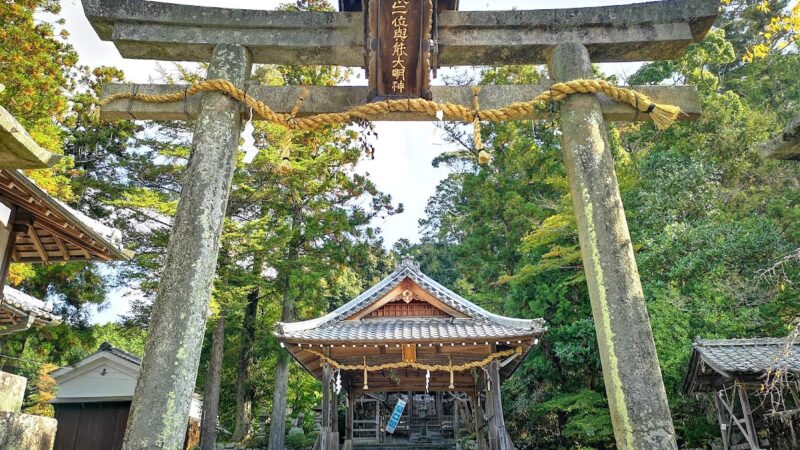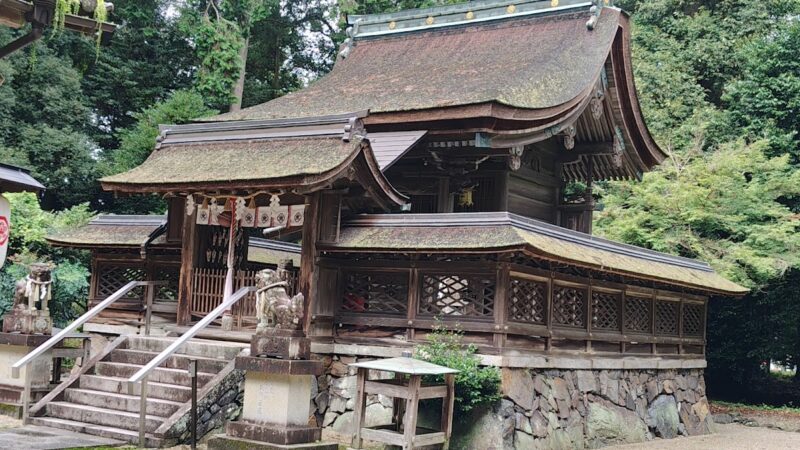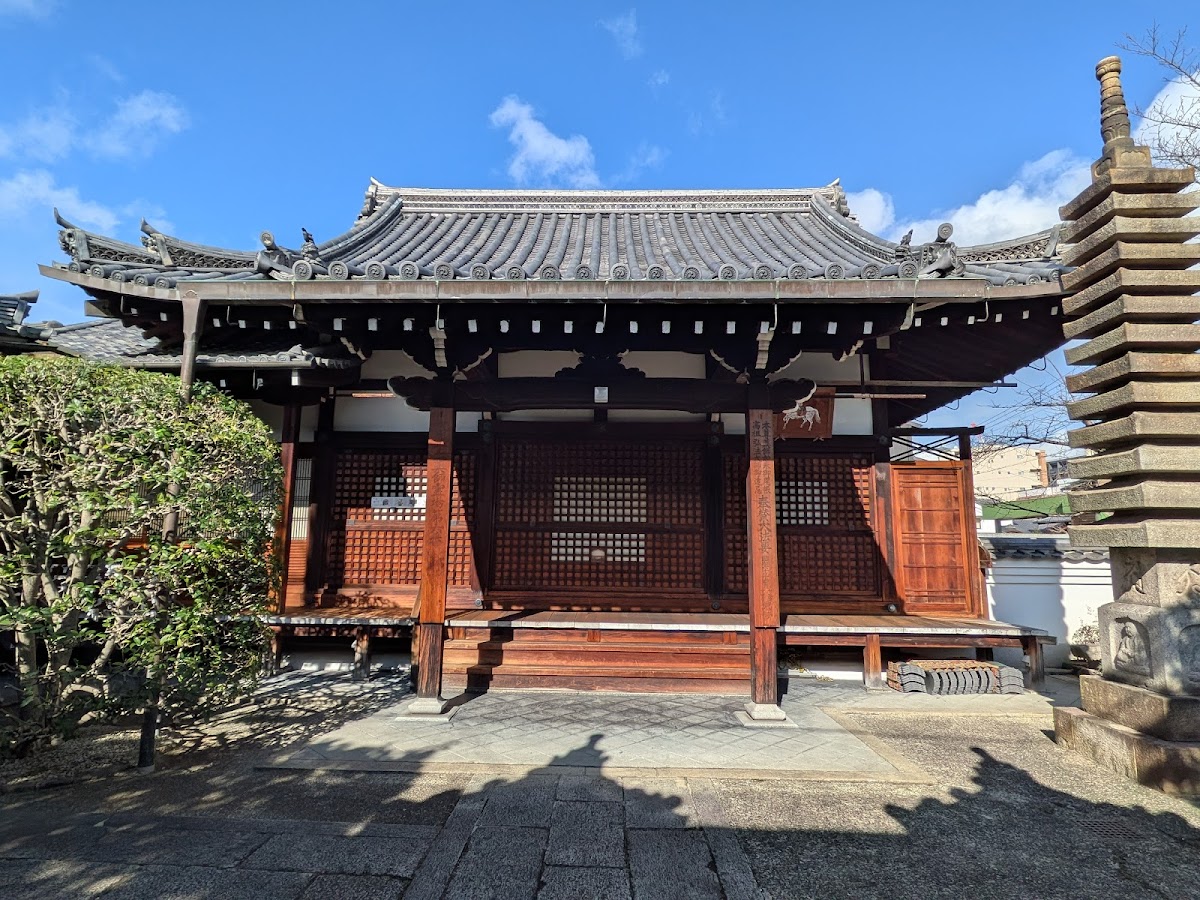
Fukushoji Temple (Kamigyo Ward, Kyoto Prefecture) Complete Guide | History, Goshuin (Temple Seal), and Access Information for the Gourd Temple
Fukushoji Temple, located along Izumi-dori Street in Kamigyo Ward, Kyoto City, is a Shingon sect Zentsuji school temple widely known as “Hyotan-dera” (Gourd Temple) or “Mine Yakushi” (Mine Yakushi). It is a beloved ancient temple with diverse attractions, including the legend of Toyotomi Hideyoshi praying for military success with a thousand gourds, its deep connection to the Imperial family, and its gourd-shaped amulets for the Setsubun festival.
This article comprehensively guides you through everything you need to know before visiting Fukushoji Temple, from its history and highlights to goshuin information and access methods.
Basic Information about Fukushōji Temple
Official Name: Chikurinzan Fukushōji
Sect: Shingon-shu Zentsuji-ha
Principal Image: Yakushi Nyorai (Mine Yakushi)
Common Name: Hyotan-dera, Mine Yakushi, Sakura-dera
Founder: Kobo Daishi (tradition)
Restoration: Kakusai Shonin (Shōka era, 1257-1259)
Location and Contact Information
Address: 323-1, Nanaban-cho, Senbon-nishi-iri, Izumidori, Kamigyo-ku, Kyoto City, Kyoto Prefecture 602-8359
Phone: 075-841-5818
Visiting Hours: 8:30 AM – 4:30 PM (Open from 5:00 AM on the 1st and 16th of each month)
Admission Fee: Free entry to the grounds (Please check for special viewing hours)
History of Fukushoji Temple
Founding and the Kawachi Province Era
There are various theories regarding the founding of Fukushoji Temple, but it is generally believed to have been originally founded in Kawachi Province (present-day eastern Osaka Prefecture). The founding priest is said to be Kobo Daishi Kukai, and from its inception, it was a center of Yakushi Nyorai worship as a training ground for Shingon Esoteric Buddhism.
The principal image, Yakushi Nyorai, is called “Mine Yakushi” (Peak Yakushi), and has long attracted the faith of people praying for healing from illness and longevity. This nickname, “Mine Yakushi,” is said to originate from the fact that the temple was once located on a mountain peak, or it is said to represent the high level of Yakushi Nyorai’s divine power.
Relocation to Kyoto and Restoration
During the Shoka era (1257-1259), Fukushoji Temple was relocated to Kyoto by Kakusai Shonin. This period corresponds to the mid-Kamakura period, a time when many temples in Kyoto were repeatedly restored and relocated.
Relocation to Kyoto and Restoration
After relocating to Kyoto, Fukushoji Temple settled in its current location at Izumidori Senbon Nishi-iri, Kamigyo-ku. This area was the site of the samurai district of Jurakudai, built by Toyotomi Hideyoshi during the Momoyama period, and is now known as “Teramachi” (temple town) due to the concentration of temples of various sects in the surrounding area.
Deep Connections with the Imperial Family and the Euphemism “Sakura-dera” (Cherry Blossom Temple)
Fukushoji Temple has received deep reverence from successive generations of the Imperial Family. In particular, Emperor Go-Sai (reigned 1655-1663) was a devout follower of Fukushoji Temple, and records show that he planted a cherry tree from the left-hand side of the Imperial Palace.
Because of this historically significant cherry tree, Fukushoji Temple also came to be known by the elegant euphemism “Sakura-dera” (Cherry Blossom Temple). In spring, beautiful cherry blossoms bloom throughout the temple grounds, making it a popular spot for cherry blossom viewing among local residents.
The Legend of Toyotomi Hideyoshi and the Thousand Gourd
Fukushoji Temple became widely known as “Hyotan-dera” (Gourd Temple) due to its connection with Toyotomi Hideyoshi.
It is said that Hideyoshi, who aimed to unify Japan, visited Fukushoji Temple before going into battle to pray for good fortune in battle. At that time, Hideyoshi donated his battle standard, the Thousand Gourd, to the temple. Hideyoshi’s Thousand Gourd was known not only as a water bottle on the battlefield but also as a lucky charm, and was a symbol of Hideyoshi’s many victories.
In commemoration of this story, Fukushoji Temple began giving out gourd-shaped amulets at its Setsubun festival, and the friendly nickname “Hyotan-dera” became established.
Changes Since the Edo Period
Throughout the Edo period, Fukushoji Temple functioned as a center of local faith. However, like many temples, it experienced a period of decline amidst the anti-Buddhist movement and modernization following the Meiji Restoration. During the Showa era, reconstruction progressed thanks to the efforts of local residents and parishioners, resulting in the current temple complex. Valuable cultural assets that survived war and fire were preserved, and the temple continues to function as a community-based institution to this day.
Highlights of the Temple Grounds
Main Hall and Yakushi Nyorai
The main hall of Fukushoji Temple houses the principal image, Yakushi Nyorai (Medicine Buddha). This Buddha statue, worshipped as “Mine Yakushi,” is believed to bring healing from illness, longevity, and protection from evil, attracting many worshippers.
Yakushi Nyorai is often depicted holding a medicine jar in his left hand and forming the Abhaya Mudra (gesture of fearlessness) with his right hand, and is revered as a Buddha who relieves the suffering of all sentient beings.
Gourd-Related Decorations
Befitting its nickname, “Gourd Temple,” the temple grounds feature gourd-themed decorations throughout. Gourd designs are used in various places, such as the temple gate, the decorations of the main hall, votive tablets, and amulets, delighting visitors.
Cherry Tree
The cherry tree associated with Emperor Go-Sai blooms beautifully in spring. This cherry tree, said to be descended from the Sakon-no-Sakura of the Imperial Palace, has high historical value, and many worshippers and local residents visit during the cherry blossom season.
Garden and Tranquil Space
The grounds of Fukushoji Temple offer a tranquil space away from the hustle and bustle of the city. The well-maintained garden allows visitors to enjoy seasonal flowers and plants, creating a peaceful environment for worship.
Annual Events and Setsubun Festival
Setsubun Festival and Gourd Amulets
Among Fukushoji Temple’s annual events, the Setsubun Festival held every February is particularly famous. Many worshippers visit on this day, participating in bean-throwing and goma fire rituals.
The most distinctive feature of the Setsubun festival is the distribution of gourd-shaped amulets, known as “hyotan-mamori” (gourd amulets). These amulets are inspired by Toyotomi Hideyoshi’s “Senari Hyotan” (thousand gourds) and are believed to bring good fortune, business prosperity, and good health. The gourd itself is considered a lucky charm due to the wordplay “rokuhyo” (six gourds) sounding like “mubyo” (six gourds = no illness), and many people seek them out.
Early Morning Opening on the 1st and 16th of Each Month
Fukushoji Temple opens its gates earlier than usual, at 5:00 AM, on the 1st and 16th of each month. This is a custom related to the auspicious day of Yakushi Nyorai (Medicine Buddha), and devout worshippers can be seen visiting the temple early in the morning. Praying in the tranquil early morning grounds will be a special experience.
Other Annual Events
- Hatsumode (January 1st-3rd): Prayers for good health and protection from illness in the new year
- Spring Equinox Service (March): Memorial service for ancestors
- Hanamatsuri (April 8th): Memorial service celebrating the birth of Buddha
- Obon Festival (August): Memorial service for ancestors
- Autumn Equinox Service (September): Memorial service for ancestors
- New Year’s Eve Bell Ringing (December 31st): Ringing the bell to signal the end of the year
Goshuin (Temple Seal) Information
Fukushōji Temple offers Goshuin (temple seals).
Contents of the Goshuin (temple stamp):
- Calligraphy of “Yakushi Nyorai” or “Mine Yakushi” in the center
- Temple seal and mountain name seal
- Date
Issuance Hours: During visiting hours (8:30 AM – 4:30 PM)
Donation Fee: Approximately 300-500 yen (subject to change)
Original Goshuin Notebook: A goshuin notebook featuring a gourd design is also available.
Those wishing to receive a Goshuin should visit the main hall and then speak to the temple office staff. There may be a short wait during busy times.
Access Methods
Access by Train and Bus
Nearest Station:
- JR Sanin Main Line (Sagano Line) “Nijo Station”
Approximately 15 minutes on foot (approx. 1.2 km)
- Kyoto Municipal Subway Tozai Line “Nijojo-mae Station”
Approximately 20 minutes on foot (approx. 1.5 km)
- Randen (Keifuku Electric Railway) “Nishioji Sanjo Station”
Approximately 15 minutes on foot
Using City Bus:
The easiest way to access is by city bus.
- Get off at the “Senbon Izumi” bus stop, approximately 1 minute walk.
- From Kyoto Station: City Bus Route 206 (approx. 30 minutes)
- From Shijo Kawaramachi: City Bus Routes 10, 46, 59, etc.
- From Kitaoji Bus Terminal: City Bus Route 206
After getting off at the “Senbon Izumi” bus stop, walk a short distance west along Izumi-dori Street and you will see the main gate of Fukushoji Temple.
Access by Car
From central Kyoto: Approximately 10-15 minutes
From Meishin Expressway “Kyoto Minami IC”: Approximately 30 minutes
From Hanshin Expressway Route 8 Kyoto Line “Kamitoba Exit”: Approximately 20 minutes
Parking: There is a small parking space for visitors on the temple grounds, but the number of spaces is limited, so we recommend using public transportation. There are also coin-operated parking lots nearby.
Landmarks in the Area
Fukushōji Temple is located west of the intersection of Senbon-dori and Izumi-dori. The surrounding area is a quiet neighborhood with a mix of residential areas and temples, known as “Teramachi” (temple town) due to its many temples.
Nearby Attractions
When visiting Fukushōji Temple, we recommend also visiting the nearby tourist spots.
Senbon Shakadō (Daihōonji Temple)
A Shingon-shu Chizan-ha temple located about a 10-minute walk from Fukushōji Temple. It houses a National Treasure main hall and numerous Important Cultural Property Buddhist statues, and is also known for the “Okame Legend.” It is famous for its daikon-daki (radish stew) in December.
Kitano Tenmangū Shrine
Approximately 1.5 km north of Fukushōji Temple, about a 20-minute walk. The head shrine of all Tenmangū shrines nationwide, dedicated to Sugawara no Michizane, the god of learning. It is also known as a famous spot for plum blossoms and autumn leaves, and the Tenjin-ichi (festival) held on the 25th of each month is bustling with people.
Hirano Shrine
Located near Kitano Tenmangu Shrine, approximately 2km from Fukushoji Temple. Famous for its cherry blossoms, it boasts about 400 cherry trees of approximately 60 varieties. A historic shrine dating back to the Heian period.
Nijo Castle
Approximately 1.5km east of Fukushoji Temple. A castle associated with Tokugawa Ieyasu, registered as a World Heritage Site. It offers numerous attractions, including the sliding screen paintings in the Ninomaru Palace and the “nightingale floor corridor.”
Nishijin Area
The area north of Fukushoji Temple is the Nishijin area, famous for Nishijin weaving. You can experience Kyoto’s traditional industry at weaving workshops and the Nishijin Textile Center.
The Charm of Fukushoji Temple and Points to Note When Visiting
A Locally Rooted “Commonly Named Temple”
Fukushoji Temple is one of Kyoto’s “commonly known temples.” A “commonly known temple” is a temple that is more familiar by its common name than its official name. Kyoto has many such temples, including “Daruma Temple” and “Suzumushi Temple.” The nickname “Hyotan Temple” (Gourd Temple) is a testament to its long-standing popularity among locals.
A Quiet Environment for Worship
One of the charms of Fukushoji Temple is that it is not crowded like famous tourist temples, allowing for a peaceful worship experience. It functions as a place of worship for local people, offering a glimpse into the daily life of Kyoto.
Romance of History and Legend
Fukushoji Temple is steeped in diverse history and legends, including the founding legend of Kobo Daishi, the cherry blossoms of Emperor Gosai, and Toyotomi Hideyoshi’s thousand gourds. You can feel the weight of history that has continued to the present day, connected to powerful figures and the imperial family of each era.
Gourds as Auspicious Symbols
Gourds have been considered auspicious symbols since ancient times. The gourd’s shape, its auspicious shape (“sue-hagai”), the wordplay on “rokubyō” (six gourds) sounding like “mubyō” (no illness), and the proverb “a horse comes out of a gourd” all contribute to its symbolism of good fortune. Fukushōji Temple’s gourd amulets carry on these traditional beliefs.
Notes and Manners for Visiting the Temple
Basic Manners for Visiting the Temple
- Bow before passing through the temple gate
- Cleanse your hands and mouth at the water basin
- Quietly join your hands and bow in the main hall
- Take photographs only in designated areas
- Maintain silence within the temple grounds
Regarding Attire
There are no specific dress code requirements, but please dress appropriately and respectfully for a temple visit.
Checking Visiting Hours
Normal visiting hours are 8:30 AM to 4:30 PM, but these may change due to religious services or events. If visiting on a special day, it is recommended to check by phone in advance.
Fukushoji Temple and the Shingon-shu Zentsuji School
Fukushoji Temple belongs to the Shingon-shu Zentsuji School, a branch of the Shingon sect with its head temple, Zentsuji Temple in Zentsuji City, Kagawa Prefecture, the birthplace of Kobo Daishi Kukai.
Shingon Buddhism is a sect of esoteric Buddhism founded by Kukai in the early Heian period, and it preaches the doctrine of “Sokushin Jobutsu” (becoming a Buddha in this very body). The Shingon-shu Zentsuji School has approximately 900 temples throughout Japan, centered around Zentsuji Temple, which is also the 75th temple on the Shikoku Pilgrimage.
Fukushoji Temple also inherits the tradition of Shingon Esoteric Buddhism, and functions as a spiritual center for the local people, centering on the faith in Yakushi Nyorai (Medicine Buddha).
Summary: The Charm of Visiting Fukushoji Temple
Fukushoji Temple, located in Kamigyo Ward, Kyoto City, is a temple rich in history and legend, affectionately known as “Hyotan-dera” (Gourd Temple) and “Mine Yakushi” (Mountain Yakushi). Fukushoji Temple boasts a variety of attractions, including the legend of Toyotomi Hideyoshi’s thousand gourds, cherry blossoms associated with Emperor Go-Sai, and gourd amulets for the Setsubun festival.
Fukushoji Temple is characterized by its quiet environment, away from the hustle and bustle of famous tourist spots, allowing for a peaceful visit. As a “commonly known temple” deeply rooted in the community, it is a valuable place to experience the daily faith of the people of Kyoto.
Located near the intersection of Senbon-dori and Izumi-dori, Fukushoji Temple is easily accessible. When sightseeing in Kyoto, be sure to visit. You are sure to receive the blessings of Yakushi Nyorai and the auspiciousness of the gourd.
Frequently Asked Questions (FAQ)
How much is the entrance fee for Fukushoji Temple?
Entry to the grounds of Fukushoji Temple is generally free. However, there may be separate fees for special viewings or events, so please check in advance.
Can I get a Goshuin (temple stamp)?
Yes, Fukushoji Temple offers Goshuin. Please visit the main hall during visiting hours (8:30 AM to 4:30 PM) and then speak to the temple office. The offering fee is approximately 300 to 500 yen.
When is the Setsubun Festival held?
The Setsubun Festival is held annually on Setsubun Day in February (around February 3rd). On this day, bean-throwing and goma (fire ritual) ceremonies are held, and the temple’s famous “gourd amulet” is given out. Please contact the temple for specific times.
Is there parking available?
There is a limited number of parking spaces for visitors on the temple grounds. We recommend using public transportation whenever possible. There are also coin-operated parking lots nearby.
What is the nearest bus stop?
The nearest bus stop is “Senbon Izumi,” approximately a 1-minute walk from the bus stop. From Kyoto Station, take city bus route 206 (approximately 30 minutes). From Shijo Kawaramachi, you can take city bus route 10, etc.
Why is it called “Hyotan-dera” (Gourd Temple)?
It originates from a legend that Toyotomi Hideyoshi donated a thousand gourds to the temple to pray for military success. Because gourd-shaped amulets are given out during the Setsubun festival, it has become affectionately known as “Hyotan-dera.”
Is photography allowed?
Photography is generally permitted on the temple grounds, but photography inside the main hall and of Buddha statues may be prohibited. Please check with the temple office or the posted notices before taking photos.
Is it accessible for wheelchair users?
The temple grounds are relatively flat, but there are some areas with steps. If you wish to visit in a wheelchair, we recommend contacting the temple in advance.