Hosenji Temple (Kagawa Prefecture, Kanonji City) Complete Guide | Famous Autumn Foliage Spot, History, and Access Information
Hosenji Temple, nestled in the quiet mountains of Ohnohara-cho, Kanonji City, Kagawa Prefecture, is a Jodo Shinshu Honganji-ha temple beloved by locals as a famous spot for autumn foliage. Approximately 30 maple trees, including some 100 to 150 years old, adorn the temple grounds, and it is known as the “Three-Colored Maple Temple,” where a single tree displays three colors: red, vermilion, and yellow. This article provides a detailed explanation of Hosenji Temple’s history, highlights, seasonal attractions, and access information.
History and Origin of Hosenji Temple
Background of its Founding and Connection to Shinran Shonin
Hosenji Temple belongs to the Jodo Shinshu Honganji-ha sect, and its official name is “Saishōzan Hosenji.” The temple’s founding is deeply connected to Fujita Mitazaemon Tsunekiyo, a samurai of the Kamakura period who received teachings from Shinran Shonin.
According to legend, when Fujita Tsunekiyo prayed for seven days at the Kannon Hall of Unpenji Temple, Kannon Bodhisattva appeared to him in the form of a young boy and guided him to a hermitage in the valley. This mystical experience became the origin of Hosenji Temple’s founding, and since then, it has carved out a long history as a center of faith in the region.
As a Jodo Shinshu Honganji-ha Temple
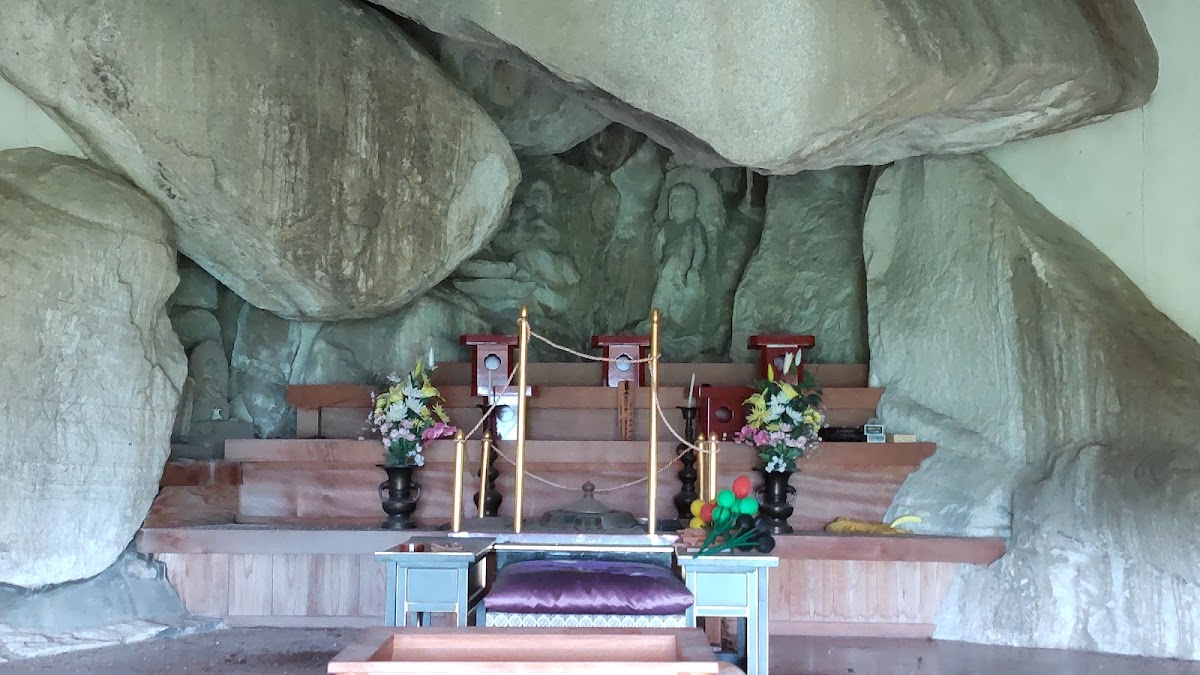
Hosenji Temple is a Jodo Shinshu Honganji-ha (Nishi Honganji-ha) temple, with Amida Buddha as its principal deity. Based on the Shinran Shonin’s teaching of “reliance on the power of others,” it has functioned as a spiritual haven for the local residents. Its tranquil mountainous location provides an ideal space for quietly studying Buddhist teachings and finding peace of mind.
Located in Tanono, Ohnohara-cho, Kanonji City, Hosenji Temple is nestled in the foothills of the Asan Mountains, retaining a strong sense of rural charm far removed from the hustle and bustle of urban areas.
Highlights of Hosenji Temple
Autumn Leaves on the Temple Grounds | One of Kagawa Prefecture’s Top Autumn Foliage Spots
The greatest attraction of Hosenji Temple is undoubtedly the breathtaking autumn foliage that can be seen in late autumn. Approximately 20 to 30 maple trees are planted on the temple grounds, including several ancient trees estimated to be 100 to 150 years old.
Due to the large temperature difference between day and night characteristic of mountainous regions, the maple leaves turn particularly vibrant colors, with a beautiful gradient of red, vermilion, and yellow coloring the entire temple grounds. Particularly noteworthy is the phenomenon known as “three-colored maple,” where red, vermilion, and yellow simultaneously appear on a single tree—a true work of art created by nature.
The best time to see the autumn leaves is usually from mid- to late November. During this time, the “Hosenji Maple Festival” is held, attracting many tourists and photography enthusiasts.
Kagawa Prefecture’s Protected Tree: “Bodhi Tree”
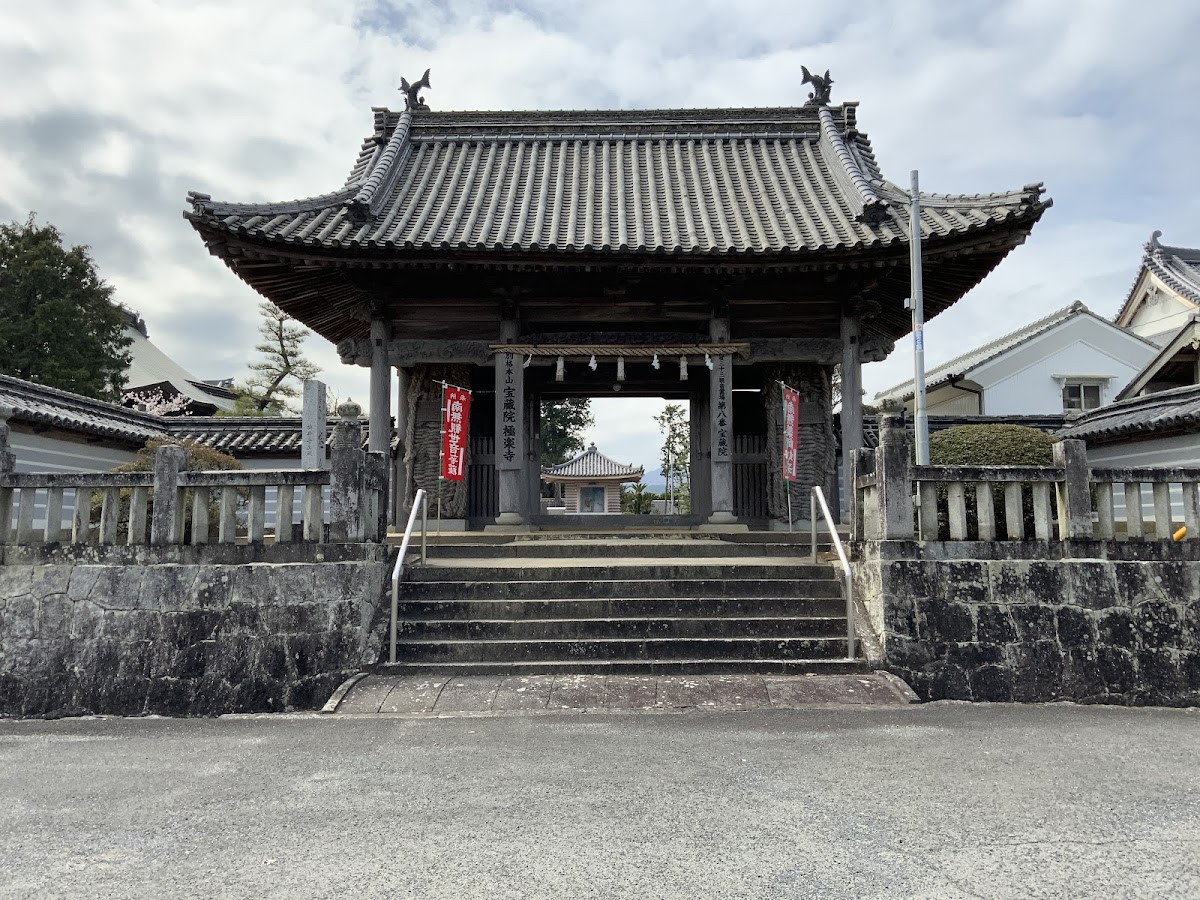
To the left of Hosenji Temple’s main gate stands a Bodhi tree, designated as a protected tree by Kagawa Prefecture. This giant tree, estimated to be about 400 years old, holds special significance in Buddhist temples as it is the same species as the Bodhi tree under which Buddha attained enlightenment.
In early summer, the Bodhi tree blooms with small, pale yellow flowers, filling the temple grounds with a sweet fragrance. Its powerful presence, even after 400 years, deeply impresses visitors.
Kanonji City’s Designated Cultural Property: “Podocarpus macrophyllus”
Another tree, a “Podocarpus macrophyllus,” designated as a cultural property (natural monument) by Kanonji City, is also planted on the temple grounds. Podocarpus macrophyllus, also written as Rakanmaki, is an evergreen coniferous tree that is a variety of Podocarpus macrophyllus, characterized by its short, densely growing leaves.
This particular Podocarpus macrophyllus is estimated to be about 400 years old and, alongside the Bodhi tree, is a valuable natural monument that tells the history of Hosenji Temple. Due to its beautiful form and rarity, it is protected as a botanically valuable specimen.
The exceptionally tall ginkgo tree
During the autumn foliage season, the exceptionally tall ginkgo tree in the temple grounds is not to be missed. The golden ginkgo leaves, contrasting with the red and vermilion of the maple leaves, add a vibrant splash of color to the temple grounds.
In autumn, the ginkgo trees all turn yellow at once, and when the leaves fall, the temple grounds are covered in a golden carpet. The contrast of colors created by the maple, ginkgo, and evergreen Podocarpus macrophyllus creates a unique and beautiful landscape at Hosenji Temple.
Hosenji Temple Maple Festival
Festival Overview and Dates
The Hosenji Temple Maple Festival is a well-known autumn event held every November. Held to coincide with the peak of the autumn foliage, it attracts many worshippers and tourists from both within and outside Kanonji City.
During the festival, the temple grounds are specially opened to the public, transforming the usually tranquil mountain temple into a lively spectacle. It offers a precious opportunity to enjoy the scenic beauty of the countryside and spend a relaxing autumn day.
Outdoor Tea Ceremony and Bazaar
A major event of the Maple Festival is the outdoor tea ceremony (Nodate Chakai). Surrounded by autumn leaves, visitors can enjoy tea served by local tea ceremony enthusiasts, a luxurious experience that combines traditional Japanese culture with the beauty of nature.
A bazaar run by local residents is also held, selling handmade food, crafts, and local agricultural products. The Maple Festival also plays an important role as a place to deepen interaction with the local community.
Hosenji Temple in Every Season
Spring Cherry Blossoms and Fresh Greenery
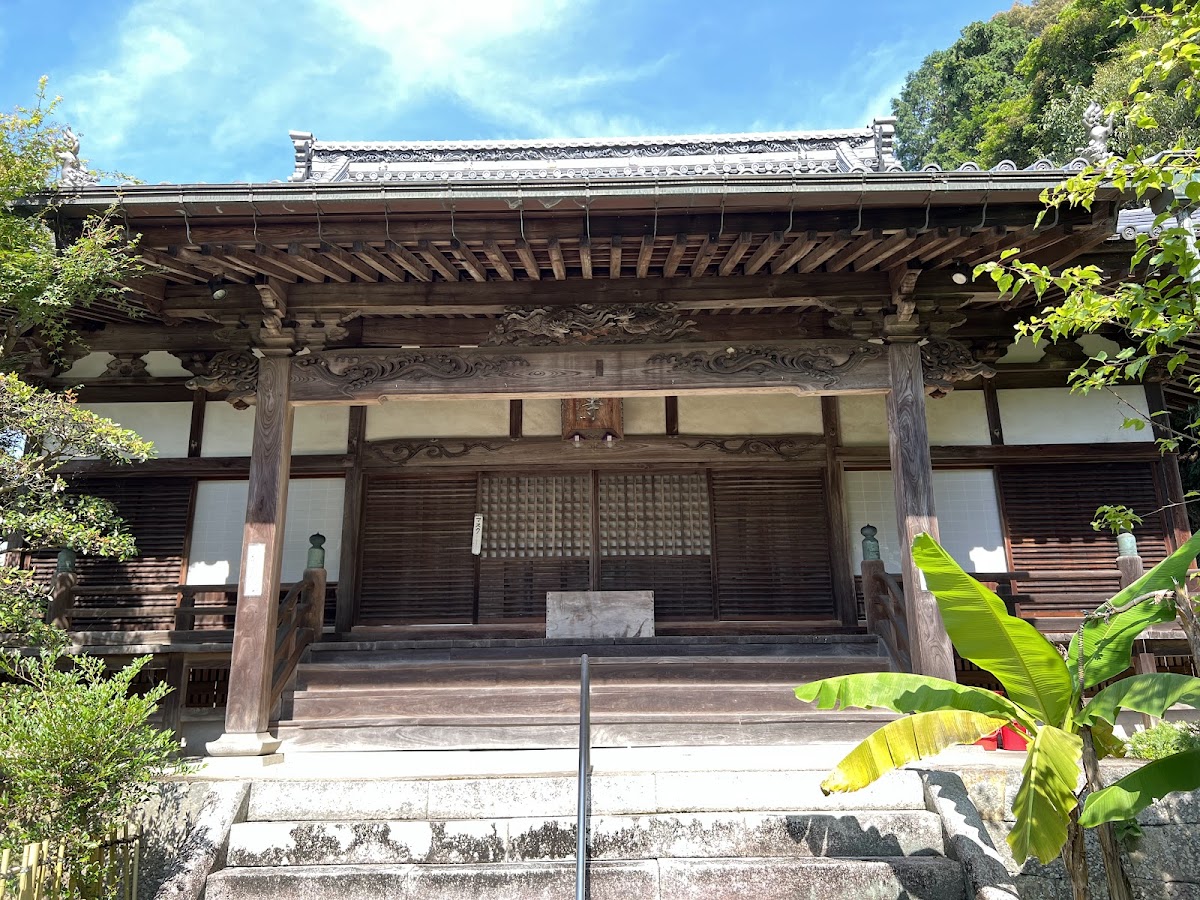
The charm of Hosenji Temple is not limited to its autumn leaves. In spring, the cherry trees planted on the temple grounds bloom, their pale pink flowers adorning the temple gate and main hall. After the cherry blossoms bloom, the season of fresh greenery arrives, enveloping the temple grounds in the vibrant green of young leaves.
The maple leaves in the fresh green season possess a refreshing beauty different from that of the autumn leaves, and spending time gazing at the fresh greenery in the quiet temple grounds is perfect for refreshing both mind and body.
Bodhi Tree Blossoms in Early Summer
In early summer, the Bodhi tree, approximately 400 years old, blooms with small, pale yellow flowers. The Bodhi tree blossoms emit a sweet fragrance, filling the entire temple grounds with a gentle scent. Seeing the flowers of the Bodhi tree, where Buddha is said to have attained enlightenment, up close is a unique experience only available at a Buddhist temple.
Autumn Spider Lilies
In early autumn, spider lilies (Lycoris radiata) bloom profusely in the temple grounds and surrounding fields. These vibrant red spider lilies are cherished as a harbinger of autumn, and their striking red blossoms stand out against the green, creating a memorable landscape.
Winter Silence
Winter is the quietest time of year at Hosenji Temple. The winter sunlight filtering through the leafless trees, and the occasional snowscape, create a solemn and pure atmosphere throughout the grounds. With fewer visitors at this time, it’s an opportunity to reflect deeply on oneself.
Tourist Attractions Around Hosenji Temple
Hōnenike Dam
Approximately 2 kilometers before Hosenji Temple lies the Hōnenike Dam, a nationally designated Important Cultural Property. Completed in 1930 (Showa 5), this stone-built multiple-arch dam is known for its beautiful appearance, reminiscent of an old European castle.
The Hōnenike Dam is also called “Japan’s Machu Picchu,” and attracts many tourists, especially during the summer when the dam is released (water discharge). Visiting it in conjunction with Hōsenji Temple allows you to enjoy both the natural beauty and historical architecture of Ōnohara-chō, Kanonji City.
Unpenji Temple
Unpenji Temple, the 66th temple of the Shikoku 88 Temple Pilgrimage, is the highest temple on the Shikoku pilgrimage route, located near the summit of Mount Unpenji at an altitude of 911 meters. Unpenji Temple, which also appears in the founding legends of Hōsenji Temple, has a deep historical connection to the pilgrimage.
From Unpenji Temple, accessible by ropeway, you can enjoy spectacular views of the Seto Inland Sea and the Sanuki Plain, and the temple grounds feature a unique landscape with 500 Arhat statues.
Access Information
Location and Basic Information
Address: 224-2 Tanono, Ohnohara-cho, Kanonji City, Kagawa Prefecture 769-1623
Sect: Jodo Shinshu Honganji-ha
Mountain Name: Saishozan
Access by Car
The most convenient way to access Hosenji Temple is by car. Due to limited public transportation, we recommend visiting by rental car or private vehicle.
From Takamatsu:
- Approximately 15 minutes from Ohnohara IC on the Takamatsu Expressway
- Pass through Kanonji city center via National Route 11, then take the prefectural road into the mountainous area.
From Ehime:
- Approximately 40 minutes from Mishima-Kawanoe IC on the Matsuyama Expressway via National Route 11
There is parking space for visitors on the temple grounds, but congestion is expected during the Maple Festival, so we recommend visiting with plenty of time to spare.
Access by Train and Bus
The nearest station is JR Yosan Line’s “Kannonji Station,” but Hosenji Temple is approximately 10 kilometers from the station, making direct access by public transport difficult. We recommend taking a taxi from Kannonji Station or renting a car.
Tips for Setting Your Car Navigation System
When searching with your car navigation system, searching for “Hosenji Temple Kannonji City” or by phone number is the most reliable method. Aim for the Hōnenike Dam, and then proceed approximately 2 kilometers further into the mountainous area to reach Hosenji Temple. The road is paved, but caution is required when driving on a mountain road.
Manners and Precautions When Visiting
Guidelines for Visiting
Hosenji Temple is an active temple, and religious services and events are held regularly. Please observe the following points when visiting the temple:
- Maintain silence within the temple grounds and refrain from loud conversations.
- Obtain permission before photographing the main hall or Buddha statues.
- Always take your trash with you.
- Do not touch trees designated as natural monuments.
- Do not enter private property or restricted areas.
Photography Etiquette
Many photographers visit during the autumn foliage season, but it is important to observe proper photography etiquette. If using a tripod, position it so as not to obstruct other visitors and be careful not to damage the plants within the temple grounds.
Clothing and Belongings
Because the temple is located in a mountainous area, temperatures are lower than in the lowlands. Warm clothing is especially necessary from autumn to winter. Also, since there are slopes and stairs within the temple grounds, we recommend wearing comfortable walking shoes.
Contact Information
Inquiries regarding Hosenji Temple can be made through the Kanonji City Tourism Association or Kanonji City Hall.
Kanonji City Tourism Association
- Provides the latest tourism information and updates on the Hosenji Maple Festival.
Kanonji City Hall, Commerce and Tourism Division
- Handles inquiries regarding cultural properties and natural monuments.
If you have specific questions regarding visiting or worshipping, we recommend contacting them in advance.
To fully enjoy the charm of Hosenji Temple
Recommended time to visit
Hosenji Temple is beautiful in every season, but the best time to visit is during the autumn foliage season, from mid- to late November. The “Hosenji Maple Festival” is also held during this time, and the approximately 30 maple trees on the temple grounds are at their most beautiful.
Visiting early in the morning or on weekdays is relatively less crowded, allowing you to enjoy the autumn leaves at your leisure in a quiet temple grounds. The maple leaves illuminated by the morning light are especially beautiful, making it the perfect time for photography.
Combining with Nearby Sightseeing
While Hosenji Temple is a worthwhile visit on its own, combining it with other attractions such as the Hōnenike Dam, Unpenji Temple, and the town of Kanonji will create a more fulfilling sightseeing experience.
Kanonji City has many other sights to see, including the “Zenigata Sand Painting” and “Kotohiki Park.” We recommend planning a leisurely day-long sightseeing trip to explore Kanonji City.
Interacting with the Local Community
The Tanono district of Ōnohara Town, where Hosenji Temple is located, retains a typical Japanese rural landscape. Events such as the Maple Festival offer opportunities to interact with local residents. Through conversations with the local people, you can gain a deeper understanding of Hosenji Temple and the history and culture of the region.
Summary
Hosenji Temple in Ohnohara-cho, Kanonji City, Kagawa Prefecture, is a charming temple that combines the beauty of its maple trees (100 to 150 years old), the presence of a 400-year-old Bodhi tree and a Podocarpus macrophyllus (bodhi tree and Podocarpus macrophyllus), both designated as natural monuments, and its long history as an ancient temple of the Jodo Shinshu Honganji sect.
Nestled in the quiet mountains of the Asan Mountains, the temple grounds offer a tranquil oasis away from the hustle and bustle of the city, displaying different expressions in each of the four seasons. Especially during the late autumn foliage season, you can experience the mystical beauty of the “three-colored maple,” where red, vermilion, and yellow simultaneously bloom on a single tree.
The “Hosenji Maple Festival,” held every November, offers opportunities to experience local culture through outdoor tea ceremonies and bazaars, providing a deeper experience than just a tourist spot.
By visiting nearby tourist spots such as the Hōnenike Dam and Unpenji Temple, you can comprehensively enjoy the natural beauty and historical culture of Kanonji City. When you visit Kagawa Prefecture, be sure to visit Hōsenji Temple and let your heart be soothed by the tranquility of the countryside and the beautiful autumn foliage.