Complete Guide to Kokuyuji Temple (Kanonji City, Kagawa Prefecture) | From History, Access, Cultural Properties to Cemetery Information
About Kokuyuji Temple
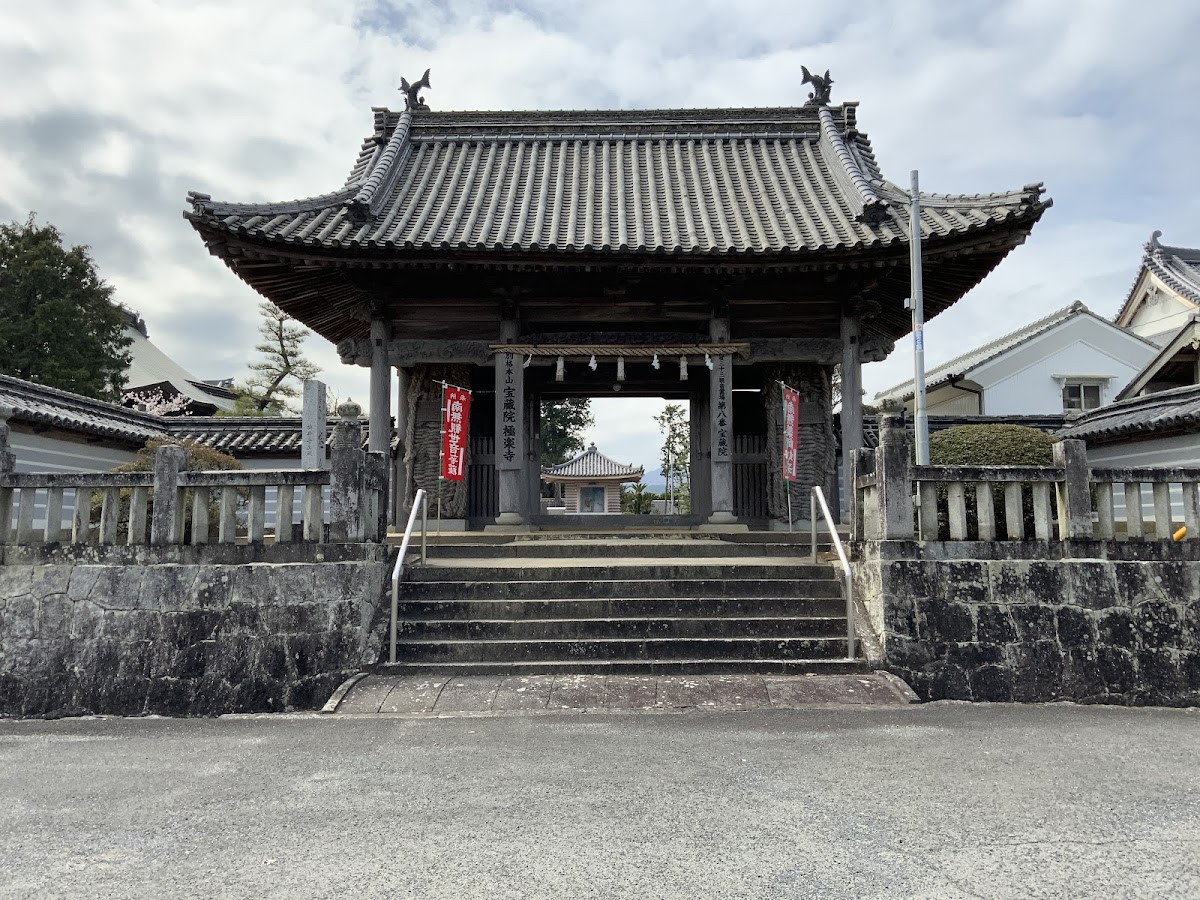
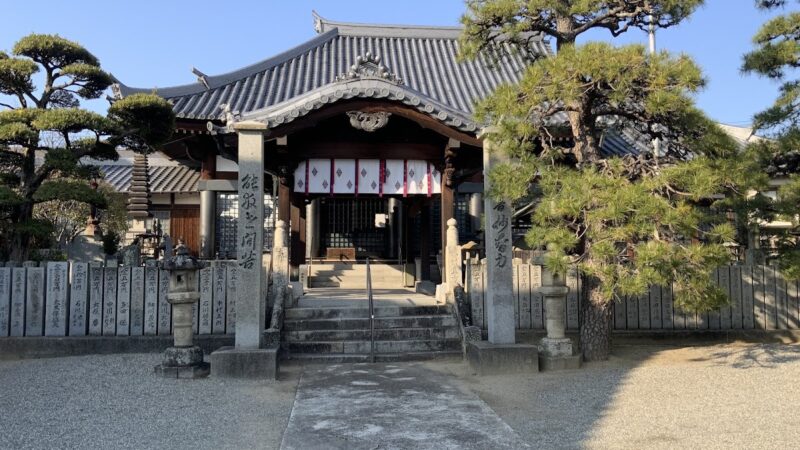
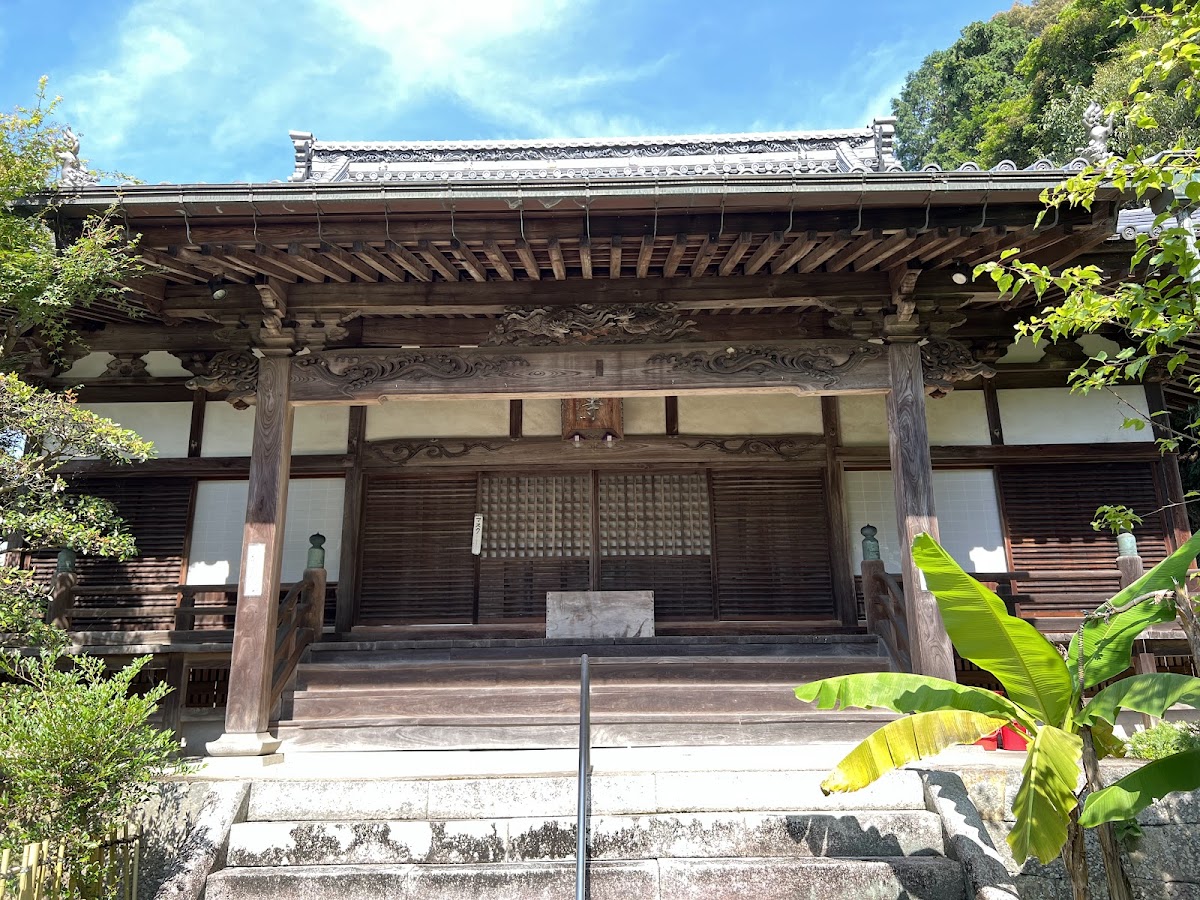
Kokuyuji Temple is a Nichiren Buddhist temple located at 117 Wada Otsu, Toyohama-cho, Kanonji City, Kagawa Prefecture. It is known for being founded by Ohira Kunisuke, a samurai and powerful local lord during the Sengoku period, and the temple’s name is derived from his name.
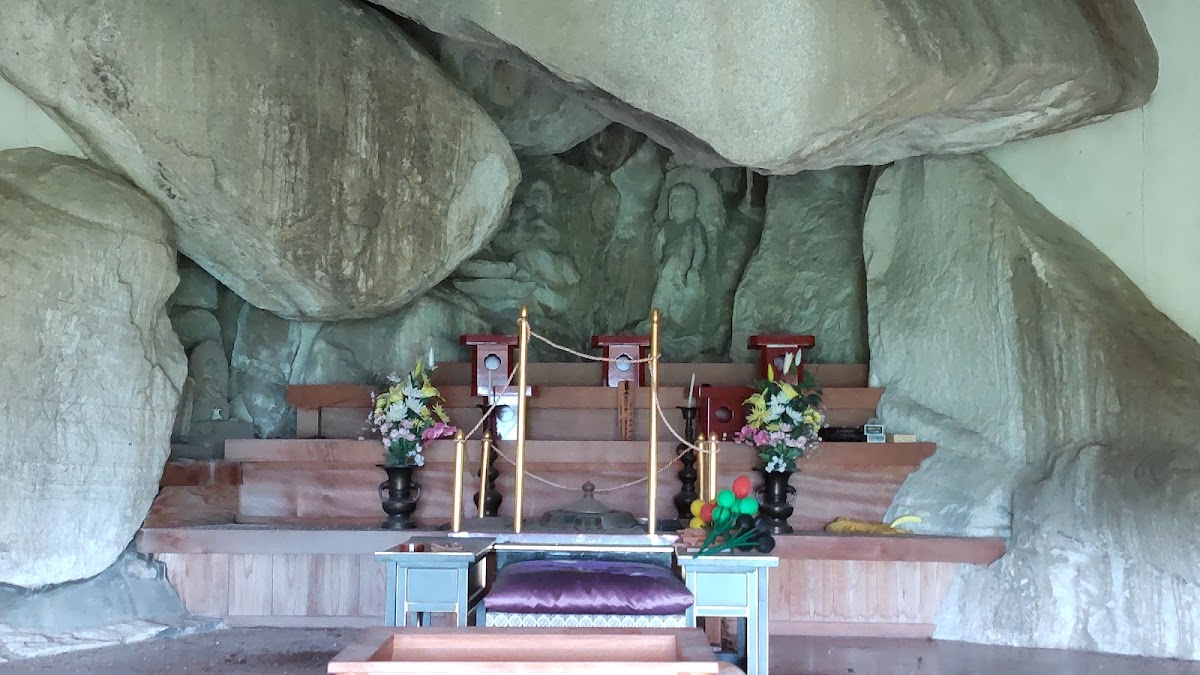
Kokuyuji Temple, positioned as an important religious facility in the Toyohama area of Kanonji City, Kagawa Prefecture, places the Lotus Sutra at the center of its faith and enshrines the Ten Realms Great Mandala as its principal image. Even today, it remains a center of local faith and attracts many worshippers and history enthusiasts as a temple of high historical value.
History and Origin of Kokuyuji Temple
Conversion and Founding by Ohira Kunisuke
The founding of Kokuyuji Temple dates back to Tensho 6 (1578). During this period, Ohira Kunisuke, the lord of Shishigahana Castle (Lion’s Nose Castle), converted Rushanaji Temple, originally a Shingon Buddhist temple, to the Nichiren sect and rebuilt it as Kunisuke-ji Temple, bearing his own name.
Ohira Kunisuke was a well-known powerful local figure in Sanuki Province and a devout follower of the Lotus Sutra. This significant shift from Shingon to Nichiren Buddhism demonstrates Ohira Kunisuke’s strong faith and considerable influence in the region. This conversion also brought about a major change in the religious landscape of Kanonji City, Kagawa Prefecture.
The Relationship Between the Ohira Family and Kunisuke-ji Temple
Ohira Kunisuke, the founder of Kunisuke-ji Temple, is considered an ancestor of Ohira Masayoshi, who later became Prime Minister of Japan. The Ohira family was a powerful local clan deeply rooted in Sanuki Province, and Kunisuke-ji Temple served as their family temple.
Behind the temple lies the ruins of Shishigahana Castle, where Ōhira Kunisuke served as lord. Visiting both the temple and the castle ruins allows for a deeper understanding of the region’s history during the Sengoku period.
Transition from Roshana-ji to Kokuyū-ji
While there are no clear records of when Roshana-ji was founded before its conversion, it is certain that it was a Shingon Buddhist temple that attracted local devotion. The conversion in 1578 (Tenshō 6) significantly altered the temple’s character, but its role as a center of local faith was inherited.
About the Sect and Principal Image
What is the Hokke-shū Honmon-ryū?
The Hokke-shū Honmon-ryū, to which Kokuyū-ji belongs, is a branch of the Hokke sect founded by Nichiren Shōnin. Its fundamental scripture is the Lotus Sutra, and its practice centers on chanting the title “Namu Myōhō Renge Kyō.”
The Honmon-ryu branch of the Nichiren sect is a Buddhist sect that follows the lineage of Nichiren Shonin’s senior disciple, Nikko Shonin, and boasts numerous temples throughout Japan. Several Nichiren sect temples exist within Kagawa Prefecture, and Kokuyu-ji Temple holds a historically significant position among them.
Significance of the Ten Realms Mandala
The principal image of Kokuyu-ji Temple is the Ten Realms Mandala. The Ten Realms Mandala is a visual representation of the Buddhist concept of classifying the states of the human mind into ten categories, and is considered the most important object of worship in the Nichiren sect.
The Ten Realms refer to the realms of hell, hungry ghosts, animals, asuras, humans, heaven, shravakas, pratyekabuddhas, bodhisattvas, and Buddhas. It expresses the teaching of “mutual inclusion of the Ten Realms,” which states that all these realms exist within the mind of a single human being. Through this principal image, worshippers can reflect on their own state of mind and dedicate themselves to Buddhist practice.
Cultural Properties of Kokuyuji Temple
Flat Bronze Spear (City-Designated Tangible Cultural Property)
The most important cultural property owned by Kokuyuji Temple is the flat bronze spear, a Kannonji City-designated tangible cultural property. This spear is a ritual implement from the Yayoi period and is believed to have been used in ancient religious ceremonies.
The Discovery and Donation of the Flat Bronze Spear
In 1823 (Bunsei 6), a metal caster named Hara Chujiro unearthed this flat bronze spear from what is now Tsuji, Yamamoto-cho, Mitoyo City. However, after its discovery, misfortunes befell Hara Chujiro’s surroundings, leading to the local people fearing it as “the curse of the bronze spear.”
Fearing the curse, Hara Chujiro decided to donate the spear to Kokuyuji Temple. Since then, this valuable archaeological artifact has been carefully preserved at Kokuyuji Temple and remains an important cultural property that conveys the history of Kanonji City, Kagawa Prefecture.
Value as a Cultural Property
The flat bronze spear is an extremely valuable artifact for understanding the ritual culture of the Sanuki region during the Yayoi period. It provides important clues for studying the spread of bronze culture, ancient religious views, and technological levels.
Kanonji City recognizes the value of this cultural property and protects it as a city-designated tangible cultural property. When visiting Kokuyuji Temple, we recommend that you also take an interest in this historically valuable cultural property.
Relationship with Shishigahana Castle Ruins
History of Shishigahana Castle
Behind Kokuyuji Temple, on the hillside, remain the ruins of Shishigahana Castle (Shishi no Hana Castle), where the founder, Ohira Kokuyuji, served as lord. This castle was a mountain castle built during the Sengoku period and was located in a strategic location overlooking the Toyohama region.
Shishigahana Castle was a fortress used by Ōhira Kunisuke as a base for regional control, and it symbolized the power of the Ōhira clan in Sanuki Province. Although only ruins remain today, they allow us to imagine its former glory.
Historical Exploration: Visiting Temples and Castle Ruins
When visiting Kunisuke-ji Temple, extending your trip to the Shishigahana Castle ruins on the hillside behind it will allow you to gain a deeper understanding of the region’s history. By visiting both the temple, which embodied the lord’s faith, and the castle ruins, which were his base of power, you can experience firsthand the lifestyle of a warlord from the Sengoku period.
Access Information
Location
Address: 117 Wada Otsu, Toyohama-cho, Kanonji City, Kagawa Prefecture 769-1603
Phone Number: 0875-52-2859
Nearest Station and Transportation Information
The nearest stations to Kokuyuji Temple are as follows:
Nearest Stations:
- JR Yosan Line “Toyohama Station” (approx. 32 minutes on foot, approx. 1.8 km)
- JR Yosan Line “Minoura Station”
- JR Yosan Line “Kanonji Station”
Toyohama Station is the closest station, but it takes more than 30 minutes on foot, so using a taxi or private car is recommended.
Access by Car
The Toyohama area of Kanonji City, Kagawa Prefecture, is most easily accessible by car. It takes about 15 minutes from the center of Kanonji City using National Route 11 or prefectural roads. There is parking space around the temple, but it is recommended to contact and confirm in advance. ### Access from Major Nearby Spots
- From the center of Kanonji City: Approximately 15 minutes by car
- From Kotohira Town: Approximately 30 minutes by car
- From Takamatsu City: Approximately 1 hour by car
Information on Kokuyuji Temple’s Cemetery and Perpetual Memorial Services
About Temple Cemeteries
Kokuyuji Temple, as a temple of the Nichiren sect (Honmon school), manages its own temple cemetery. Temple cemeteries are cemeteries managed and operated by temples, and are generally operated under the danka (parishioner) system.
For those seeking a burial plot in Kanonji City, Kagawa Prefecture, Kokuyuji Temple is a historical and traditional temple cemetery that offers a unique option. It will be particularly meaningful for those who follow the Nichiren sect or have ties to the Ohira family.
Information on Perpetual Memorial Graves
In modern times, interest in perpetual memorial graves is increasing due to a lack of successors and the need to alleviate the burden on relatives living far away. An eternal memorial grave is a type of cemetery where a temple provides perpetual memorial services and management.
Kokuyuji Temple also accepts consultations regarding eternal memorial services. Various forms of eternal memorial services are available, from individual graves to communal graves, so we recommend contacting the temple directly for specific details.
About Tree Burials and Columbariums
Tree burials and columbariums, which have become increasingly popular in recent years, may also be available depending on local needs. Tree burials allow for a return to nature, while columbariums offer the convenience of visiting regardless of weather conditions; each has its own unique characteristics.
For specific memorial service forms and costs at Kokuyuji Temple, please contact us directly by phone (0875-52-2859).
Cemetery Visits and Consultations
Choosing a cemetery is one of the most important decisions in life. Kokuyuji Temple accepts cemetery visits and consultations regarding memorial services. It is important to actually visit the temple, check the atmosphere and environment, and choose a memorial service that suits you and your family.
If you wish to visit, it is recommended that you contact the temple in advance. The head priest and temple staff will provide a thorough tour and answer any questions you may have.
Temple Culture of Kanonji City and Kokuyuji Temple
Religious Background of Kanonji City
Kanonji City in Kagawa Prefecture, as its name suggests, derives its name from the worship of Kannon (Goddess of Mercy), and has long been a region where Buddhist culture has flourished. Many temples are scattered throughout the city, including temples of the Shikoku 88 Temple Pilgrimage.
Kokuyuji Temple, as a temple of the Nichiren sect’s Honmon school, plays a vital role in the diverse religious culture of this region. Along with temples of other sects such as Shingon and Jodo, it has shaped the spiritual culture of Kanonji City.
Role as a Nichiren Sect Temple
Nichiren sect’s Honmon school temples are limited in Kagawa Prefecture, and Kokuyuji Temple functions as a valuable center of the Nichiren sect. Transmitting the teachings of Nichiren Shonin and continuing to uphold the faith of the Lotus Sutra plays an important role in maintaining religious diversity. ### Engagement with the Local Community
Kokuyuji Temple has functioned not merely as a religious facility, but also as a central hub for the local community. Through annual events and memorial services, local residents gather, providing a place for the preservation of traditional culture and intergenerational exchange.
Points to Note When Visiting Kokuyuji Temple
Etiquette for Worship
At Kokuyuji Temple, a temple of the Nichiren sect, the basic etiquette for worship is to chant the mantra “Namu Myoho Renge Kyo.” When visiting the main hall, quietly join your hands in prayer and chant the mantra with sincerity.
Highlights
The main highlights when visiting Kokuyuji Temple are as follows:
- Main Hall and Ten Realms Great Mandala: View the principal image, the center of faith for the Nichiren sect.
- Flat Bronze Spear: A valuable artifact from the Yayoi period, designated as a city cultural property (please check the public viewing status).
- Atmosphere of the Temple Grounds: A tranquil space that evokes a sense of history.
- Shishigahana Castle Ruins: Take a stroll to the castle ruins remaining on the hillside behind the temple.
Points to Note When Visiting
- It is recommended to check the visiting hours in advance.
- If you wish to view cultural properties, you may need to contact them in advance.
- Please maintain quiet on the temple grounds and be considerate of other visitors.
- Please obtain permission before taking photographs.
Nearby Tourist Attractions
Famous Places in Kanonji City
When visiting Kokuyuji Temple, it is recommended to also visit other tourist attractions in Kanonji City:
- Zenigata Sand Painting “Kanei Tsuho”: A symbolic landmark of Kanonji City
- Kotohiki Park: A scenic spot overlooking the Seto Inland Sea
- Kannonji Temple (Jinkeiin Temple): The 68th and 69th temples of the Shikoku 88 Temple Pilgrimage
- Toyohama Town Coastline: Beautiful scenery of the Seto Inland Sea
Charms of the Toyohama Area
Toyohama Town, where Kokuyuji Temple is located, is a scenic area facing the Seto Inland Sea. Fishing is thriving, and you can enjoy fresh seafood. You can enjoy historical walks while enjoying the peaceful atmosphere of this port town.
Annual Events at Kokuyuji Temple
Main Events of the Nichiren Sect
As a temple of the Honmon-ryu branch of the Nichiren sect, Kokuyuji Temple is believed to hold the following annual events:
- Oeshiki: Memorial service for the anniversary of Nichiren Shonin’s death (around October 13th)
- Spring and Autumn Equinox Services: Memorial service for ancestors
- Obon Festival: Memorial service for the Obon festival
- New Year’s Day Prayer: Prayer service for the New Year
For specific dates and details, please contact the temple directly.
How to Contact Kokuyuji Temple
Contact Information
You can contact Kokuyuji Temple using the following methods:
Phone: 0875-52-2859
Address: 117 Wada Otsu, Toyohama-cho, Kanonji City, Kagawa Prefecture 769-1603
Examples of Inquiries
- Inquiries regarding visiting hours and temple visits
- Consultations regarding cemeteries and perpetual memorial services
- Requests for memorial services and memorial ceremonies
- Reservations for cultural property tours
- Consultations regarding temple parishioners
Kagawa Prefecture’s Nichiren Buddhist Temple Network
Nichiren Buddhist Temples in Kagawa Prefecture
In addition to Kokuyuji Temple, there are several other Nichiren Buddhist temples in Kagawa Prefecture. These temples cooperate with each other to spread the teachings of the Lotus Sutra.
Connections with Nichiren Buddhist Honmon-ryu Temples Nationwide
As a member of the Nichiren Buddhist Honmon-ryu, Kokuyuji Temple has formed a network with temples of the same sect throughout Japan. Through exchanges with the head temple and affiliated temples of the sect, the preservation of tradition and the refinement of doctrine continue.
Summary
Kokuyuji Temple is a historic temple of the Nichiren Honmon sect located in Toyohama-cho, Kanonji City, Kagawa Prefecture. Founded in 1578 by Ohira Kokuyuji, it enshrines the Ten Realms Great Mandala as its principal image.
It houses valuable cultural assets, including the Hiragata Bronze Spear, a city-designated tangible cultural property, and the ruins of Shishigahana Castle, where the founder served as lord, remain on the hillside behind the temple. It is a temple worth visiting for both history enthusiasts and those who practice the Nichiren sect.
The nearest station is Toyohama Station on the JR Yosan Line, but visiting by car is more convenient. Consultations regarding cemeteries and perpetual memorial services are also available; please contact the temple directly if you are interested.
When you visit Kanonji City, be sure to stop by Kokuyuji Temple and experience the history of Sanuki and the faith of the Nichiren sect. You can find peace of mind in the tranquil temple grounds and feel the weight of history.