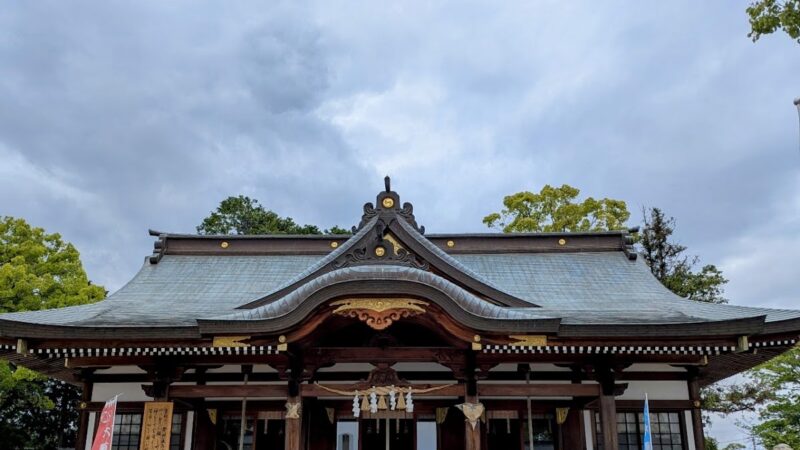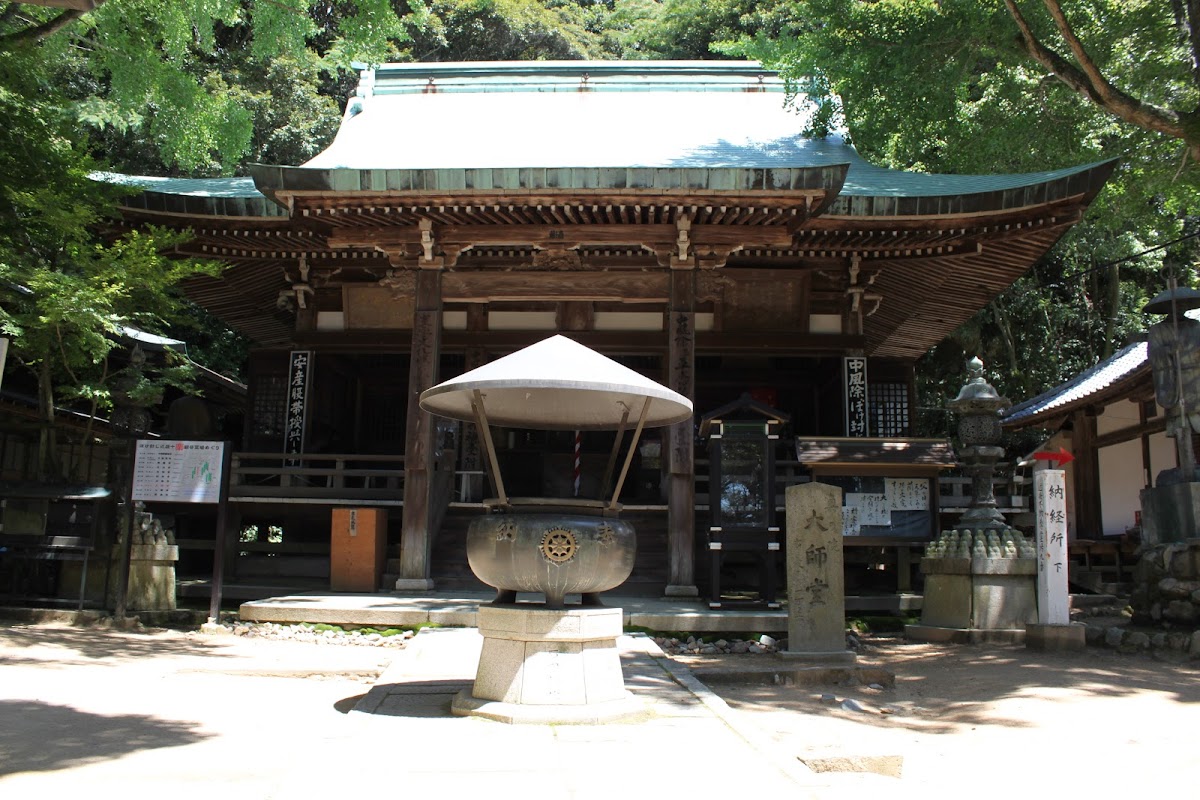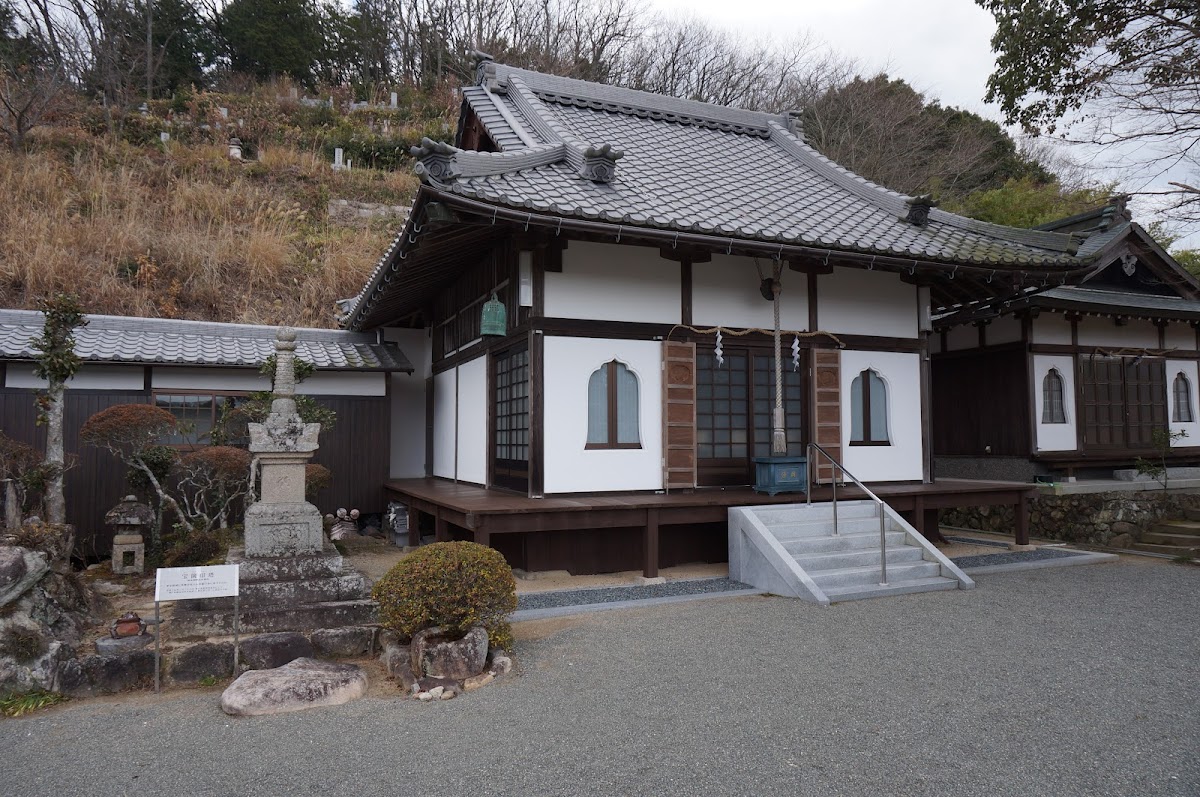
Seikoji Temple (Kita-ku, Kobe City, Hyogo Prefecture) Complete Guide | History, Access, and Highlights Explained in Detail
Seikoji Temple, located in Yamada-cho, Kita-ku, Kobe City, Hyogo Prefecture, is a historic temple belonging to the Koyasan Shingon sect. With its mountain name, Reishozan, this temple possesses valuable cultural assets dating back to the Nanboku-cho period and has long been cherished as a center of local faith. This article comprehensively introduces everything you need to know before visiting Seikoji Temple, including its history, highlights, access methods, and surrounding area information.
Basic Information about Seikoji Temple
Location and Contact Information
Location: 19 Okanoue, Naka, Yamada-cho, Kita-ku, Kobe City, Hyogo Prefecture 651-1253
Phone Number: 078-583-1770
Sect/Affiliation: Koyasan Shingon Buddhism (Shingon-shu Koyasan School)
Mountain Name: Reishozan
Opening Hours: 9:00 AM – 5:00 PM (※While general worship is free, prior contact may be recommended for viewing the main hall, etc.)
Characteristics of Seikoji Temple
Seikoji Temple is located in the Naka district of Yamada-cho, Kita-ku, Kobe City, surrounded by a quiet residential area and nature. As a temple that continues to uphold the teachings of the Koyasan Shingon sect, it attracts attention not only from local parishioners but also from researchers and history enthusiasts interested in cultural properties.
In particular, the unique Nio statues standing in front of the temple gate and the Hōkyōintō pagoda, believed to be from the Nanboku-chō period, are major highlights when visiting Seikōji Temple.
How to Access Seikoji Temple
Access by Public Transportation
By Bus
Nearest Bus Stop: Yamada Elementary School (Kobe City Bus)
- Approximately 4-5 minutes on foot from the bus stop (approximately 269-349m)
- Accessible via Kobe City Bus routes
- The route from the bus stop is relatively flat; simply follow the signs.
By Train
Nearest Station: Kobe Electric Railway Minotani Station
- Approximately 30-40 minutes on foot from Minotani Station (approximately 2.4-3.0km)
- As it is a bit of a distance from the station, using a bus or taxi is recommended.
- If using a taxi, it takes approximately 10 minutes from Minotani Station.
Access by Car
Kobe City’s Kita Ward is also conveniently accessible by car.
- Approximately 15 minutes from the Nishinomiya-Kita Interchange on the Chugoku Expressway
- Approximately 10 minutes from the Yamada Interchange on the Hanshin Expressway
- We recommend checking with the temple in advance regarding parking.
Access Points
The Yamada-cho area in Kita-ku, Kobe City, is a mixed residential and agricultural area, and some roads are narrow. For first-time visitors, it is recommended to check the route using a map app beforehand for a smoother journey. Also, if using public transportation, we recommend checking bus schedules in advance.
History and Origin of Seikoji Temple
About the Koyasan Shingon Sect
The Koyasan Shingon sect, to which Seikoji Temple belongs, is a sect that follows the Shingon Esoteric Buddhism tradition founded by Kobo Daishi Kukai. With Koyasan Kongobu-ji Temple in Wakayama Prefecture as its head temple, it is one of Japan’s leading Buddhist sects, boasting approximately 3,600 temples nationwide.
The teachings of Shingon Buddhism preach “instantaneous attainment of Buddhahood,” aiming for enlightenment in this very body. It emphasizes the unique practices and rituals of Esoteric Buddhism, and rituals such as Goma fire ceremonies are frequently performed.
The Founding and History of Seikoji Temple
While there are no clear records of the exact founding date of Seikoji Temple, the age of the Hōkyōintō pagoda remaining on the temple grounds suggests that it existed as a temple at least during the Nanboku-chō period (mid-14th century).
The Yamada-cho area in Kita-ku, Kobe City, has long been a thriving agricultural region, and it is presumed that Seikoji Temple was built as a center of faith for the local people. The mountain name, Reishōzan, suggests that this area was recognized as a sacred place with miraculous powers.
From the medieval to the early modern period, Seikoji Temple developed as a local parishioner temple, and during the Edo period, it functioned as one of the central temples of Yamada Village. Despite the impact of the anti-Buddhist movement after the Meiji Restoration, the temple has continued to preserve its Buddhist traditions thanks to the support of the local community.
Highlights and Cultural Assets of Seikoji Temple
Hōkyōintō Pagoda
The greatest highlight of Seikoji Temple is the Hōkyōintō Pagoda remaining on the temple grounds. This stone pagoda is believed to have been created in the mid-Nanboku-chō period and is attracting attention as a valuable medieval stone structure in Kobe City.
What is a Hōkyōintō Pagoda?
A Hōkyōintō pagoda is a type of Buddhist stupa built to enshrine the Hōkyōin Dharani Sutra. It is characterized by its form, with the pagoda body placed on a square base, topped with a capstone and finial. It became widespread throughout Japan after the Kamakura period.
Characteristics of the Hōkyōintō Pagoda at Seikōji Temple
The Hōkyōintō pagoda at Seikōji Temple is believed to be from the same period as the “Hatanotsuji Hōkyōintō Pagoda” (built in Kōan 1: 1361), also located in Kita Ward, Kobe City, due to its similar style.
- Estimated Period: Mid-Nanboku-chō period (mid-14th century, around the 1360s)
- Stylistic Characteristics: Similarity to the Hatanotsuji Hōkyōintō Pagoda
- Condition: Although weathered by age, the basic shape is well preserved.
- Historical Value: An important cultural property for understanding the medieval history of Kita Ward, Kobe City.
This Hōkyōintō pagoda demonstrates the level of stonemasonry at the time and is a valuable resource that conveys the state of Buddhist faith in the Yamada region during the medieval period.
Temple Gate and Nio Statues
A unique set of Nio statues is enshrined in front of the temple gate of Seikōji Temple. These Nio statues possess unique characteristics that set them apart from typical Nio statues, drawing the attention of visitors.
Characteristics of the Nio Statues
- Placement: Located on either side of the temple gate
- Expression: Possesses a distinctive expression, reflecting the characteristics of local religious beliefs
- Role: Guardian deities protecting the temple and preventing the intrusion of evil
Nio statues come in pairs, one with its mouth open (Agyo) and the other with its mouth closed (Ungyo). The open-mouthed Agyo symbolizes the beginning of all things, while the closed-mouthed Ungyo symbolizes the end of all things. The Nio statues at Seikoji Temple follow this traditional arrangement.
Main Hall and Temple Grounds
The main hall of Seikoji Temple has a solemn atmosphere befitting a Shingon Buddhist temple. The principal image is believed to be Dainichi Nyorai, enshrined as the central Buddha of Shingon Esoteric Buddhism.
The temple grounds are meticulously maintained, allowing visitors to experience the beauty of nature throughout the seasons. Especially during the cherry blossom season in spring and the autumn foliage season, you can enjoy a peaceful time of worship.
Memorial Services and Buddhist Rites Available at Seikoji Temple
Funerals and Buddhist Rites
Seikoji Temple conducts funerals and various Buddhist ceremonies in accordance with the customs of the Koyasan Shingon sect.
- Funeral: Wake, funeral service
- Annual Memorial Services: First seven days, forty-ninth day, first anniversary, third anniversary, seventh anniversary, thirteenth anniversary, etc.
- Obon Memorial Service: Segaki memorial service, Tanagyo (prayer at the altar)
- Higan Memorial Service: Memorial services during the spring and autumn equinoxes
Prayers and Memorial Services
As a Shingon Buddhist temple, we also perform various prayers and memorial services.
- Goma Ritual: A unique Shingon Esoteric Buddhism prayer using fire.
- Ancestral Memorial Service: Perpetual memorial services, memorial services for stillborn babies, etc.
- Exorcism Prayer: A prayer for those in their unlucky year.
- Family Safety and Business Prosperity: Various prayers.
If you wish to have a memorial service or prayer, it is recommended that you contact the temple in advance to discuss the date and content.
Nearby Attractions and Facilities
Historic Temples and Shrines in Kobe’s Kita Ward
In addition to Seikoji Temple, many other historical temples and shrines are scattered throughout Kobe’s Kita Ward.
- Hatanotsuji Hōkyōintō Pagoda: A valuable stone structure from the same period as the Hōkyōintō pagoda at Seikōji Temple.
- Mudōji Temple: An ancient Shingon Buddhist temple located in Ōgo-chō.
- Hakogi Sennenga: One of Japan’s oldest private houses (a nationally designated important cultural property).
Facilities around Yamada-chō
- Yamada Elementary School: A school that serves as a landmark near Seikōji Temple.
- Kobe Winery (Agricultural Park): A tourist facility located about 10 minutes away by car.
- Shiawase no Mura: A comprehensive welfare and recreation facility.
Natural Environment
Kobe City’s Kita Ward is an area blessed with abundant nature.
- Rokko Mountain Range: Enjoy hiking and nature walks.
- Nyu Mountain Range: Known as a mountain of ancient Shugendo (mountain asceticism).
- Taishaku Mountain: A foothill mountain close to Yamada Town.
By visiting these surrounding spots in conjunction with your visit to Seikoji Temple, you can experience the history and nature of Kobe City’s Kita Ward more deeply.
Manners and Precautions for Visiting the Temple
Basic Manners for Visiting the Temple
When visiting Seikoji Temple, please observe the following basic manners.
- Bow at the Temple Gate: Bow before passing through the temple gate.
- Purification at the Water Basin: If there is a water basin, purify your hands and mouth.
- Respectful Attitude: Be quiet within the temple grounds and refrain from loud conversations.
- Worship at the Main Hall: Join your hands in prayer and bow in front of the main hall.
- Photography: Permission may be required to photograph the interior of the main hall or the Buddha statues.
- Offering a Coin: Offer a coin with sincere feelings.
Shingon Buddhist Worship Etiquette
In Shingon Buddhism, the following worship etiquette is observed.
- Gassho: Bring both hands together in front of your chest.
- Sarai: Bow deeply.
- Mantra Chanting: Sometimes, “Namu Daishi Henjo Kongo” is chanted.
Points to Note When Visiting
- Attire: Unless you are attending a special Buddhist service, clean and understated clothing is acceptable.
- Time: Avoid visiting early in the morning or late at night; visit during opening hours (9:00 AM to 5:00 PM).
- Contact: If you wish to view the main hall or receive a detailed explanation, it is recommended to contact the temple by phone in advance.
- Parking: Parking space may be limited, so it is advisable to check in advance.
Annual Events at Seikoji Temple
Main Annual Events
As a temple of the Koyasan Shingon sect, Seikoji Temple holds various Buddhist events throughout the year.
Spring Events
- Spring Equinox Memorial Service (Around the Spring Equinox in March): Memorial service for ancestors
- Flower Festival (Around April 8th): Memorial service celebrating the birth of Buddha
Summer Events
- Obon Memorial Service (Mid-August): Segaki memorial service, Tanagyo (prayer to the deceased), etc.
- Jizo Bon (Late August): Depending on the region, a festival day for Jizo Bodhisattva
Autumn Events
- Autumn Equinox Memorial Service (Around the Autumn Equinox in September): Memorial service for ancestors
Winter Events
- New Year’s Eve Bell Ringing (December 31st): Ringing of the bell at the end of the year
- Shushō-e (January): New Year’s memorial service
For specific dates and whether general participation is permitted, please contact the temple directly.
Seikoji Temple and the Local Community
The Danka System and its Relationship with the Community
Seikoji Temple, as a danka temple in the Naka district of Yamada-cho, Kita-ku, Kobe City, has had a deep connection with the local community for many years. The danka system originated from the temple registration system of the Edo period, and in modern times, temples and danka are connected through ancestral worship and funerals.
Preservation of Local Culture
Seikoji Temple also plays a role in preserving the history and culture of the region. It fulfills multifaceted roles, including the protection of cultural properties such as the Hōkyōintō pagoda, the continuation of traditional Buddhist ceremonies, and its function as a spiritual center for the people of the community.
The Role of Temples in Modern Times
In recent years, temples are expected to function not only as religious centers but also as centers of local communities. Seikoji Temple continues to fulfill its role in line with the times, serving as a place for interaction and a place of peace for local residents.
History of Kobe’s Kita Ward and Seikoji Temple
Overview of Kobe’s Kita Ward
Kobe’s Kita Ward is one of the nine administrative districts that make up Kobe City, located in the northern part of the city. It is a vast area, occupying approximately 40% of Kobe City’s area, and is characterized by mountainous terrain extending from the northern side of the Rokko Mountains to the Nyu Mountains, and the rural areas in between.
History of Yamada Town
Yamada Town, where Seikoji Temple is located, has long been a thriving agricultural area. In the Middle Ages, a manor was formed as Yamada-sho, and in the early modern period, it belonged to Arima District, Settsu Province. With the implementation of the town and village system in the Meiji era, it became Yamada Village, and in 1947, it was incorporated into Kobe City.
Historical Background and Seikoji Temple
From the Nanboku-cho period to the Muromachi period, many temples and shrines were built in this region. Seikoji Temple is also thought to have been founded or developed during this period, and has developed as a center of local faith. The existence of the Hōkyōintō pagoda indicates that there were people in the Yamada region at that time who possessed considerable economic power and religious faith.
Practical Guide to Visiting Seikōji Temple
For First-Time Visitors
This section provides practical advice for those visiting Seikōji Temple for the first time.
Estimated Time Required
- Strolling the Temple Grounds Only: Approximately 20-30 minutes
- In-depth Appreciation of Cultural Assets: Approximately 40-60 minutes
- Including a Stroll Through the Surrounding Area: Approximately 1.5-2 hours
Best Time to Visit
- Spring (Late March to May): A beautiful season with cherry blossoms and fresh greenery
- Autumn (October to November): A season to enjoy the autumn leaves
- Weekdays: Weekdays are recommended for those who want to visit in peace and quiet
What to Bring
- Camera: For photographing the Hōkyōintō pagoda and Nio statues (Photography is permitted within the temple grounds, but please check beforehand regarding photography inside the main hall)
- Goshuincho (Stamp Book): Bring one if you wish to receive a Goshuin (stamp) (Please check in advance whether they are available)
- Comfortable Shoes: Comfortable shoes are suitable for walking around the temple grounds and surrounding area
Regarding Goshuin (Temple Seals):
Many temples offer Goshuin, but for Seikoji Temple, it is recommended to call ahead to confirm availability. Goshuin are proof of worship; they are not meant to be collected like stamps in a stamp rally, but rather a memento of a heartfelt visit.
Frequently Asked Questions about Seikoji Temple
Is there an entrance fee?
Entry to the temple grounds is generally free. However, a donation may be required for special viewings or participation in religious ceremonies.
Is there parking?
It is recommended to check with the temple in advance regarding parking spaces. Some surrounding roads are narrow, so driving requires caution.
Are pets allowed?
Generally, it is discouraged to bring pets into temple grounds. As a matter of courtesy, it is best not to bring pets or to have them wait outside the grounds.
Is group worship possible?
If you wish to worship as a group, please be sure to contact the temple in advance, informing them of the date, time, and number of people, and obtaining permission. ### Is it barrier-free?
We recommend checking with the temple in advance regarding the condition of steps and slopes within the temple grounds. Prior contact is especially important if you wish to visit in a wheelchair.
Summary: The Charms of Seikoji Temple
Located in Kita-ku, Kobe City, Hyogo Prefecture, Seikoji Temple is a Shingon Buddhist temple of the Koyasan sect with a history dating back to the Nanboku-cho period. Its valuable Hōkyōintō pagoda, unique Nio statues, and history of faith rooted in the local community are major attractions.
Seikoji Temple, situated in the quiet environment of Yamada-cho, slightly removed from the center of Kobe City, offers a peaceful place to worship while experiencing history and culture. It is a temple worth visiting for those interested in cultural properties, Shingon Buddhism, and those seeking a quiet time.
If you have the opportunity to visit Kita-ku, Kobe City, please be sure to visit Seikoji Temple. You will be able to feel the weight of history that has continued since the Middle Ages and the warmth of faith that has been preserved by the local people.
Access: Approximately 4 minutes on foot from the “Yamada Elementary School” bus stop (Kobe City Bus)
Contact: 078-583-1770
Visiting Hours: 9:00 AM – 5:00 PM
To ensure a more fulfilling experience, please check the latest information with the temple before your visit and observe proper etiquette.