Entsuji Temple (Aichi Prefecture, Atsuta Ward) Complete Guide | The History of Japan’s Oldest Sacred Site of Akiba Daigongen Appearance and the Charm of its Goshuin (Temple Seal) and Fire-Walking Ritual
Entsuji Temple, located in Atsuta Ward, Nagoya City, Aichi Prefecture, is a Soto Zen Buddhist temple situated east of Atsuta Shrine. Affectionately known as “Akiba-sama” by locals, it is the oldest and only sacred site in Japan dedicated to Akiba Daigongen, the god of fire, attracting many worshippers from all over the country. This article thoroughly introduces the history, highlights, goshuin (temple seal) information, fire-walking ritual, and other attractions of Entsuji Temple.
History and Origins of Entsuji Temple
Japan’s Oldest Sacred Site of Akiba Daigongen Appearance
Entsuji Temple, whose mountain name is Hodasan, is a Soto Zen Buddhist temple that enshrines Shakyamuni Buddha as its principal image. This temple is known for its special significance because it is the oldest and only sacred site in Japan where Akiba Daigongen is said to have appeared.
Akiba Daigongen has been worshipped since ancient times as the god of fire, and is believed to offer protection against fire. The appearance of Akiba Daigongen at Entsuji Temple is deeply connected to the legend of Yamato Takeru no Mikoto’s eastern expedition. Legend says that when Yamato Takeru no Mikoto visited the Atsuta area, he encountered a fire, and Akiba Daigongen appeared and saved him from danger.
History as a Soto Zen Temple
Entsuji Temple was formerly a branch temple of Fusaiji Temple in Shizuoka Prefecture. The Soto Zen sect is a branch of Zen Buddhism introduced to Japan by Zen Master Dogen during the Kamakura period, and is characterized by its emphasis on seated meditation (zazen). While based on the teachings of the Soto Zen sect, Entsuji Temple has also developed uniquely as a center of Akiba worship.
The proximity to Atsuta Shrine is also an important element in the history of Entsuji Temple. Located just a 5-minute walk from Atsuta Shrine, it has long been a tradition for many visitors to combine their visit with a visit to Atsuta Shrine.
Entsuji Temple Grounds and Highlights
Main Hall and Akiba Daigongen
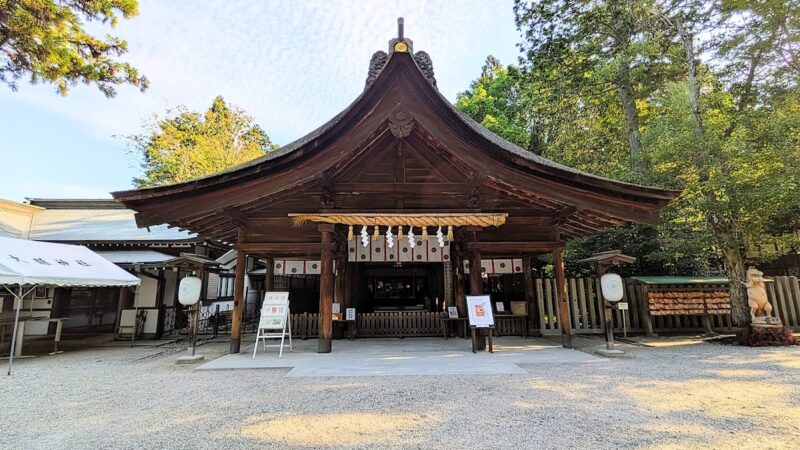
Entsuji Temple’s main hall possesses an architectural style that evokes a warm feeling amidst a solemn atmosphere. Inside the main hall, along with the principal image of Shakyamuni Buddha, Akiba Daigongen is enshrined, and visitors pray for protection from fire, family safety, and business prosperity.
Akiba Daigongen, as the god of fire, is particularly revered by those in industries that handle fire, such as restaurants and factories. Furthermore, it is believed to offer various blessings, including protection from fire and conflagration, warding off misfortune, and ensuring traffic safety.
Water Basin and Temple Grounds Atmosphere
Upon entering the temple grounds, the first thing that catches the eye is the water basin with its clear flowing water. The ritual of purifying one’s hands and mouth before worship is an important ceremony that purifies the mind and body and prepares one to face the gods and Buddhas. The water basin at Entsuji Temple is designed to allow worshippers to purify themselves in peace.
The entire temple grounds, despite being in an urban area, are enveloped in a tranquil atmosphere. Combined with its location adjacent to the forest of Atsuta Shrine, it creates a peaceful space. The appearance of the temple grounds changes with the seasons, offering a different view each time you visit.
Construction of the New Main Hall
In recent years, construction of a new main hall has been underway at Entsuji Temple, preparing it to welcome even more worshippers. While preserving tradition, facilities are being developed to meet the needs of modern worshippers, and further development is expected.
Entsuji Temple’s Goshuin (Temple Seal) Information
Colorful and Beautiful Limited Edition Goshuin
One of the major attractions of Entsuji Temple is its colorful and beautiful goshuin (temple seals). In addition to the regular ink-written goshuin (temple stamps), limited-edition goshuin are distributed according to the season and events, and are highly popular among goshuin collectors.
These limited-edition goshuin are characterized by their vibrant designs, and come in a wide variety of styles, including designs featuring Akiba Daigongen and the god of fire, as well as themes related to seasonal flowers and events. Especially during New Year’s and special festival days, special goshuin different from the regular ones are sometimes available.
Goshuincho (Stamp Books) and Other Items
Entsuji Temple also offers original goshuincho. Designs featuring Akiba Daigongen and symbols of Entsuji Temple make these goshuincho highly valuable as souvenirs, and are sought after by many visitors.
Other items available include amulets for fire prevention, family safety, and traffic safety, which can be chosen according to the desired benefit. The fire prevention amulet, in particular, is a popular item unique to Entsuji Temple.
Goshuin (Temple Stamp) Reception Hours
Goshuin (temple stamps) are available from 9:00 AM to 5:00 PM, with the last goshuin being accepted at 4:00 PM. You can receive a goshuin during visiting hours, but since limited edition goshuin are limited in number, early visits are recommended.
Fire Walking Ritual | Entsuji Temple’s Traditional Event
The Grand Goma Ritual and Fire Walking Ritual on December 16th Every Year
The most famous event at Entsuji Temple is the Fire Walking Ritual, held every year on December 16th. This ritual is a traditional ceremony performed with gratitude to Akiba Daigongen and prayers for protection against fire, attracting many believers and spectators.
In the Fire Walking Ritual, a large goma (fire ritual) is first lit. Shugendo practitioners chant sutras and throw goma wood into the fire, sending the wishes of the worshippers to heaven. The flames of the large goma burn fiercely, creating a breathtaking spectacle.
Ascetic Practitioners and Believers Walking Barefoot Across the Fire
After the Great Goma Ritual concludes, the fire-walking ceremony begins. Ascetic monks lead the way, followed by ordinary believers who walk barefoot across the burning embers. This fire-walking ritual is considered a practice to directly receive the power of the fire god and gain blessings of good health and protection from misfortune.
Walking barefoot across the hot embers is a spiritual test, and participants perform the fire-walking ritual with a clear mind, praying to the gods and Buddhas. Those who successfully complete the fire-walking ritual are said to experience a great sense of accomplishment and a realization of the fire god’s protection.
Historical Significance of the Fire-Walking Ritual
The fire-walking ritual is a ceremony that inherits the traditions of Shugendo (Japanese mountain asceticism) and embodies the belief in the purifying power of fire in Japanese folk religion. The fire-walking ritual at Entsuji Temple is particularly large in scale within Nagoya City and has become an important annual event in the region.
Atsuta Tsuitachi-ichi Market and Entsuji Temple
Tsuitachi-ichi Market Held on the 1st of Every Month
Entsuji Temple is known as one of the venues for the “Atsuta Tsuitachi-ichi Market,” held on the 1st of every month around Atsuta Shrine. The Tsuitachi-ichi Market is a market where local agricultural products, handmade goods, food and drinks are sold, and it is bustling with many local residents and tourists.
On the day of the Tsuitachi-ichi Market, the grounds of Entsuji Temple are enveloped in a special atmosphere, allowing visitors to enjoy both worship and shopping at the same time. Since it starts early in the morning, worshipping in the refreshing morning air is particularly wonderful.
The Custom of Tsuitachi-mairi
In Japan, there is a long-standing custom of “Tsuitachi-mairi,” the practice of visiting shrines and temples on the 1st of every month. Tsuitachi-mairi, which expresses gratitude to the gods and Buddhas at the beginning of the month and prays for safety and happiness in the new month, is an expression of faith and also plays a role in regulating the rhythm of life.
Visiting Entsuji Temple on the first day of the month, combined with a visit to Atsuta Jingu Shrine, makes for a more fulfilling pilgrimage experience. Combining it with the first-of-the-month market provides a valuable opportunity to experience faith, culture, and community interaction all at once.
Benefits and Prayers at Entsuji Temple
Fire Protection and Family Safety
The most representative benefit of Entsuji Temple is fire protection. Through the divine power of Akiba Daigongen, prayers are offered for protection from fires and conflagrations. Many visitors come to pray for safety in all places that handle fire, including restaurants, factories, and private homes.
Furthermore, the benefit of family safety is widely known, and prayers are offered for the health and happiness of all family members and for peace within the home.
Business Prosperity and Elimination of Misfortune
Business prosperity is another characteristic benefit of Entsuji Temple. Entsuji Temple enjoys particularly strong devotion from business owners in industries involving fire, such as food service and manufacturing, and a constant stream of visitors come to pray for business prosperity and safety.
It also offers protection against misfortune, allowing people to pray for the removal of various difficulties and calamities in life and for peaceful days. Prayers for protection against misfortune for those in their unlucky years are also accepted.
Traffic Safety and Various Prayers
Entsuji Temple also offers prayers for traffic safety, which is crucial in modern society. Many visitors pray for safe travel, including safe driving for cars and motorcycles.
In addition, prayers can be received for various aspects of life, such as passing exams, recovery from illness, and finding a good partner. Prayers are accepted from 9:00 AM to 4:00 PM.
Access and Visiting Information
How to Get to Entsuji Temple
Address
2-3-15 Jingū, Atsuta-ku, Nagoya City, Aichi Prefecture
Nearest Stations
- Approximately 5 minutes on foot from Tenmacho Station on the Nagoya Municipal Subway Meijo Line
- Approximately 7 minutes on foot from Jingū-Nishi Station on the Nagoya Municipal Subway Meijo Line
- Approximately 10 minutes on foot from Jingūmae Station on the Meitetsu Nagoya Main Line
It is conveniently located about a 5-minute walk from Atsuta Jingu Shrine, making it easy to visit in conjunction with a visit to Atsuta Jingu Shrine.
Access by Car
Approximately 5 minutes from the Yobitsugi Exit of the Nagoya Expressway. It is recommended to check with the temple in advance regarding parking availability.
Visiting Hours and Contact Information
Visiting Hours
9:00 AM – 5:00 PM
Goshuin (Temple Stamp) Reception Hours
9:00 AM – 4:00 PM
Prayer Reception Hours
9:00 AM – 4:00 PM
Closed Days
None (Open all year round)
Phone Number
0120-560-566
Official Website
http://www.akibasan.or.jp
Visiting the temple is free, but there are separate fees for goshuin, souvenirs, and prayers. Please check the official website or call for details.
Relationship with Atsuta Shrine and Nearby Attractions
Visiting Atsuta Shrine Together
Entsuji Temple is located adjacent to the east side of Atsuta Shrine, and visiting both together will provide a more fulfilling religious experience. Atsuta Shrine is a historic shrine that enshrines the Kusanagi-no-Tsurugi, one of the Three Sacred Treasures of Japan, and attracts many worshippers throughout the year.
The pilgrimage route, which involves experiencing Japanese history and tradition at Atsuta Shrine and receiving the protection of the fire god at Entsuji Temple, is popular among locals. The proximity of the two shrines and temples makes it easy to visit both without spending much time, which is another attractive feature.
Historical Background of Atsuta Ward
Atsuta Ward is a particularly historically rich area within Nagoya City. It flourished as a transportation hub from ancient times and developed as a temple town centered around Atsuta Shrine. Entsuji Temple has also supported the local faith and culture as part of this historical area.
Besides Entsuji Temple and Atsuta Shrine, Atsuta Ward is dotted with other historical temples, shrines, and historical sites, making it a great place to enjoy historical walks.
Annual Events at Entsuji Temple
Main Annual Events
Entsuji Temple holds various events throughout the year.
January
- First Shrine Visit of the Year: The temple is bustling with worshippers praying for happiness and safety in the new year.
- First Goma Ritual: The first Goma ritual of the new year is held.
1st of Every Month
- Atsuta First Day Market: A market is held around the temple grounds.
- Monthly Festival: Regular monthly Buddhist services.
December 16th
- Fire Walking Ritual: Entsuji Temple’s largest event. A large Goma ritual and fire walking are performed.
In addition to these events, Buddhist ceremonies such as the spring and autumn equinox services and the Obon memorial service are also held.
Distribution Period for Limited Edition Goshuin (Temple Seals)
Limited edition Goshuin, corresponding to seasons and events, are mainly distributed during the following periods:
- New Year (around January 1st-3rd)
- Setsubun (around February 3rd)
- Spring Equinox (mid-March)
- Autumn Equinox (mid-September)
- Fire Walking Ritual (December 16th)
For details on limited edition Goshuin, we recommend checking the official website or social media in advance.
Manners and Etiquette for Visiting Entsuji Temple
Basic Etiquette for Visiting Temple
Entsuji Temple is a Soto Zen temple, but it has a unique form of worship that also incorporates Shinto elements, such as Akiba Daigongen. When visiting, please observe the following basic manners.
- Bow at the Temple Gate: Bow at the temple gate before entering the temple grounds.
- Procedure for Washing Hands: Cleanse your hands and mouth at the water basin.
- Worship at the Main Hall: Join your hands in prayer in front of the main hall and offer your prayers with sincerity.
- Respectful Attitude: Remain quiet within the temple grounds and be considerate of other worshippers.
- Photography: There are areas where photography is permitted and areas where it is not, so please check if you are unsure.
Guidelines for Receiving a Goshuin (Temple Stamp)
A Goshuin is given as proof of worship. Please note the following points:
- Receive the Goshuin after completing your worship.
- Carefully present your Goshuin book with both hands.
- Wait quietly while the stamp is being written.
- Express your gratitude with thanks.
- Prepare the Goshuin fee in advance.
Remember that a Goshuin is not merely a stamp rally, but a symbol of faith, and receive it with reverence.
To Deepen Your Understanding of Entsuji Temple’s Charm
The Significance of Akiba Faith, the God of Fire
Akiba faith is a belief closely intertwined with the lives of the Japanese people. Since ancient times, fire has been both essential to life and a source of terrifying disaster. Akiba faith deifies this dual nature of fire, seeking to control its power and receive its blessings.
Entsuji Temple is a sacred site that can be considered the origin of Akiba faith, and as the oldest known site of the appearance of Akiba Daigongen in Japan, it occupies an important position in the history of faith. Even today, this faith continues to thrive as a prayer for fire prevention and safety for those in professions that handle fire.
The Teachings and Practices of the Soto Zen School
Entsuji Temple, as a Soto Zen temple, emphasizes training centered on zazen (seated meditation). The teaching of the Soto Zen school is “shikan taza,” that is, simply sitting in meditation.
General visitors may be able to participate in zazen sessions by contacting the temple in advance. Through Zen meditation, the time spent calming the mind and confronting oneself away from the hustle and bustle of daily life will be a valuable experience for modern people.
Connections with the Local Community
Entsuji Temple is not merely a tourist spot, but a “living place of faith” deeply connected to the local community. Affectionately known as “Akiba-sama” by locals, it is an object of daily worship.
Entsuji Temple functions as a central presence in the local community, participating in the Atsuta First-of-the-Month Market, cooperating with local festivals, and contributing to disaster prevention activities. When visiting, reflecting on these connections with the community will lead to a deeper understanding.
Summary | The Value of Visiting Entsuji Temple
Akiba-san Entsuji Temple, located in Atsuta Ward, Nagoya City, Aichi Prefecture, is a temple with a long history and deep faith, as the oldest and only sacred site in Japan where Akiba Daigongen is said to have appeared. Entsuji Temple, dedicated to the god of fire, bestows blessings that are important in modern society, such as protection from fire, family safety, and business prosperity.
The colorful and beautiful limited-edition goshuin (temple stamps) offer the enjoyment of collecting them, and the annual fire-walking ritual on December 16th is a valuable opportunity to experience traditional Japanese religious culture. Its convenient location, just a 5-minute walk from Atsuta Shrine, is another major attraction, making it easily accessible.
From Entsuji Temple, you can enjoy a variety of cultural experiences, such as visiting the Atsuta First-of-the-Month Market, experiencing Soto Zen meditation, and exploring local history. When you visit Nagoya, be sure to visit Entsuji Temple and experience the protection of the god of fire and the depth of traditional Japanese culture.
A visit to Entsuji Temple offers value far beyond mere sightseeing. It will be an experience that reminds you of important things that modern society tends to lose sight of, such as the Japanese reverence for fire, coexistence with nature, and the bonds of local community. The time you spend calming your mind in the tranquil temple grounds and offering prayers to Akiba Daigongen will surely bring you deep peace.