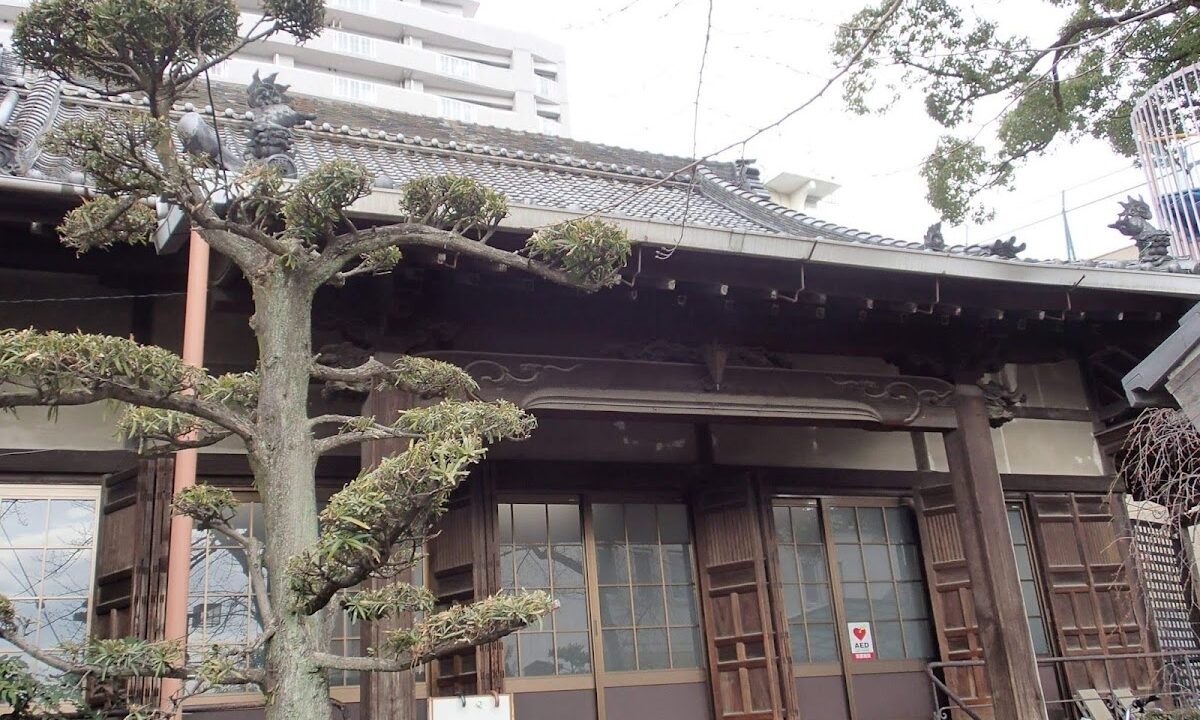
Complete Guide to Saihoji Temple (Atsuta Ward, Nagoya City, Aichi Prefecture) | A Comprehensive Look at This Historic Shinshu Otani-ha Temple and its Nursery School
Located in Taiho, Atsuta Ward, Nagoya City, Aichi Prefecture, Saihoji Temple is a historic temple belonging to the Shinshu Otani-ha sect. Despite its convenient location within walking distance of Hibino Station, nestled in a quiet residential area, this temple has long been a cherished center of faith for the local community. This article provides a detailed overview of Saihoji Temple, covering everything from basic information and history to the characteristics of its sect, attached facilities, and information on worship and memorial services.
Basic Information about Saihoji Temple
Location and Access
Address
3-5-9, Daiho, Atsuta-ku, Nagoya City, Aichi Prefecture 456-0062
Phone Number
052-682-0081
Corporate Number
4180005000395
Nearest Station
Approximately 3 minutes on foot from Exit 5 of Hibino Station on the Nagoya Municipal Subway Meiko Line
Hibino Station is a station on the Nagoya Municipal Subway Meiko Line, conveniently located just two stops from Kanayama Station. Its proximity (3 minutes on foot from the station) makes it extremely convenient for those visiting for prayer or to pay respects at the gravesite. It is also easily accessible by car from the center of Atsuta Ward.
Sect and Mountain Name
Sect: Shinshu Otani-ha (Higashi Honganji-ha)
Mountain Name: Amida-san
The Shinshu Otani-ha is one of the sects of Jodo Shinshu Buddhism, with Higashi Honganji Temple in Kyoto as its head temple. It traces its origins to Shinran Shonin and follows the Pure Land Buddhism tradition, preaching salvation through the vow of Amida Buddha.
Chief Priest
The current chief priest is Reverend Kitou Keiku. He is known for his community-based temple management and courteous service to parishioners.
About the Shinshu Otani-ha | About the Sect of Saihoji Temple
History and Doctrines of the Shinshu Otani-ha
The Shinshu Otani-ha is a branch of Jodo Shinshu Buddhism, founded by the Kamakura period monk Shinran Shonin (1173-1263). When the sect split into Higashi Honganji and Nishi Honganji in the early Edo period, the branch with Higashi Honganji as its head temple became the Shinshu Otani sect.
Key Doctrines:
- Reliance on Other Power: Believing in salvation through the power of Amida Buddha’s original vow, not through one’s own power.
- Salvation for the Wicked: Ordinary people, filled with worldly desires, are the very objects of Amida Buddha’s salvation.
- Nembutsu: Expressing devotion to Amida Buddha by chanting “Namu Amida Butsu.”
- Rebirth in the Pure Land: Aiming to be reborn in Amida Buddha’s Pure Land after death.
Characteristics of the Shinshu Otani School
Shinshu Otani School temples have several characteristics that differ from other Buddhist sects:
- The Principal Image is Amida Buddha: An image of Amida Buddha or the name of Amida Buddha is always enshrined in the main hall.
- No Use of Memorial Tablets: Remembering the deceased is done using a family register or a scroll bearing the Dharma name.
- Dharma Name, Not a Buddhist Precept: The deceased are given a “Buddhist name” (Hōmyō), not a “posthumous Buddhist name” (Kaimyō).
- Marriage of Buddhist monks: Marriage for Buddhist monks has been permitted since the time of Shinran Shōnin.
- Emphasis on Zen meditation and ascetic practices: Based on the teachings of reliance on the power of others, faith is emphasized over ascetic practices such as Zen meditation.
History and Origins of Saihōji Temple
The Land of Atsuta and Buddhism
Atsuta Ward in Nagoya City is a historically rich area home to Atsuta Shrine, one of Japan’s three great shrines. Atsuta Shrine enshrines the Kusanagi-no-Tsurugi (Grass-Cutting Sword), one of the Three Sacred Treasures of Japan, and has flourished as a center of faith since ancient times.
Many temples and shrines have been built in the Atsuta area, centered around the ancient Atsuta Shrine. Saihōji Temple is one of the temples that has taken root in this historic Atsuta area and spread the teachings of Shin Buddhism throughout the region.
The Origins of Saihoji Temple
While there are few clear records regarding the exact founding date of Saihoji Temple, it is certain that it has a long history as a temple of the Shinshu Otani sect. The temple’s name, “Saiho,” originates from the Pure Land Buddhist teaching that Amida Buddha’s Pure Land is located in the west.
The area of Taiho in Atsuta Ward was once a rural area, but with the development of Nagoya since the Meiji era, urbanization has progressed. Saihoji Temple has watched over the changes in the area and has functioned as a spiritual center for the residents.
Saihoji Temple Grounds and Facilities
Main Hall
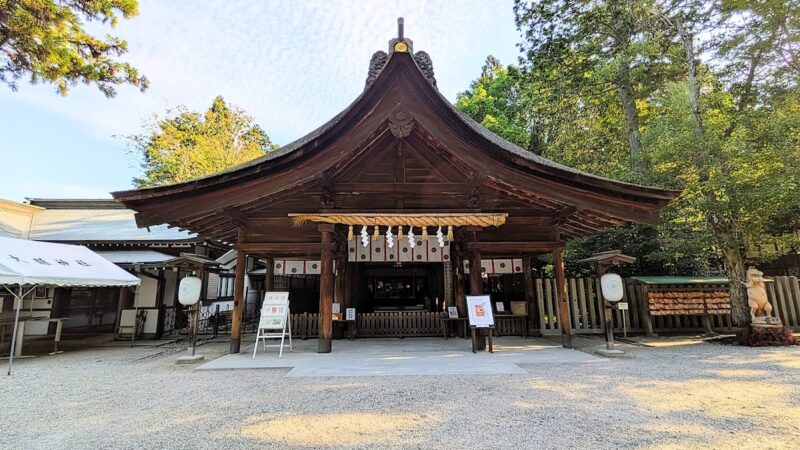
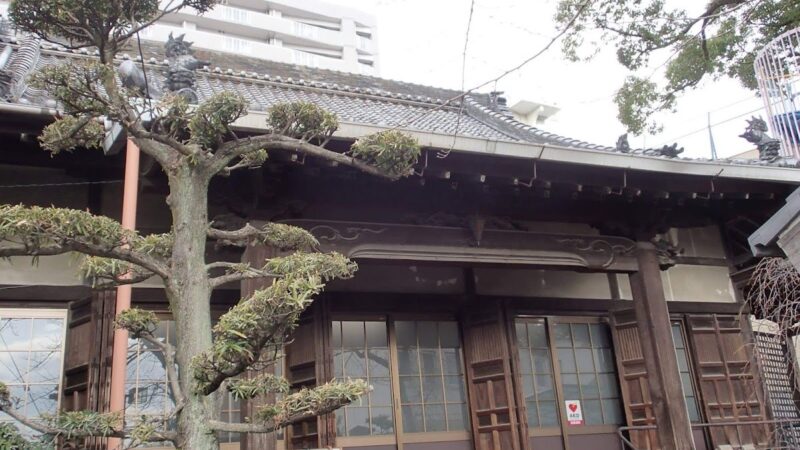
The main hall of Saihoji Temple houses the Amida Buddha, the principal image of the Shinshu Otani sect. The main hall is the central building where Buddhist services, funerals, and memorial services are held, and it is a place where parishioners gather.
Cemetery and Columbarium
Saihoji Temple has an attached cemetery where the graves of parishioners are lined up. As an urban temple, it operates its cemetery in a way that effectively utilizes its limited space.
In recent years, it may also be able to accommodate modern needs by offering columbariums and perpetual memorial graves. For details, please contact the temple directly.
Saihoji Nursery School
One of the notable features of Saihoji Temple is its attached nursery school. Many temples conduct childcare programs as part of their social contribution activities, and Saihoji Temple is one of them.
Nursery School Features:
- Childcare based on Buddhist principles
- Support for local childcare
- Education that fosters compassion
- Emotional education through seasonal and Buddhist events
At the temple-attached nursery school, children learn about the preciousness of life and gratitude through Buddhist events such as the Flower Festival (Buddha’s birthday) and the Hoonko (memorial service for Shinran Shonin).
Main Buddhist Services and Events Held at Saihoji Temple
Regular Buddhist Services
Saihoji Temple, a temple of the Shinshu Otani sect, holds various Buddhist services throughout the year.
Ho-on-ko (Memorial Service)
This service commemorates the death anniversary of Shinran Shonin (November 28th in the old lunar calendar) and is the most important event in Shinshu temples. Currently, it is often held in January or November of the new calendar, and at Saihoji Temple, it is a grand event attended by parishioners.
Spring and Autumn Equinox Services
This service is held during the week centered around the spring and autumn equinoxes, to express gratitude and offer prayers for ancestors.
Obon (Urabon-e)
This is an ancestral memorial service held from August 13th to 16th. In Shin Buddhism, the “Kanki-e” (Joyful Gathering) is a ceremony to commemorate ancestors who have attained Buddhahood in the Pure Land and to express gratitude for the grace of Amida Buddha.
Gotan-e (Birthday Celebration)
This is a memorial service celebrating the birthday of Shinran Shonin (May 21st).
Individual Memorial Services
Funeral (Funeral Service)
Funeral services in the Shinshu Otani sect are called “Sojo Gongyo” (Funeral Service), a ceremony to send the deceased to the Pure Land. At Saihoji Temple, funerals for parishioners are held in the main hall or funeral hall.
Memorial Services
Memorial services are held on the seventh day, forty-ninth day, first anniversary, third anniversary, seventh anniversary, thirteenth anniversary, seventeenth anniversary, twenty-third anniversary, twenty-seventh anniversary, thirty-third anniversary, fiftieth anniversary, etc., according to the anniversary of the deceased’s death.
Grave Consecration Ceremony and Interment Ceremony
A consecration ceremony for newly erected graves and an interment ceremony for the placement of cremated remains are also held.
How to Visit Saihoji Temple
Etiquette for Visiting
Visiting a Shinshu Otani sect temple differs slightly from other sects.
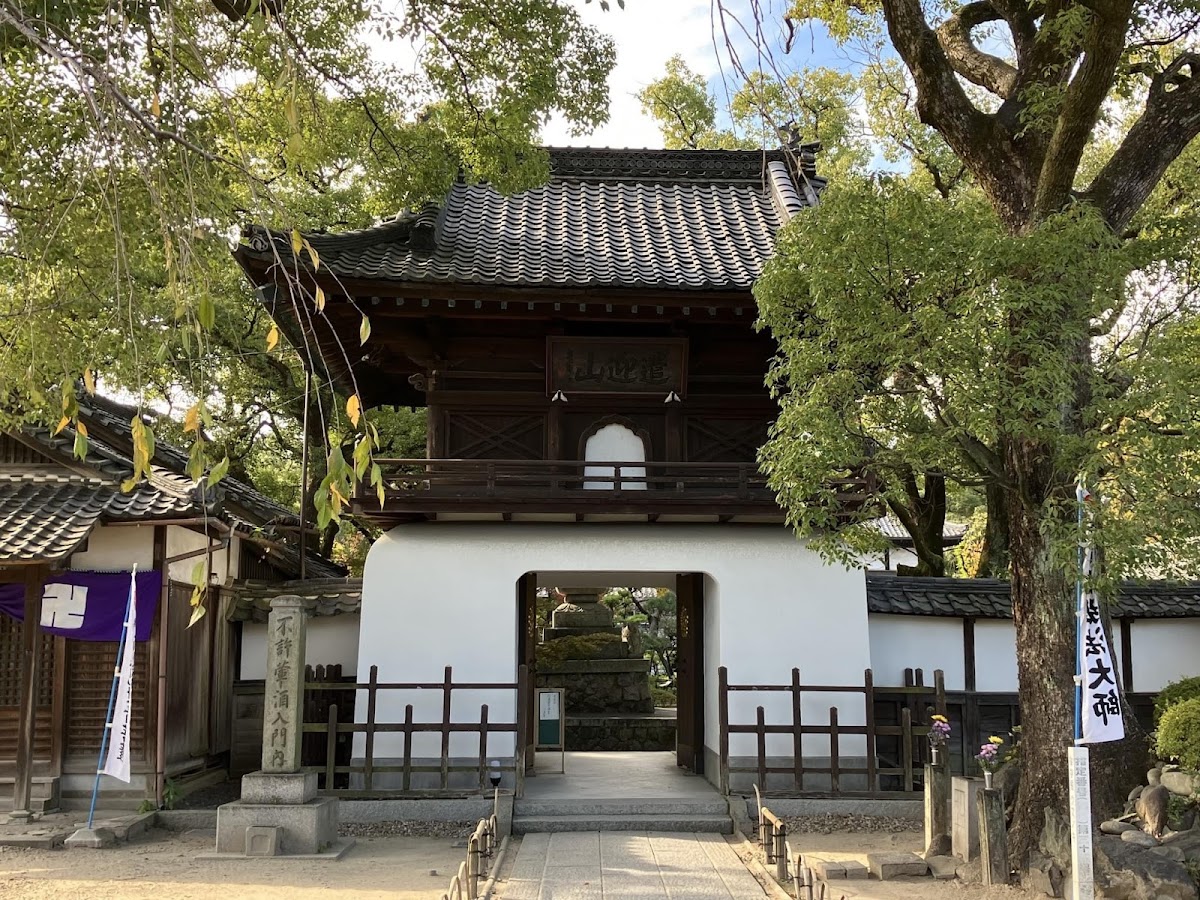
- Bow at the Temple Gate: Bow at the temple gate before entering the temple.
- To the Main Hall: Remove your shoes and neatly arrange them before entering the main hall.
- Join Hands in Prayer: Join your hands in prayer before the Amida Buddha in the main hall and silently chant “Namu Amida Butsu.”
- Praying: In Shinshu Buddhism, you do not clap your hands. Simply clasp your hands together in quiet prayer.
- Offerings: Offerings have the meaning of “donations.”
For First-Time Visitors
For those visiting Saihoji Temple for the first time, especially those who are not parishioners, if you would like to experience the atmosphere of the temple or learn about Buddhism, we recommend contacting us by phone beforehand. The head priest and temple staff will provide courteous assistance.
Services Available at Saihoji Temple
Funeral and Memorial Service Requests
Saihoji Temple conducts funerals and memorial services for its parishioners. We provide respectful services in accordance with the customs of the Shinshu Otani sect.
Funeral Features:
- Funeral service based on the Shinshu Otani sect’s ritual order
- Conferring a Buddhist name to the deceased
- Thorough explanation and support for the bereaved family
Memorial Service Options:
- Memorial service at home
- Memorial service in the temple’s main hall
- Memorial service at the grave
Consultation Regarding Cemeteries and Interment
Nishihoji Temple also accepts consultations regarding cemetery use and interment. As a temple in an urban area, we provide a place for memorial services for our parishioners within limited space.
Buddhist Rituals Consultation
The head priest provides consultations on Buddhist and Shinshu teachings, as well as everyday life concerns. Consultations are available by phone or in person.
Temple Culture in Atsuta Ward and Nishihoji Temple
Religious Background of Atsuta Ward
Atsuta Ward is an area with a strong Shinto culture centered around Atsuta Shrine, but it also has many Buddhist temples. In Japan, a country with a history of syncretism between Shinto and Buddhism, Shinto and Buddhism have coexisted in the Atsuta region.
Nishihoji Temple, a temple of the Shinshu Otani sect, has spread the teachings of Jodo Shinshu Buddhism in this region and has served as a spiritual pillar for the residents. Especially since modern times, with increasing urbanization, temples have also played a central role in the local community.
Connections with the Community
Nishihoji Temple maintains contact with local families with young children through the operation of a nursery school. Furthermore, it contributes to the community by utilizing the public nature of the temple, such as cooperating with Bon Odori (traditional Japanese dance festival) and local events.
The Danka System and Nishihoji Temple
What is a Danka?
A Danka (parishioner) is a family that financially supports a specific temple and, in return, receives religious services such as funerals and memorial services. This system, which originated from the temple registration system of the Edo period, is still maintained by many temples today.
How to Become a Parishioner of Saihoji Temple
If you wish to become a parishioner of Saihoji Temple, you must first contact the temple and have an interview with the head priest. Becoming a parishioner entitles you to the following services:
- Funeral arrangements
- Request for memorial services and Buddhist ceremonies
- Use of cemetery plots
- Consultation on Buddhist rituals
- Participation in temple events
On the other hand, parishioners also have obligations such as paying maintenance fees (annual fees) for the upkeep of the temple and cooperating with temple events.
The Role of Saihoji Temple as a Shinshu Otani-ha Temple
Function as a Nembutsu Dojo
Saihoji Temple serves as a place to learn the teachings of Shinshu Buddhism and chant the Nembutsu. Through regular Dharma talks and study sessions, it provides parishioners with opportunities to learn about the teachings of Shinran Shonin.
The Significance of Temples in Modern Society
In modern society, temples are not merely places for funerals and memorial services, but play a variety of roles, including:
- Spiritual Sanctuary: A place to seek peace of mind in a stressful society
- Community Center: A place where local residents gather
- Cultural Preservation: The preservation of Buddhist culture and traditional events
- Social Contribution: Practicing social welfare activities, such as operating a nursery school
- End-of-Life Support: Supporting preparations for the end of life
Nishihoji Temple is also exploring the role of temples in modern society while fulfilling these roles.
Attractions Around Nishihoji Temple
Atsuta Shrine
Atsuta Shrine, located about 2km from Nishihoji Temple, is a historic shrine that enshrines the Kusanagi-no-Tsurugi, one of the Three Sacred Treasures of Japan. It is also a representative tourist spot in Nagoya, attracting approximately 7 million visitors annually.
Shiratori Garden
Located in Atsuta Ward, Shiratori Garden is one of the largest Japanese gardens in the Chubu region. You can enjoy the beautiful scenery of each season, and it’s recommended to visit when you’re in the area of Saihoji Temple.
Shopping Streets in Atsuta Ward
There are shopping streets around Hibino Station, lined with shops that support the daily lives of the local community. You can get a feel for the local atmosphere when visiting Saihoji Temple.
Frequently Asked Questions
Can non-parishioners visit?
Yes, temples are generally open to the public, but it’s recommended to contact the temple in advance for entry into the main hall, etc.
Is there parking?
Please contact the temple directly for details. Its location, a 3-minute walk from Hibino Station, makes it convenient to use public transportation.
Can I request funeral or memorial services?
Parishioners can request these services. For non-parishioners, please consult the temple first.
I would like to know about enrolling my child in the nursery school.
For inquiries regarding the nursery school, please contact Seihōji Nursery School directly.
Summary | Seihōji is a Shinshu Otani-ha temple deeply rooted in the community
Located in Ōhō, Atsuta-ku, Nagoya City, Aichi Prefecture, Seihōji is a Shinshu Otani-ha temple with a long history and has served as a place of faith for local residents. Despite its convenient location just a 3-minute walk from Hibino Station, it offers a tranquil environment where one can deepen their faith in Amida Buddha.
The temple fulfills diverse roles in modern society, including contributing to the community through the operation of a nursery school, conducting funerals and memorial services with care, and spreading the teachings of Shin Buddhism.
If you live in Atsuta-ku, are interested in the teachings of Shin Buddhism, or are seeking a connection with a temple at a turning point in your life, we encourage you to visit Seihōji. The head priest and other temple staff will warmly welcome you.
Contact Information
Nishihoji Temple
3-5-9 Daiho, Atsuta-ku, Nagoya City, Aichi Prefecture 456-0062
TEL: 052-682-0081
Nearest Station: Approximately 3 minutes on foot from Exit 5 of Hibino Station on the Nagoya Municipal Subway Meiko Line