Complete Guide to Shorenji Temple (Kashihara City, Nara Prefecture) | History and Highlights of the Important Cultural Property, Dainichido Hall and the Seated Dainichi Nyorai Statue
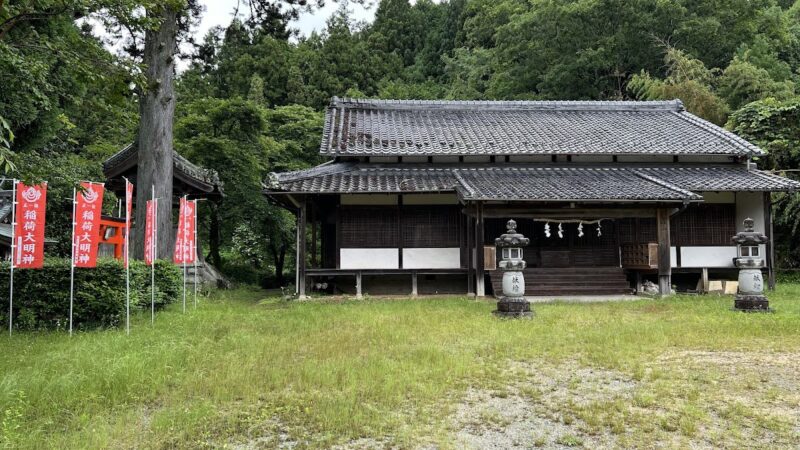
Located in Kashihara City, Nara Prefecture, Shorenji Temple is a historic temple possessing the Dainichido Hall and the seated Dainichi Nyorai statue, both designated as important cultural properties of Japan. The Dainichido Hall, built during the Muromachi period, and the principal image, created during the Kamakura period, have been preserved to this day as valuable cultural heritage of the region. This article provides a detailed explanation of Shorenji Temple’s historical background, architectural features, the value of its cultural properties, and highlights for visitors.
History and Origins of Shorenji Temple
From Fugenji Temple to Shorenji Temple: Crossing the Waves of the Meiji Restoration
The Dainichido Hall of Shorenji Temple originally belonged to a Shingon Buddhist temple called “Fugenji Temple.” This hall, whose construction began in 1478 and was completed in 1485, is a valuable structure that preserves the architectural style of the late Muromachi period. During the early Meiji period, Fugenji Temple faced the threat of destruction due to the anti-Buddhist policies known as Haibutsu Kishaku (the destruction of Buddhist images). Many temples throughout Japan were destroyed during this time, resulting in the loss of valuable Buddhist statues and buildings. Fortunately, however, the Dainichido Hall and its principal image, the seated statue of Dainichi Nyorai, escaped destruction and have been preserved to this day through the management of Shorenji Temple, a Jodo Shinshu Buddhist temple.
Due to this historical background, Shorenji Temple, while a Jodo Shinshu temple, has the unique characteristic of enshrining Dainichi Nyorai, the principal image of Shingon Esoteric Buddhism, making it a temple with nationally rare features.
Dainichido Hall: Conveying Muromachi Period Architectural Techniques
Shorenji Temple’s Dainichido Hall was designated a National Important Cultural Property on June 22, 1955. The architectural style has the following characteristics:
- Construction Date: Ridgepole erected in Bunmei 10 (1478), completed in Bunmei 17 (1485)
- Building Style: Three bays wide, three bays deep, single story, hipped roof, tiled roof
- Location: 335 Kotsuna-cho, Kashihara City, Nara Prefecture
This temple, which conveys the architectural techniques of the late Muromachi period, has a simple yet robust structure and has withstood the elements for over 500 years. The combination of a hipped roof and tiled roofing is typical of temple architecture of that time.
National Treasure-Class Cultural Property: Seated Dainichi Nyorai Statue
Masterpiece of Kamakura Period Buddhist Sculpture
The wooden seated Dainichi Nyorai statue, the principal image of Shorenji Temple, is a Buddhist statue designated as a National Important Cultural Property. This statue is estimated to have been created during the Kamakura period and is said to be the work of the Inpa school of Kyoto.
The In-ha school was a group of Buddhist sculptors active from the Heian period to the Kamakura period, known for their refined techniques and elegant forms. The seated statue of Dainichi Nyorai at Shorenji Temple also exhibits this characteristic style, and the following points are noteworthy:
- Period of Production: Kamakura period
- Style: Kyoto In-ha school
- Material: Wood
- Form: Seated statue
- Cultural Property Designation: Nationally Designated Important Cultural Property
Dainichi Nyorai is the highest-ranking Buddha in Shingon Esoteric Buddhism, considered to embody the very truth of the universe. It displays a distinctive hand gesture (mudra) called the Chiken-in, and is highly regarded as a representative example of Esoteric Buddhist art.
Attendant Deities: Jikokuten and Tamonten
Flanking the seated statue of Dainichi Nyorai are two of the Four Heavenly Kings, Jikokuten and Tamonten, enshrined as attendant deities. Typically, Dainichi Nyorai (Vairocana Buddha) is flanked by four bodhisattvas or Kongo Rikishi (guardian deities), but at Shorenji Temple, two of the Four Heavenly Kings are included, a rare configuration.
This combination may reflect the religious practices and regional characteristics of the Fugenji Temple era, making it an interesting example from the perspective of Buddhist art history.
Special Highlights of Shorenji Temple
A Rare “Nirvana Painting with a Cat”
Shorenji Temple houses a rare Nirvana painting that includes a cat, which is not usually depicted in Nirvana paintings. A Nirvana painting is a Buddhist painting depicting the scene of Shakyamuni Buddha’s death, showing many disciples and animals mourning his passing.
Traditional Nirvana paintings generally do not include cats among the twelve animals of the Chinese zodiac. This is based on the legend that only cats did not grieve at the death of Buddha, or that they did not arrive in time for Buddha’s final moments. However, the Nirvana painting at Shorenji Temple depicts a cat, which is noteworthy as a rare example nationwide.
This “Nirvana painting with a cat” may reflect the local people’s affection for cats and their unique religious views, making it a valuable resource from an art historical perspective.
Special Public Openings and Local Connections
Shorenji Temple’s important cultural properties are usually not open to the public, but they are sometimes displayed on special occasions, such as the 60th anniversary of Kashihara City’s founding. During these special openings, visitors can view the seated statue of Dainichi Nyorai and the Nirvana painting with a cat up close, which are not normally visible.
Shorenji Temple, beloved by the local people, plays an important role in preserving the region’s history and culture. During special openings, many people visit, including local residents, history enthusiasts, and Buddhist art fans.
Access and Visiting Information for Shorenji Temple
Location and Basic Information
Address: 335 Kotsuna-cho, Kashihara City, Nara Prefecture (Location of Dainichi-do Hall)
Alternative Address: 50-2 Unebi-cho, Kashihara City, Nara Prefecture (Main Hall)
Shorenji Temple has multiple buildings. The Dainichi-do Hall, a designated Important Cultural Property, is located in Kotsuna-cho, while the Main Hall is located in Unebi-cho.
Visiting Hours: 8:00 AM – 5:00 PM (General Guideline)
Admission Fee: Usually, only the exterior can be viewed. Interior viewing is only available during special public openings.
Sect: Jodo Shinshu
Access by Train
Shorenji Temple can be accessed on foot from several nearby stations:
From Kintetsu Yamato-Yagi Station
- Approximately 10 minutes on foot (approx. 732m)
- A major station in Kashihara City, served by the Kintetsu Osaka Line and Kashihara Line
- Many commercial facilities are located around the station, making it a convenient base for sightseeing.
From Kintetsu Yagi-Nishiguchi Station
- Approximately 10 minutes on foot (approx. 753m)
- A station on the Kintetsu Osaka Line
- The station next to Yamato-Yagi Station, with a route that passes through a quiet residential area.
From JR Unebi Station
- Approximately 15 minutes on foot
- A station on the JR Sakurai Line (Manyo Mahoroba Line)
- Located at the foot of Mt. Unebi, in a historically significant area.
Access by Car and Parking
Shorenji Temple does not have its own large parking lot, but there are coin-operated parking lots nearby. Since there are many tourist attractions in Kashihara City, we recommend using public transportation.
Access from Major Roads:
- Approximately 10 minutes from the Keina-Wa Expressway “Kashihara Kita IC”
- Approximately 15 minutes from the Minami-Hanna Expressway “Katsuragi IC”
Historical Background of Kashihara City and Surrounding Sightseeing
Kashihara, the Center of Ancient Japan
Kashihara City is an extremely important area in Japanese history, known for the site of the Kashihara Palace, where Emperor Jimmu, Japan’s first emperor, is said to have ascended the throne. During the Asuka period, it flourished as a political and cultural center, and many temples and palaces were built.
The area around Kotsuna-cho and Unebi-cho, where Shorenji Temple is located, was a region where many temples were built from ancient to medieval times, and Buddhist culture is deeply rooted there. The Dainichi-do Hall of Shorenji Temple is a valuable legacy that conveys the traditions of Buddhist culture in this region.
Tourist Attractions Around Shorenji Temple
When visiting Shorenji Temple, we recommend also visiting the surrounding historical tourist attractions:
Kashihara Shrine
Approximately a 20-minute walk from Shorenji Temple. One of Japan’s leading shrines dedicated to Emperor Jimmu, it features a vast precinct and magnificent shrine buildings. Many worshippers from all over Japan visit for Hatsumode (New Year’s visit).
Imai-cho
Approximately a 15-minute walk from Shorenji Temple. A preservation district for important traditional buildings, where the townscape of the Edo period is preserved. Approximately 500 traditional buildings remain, allowing visitors to enjoy an atmosphere that feels like stepping back in time.
Fujiwara Palace Site
Approximately a 10-minute drive. The site of Japan’s capital from 694 to 710. The reconstructed Daigokuden (Great Hall of State) remains on a vast plain, where rapeseed flowers bloom beautifully in spring and cosmos flowers in autumn.
Kashihara City Children’s Science Museum
Approximately 15 minutes on foot. This science museum is recommended for families and features a planetarium and interactive exhibits.
The Cultural Value of Shorenji Temple
A Miracle of Surviving the Anti-Buddhist Movement
The anti-Buddhist movement in the early Meiji period caused immeasurable losses to Japanese Buddhist culture. Many temples were abolished, and valuable Buddhist statues and buildings were destroyed. The fact that Shorenji Temple’s Dainichido Hall and the seated statue of Dainichi Nyorai survived during this period is truly a miracle.
The fact that Shorenji Temple, a Jodo Shinshu temple, inherited the legacy of Fugenji Temple, a Shingon Buddhist temple, demonstrates a spirit of cultural property preservation that transcends sectarian boundaries and speaks to the high level of cultural maturity of the local community.
A Valuable Example of Muromachi Period Architecture
Shorenji Temple’s Dainichido Hall holds significant architectural value as an example of late Muromachi period temple architecture. The fact that the building’s construction year is clearly recorded as Bunmei 10 (1478) is invaluable for architectural dating research.
Although a relatively small temple building measuring three bays by four bays, it employs a dignified style with a hipped roof and tiled roofing, demonstrating the high standard of regional temple architecture at the time.
Spread of In-ha Buddhist Statues to the Provinces
The fact that the principal image, a seated statue of Dainichi Nyorai, is attributed to the Kyoto In-ha school is important evidence of the spread of central (Kyoto) Buddhist statue styles to the provinces (Yamato Province) during the Kamakura period. The arrival of the In-ha’s superior techniques in Kashihara suggests the cultural exchange and economic power of the time.
Points to Note and Manners When Visiting Shorenji Temple
Visiting Manners
Shorenji Temple is still a temple that functions as a place of worship. Please observe the following manners when visiting:
- Be Quiet: Please behave quietly on the temple grounds and be considerate of other visitors and nearby residents.
- Photography: While photography of the building’s exterior is permitted, permission is required for photography of the interior and Buddhist statues. Photography may be prohibited during special public viewings.
- Dress Code: There are no strict regulations, but please dress appropriately and respectfully for a religious site.
- Offerings: You may offer a monetary donation during your visit. There is no set amount, but please express your gratitude.
How to Obtain Information on Special Public Viewings
The important cultural properties of Shorenji Temple are usually closed to the public, but information on special viewings can be obtained through the following methods:
- Kashihara City Tourism Association: Provides information on tourism events in Kashihara City.
- Kashihara City Official Website: Lists cultural property-related events in the city.
- Nara Prefecture Tourism Official Website “Aoniyoshi Nara Travel Net”: Comprehensive information on special viewings of temples and shrines in Nara Prefecture.
Special viewings are irregular, but are often held during Kashihara City’s commemorative events and Cultural Properties Week (November).
Shorenji Temple and the Local Community
A Temple Beloved by the Local Community
Shorenji Temple has long been cherished by local residents, not so much as a tourist attraction, but as a temple deeply rooted in the community. As a Jodo Shinshu Buddhist temple, it supports the religious lives of local people and plays a central role in the community through weddings, funerals, and annual events.
At the same time, it bears the responsibility of protecting important cultural properties, striving to pass on culture to future generations while balancing the preservation and public access of cultural properties.
Cultural Property Protection Activities in Kashihara City
Kashihara City, as a municipality with a rich historical heritage dating back to ancient times, actively engages in cultural property protection activities. Shorenji Temple’s Dainichido Hall is part of these activities, undergoing regular preservation, repair, and research.
Efforts are also being made to increase understanding of and interest in cultural property protection by creating opportunities for citizens to experience local cultural properties, such as special public viewings commemorating the 60th anniversary of the city’s founding.
Best Season to Visit Shorenji Temple
Seasonal Charms
While Shorenji Temple itself doesn’t have any special seasonal flowers, combining a visit with sightseeing around Kashihara City allows you to enjoy the charm of each season:
Spring (March-May)
Beautiful season for rapeseed blossoms at Fujiwara Palace Site (late March-mid-April) and cherry blossoms at Kashihara Shrine. The weather is mild, making it ideal for a stroll.
Summer (June-August)
Relatively few tourists, allowing for a leisurely visit. However, heat protection is essential.
Autumn (September-November)
Special openings may be held during Cultural Heritage Week (November). The cosmos flowers at Fujiwara Palace Site (mid-October-early November) are also magnificent.
Winter (December-February)
Visiting Shorenji Temple in conjunction with a New Year’s visit to Kashihara Shrine is also recommended. Enjoy a historical walk in the crisp air.
Summary: The Historical Value and Significance of Visiting Shorenji Temple
Shorenji Temple in Kashihara City, Nara Prefecture, is not large in scale, but it is a temple of high historical and cultural value, possessing the Dainichido Hall and the seated statue of Dainichi Nyorai, both designated as important national cultural properties.
There are many highlights, including the Dainichido Hall, which showcases the architectural techniques of the Muromachi period, the seated statue of Dainichi Nyorai, an excellent Buddhist sculpture from the Kamakura period, and a rare Nirvana painting featuring a cat. In particular, its history of surviving the difficult Meiji era’s anti-Buddhist movement speaks volumes about the special significance of this temple.
Its unique position of protecting the legacy of Shingon Esoteric Buddhism while being a Jodo Shinshu temple embodies the spirit of cultural property preservation that transcends sectarian boundaries, and is a fine example of the tolerance and diversity of Japanese religious culture.
When visiting Kashihara City, be sure to visit Shorenji Temple along with other major tourist attractions such as Kashihara Shrine and Imai-cho. If there is an opportunity for a special public viewing, it is a wonderful chance to see precious cultural artifacts up close. Shorenji Temple, which is rooted in the local community but holds an important place in the history of Japanese Buddhist culture, will quietly speak to visitors about the weight of history and the preciousness of culture.