Saikoji Temple (Gose City, Nara Prefecture) Complete Guide | History, Relationship with the Suiheisha Movement, and Access Information
Saikoji Temple, located in Kashiwara, Gose City, Nara Prefecture, is a Jodo Shinshu Honganji-ha temple with a long history rooted in the local community since the mid-Edo period. However, its national recognition stems not only from its religious role. Situated in the Kashiwara district, the birthplace of the National Suiheisha Movement (founded March 3, 1922), it holds significant importance in the history of the Japanese human rights movement and is a central figure in the “hometown of human rights,” attracting many visitors.
This article comprehensively introduces all the information you need to know before visiting Saikoji Temple, including its detailed history, deep relationship with the National Suiheisha, highlights within the temple grounds, information on nearby facilities such as the Suiheisha Museum, and detailed access information.
Basic Information about Saikoji Temple
Temple Overview
- Temple Name: Saikoji Temple
- Mountain Name: Kenkanzan
- Sect: Jodo Shinshu Honganji School (Nishi Honganji School)
- Principal Image: Amida Buddha
- Location: 146 Kashiwara, Gose City, Nara Prefecture
- Phone Number: 0745-62-5265
- Founding: Temple name granted in Kyoho 15 (1730), established in Kan’en 1 (1748)
Saikoji Temple is a Jodo Shinshu Honganji School temple located in the Kashiwara district of Gose City, in southern Nara Prefecture. Gose City is a historical area spreading at the foot of Mt. Katsuragi, where ancient traditions and culture thrive.
The Origins of the Temple
According to the records of the “Nishi Honganji Temple Register,” the history of Saikoji Temple is complex. It is believed to have been established in 1748 (Kanei 1), and was initially called “Sodojo (Kanbo Shakushudo).” However, the official temple name and the bestowal of the principal image were received from Nishi Honganji Temple on October 25, 1730 (Kyoho 15).
The founding monk and first chief priest was a monk named Jogen, and since then, it has served as a center of Jodo Shinshu Buddhism in this region, a spiritual haven for the people.
History and Background of Saikoji Temple
Founding and Development in the Edo Period
The first half of the 18th century, when Saikoji Temple was founded, corresponds to the mid-Edo period. During this time, Jodo Shinshu Buddhism was spreading nationwide, and was particularly deeply practiced in rural areas and among the townspeople. In the Kashiwabara district of Gose City, Saikoji Temple played an important role as a place of worship for the local residents. The year 1730 (Kyoho 15) was a time when Tokugawa Yoshimune was implementing the Kyoho Reforms. While there was strict social control, religious activities were an important element in strengthening community bonds. The founding of Saikoji Temple can be seen as a result of the people of the Kashiwara district seeking a spiritual anchor within this historical context.
Changes from the Meiji to Taisho Periods
After the Meiji Restoration, despite the impact of the separation of Shinto and Buddhism and the anti-Buddhist movement, Saikoji Temple continued to exist as a center of local faith. Particularly from the late Meiji period to the Taisho period, important social movements began to emerge in the Kashiwara district.
Deep Connection with the National Suiheisha Movement
Saikoji Temple holds the most historical significance in its connection to the founding of the National Suiheisha. The founding convention of the National Suiheisha, held on March 3, 1922 (Taisho 11) at the Okazaki Public Hall in Kyoto City, marked a groundbreaking starting point for the human rights movement in Japan.
The youth of Kashiwara, Gose City, Nara Prefecture, were at the heart of this movement. The Kashiwara district, where Saikoji Temple is located, is a buraku (a historically discriminated-against community) with a long history of suffering from discrimination and prejudice. Saikoji Temple played a crucial role as a spiritual pillar for the people of this region and as a place to support the Suiheisha movement.
The phrase “Let there be passion in the world of men, let there be light for humanity,” embodied in the Suiheisha Declaration, expresses a strong will to liberate from discrimination and seek human dignity, and Saikoji Temple can be considered one of the places where this spirit was nurtured.
Highlights and Features of the Temple Grounds
Main Hall and Amida Buddha
The main hall of Saikoji Temple houses the principal image, Amida Buddha. In Jodo Shinshu Buddhism, believers believe in the original vow of Amida Buddha and pray for rebirth in the Pure Land by chanting the Nembutsu (invocation of Amida Buddha). The Amida Buddha statue at Saikoji Temple was bestowed by Nishi Honganji Temple in 1730 (Kyoho 15), making it a precious Buddhist statue with a history of nearly 300 years.
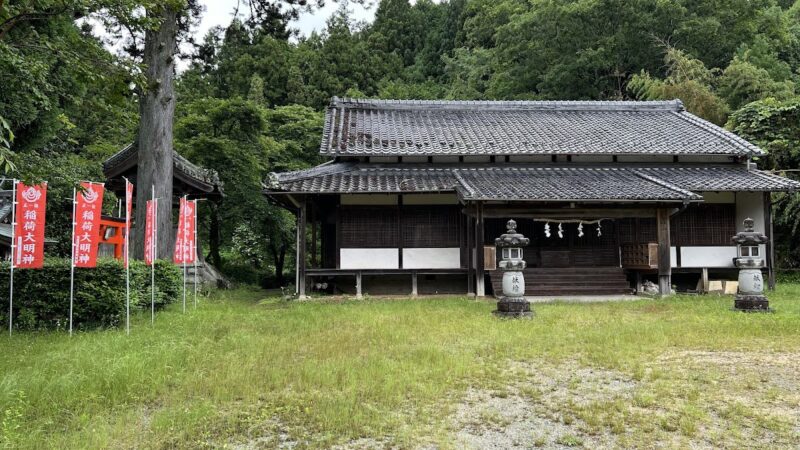
The main hall, while simple, possesses a solemn atmosphere and has attracted the faith of the local people. As is typical of Jodo Shinshu temples, the decorations are restrained, creating a space that cherishes the teachings of Buddha and the spirit of nembutsu (recitation of Amida Buddha’s name).
Atmosphere of the Temple Grounds
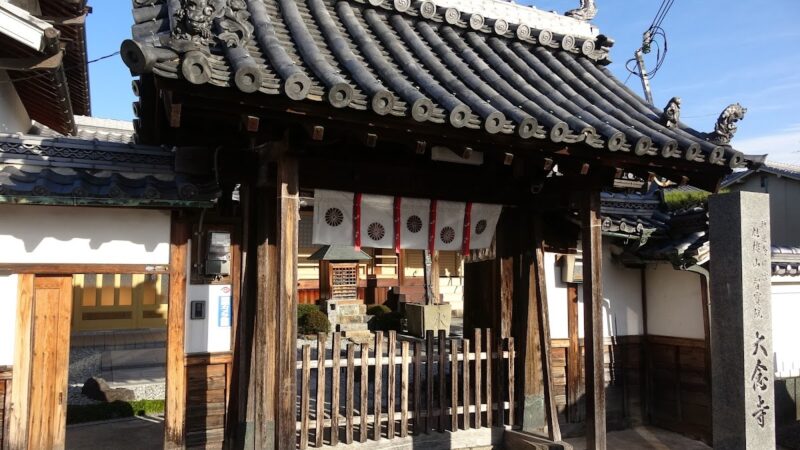
Saikoji Temple’s grounds are situated in a quiet environment surrounded by greenery. The Suiheisha Museum is nearby, and a small hill called Hohoma Hill and the Human Rights Hometown Park are adjacent. Seasonal flowers bloom, creating a peaceful atmosphere that welcomes visitors.
From the temple grounds, one can overlook the townscape of the Kashiwabara district, allowing one to feel the history and lives of the people in this region.
Relationship with the Suiheisha Museum
Overview of the Suiheisha Museum
When visiting Saikoji Temple, the adjacent Suiheisha Museum is a must-see. This museum opened in 1998 (Heisei 10) as Japan’s only specialized museum dedicated to the founding of the National Suiheisha and the history of the Buraku liberation movement.
Exhibits
The Suiheisha Museum features the following exhibits:
- The Founding of the National Suiheisha: The historical background leading up to the founding convention on March 3, 1922
- The Suiheisha Declaration: An exhibit of the historical document drafted by Mankichi Nishimitsu and others
- The Reality of Discrimination: The reality of discriminated Buraku communities from the Edo period to the modern era
- The Progress of the Liberation Movement: The evolution from the National Suiheisha to the modern Buraku liberation movement
- The History of Kashiwara: The history and culture of the Kashiwara district as the birthplace of the Suiheisha
Kashiwara as the Hometown of Human Rights
The Kashiwara district is known as the “birthplace of the Suiheisha and the hometown of human rights,” and, centered around Nishimitsu-ji Temple and the Suiheisha Museum, it serves as a place to learn about and reflect on human rights. Hohoma Hill and the Human Rights Hometown Park, nestled in a lush green environment, quietly convey the importance of human rights to visitors.
Access Information to Saikoji Temple
Access by Train
The following three stations are the closest to Saikoji Temple:
JR Wakayama Line “Ekigami Station” (Nearest)
- Distance: Approximately 0.8km (Approx. 10-12 minutes on foot)
- Route: Exit Ekigami Station and head northwest, then take Prefectural Road 30 to the Kashiwabara area.
- Features: The closest station, convenient access on foot.
JR Wakayama Line “Tamate Station”
- Distance: Approximately 1.5km (Approx. 18-20 minutes on foot)
- Route: From Tamate Station, head north, through the residential area to the Kashiwabara area.
Kintetsu Yoshino Line “Ichio Station”
- Distance: Approximately 2.0km (Approx. 25 minutes on foot)
- Route: From Ichio Station, head west, via the prefectural road to the Kashiwabara area.
Access by Car
Routes from Major Roads
- From the Minami-Hanna Expressway “Katsuragi IC”: Approximately 15 minutes (approx. 8 km)
- From the Keina-Wa Expressway “Gosho IC”: Approximately 10 minutes (approx. 5 km)
- From National Route 24: Approximately 5 minutes via Prefectural Route 30
Parking Information
While it is necessary to confirm the availability of Saikoji Temple’s dedicated parking lot in advance, the adjacent Suiheisha Museum has a free parking lot (approx. 30 spaces) which can be used. However, it may not be available depending on the museum’s closing days and congestion, so prior confirmation is recommended.
Access by Bus
Community buses operating within Gosho City may be available, but since the number of services is limited, it is recommended to check the service status with Gosho City Hall or Nara Kotsu in advance.
Nearby Attractions and Tourist Spots
Suiheisha Museum (Re-listed)
- Location: 235-2 Kashiwara, Gose City, Nara Prefecture
- Opening Hours: 10:00 AM – 5:00 PM (Last entry at 4:30 PM)
- Closed: Every Monday (or the following day if Monday is a public holiday), New Year holidays
- Admission Fee: General 500 yen, High school/University students 300 yen, Elementary/Junior high school students 200 yen
Human Rights Hometown Park
A park adjacent to the Suiheisha Museum, where you can enjoy flowers throughout the seasons. Well-maintained walking paths allow you to stroll and reflect on history at your leisure.
Emperor Jimmu Shrine
A shrine located near the Kashiwara area, dedicated to Emperor Jimmu. Known as a place associated with Japan’s founding myths.
Katsuragi Ancient Road
An ancient road stretching from Gose City to Katsuragi City, a historical road that retains the atmosphere of antiquity. Located about a 15-minute drive from Saikoji Temple, it’s also a popular hiking spot.
Takakamo Shrine
This ancient shrine is considered the head shrine of all Kamo (or Kamo) shrines nationwide, and is located about a 10-minute drive from Saikoji Temple. Hundreds of years old trees line the grounds, creating a solemn atmosphere.
Points to Note When Visiting
Visiting Etiquette
Saikoji Temple still functions as a place of worship for the local community. Please observe the following points when visiting:
- Respectful Attitude: Please remain quiet on the temple grounds and avoid disturbing other visitors.
- Photography: Permission may be required to take photographs inside the main hall. Please check beforehand
- Dress Code: There are no strict regulations, but modest attire appropriate for a temple is desirable.
- Donations: You can offer monetary donations or offerings when visiting.
Estimated Visiting Time
- Saikoji Temple Only: 20-30 minutes
- Including Saikoji Temple and the Suiheisha Museum: 1.5-2 hours
- Including a Stroll Through the Surrounding Area: 2.5-3 hours
Best Time to Visit
Saikoji Temple is open year-round, but the best times to visit are:
- Spring (March-May): Beautiful cherry blossoms and fresh greenery, and pleasant weather.
- Autumn (October-November): Beautiful autumn foliage, ideal for strolling through the Human Rights Hometown Park.
- Around March 3rd: Events related to the founding anniversary of the National Suiheisha may be held.
History and Culture of Gose City
Overview of Gose City
Gose City is located in the southwestern part of Nara Prefecture, at the foot of Mt. Katsuragi and Mt. Kongo, and has a population of approximately 25,000. In ancient times, it flourished as the base of the Katsuragi clan and is a historically significant region mentioned in the Kojiki and Nihon Shoki.
Ancient History
The Gose City area was within the sphere of influence of the ancient Katsuragi clan, and many ancient burial mounds and ruins remain. It is also a place where mythology and history intersect, as it is connected to the legend of Emperor Jimmu’s eastern expedition.
Modern Social Movements
Gose City, including the Kashiwara district where Saikoji Temple is located, played an important role in the history of social movements in modern Japan. As the birthplace of the National Suiheisha movement, it is a region that became the origin of movements demanding human rights and equality.
About the Jodo Shinshu Honganji School
Teachings of Jodo Shinshu
The Jodo Shinshu Honganji School, to which Saikoji Temple belongs, is one of the largest Buddhist sects in Japan, founded by Shinran Shonin (1173-1263). It teaches that all people can be equally saved by believing in the original vow of Amida Buddha and chanting the Nembutsu, “Namu Amida Butsu.”
Characteristics of the Honganji School
The Jodo Shinshu Honganji School has its head temple, Nishi Honganji (Honganji) in Kyoto, and boasts over 10,000 temples nationwide. Key Features:
- Reliance on Other Power: Preaches salvation through the power of Amida Buddha’s vow, not through self-effort.
- Salvation for the Wicked: Believes that ordinary people burdened with worldly desires are precisely the recipients of Amida Buddha’s salvation.
- Marriage for Monks: Since the time of Shinran Shonin, marriage for monks has been permitted.
- Equality Doctrine: A teaching that all human beings are equally saved.
This egalitarian doctrine became one of the spiritual foundations of the All-Japan Suiheisha Movement.
Significance of Visiting Saikoji Temple
As a Place to Learn History
Saikoji Temple is not merely a religious facility, but an important place to learn about the history of the human rights movement in Japan. You can learn about the background of the All-Japan Suiheisha Movement, the suffering and hopes of the people at the time, and the courageous actions taken in the fight against discrimination.
As a Place to Reflect on Human Rights
Even today, various forms of discrimination and prejudice exist. Visiting Saikoji Temple and the Suiheisha Museum provides an opportunity to deeply reflect on the importance of human rights and the dignity of all human beings.
A Place of Silence and Prayer
Away from the hustle and bustle of everyday life, you can have time to quietly reflect on yourself. Saikoji Temple is a valuable place to experience the teachings of Jodo Shinshu Buddhism and seek inner peace.
Summary
Saikoji Temple, located in Kashiwara, Gose City, Nara Prefecture, is a Jodo Shinshu Honganji sect temple founded in the mid-Edo period, boasting a history of nearly 300 years. However, the true significance of this temple lies in its location in the Kashiwara district, the birthplace of the All-Japan Suiheisha Movement, and its important role in the history of the Japanese human rights movement.
With the mountain name and temple name of Kamanzan Saikoji, and with Amida Buddha as its principal deity, this temple is a center of faith for the local people and also a place where the spirit of the Suiheisha Declaration, “Let there be passion in the world of man, let there be light for humanity,” was nurtured.
Visiting the adjacent Suiheisha Museum in conjunction with the temple allows you to deeply learn about the history of discrimination, the progress of the liberation movement, and the importance of human rights. When visiting Gose City, why not take some time to visit Saikoji Temple and reflect on history and human rights?
Its convenient location, just a 10-minute walk from Ekigami Station on the JR Wakayama Line, is another attractive feature. Along with the Human Rights Hometown Park, surrounded by nature that changes with the seasons, Saikoji Temple is a valuable place to quietly reflect on history and contemplate the future, making it a temple well worth visiting.