Okutama Shrine (Fukushima City, Fukushima Prefecture) Complete Guide | History, Deities, Access, and Visiting Information
Okutama Shrine, located in Sakurashita, Fukushima City, Fukushima Prefecture, is a shrine that has been cherished by the local people for centuries. This article provides detailed information about Okutama Shrine, from its basic information and history to its enshrined deities, visiting methods, and access information. This information will be useful for those planning a shrine tour in Fukushima Prefecture or those interested in the region’s history and culture.
Basic Information about Okutama Shrine
Okutama Shrine is located at 28 Miyanouchi, Sakurashita, Fukushima City, Fukushima Prefecture. Its corporate number is 7380005000694. The postal code is 〒960-2154. The name “Okutama Shrine” is extremely rare nationwide, and it is said to be the only one of its kind in the entire country.
Location and Contact Information
Address: 28 Miyanouchi, Sakurashita, Fukushima City, Fukushima Prefecture
Postal Code: 〒960-2154
Corporate Number: 7380005000694
Located northwest of the center of Fukushima City, it is situated in a quiet area surrounded by abundant nature. As the local guardian shrine, it is revered by the local community.
History and Origins of Okutama Shrine
While there are limited historical documents currently available regarding the founding date and detailed origins of Okutama Shrine, it is believed to have a long history as a shrine deeply rooted in the community. There are over 3,000 shrines in Fukushima Prefecture, and Okutama Shrine is one of them, supporting the spiritual culture of the region.
Relationship between the Sakurashita District and the Shrine
The Sakurashita district is located in the northern part of Fukushima City and has developed as a region centered on agriculture. Okutama Shrine is a center of faith that has been passed down through generations, serving as a place to pray for abundant harvests and family safety in the region. It also plays an important role in local festivals and annual events.
Deities and Divine Virtues
While detailed information about the deities enshrined at Okutama Shrine is limited, they are revered as guardian deities of the region. Generally, shrine names containing the character “玉” (tama) often symbolize jewels or spiritual power, representing mystical forces in Shintoism.
Expected Divine Virtues
As the guardian deity of the region, the following divine virtues are expected:
- Family Safety: Protection of family health and peaceful living
- Abundant Harvest: Abundant crops and prosperity of local industries
- Protection from Misfortune and Bringing Good Fortune: Warding off disasters and inviting good fortune
- Regional Peace and Tranquility: Peace and development of the entire region
Shrine Grounds and Highlights
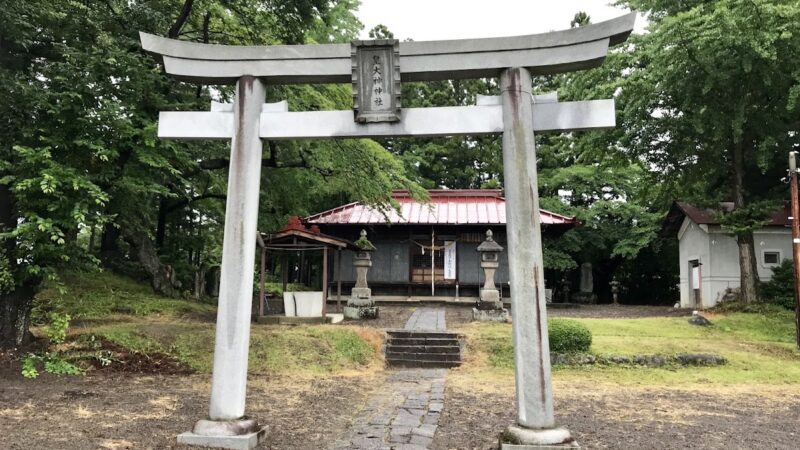
Okutama Shrine is located in the naturally rich environment of Fukushima City, offering a quiet and peaceful atmosphere for worship. The shrine grounds are carefully maintained by local residents and kept clean.
Torii Gate and Approach
A torii gate stands at the entrance to the shrine, and passing through it marks the transition from the secular world to the sacred realm. Passing through the torii gate is an important ritual in Shintoism, signifying the purification of the heart and preparation for welcoming the gods. Walking along the approach allows you to escape the hustle and bustle of everyday life and find peace of mind.
Shrine Buildings
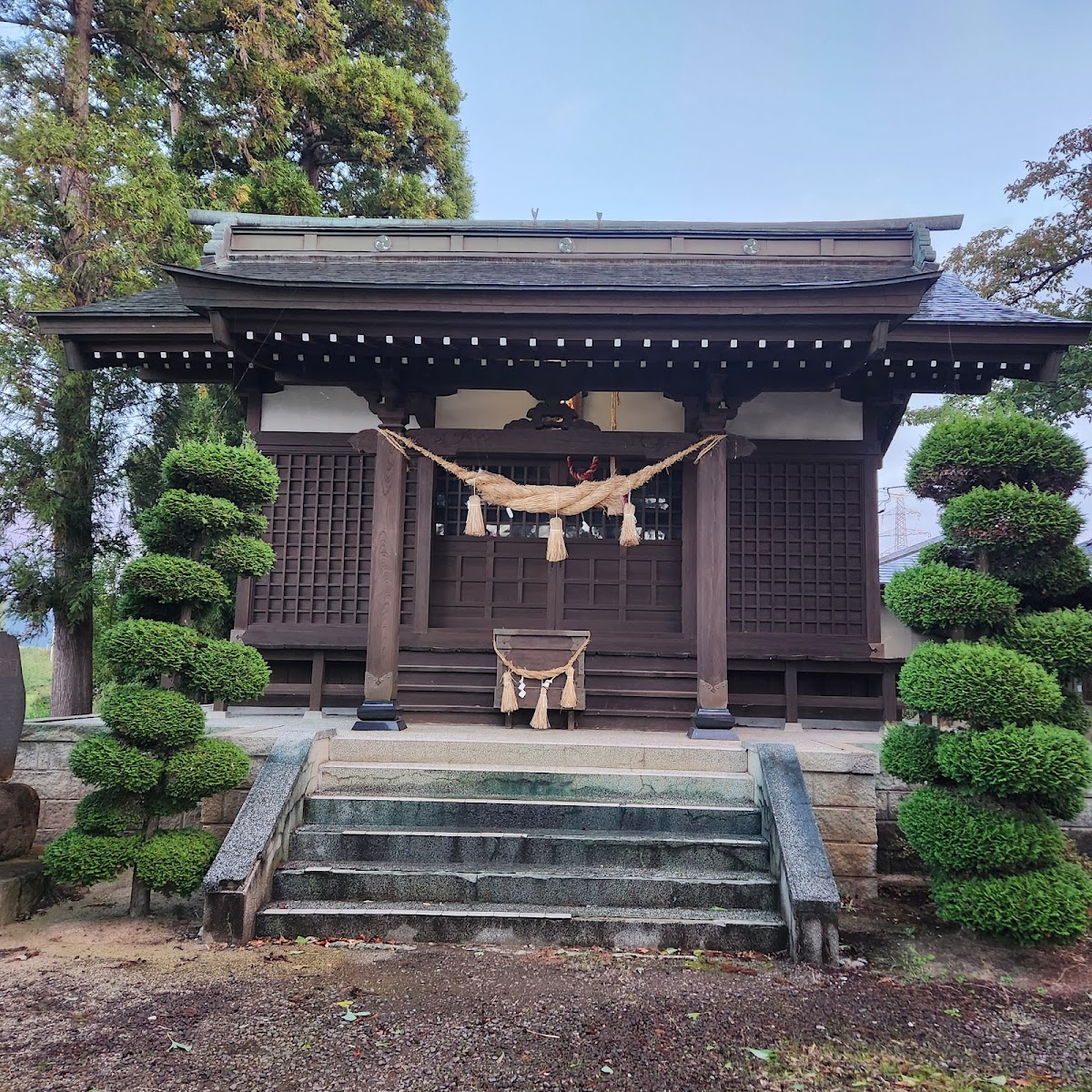
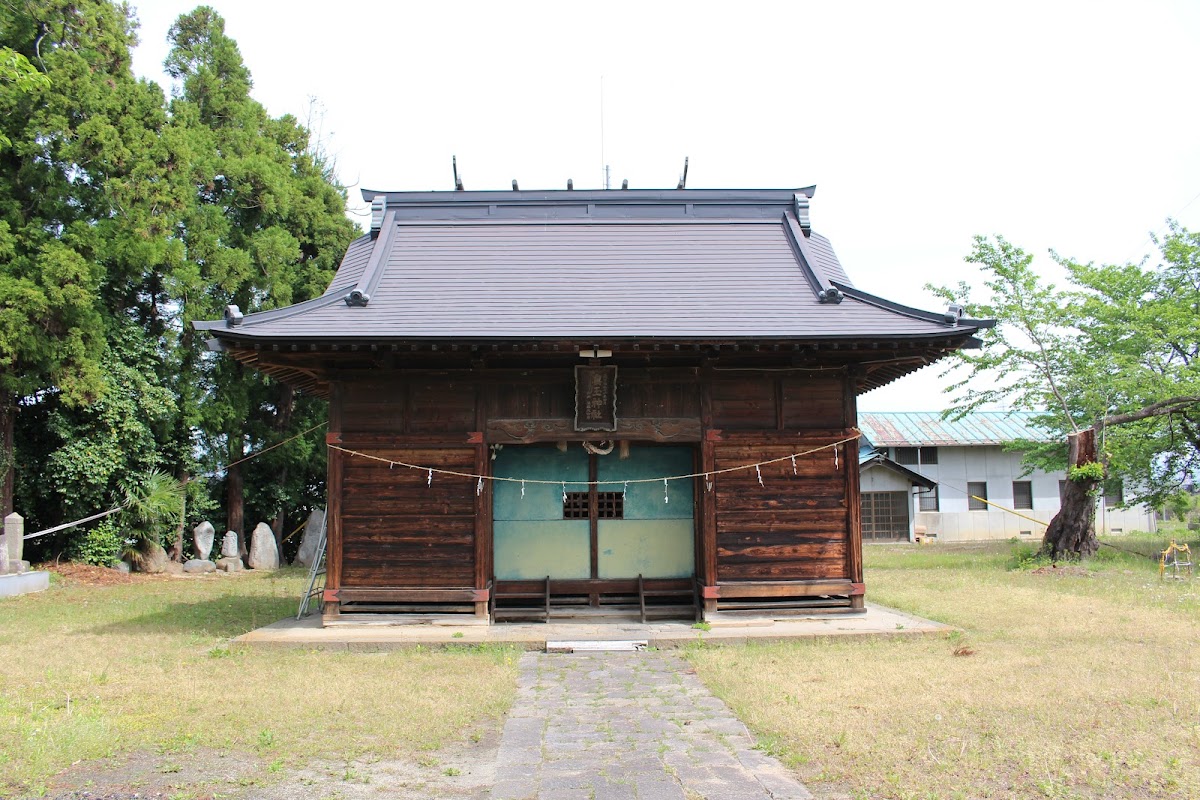
The main shrine building maintains traditional shrine architectural styles while being adapted to the local climate and environment. In the worship hall, local residents offer their daily gratitude and prayers.
Worship Methods and Manners
When visiting Okutama Shrine, observing basic shrine worship etiquette will allow for a more heartfelt visit.
Basic Worship Etiquette
- Bow Before the Torii Gate: Bow slightly before passing through the torii gate.
- Walking Along the Path: Walk along the sides of the path, as the center is considered the path of the gods.
- Watering Ritual: If there is a watering basin, cleanse your hands and mouth.
- Worship at the Main Hall:
- Quietly place your offering in the offering box.
- Ring the bell if there is one.
- Worship using the two bows, two claps, and one bow ritual.
- Express your gratitude and wishes sincerely.
- Upon Exit: After leaving the torii gate, turn around and bow.
Attire for Worship
No special formal attire is required, but please wear clean clothing that is respectful to the gods. Avoid revealing or overly flashy clothing.
Access Information
We will guide you on how to access Okutama Shrine. It is approximately a 20-minute drive from the center of Fukushima City.
Access by Car
From Fukushima Station:
- Take National Route 4 or a prefectural road towards Sakurashita.
- Travel time: Approximately 20 minutes
- Parking: Parking may be available on the shrine grounds or nearby (prior confirmation recommended).
From Tohoku Expressway:
- Approximately 15 minutes from Fukushima-Nishi IC
- Approximately 25 minutes from Fukushima-Iizaka IC
Access by Public Transportation
If using public transportation, you can take a bus from Fukushima Station. However, since the number of buses may be limited, it is recommended to check the Fukushima Kotsu bus timetable in advance.
Map Confirmation
Before visiting, it is recommended to search for “Okutama Shrine, Fukushima City” or the address “28 Miyanouchi, Sakurashita, Fukushima City, Fukushima Prefecture” on your smartphone’s map app to confirm the exact location and route.
Annual Events and Festivals
As a local shrine, Okutama Shrine is believed to hold various Shinto rituals throughout the year.
Main Annual Events (Examples of Typical Shrines)
- New Year’s Day Festival (January 1st): Welcome the New Year and pray for peace throughout the year.
- Spring Grand Festival: Pray for a bountiful harvest as spring arrives.
- Summer Purification Ceremony (June 30th): Purify and cleanse away the impurities accumulated over the past six months.
- Autumn Grand Festival: Express gratitude for the harvest and pray for the prosperity of the region.
- Year-End Purification Ceremony (December 31st): Purify and prepare for the New Year, cleansing away the impurities of the past year.
For specific festival dates, we recommend checking with the Fukushima Prefectural Shrine Association or local information.
Shrine Culture and Shinto Trivia in Fukushima Prefecture
Fukushima Prefecture has over 3,000 shrines, each conveying the history and culture of its region. Okutama Shrine is one such shrine, an important presence supporting the spiritual culture of the region.
Basic Principles of Shinto
Shinto is a religion unique to Japan, cherishing reverence for nature and ancestors. It does not have scriptures or a single founder, but deepens its connection with the gods through festivals and rituals.
Characteristics of Shinto:
- Eight Million Gods: The belief that gods reside in all things
- Emphasis on Purity: Emphasis on the purity of mind and body
- Gratitude: An attitude of gratitude for daily blessings
- Festival Culture: Festivals as a place for interaction between gods and people
Characteristics of Shrines in Fukushima Prefecture
Fukushima Prefecture is divided into three regions: Aizu, Nakadori, and Hamadori, each with its own unique shrine culture. Fukushima City, as the central city of the Nakadori region, has many shrines scattered throughout.
Nearby Shrines and Tourist Spots
When visiting Okutama Shrine, you can have a more fulfilling experience by also visiting other shrines and tourist spots in Fukushima City.
Characteristics of Shrines in Fukushima Prefecture
Fukushima Prefecture is divided into three regions: Aizu, Nakadori, and Hamadori, and each region has fostered its own unique shrine culture. Fukushima City, as the central city of the Nakadori region, has many shrines scattered throughout.
Nearby Shrines and Tourist Spots
When visiting Okutama Shrine, you can have a more fulfilling experience by also visiting other shrines and tourist spots in Fukushima City.
Major Shrines in Fukushima City
Fukushima Inari Shrine:
- Address: 1-29 Miyacho, Fukushima City
- A historic shrine located in the heart of Fukushima City
- Known for its divine blessings of business prosperity and family safety
Fukushima Prefecture Gokoku Shrine:
- A shrine dedicated to the war dead of Fukushima Prefecture
- Spacious grounds and a solemn atmosphere
Gassan Shrine:
- Located on the summit of Mount Gassan, one of the three mountains of Shinobu
- Believed to have been founded around 1845
Kuronuma Shrine:
- A beloved local guardian shrine
Tips for Visiting Shrines
When visiting multiple shrines, keep the following points in mind:
- Check a map beforehand: Plan an efficient route
- Consider visiting time: Allow sufficient time at each shrine
- Prepare your Goshuincho (stamp book): Don’t forget if you plan to collect Goshuin (stamps)
- Respecting Local Culture: Understanding the Characteristics of Each Shrine
About Unlucky Years and Protection from Unfavorable Directions
Shrines offer prayers for protection from unlucky years and protection from unfavorable directions. Okutama Shrine may also offer prayers for local residents.
What are Unlucky Years?
Unlucky years are ages considered turning points in life, requiring particular caution.
Unlucky Years for Men:
- 25, 42 (major unlucky year), and 61 (by traditional Japanese age counting system)
- The three years of the unlucky year are the year before, the year of, and the year after.
Unlucky Years for Women:
- 19, 33 (major unlucky year), 37, and 61 (by traditional Japanese age counting system)
- The three years of the unlucky year are the year before, the year of, and the year after.
What is Protection from Unfavorable Directions?
Protection from unfavorable directions is a prayer to avoid misfortune when moving or traveling in an unlucky direction. Especially in years when all directions are considered unlucky, many people receive prayers for protection from unfavorable directions. ## Precautions When Visiting
When visiting Okutama Shrine, please note the following points:
Visiting Hours
Generally, you can freely visit the shrine grounds during the daytime, but it is advisable to avoid visiting early in the morning or late at night. Especially if you wish to be assisted at the shrine office, weekdays during the daytime are recommended.
Photography
Photography is generally permitted on the shrine grounds, but please consider the following:
- Photography inside the main hall is often prohibited.
- Be considerate of the privacy of other visitors.
- Remember that this is a sacred place.
- Refrain from using flash photography.
Pet Policy
Policies regarding bringing pets to shrines vary from shrine to shrine. Please check in advance or take precautions such as carrying your pet.
About the Fukushima Prefectural Shrine Association
Shrines in Fukushima Prefecture are overseen by the Fukushima Prefectural Shrine Association. Okutama Shrine is one of the shrines belonging to the Fukushima Prefectural Shrine Association.
The Role of the Fukushima Prefectural Shrine Association
The Fukushima Prefectural Shrine Association encompasses over 3,000 shrines within the prefecture and carries out the following activities:
- Support for the management and operation of shrines
- Training and education of Shinto priests
- Provision of information on shrines
- Preservation and transmission of traditional culture
- Collaboration with local communities
For detailed information and inquiries about shrines within the prefecture, please contact the Fukushima Prefectural Shrine Association.
The Role of Shrines in the Reiwa Era
With the arrival of the Reiwa era, the role of shrines has also diversified. Shrines rooted in the community, such as Okutama Shrine, are also taking on the following modern roles:
Center of the Local Community
Shrines are not merely religious facilities; they function as places where local people gather. They play a role in deepening community bonds through festivals, cleaning activities, and other events.
A Place of Spiritual Refuge
In modern society, the tranquil space of shrines is sought after as a place to escape the stress and anxiety and find peace of mind. Visiting a shrine allows for mental refreshment.
Preservation of Traditional Culture
Shinto shrines play a vital role in passing on Japan’s traditional culture to future generations. Through mythology, Shinto teachings, and ritual practices, they continue to preserve the foundations of Japanese culture.
Significance of Visiting Shrines
Visiting a shrine has various significances.
Cultivating a Sense of Gratitude
It provides an opportunity to appreciate things we often take for granted in our daily lives. We can express gratitude for various blessings, such as health, family, and work.
Time for Self-Reflection
By praying in the quiet grounds, we can have time to reflect on ourselves. It’s a valuable opportunity to escape the hustle and bustle of everyday life and clear our minds.
Connection with the Community
Visiting local shrines allows us to learn about the history and culture of the area. This deepens our understanding of the region and increases our attachment to it.
Summary
Okutama Shrine is a community-oriented shrine located in Sakurashita, Fukushima City, Fukushima Prefecture. It has the rare name “Okutama” and attracts the faith of local people. Located in a lush natural environment, Okutama Shrine is a must-visit spot for those visiting Fukushima City, offering a peaceful place to worship.
Fukushima Prefecture boasts over 3,000 shrines, each with its own unique history and culture. Okutama Shrine is one such shrine, continuously supporting the region’s spiritual culture. Through shrine visits, you can experience traditional Japanese culture and find inner peace.
When visiting, please observe basic shrine etiquette, be mindful of the sacred nature of the place, and offer your prayers with sincerity. Checking the location on a map and researching access methods beforehand will ensure a smooth visit.
Those planning a shrine tour in Fukushima City may find their experience more fulfilling by visiting Fukushima Inari Shrine, Fukushima Prefectural Gokoku Shrine, and Gassan Shrine in addition to Okutama Shrine. Discover the unique charm of each shrine and experience Fukushima’s rich spiritual culture.