Nida Shrine (Fukushima City, Fukushima Prefecture) Complete Guide | A Thorough Explanation of Deities, Goshuin (Shrine Seals), Access, and History
Nida Shrine, located in Niida, Fukushima City, Fukushima Prefecture, is a historical shrine dedicated to Inadahime-no-Mikoto and Kamakura Gongoro Kagemasa. While beloved by the local community, detailed information about it is limited. This article comprehensively covers everything you need to know before visiting Nida Shrine, from its enshrined deities and goshuin (shrine seals) to access methods, history, and highlights within the shrine grounds.
Basic Information about Nida Shrine
Shrine Overview
Shrine Name: Nida Shrine
Location: 17-1 Kitachū, Niida, Fukushima City, Fukushima Prefecture (Some sources list it as 13)
Postal Code: 〒960-8166
Shrine Rank: Village Shrine
Deities Enshrined: Inadahime-no-Mikoto, Kamakura Gongorō Kagemasa
Nida Shrine is located in the Niida district in the western part of Fukushima City. Because it is a shrine managed by multiple entities, there is no shrine office; the distribution of goshuin (shrine seals) and other items is handled at the Kuroiwa Kasuga Shrine office.
Origin of Place Name and Shrine Name
The place name “Niida,” where the shrine is located, is said to mean a fertile rice field that has been cultivated since ancient times. The shrine’s name, “Nita,” is believed to originate from the local place name, and it has long been worshipped as the guardian deity of the region. While the official pronunciation is “Nida Jinja,” it is sometimes pronounced “Nitta Jinja.”
About the Deity
Inadahime-no-Mikoto
Inadahime-no-Mikoto is a goddess appearing in Japanese mythology, known as the wife of Susanoo-no-Mikoto. According to the Kojiki and Nihon Shoki, she was nearly sacrificed to the Yamata no Orochi (eight-headed serpent) but was saved by Susanoo-no-Mikoto, and they later married.
Divine Virtues:
- Matchmaking and marital harmony
- Abundant harvests and agricultural protection
- Family safety
- Protection from evil and disaster
As the character “Ina” (rice) in her name suggests, Inadahime-no-Mikoto is a deity deeply connected to rice cultivation. In the Niida district, where agriculture flourished, this shrine has been revered as an object of prayer for a bountiful harvest.
Kamakura Gongoro Kagemasa
Kamakura Gongoro Kagemasa was a samurai warrior of the late Heian period and is considered the ancestor of the Kamakura clan. He is known for his bravery in the Later Three Years’ War (1083-1087), where he fought despite being struck in the right eye by an arrow.
Divine Virtues:
- Long-lasting military fortune
- Healing of eye diseases
- Good fortune in competitions and general good luck
- Protection from evil
Shrines dedicated to Kamakura Gongoro Kagemasa are mainly distributed in the Kanto region, but they are also scattered throughout the Tohoku region, and are thought to have spread along with the faith of samurai. It is unclear when Niida Shrine began enshrining Kamakura Gongoro Kagemasa, but it is presumed to have been established during a period influenced by samurai society.
History of Niita Shrine
Founding and History
The exact founding date of Niita Shrine is unknown, but it is believed to be an ancient shrine established alongside the development of the Niita area. Located in the western part of the Fukushima Basin, the Niita area has long been a land where agriculture has been practiced, and it was natural that Inadahime-no-Mikoto, who prays for abundant harvests, would be enshrined as the main deity.
Changes Since the Modern Era
Due to the reform of the shrine system during the Meiji era, Niita Shrine was ranked as a village shrine. A village shrine is one of the ranks of shrines under the old shrine ranking system, referring to a shrine that gathers the faith of local residents as the guardian shrine of the village.
Since the Showa era, the maintenance and management system of the shrine has changed, and it is currently a shrine managed concurrently by Kuroiwa Kasuga Shrine. This is a common form seen in small local shrines that have become unable to operate independently due to depopulation and a decrease in the number of parishioners.
Connection with the Community
Nitta Shrine, as the tutelary shrine of the Niida district, has played a central role in local festivals and annual events. Through seasonal festivals such as the spring Kinensai (harvest festival) and the autumn Reitaisai (grand festival), it has a history of supporting the unity of the local community.
Highlights of the Shrine Grounds
Atmosphere of the Shrine Buildings and Grounds
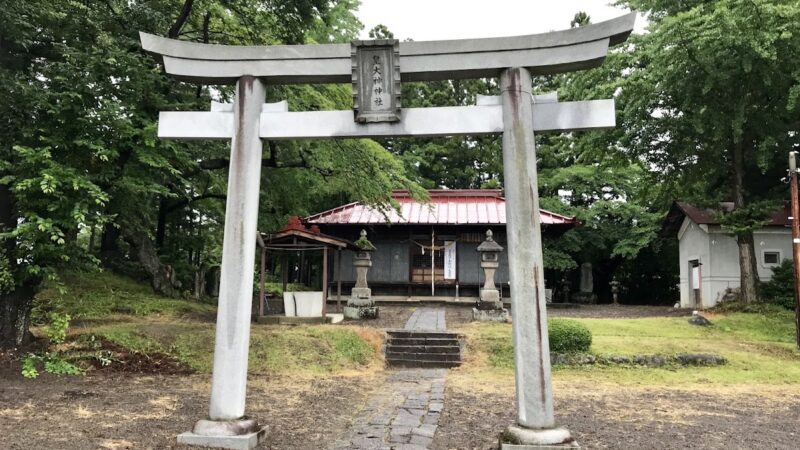
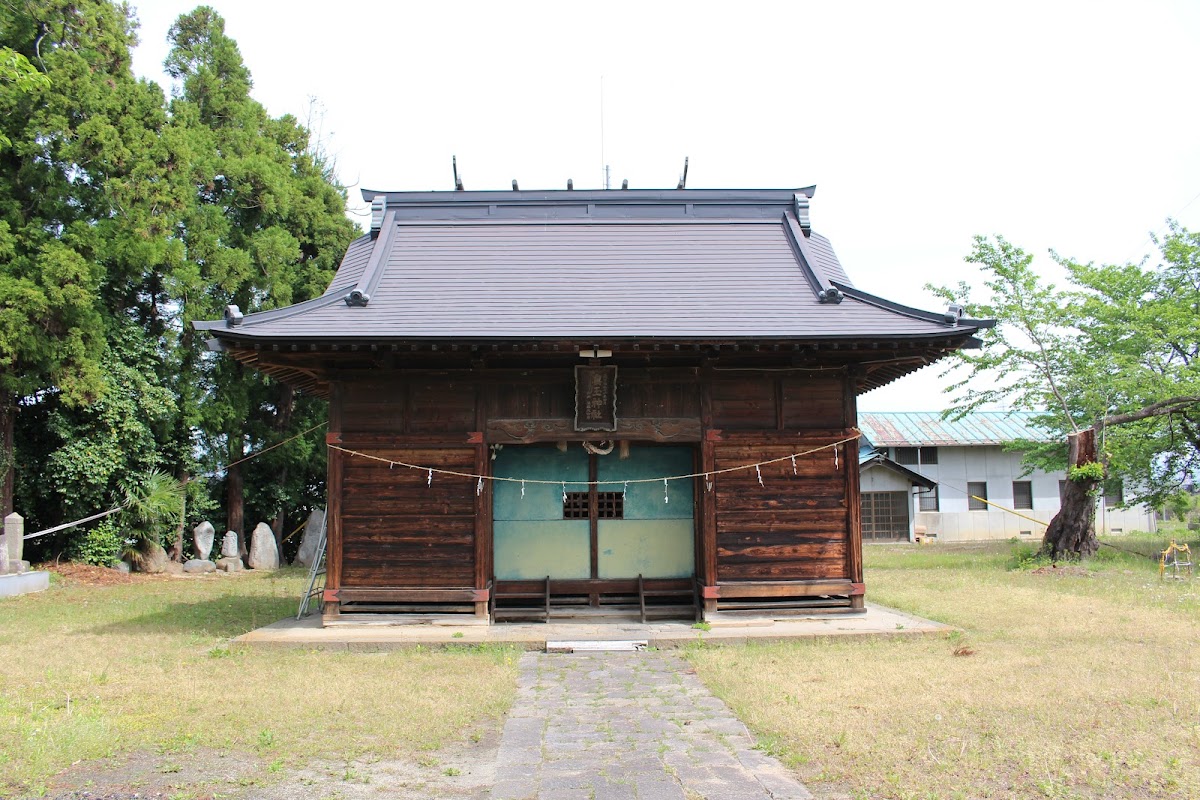
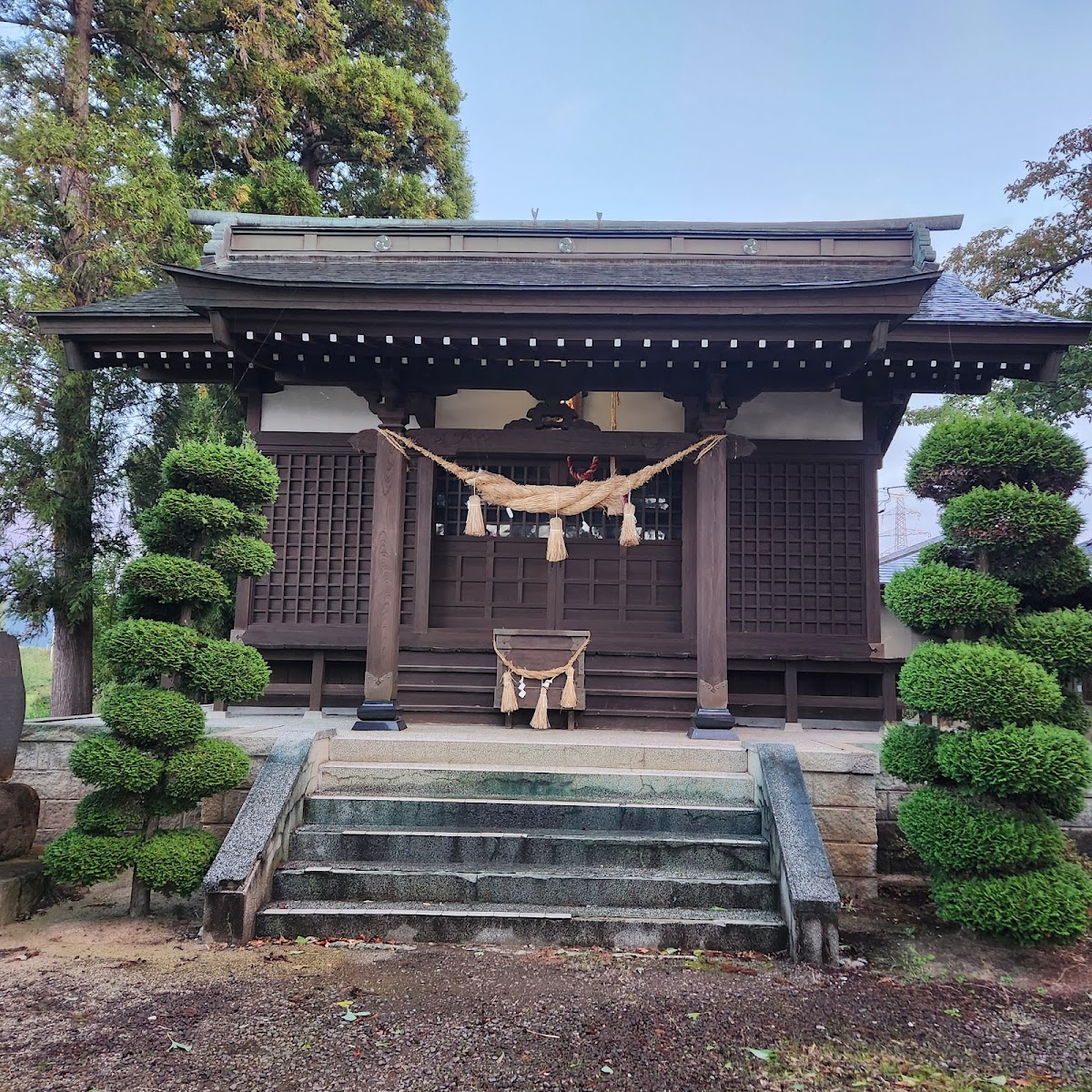
Nitta Shrine’s grounds are a tranquil space quietly nestled within a residential area. While not large in scale, the well-maintained grounds reflect the deep faith of the local people.
The shrine building is a simple wooden structure, possessing a friendly atmosphere typical of a local village shrine. Passing through the torii gate, the worship hall is located at the end of the approach, with the main sanctuary situated beyond.
Points to Note When Visiting Nitta Shrine
When visiting Nitta Shrine, please pay attention to the following points:
- Tranquil Environment: Although located in a residential area, stepping onto the shrine grounds reveals a tranquil space far removed from everyday life.
- Local Faith: The small but carefully maintained grounds convey the deep faith of the local people.
- Seasonal Changes: The trees on the grounds change their appearance with each season, allowing you to enjoy the scenery of each season, from the fresh greenery of spring to the autumn foliage.
Goshuin (Shrine Seal) Information
Regarding the Issuance of Goshuin
Nitta Shrine is a subsidiary shrine, therefore, the shrine itself does not issue goshuin. Those wishing to receive a goshuin can obtain one at the Kuroiwa Kasuga Shrine Office.
Information about Kuroiwa Kasuga Shrine:
- Location: 46, Donogo, Kuroiwa, Fukushima City, Fukushima Prefecture
- Hours: Usually 9:00 AM – 5:00 PM (It is recommended to check in advance)
- Offering Fee: Generally around 300-500 yen
Points to Note When Receiving a Goshuin (Shrine Seal)
- Advance Contact: To ensure you receive a Goshuin, it is recommended to call in advance.
- Prepare Your Goshuincho (Shrine Seal Book): Bring your Goshuincho. In some cases, only pre-written seals may be available.
- Proof of Worship: The Goshuin is proof of worship. The proper order is to first visit Nita Shrine and then receive the Goshuin at Kuroiwa Kasuga Shrine.
- Gratitude: The Goshuin is not a commemorative stamp, but a precious symbol of your connection with the deity. Receive it with gratitude.
Access and Transportation Information
Access by Train and Bus
Nearest Station: JR Tohoku Main Line/Ou Main Line “Sasakino Station”
- Approximately 20 minutes on foot from Sasakino Station (approx. 1.6 km)
- Approximately 5 minutes by car from Sasakino Station
Using the Bus:
- Get off at “Niida Bus Stop” on the Fukushima Kotsu Bus, approximately 2 minutes on foot (approx. 84 m)
- Approximately 20-30 minutes by bus from Fukushima Station
Access by Car
From Fukushima Station:
- Approximately 15 minutes by car (approx. 6 km)
- Head south on National Route 13 towards Niida
From the Tohoku Expressway:
- Approximately 10 minutes from Fukushima Nishi IC
- Approximately 15 minutes from Fukushima Iizaka IC
Parking:
There is parking space on the temple grounds, but the number of spaces is limited. Please be considerate of the neighbors.
Map and Location Information
Nitta Shrine is located in a residential area of Niida district in western Fukushima City. The surrounding area still retains fields and farmlands, creating a peaceful atmosphere. You can confirm the exact location by searching for “Nitta Shrine Fukushima City” on your car navigation system or smartphone map app.
Annual Events and Festivals
Main Festivals
Nitta Shrine holds the following festivals throughout the year:
Spring Festival:
- Time: Spring (around April)
- Content: A festival praying for a bountiful harvest
Autumn Festival:
- Time: Autumn (around October)
- Content: A festival giving thanks for the harvest
Monthly Festival:
- Regular monthly festivals
Since detailed dates may vary from year to year, it is recommended to check with Kuroiwa Kasuga Shrine if you are planning a visit.
About the Chigo-mai Dance
The Niida district has a long tradition of the Chigo-mai dance. According to Fukushima City records, it’s possible that the Chigo-mai dance was also performed at Niida Shrine, and efforts are underway to protect and preserve it as a local cultural asset. The Chigo-mai dance is a traditional performing art performed by children, and it serves as an offering to the gods and a prayer for the safety of the community.
Nearby Attractions and Tourist Spots
Kuroiwa Kasuga Shrine
Kuroiwa Kasuga Shrine, a shrine under the jurisdiction of Niida Shrine, is a larger shrine with a magnificent shrine building and grounds. It’s recommended to visit it in conjunction with your visit to Niida Shrine.
Sightseeing in Fukushima City
Nita Shrine is located in the western part of Fukushima City, making it easily accessible to tourist attractions in the city center:
- Fukushima Inari Shrine: The main guardian shrine of Fukushima City
- Shinobu-yama: A symbolic mountain of Fukushima City
- Fukushima Prefectural Museum of Art: A museum boasting an extensive collection
- Hanamiyama Park: A famous spot for spring flowers
Hot Springs and Gourmet Food
Fukushima City and its surrounding areas are dotted with famous hot springs, such as Iizaka Onsen and Tsuchiyu Onsen. You can also enjoy Fukushima’s local cuisine and fruits (peaches, apples, etc.).
Manners and Etiquette for Visiting Shrines
Basic Etiquette for Visiting Shrines
- How to Pass Through the Torii Gate: Bow before passing through the torii gate. Since the center of the path is considered the path of the gods, walk along the sides.
- Procedure for Washing Hands:
- Take the ladle with your right hand and wash your left hand.
- Switch the ladle to your left hand and wash your right hand.
- Switch the ladle back to your right hand, receive water in your left hand, and rinse your mouth.
- Finally, stand the ladle upright and wash the handle.
- Worship at the Main Hall:
- Quietly place your offering in the offering box.
- Two bows, two claps, one bow (two deep bows, two claps, one deep bow).
Mindset When Worshiping
- Be Quiet: Be quiet on the temple grounds and be considerate of other worshippers.
- Gratitude: It is important to be grateful not only for your wishes but also for the peace and tranquility of everyday life.
- Cleanliness: Please take your trash home with you to avoid littering the temple grounds.
The Charm of Nitta Shrine and a Recommendation for Visiting
A Place of Worship Rooted in the Community
The greatest charm of Nitta Shrine lies in its simple and warm atmosphere, deeply rooted in the local community. Unlike large, touristy shrines, it is a shrine that has quietly watched over and supported the lives of the local people.
Away from the Hustle and Bustle of the City
Although located in a residential area, stepping onto the shrine grounds brings a strange sense of calm. It is the perfect place to escape the busyness of daily life and have time to reflect on oneself.
Experiencing Fukushima’s History and Culture
By visiting Nitta Shrine, you can experience Fukushima’s rural culture, the history of the local community, and the faith of its people. It has a unique charm that cannot be felt in large shrines, a charm that only a small, local shrine can offer.
Summary
Nitta Shrine is a historical shrine located in Niida, Fukushima City, Fukushima Prefecture, with Inadahime-no-Mikoto and Kamakura Gongoro Kagemasa as its enshrined deities. Although not large in scale, it remains a cherished place of worship for the local people, exuding an unchanging presence.
Since the Goshuin (temple/shrine stamp) is given at Kuroiwa Kasuga Shrine, a visit to both shrines is highly recommended. When you visit Fukushima City, why not stop by Nitta Shrine and spend some time finding peace in its tranquil grounds?
Nitta Shrine is steeped in the history, culture, and faith of the region. Its simple charm is sure to leave a quiet and moving impression on the hearts of those who visit.