Horie Shrine (Niihama City, Ehime Prefecture) Complete Guide | History, Deities, Access, and Goshuin Information
About Horie Shrine
Horie Shrine is a shrine located at 598 Miyabe-ko, Shinsuga-cho, Niihama City, Ehime Prefecture. Situated east of the Niihama Municipal Baseball Stadium, it is known as a historical shrine cherished by local residents for many years.
While there are approximately 30 shrines in Niihama City, Horie Shrine possesses a unique history and tradition, playing a crucial role as a center of local faith. It is registered with the Ehime Prefectural Shrine Association and officially recognized with the corporate code “4500005004512”.
The Position of Shrines in Niihama City’s Shrine Culture
Niihama City flourished from 1691 (Genroku 4) due to the development of the Besshi Copper Mine and is known as the birthplace of Sumitomo, an industrial city. Along with the development of this region, many shrines, including Horie Shrine, have functioned as spiritual pillars of the local community. In particular, Horie Shrine plays an important role in the Niihama Taiko Festival, and is bustling with many worshippers during the festival period. As a shrine deeply intertwined with the region’s traditional culture, it continues to attract unwavering devotion.
History and Origins of Horie Shrine
Circumstances of Founding
While detailed records regarding the founding of Horie Shrine are limited, it is believed to be closely related to the development of this region. Considering the history of Niihama City’s development, it is presumed that the shrine was established as a center of faith for residents during the population increase and community formation process accompanying the development of the Besshi Copper Mine from the mid-Edo period onward.
The name of the shrine, “Horie,” is thought to originate from the fact that this area was once close to the sea and had a topography resembling an inlet or moat. The coastal area of Niihama underwent large-scale land reclamation from the Edo period to the Meiji period, forming the current urban area.
Enshrinement of Oyamatsumi-no-kami
Oyamatsumi-no-kami, the enshrined deity of Horie Shrine, is a god revered in Japanese mythology as the god of mountains and the sea, and is known as the enshrined deity of Oyamatsumi Shrine located on Omishima Island in Imabari City, Ehime Prefecture.
The circumstances leading to the enshrinement of Oyamatsumi-no-kami are thought to have included prayers for the safety of maritime traffic in the Seto Inland Sea, gratitude for the blessings of the mountains, and the development of local industries. Oyamatsumi Shrine on Omishima Island is the head shrine of all Yamatsumi Shrines and Mishima Shrines nationwide, and enshrining the divine spirit from there held great significance for the region.
Development since the Modern Era
Amidst the significant changes in the Japanese shrine system, such as the Meiji-era shrine reorganization order, the wartime system of the Showa era, and the post-war incorporation of religious organizations, Horie Shrine has also evolved into its current form, reflecting the tides of the times.
In Niihama City, which is undergoing industrialization alongside changes in the local community, Horie Shrine remains a place of unwavering faith and a spiritual anchor for the local residents. Even today, it functions as a place for life rituals such as New Year’s visits, Shichi-Go-San (a traditional rite of passage for children), and exorcisms, as well as a central hub for local festivals.
Deities and Divine Virtues
Oyamatsumi-no-Kami
Oyamatsumi-no-Kami, the principal deity of Horie Shrine, is a mountain god appearing in Japanese mythology and is also known as a sea god. In the Kojiki and Nihon Shoki, he is considered a child of Izanagi-no-Mikoto and Izanami-no-Mikoto, and has been revered as the ruler of the mountains.
Oyamatsumi-no-Kami is not only the god who governs “mountains,” but also, as the name “tsumi” (meaning “accumulation”) suggests, a god who accumulates and stores all things. Therefore, it has also been worshipped as the guardian deity of industries such as agriculture, forestry, and mining.
Aspect as a Thunder God
Oyamatsumi-no-kami is also believed to possess the characteristics of a thunder god. In mountain worship, the sight of lightning striking a mountaintop is considered sacred, and the thunder god has been revered as a bringer of abundance. Since thunder brings beneficial rain and promotes the growth of crops, it is also worshipped as a god of abundant harvests.
Divine Virtues and Blessings
The main divine virtues that can be bestowed by visiting Horie Shrine are as follows:
Industrial Prosperity and Business Success
Oyamatsumi-no-kami, as the god who presides over the blessings of the mountains, is the guardian deity of industries including mining and forestry. In Niihama City, which prospered from the Besshi Copper Mine, a belief in the development and safety of industry is deeply rooted.
Maritime Safety and Traffic Safety
In the region facing the Seto Inland Sea, this deity is worshipped as a guardian of maritime safety. In modern times, it is also known for its blessings of general traffic safety.
Abundant Harvest and Family Safety
Due to its nature as a thunder god, it is worshipped for its blessings of abundant harvests. It is also revered as a god that protects the safety and prosperity of families.
Protection from Misfortune and Good Fortune
With its powerful divine authority as a mountain god, it is believed to ward off all calamities and bring happiness.
Highlights of the Shrine Grounds
Features of the Shrine Building and Grounds
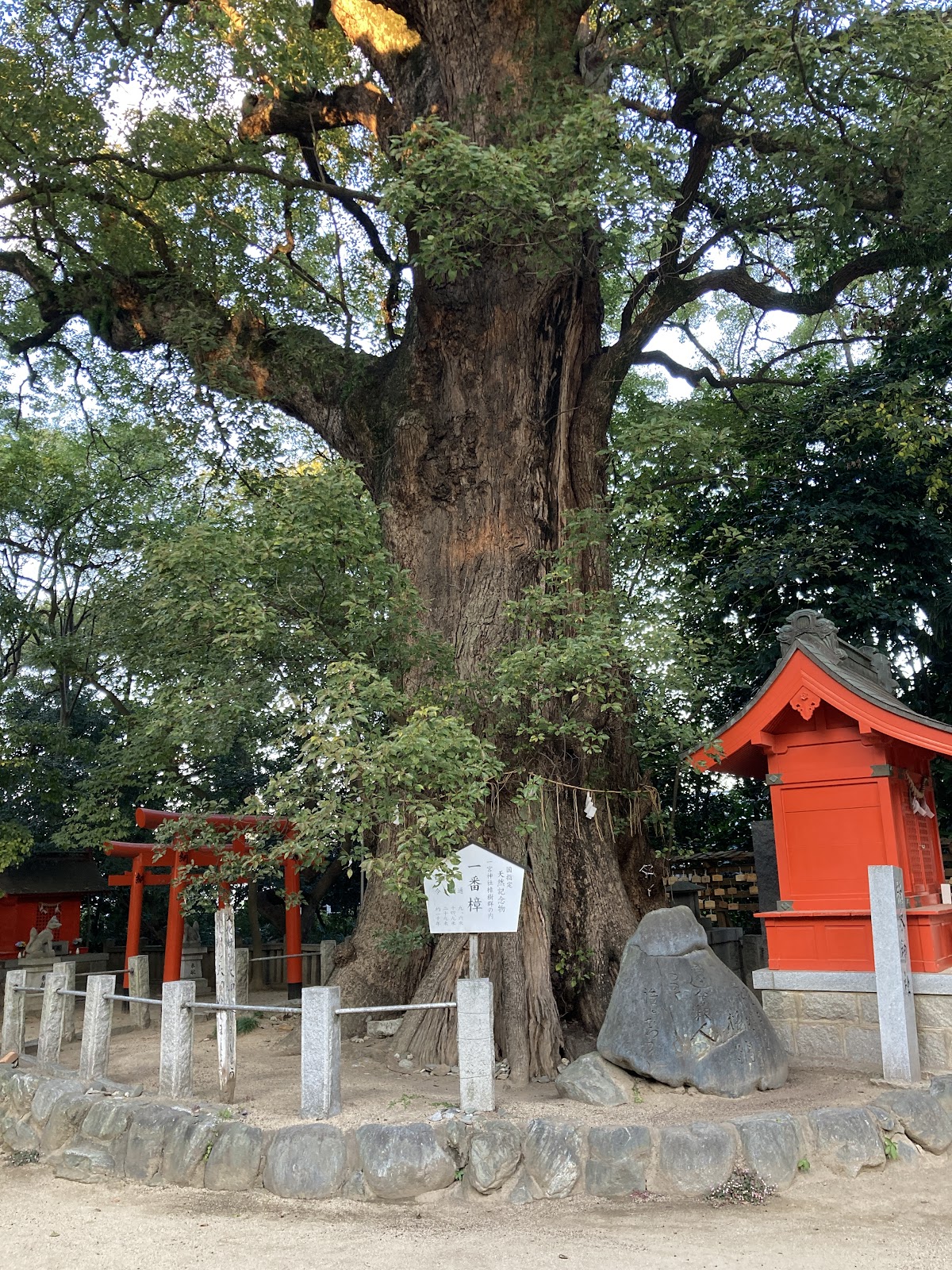
The grounds of Horie Shrine have a relatively simple layout, and visitors often comment on the “clean impression” due to the “few stone monuments and subsidiary shrines.” This simple appearance evokes the pure atmosphere inherent in a shrine, and is appreciated as an environment for quiet worship.
Haiden (Worship Hall)
The haiden, where worshippers offer their prayers, maintains traditional shrine architectural styles while being adapted to the local climate and environment.
Honden (Main Sanctuary)
The honden, where the enshrined deity is worshipped, is located behind the haiden and is carefully preserved as a sacred space.
Atmosphere of the Shrine Grounds
Despite being located in the city center, east of the Niihama Municipal Baseball Stadium, stepping onto the shrine grounds reveals a tranquil atmosphere, far removed from the hustle and bustle of everyday life. In the increasingly urbanized city of Niihama, such a quiet space for prayer is a precious find.
According to visitors, the grounds are meticulously clean, indicating that they are carefully maintained by the local community. The simple yet dignified grounds are suitable for both daily worship and prayers at important life events.
Annual Festivals and Events
Regular Festivals
Horie Shrine holds various festivals and events throughout the year. As a shrine registered with the Ehime Prefectural Shrine Association, rituals are solemnly performed in accordance with Shinto traditions.
Annual Grand Festival
This is the most important festival held once a year, where gratitude is offered to the enshrined deity and prayers are offered for the peace and prosperity of the region.
Monthly Festival
This is a regular monthly festival, where gratitude is given for daily protection and prayers are offered for continued protection.
Connection to the Niihama Taiko Festival
The Niihama Taiko Festival, a symbol of autumn in Niihama City, is one of Ehime Prefecture’s representative festivals. Horie Shrine is one of the shrines involved in the festival, and many worshippers visit during the festival period.
On the final day of the Taiko Festival, worshippers sometimes visit Horie Shrine, creating a scene where local traditional culture and shrine faith are integrated. During this time, the shrine grounds, unlike their usual quiet atmosphere, are filled with the excitement and energy of the festival.
Life Rituals
First Shrine Visit (Omiyamairi)
A ceremony to pray for the healthy growth of a baby approximately one month old.
Shichi-Go-San (7-5-3 Festival)
A celebration of the growth of children at ages three, five, and seven, and a prayer for their future health.
Exorcism Prayer
A prayer to ward off misfortune for those entering their unlucky year, and to pray for a peaceful year.
Other Prayers
Prayers are available for various wishes, such as traffic safety, family safety, business prosperity, and success in examinations.
Goshuin (Shrine Seal) and Gift Information
About Goshuin
Many shrines offer goshuin as a memento of a visit or as proof of faith, but detailed information regarding Horie Shrine’s goshuin is limited. Those wishing to receive a goshuin are advised to inquire with the shrine in advance.
Generally, shrine seals (Goshuin) are given as proof of worship, and are not merely for collection purposes, but are received after a reverent visit. It is customary to bring your Goshuincho (seal book) and request one at the shrine office after your visit.
Items Offered
Shrines generally offer a variety of items. Horie Shrine is likely to offer the following:
Amulets
- Traffic Safety Amulet
- Family Safety Amulet
- Protection from Evil Amulet
- Academic Success Amulet
- Business Prosperity Amulet
Talisman (Shinto Talisman)
It is likely that talismans for enshrining in household altars are also offered.
Other Items
Ema (votive tablets), omikuji (fortune slips), etc., are likely to be available, similar to other shrines.
For detailed information on the types of items offered and the offering fees, please contact the shrine directly.
Access and Visiting Information
Location
Address: 598 Miyabe-ko, Shinsuka-cho, Niihama City, Ehime Prefecture 792-0000
Horie Shrine is located next to the Niihama Municipal Baseball Stadium, making it easily accessible from the city center.
Access by Train
From JR Yosan Line “Niihama Station”
- Walking: Approximately 20-25 minutes
- Taxi: Approximately 5-7 minutes
- Bus: You can use the bus that circulates within Niihama City (a few minutes’ walk from the nearest bus stop)
Niihama Station is a major station where express trains also stop, making it convenient to access from Matsuyama and Takamatsu.
Access by Car
From the Matsuyama Expressway “Niihama IC”
- Travel time: Approximately 10-15 minutes
- Via National Route 11 towards the city center
From National Route 11
- Accessible via the center of Niihama City
Parking
We recommend checking the availability and number of parking spaces in advance. On days when congestion is expected, such as during festivals, please consider using public transportation.
Visiting Hours
Similar to most shrines, entry to the grounds is generally possible at any time during the day, however, the hours of operation for the shrine office may be limited. If you wish to receive prayers or a Goshuin (shrine stamp), we recommend contacting them in advance to confirm.
Contact Information
For detailed information and reservations for prayers, please contact the Ehime Prefectural Shrine Association (1954-2 Minamikata, Toon City, Ehime Prefecture 791-0301).
Nearby Attractions and Tourist Spots
Niihama Municipal Baseball Stadium
Located right next to Horie Shrine, this baseball stadium serves as a hub for local sports activities. Visitors can enjoy exploring the surrounding area in conjunction with their shrine visit.
Other Shrines in Niihama City
Niihama City has approximately 30 shrines, each with its own unique history and characteristics.
Minato Shrine
Founded in 1724 (Kyoho 9), this shrine was established by inviting the divine spirit from Minato Shrine in Yoshiwahama, Hiroshima Prefecture, as the guardian deity of the salt fields. It is known as an important shrine that conveys the maritime culture of the Seto Inland Sea to the present day.
Hakusan Shrine
Located in a different area of Niihama City, it attracts its own unique devotion.
Visiting these shrines on a “shrine pilgrimage” is a great opportunity to gain a deeper understanding of Niihama City’s history and culture.
Besshi Copper Mine Related Facilities
There are facilities throughout Niihama City where you can learn about the history of the Besshi Copper Mine, which formed the foundation of Niihama City’s development.
Minepia Besshi
A theme park where you can experience the history of the Besshi Copper Mine, offering mine tunnel tours and museum visits.
Besshi Copper Mine Memorial Museum
A facility where you can learn in detail about the history of Sumitomo and the technological history of the Besshi Copper Mine.
Niihama City Center
Niihama City, which developed as an industrial city, also retains modern heritage sites and historical buildings. Enjoying a stroll through the city center in conjunction with visiting shrines is highly recommended.
Niihama City’s Shrine Culture
Niihama Taiko Festival
An essential part of discussing Niihama City’s shrine culture is the Niihama Taiko Festival, held every autumn. This festival is one of Ehime Prefecture’s representative festivals, known for its magnificent procession of taiko drum floats weighing approximately 3 tons through the city.
The Taiko Festival originated from offerings to the local guardian deities of each district, symbolizing the deep connection between shrines and local communities. Various shrines in the city, including Horie Shrine, play a central role in the festival.
Industry and Faith
In Niihama City, which prospered from the development of the Besshi Copper Mine, industrial development and shrine faith have been closely intertwined. The relationship between local economic activities and shrines continues to this day, including prayers for mine safety and industrial prosperity.
The belief in mountain gods like Oyamatsumi-no-kami and gods of industry forms the spiritual foundation of Niihama, an industrial city, and Horie Shrine plays a part in this.
As a Center of the Local Community
In modern society, shrines transcend being mere religious institutions and serve as nexus points for local communities. Through festivals, cleaning activities, and various events, they become places for intergenerational exchange.
Horie Shrine is also carefully protected by local residents, and the fact that cleaning and maintenance are carried out is evident from the comments of worshippers. Thanks to the efforts of the local people, the traditions of the shrine are being passed down to future generations.
Manners and Etiquette for Visiting a Shrine
Basic Etiquette for Visiting a Shrine
Understanding basic manners for visiting a shrine will allow for a more heartfelt visit.
Before Passing Through the Torii Gate
The torii gate is the entrance to the sacred area. Bow before entering the grounds.
Procedure for Washing Hands
- Hold the ladle in your right hand and wash your left hand.
- Switch the ladle to your left hand and wash your right hand.
- Switch the ladle back to your right hand, receive water in your left hand, and rinse your mouth.
- Wash your left hand once more.
- Hold the ladle upright, wash the handle, and return it to its original position.
Procedure at the Main Hall
- Stand in front of the offering box and bow slightly.
- Gently place your offering in the box.
- If there is a bell, ring it.
- Two bows, two claps, one bow (two bows, two claps, one bow)
- Bow deeply twice.
- Clap your hands twice at chest height.
- Pray sincerely.
- Bow deeply once.
Regarding Attire
While special attire is not required for daily visits, please dress in a clean and respectful manner. For those receiving prayers or blessings, formal attire or equivalent is desirable.
Regarding Photography
Photography is generally permitted within the shrine grounds, but it should be refrained from inside the main hall and in sacred areas. Please be considerate of other worshippers, and if unsure, please check with the shrine office.
Shrine Culture of Ehime Prefecture and Horie Shrine
Characteristics of Shrines in Ehime Prefecture
Ehime Prefecture has approximately 1,250 shrines, forming a unique shrine culture that fuses the maritime culture of the Seto Inland Sea with the mountain worship of the Shikoku Mountains.
Influence of Oyamazumi Shrine
Oyamazumi Shrine, located on Omishima Island in Imabari City, has had a significant influence both within and outside the prefecture as the head shrine of all Yamazumi and Mishima shrines nationwide. The fact that Horie Shrine enshrines Oyamazumi-no-kami as its main deity also demonstrates the spread of this faith.
Sea and Mountain Worship
In Ehime Prefecture, which faces the Seto Inland Sea and is backed by mountains, worship of sea gods and mountain gods coexists. The shrines are characterized by their strong ties to local industries such as fishing, shipping, agriculture, and forestry.
Characteristics of Shrines in Niihama City
The 96 shrines in Niihama City (registered with the Ehime Prefectural Shrine Association) have a unique distribution and character that reflects the history of development of the Besshi Copper Mine and urbanization.
The influx of people accompanying mining development led to the introduction of various beliefs from different regions, resulting in a situation where diverse shrines coexist. Horie Shrine is also thought to have gathered local faith within this historical context.
Summary
Horie Shrine is a historic shrine located in Niihama City, Ehime Prefecture. It enshrines Oyamatsumi-no-kami as its main deity and is known for its divine blessings of industrial prosperity, traffic safety, and family safety. Despite being located in the city center, east of the Niihama Municipal Baseball Stadium, the shrine grounds maintain a tranquil atmosphere and serve as a spiritual haven for local residents.
Horie Shrine is a historic shrine located in Niihama City, Ehime Prefecture. It enshrines Oyamatsumi-no-kami and is known for its divine blessings of industrial prosperity, traffic safety, and family safety. In Niihama City, an industrial city that developed thanks to the Besshi Copper Mine, Horie Shrine is an important place that conveys the history and culture of the region to the present day. It is deeply connected to local traditional events, including the Niihama Taiko Festival, and continues to attract unwavering devotion.
The simple and pure grounds, and the environment carefully preserved by the local people, make it a suitable place for daily prayers and prayers at important life events. When you visit Niihama City, we highly recommend visiting Horie Shrine and spending some time in quiet prayer.
Ehime Prefecture has many shrines, each with its own unique history and charm. We recommend using Horie Shrine as a starting point to enjoy visiting shrines in Niihama City and throughout Ehime Prefecture. Learning about the region’s history, culture, and the forms of people’s faith will provide a deeper travel experience.