Mishima Shrine (Niihama City, Ehime Prefecture) Complete Guide | History, Blessings, and Access Information
Mishima Shrine, located in Niihama City, Ehime Prefecture, is a venerable shrine that has long been revered as the guardian shrine of the region. It is a familiar presence to the residents of Niihama, and is a special place they visit for important life events such as New Year’s visits, Shichi-Go-San (a traditional rite of passage for children), and exorcisms. This article provides a detailed introduction to Mishima Shrine, including its history, enshrined deities, highlights of the grounds, annual festivals, and access information.
History and Origins of Mishima Shrine
Founding and Construction History
Mishima Shrine in Niihama City is a shrine based on the Mishima faith, with Oyamazumi Shrine (Omishima, Imabari City, Ehime Prefecture) as its head shrine. The existence of 111 Mishima Shrines in Ehime Prefecture, representing approximately 30% of all Mishima Shrines nationwide, demonstrates the deep-rooted Mishima faith in this region.
History and Origins of Mishima Shrine
Founding and Construction History
Mishima Shrine in Niihama City is a shrine based on the Mishima faith, with Oyamazumi Shrine (Omishima, Imabari City, Ehime Prefecture) as its head shrine. The fact that there are 111 Mishima Shrines in Ehime Prefecture, representing about 30% of all Mishima Shrines nationwide, demonstrates the depth of the Mishima faith in this region. Mishima Shrine in Niihama was established as the guardian deity of regional development and has served as a spiritual pillar for the local residents for hundreds of years. It has walked hand-in-hand with the history of Niihama, which prospered from the Besshi Copper Mine, and has watched over the development of its industry.
What is Mishima Faith?
Mishima faith is a belief system centered on Oyamatsumi-no-kami, the guardian deity of the Seto Inland Sea. Oyamatsumi-no-kami is revered as the god of mountains, the sea, and war, and is particularly believed to grant blessings for safe voyages and lasting military fortune. The large number of Mishima Shrines distributed along the Seto Inland Sea coast is due to its deep connection with the region’s maritime culture.
Mishima Shrine in Niihama City also inherits this traditional faith and has played an important role as a place to pray for the development of local industries and the peace and well-being of its residents.
Deities and Blessings
Main Deity
The main deity of Mishima Shrine is Oyamatsumi-no-kami. Known as the god who presides over mountains in Japanese mythology, Ōyamatsumi-no-kami is a venerable deity appearing in the Kojiki and Nihon Shoki. He is the stepfather of Susanoo-no-Mikoto, the elder brother of Amaterasu-Ōmikami, and is revered as the ancestral deity of many gods.
Benefits
Mishima Shrine is believed to offer the following benefits:
- Family Safety and Harmony: Protection of peace and prosperity in the home
- Business Prosperity and Success: Support for business development as the god of industry
- Maritime Safety and Traffic Safety: Prayers for safety in all aspects of transportation, based on its tradition as the guardian deity of navigation
- Protection from Misfortune and Disaster: Protection from various calamities
- Long-lasting Military Fortune and Good Luck in Competitions: Success in competitions, based on its aspect as the god of war
- Matchmaking and Fulfillment of Good Relationships: Fostering good relationships between people as the ancestral god of the gods
Highlights of the Shrine Grounds
Shrine Buildings
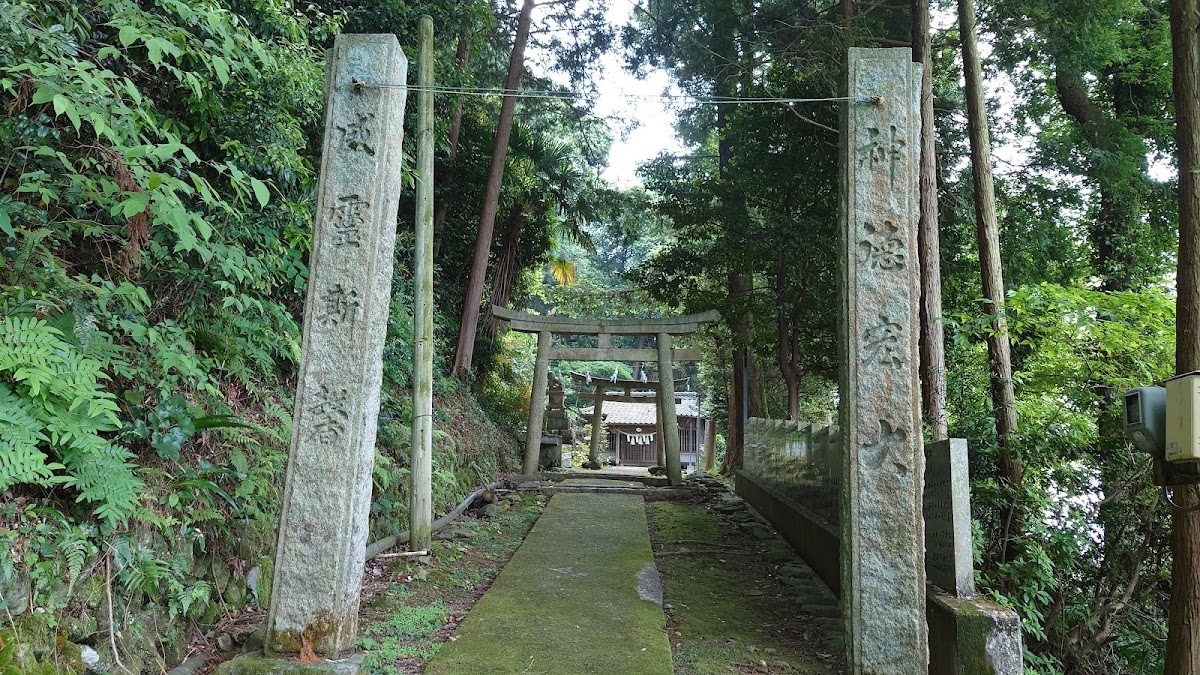
The shrine buildings of Mishima Shrine are magnificent structures that follow the traditional style of shrine architecture. Both the main hall and the worship hall are carefully maintained, welcoming visitors in a solemn atmosphere. The spacious grounds in front of the shrine are bustling with many parishioners and worshippers during festivals.
Stone Steps and Approach
The approach to the shrine consists of a series of purified stone steps. With each step, you feel yourself moving away from the hustle and bustle of everyday life and approaching a sacred space. Seasonal flowers are planted along the approach, allowing you to enjoy the beauty of nature throughout the seasons.
Trees on the Shrine Grounds
The shrine grounds are home to magnificent, ancient trees, creating a solemn atmosphere befitting a sacred place. These trees have stood as living witnesses to the history of the region, watching over the shrine for many years.
Water Basin
A water basin is also provided for purifying the body and mind before worship. By purifying your hands and mouth according to the proper etiquette, you can show respect to the gods.
Annual Festivals and Events
New Year’s Visit (January 1st-3rd)
Many worshippers visit the shrine for New Year’s visits to welcome the new year. The shrine is bustling with local residents who come to pray for the safety of their families, business prosperity, and academic success in the new year. During the New Year’s Day festival, a Shinto ritual is performed to pray for peace and prosperity in the coming year.
Setsubun Festival (around February 3rd)
Held the day before the beginning of spring, the Setsubun Festival involves bean-throwing to ward off evil and invite good fortune. With the chant of “Good fortune in, demons out!”, prayers are offered for good health throughout the year.
Spring Grand Festival (Spring)
The Spring Grand Festival is held to celebrate the arrival of spring and to pray for a bountiful harvest and the prosperity of the community. Representatives from the local community, including the head of the parishioners, attend, and a solemn Shinto ritual is performed.
Summer Purification Festival (around June 30th)
The Summer Purification Festival, which cleanses away the impurities of the past six months and prays for good health for the remaining half of the year, sometimes includes a ritual of passing through a ring of reeds. This Shinto ritual is believed to have the power to ward off epidemics and is a traditional event that has been passed down since ancient times.
Autumn Grand Festival (Autumn)
The Autumn Grand Festival, the most important festival of the year, is a grand festival to give thanks for the harvest and pray for the prosperity of the community. While Niihama City’s autumn festival is nationally famous for its “Taiko-dai” (drum floats), Mishima Shrine also holds a festival based on local traditions. It is a lively festival where parishioners come together to welcome the gods, with a procession of portable shrines and offering ceremonies.
Shichi-Go-San (Around November 15th)
During the Shichi-Go-San festival, which celebrates the healthy growth of children, the shrine grounds are filled with families in their finest attire. Families give thanks to the gods for their children’s growth and pray for their future health and happiness.
New Year’s Eve/Joya-sai (December 31st)
On New Year’s Eve, marking the end of the year, the Joya-sai (New Year’s Eve Festival) is held. This is an important Shinto ritual to express gratitude for the past year and to prepare for the arrival of the new year.
About Visiting and Prayers
Etiquette for Visiting a Shrine
The basic etiquette for visiting a shrine is as follows:
- Bow before passing through the torii gate: This is a sign of respect before entering the sacred area.
- Walk along the edge of the path: The center is considered the path of the gods.
- Purify yourself at the water basin: Hold the ladle in your right hand, purify your left hand, switch to your left hand and purify your right hand, switch back to your right hand, receive water in your left hand and rinse your mouth, and finally wash the handle of the ladle.
- At the front of the main hall: Ring the bell, offer a monetary donation, and pray using the two bows, two claps, and one bow ritual.
- Bow again at the torii gate when leaving: This expresses gratitude to the gods.
Prayers
Mishima Shrine accepts various prayers:
- Family safety and traffic safety
- Business prosperity and success
- Protection from misfortune and evil influences
- Prayer for safe childbirth and first shrine visit for a newborn
- Prayer for Shichi-Go-San (7-5-3) and passing exams
- Prayer for recovery from illness and good health
If you wish to have a prayer ceremony, it is recommended that you contact the shrine in advance to discuss the date, time, and content of your prayer.
Items Offered
The shrine’s office offers amulets, talismans, and Goshuin (stamped seals). Amulets are available for various wishes, including traffic safety, academic success, and matchmaking.
Access Information
Address
Regarding the location of Mishima Shrine in Niihama City, Ehime Prefecture, there may be multiple Mishima Shrines within Niihama City, so it is recommended that you always confirm the phone number and exact address before visiting.
Access by Train
The nearest station is Niihama Station on the JR Yosan Line. From the station, you can access the shrine on foot, by taxi, or by bus. Niihama Station is a major station where express trains also stop, making it convenient to access from Matsuyama and Takamatsu.
Access by Car
From Matsuyama: Take National Route 11 east, or use the Niihama Interchange on the Matsuyama Expressway.
From Takamatsu: Take National Route 11 west, or use the Takamatsu Expressway and then the Matsuyama Expressway to the Niihama Interchange.
National Route 11 is a major arterial road in Niihama City, and many shrines and temples are located along it.
Parking
The shrine has a parking lot for visitors. However, during busy periods such as New Year’s Day or the annual festival, the parking lot may be full, so please allow ample time for your visit or consider using public transportation.
Visiting Hours
While visiting the shrine grounds is generally free, there are limited hours for the shrine office and prayer services. It is recommended to check these hours beforehand.
Niihama City and Mishima Shrine
History and Culture of Niihama City
Niihama City is a mining and industrial city that developed from the development of the Besshi Copper Mine during the Edo period. It is also known as the birthplace of the Sumitomo Group and has made a significant contribution to the industrial development of modern Japan. Even today, it remains an industrial city centered on manufacturing, forming one of the leading industrial zones in Shikoku.
Niihama Taikodai Festival
Niihama City’s autumn festival is characterized by its magnificent and ornate floats called “Taikodai,” and is considered one of Japan’s three major fighting festivals. The “Kakikurabe,” where 150 men carry a Taikodai weighing approximately 3 tons, is a breathtaking spectacle. Mishima Shrine also plays a part in the local festival culture.
As the Guardian Shrine of the Region
Mishima Shrine plays a central role in the local community as the guardian shrine of the parish area in Niihama City. The community bonds centered around the shrine are still cherished and passed down in modern times, fostering intergenerational exchanges during festivals.
Nearby Tourist Attractions
Besshi Copper Mine Related Facilities
If you visit Niihama City, you can learn about the history of the Besshi Copper Mine, which supported Japan’s modernization. At Minepia Besshi, you can learn about the history of the copper mine through mine tunnel experiences and historical exhibits.
Other Shrines and Temples in Niihama City
Besides Mishima Shrine, Niihama City has many other historical shrines and temples. Enjoying a shrine tour is also a great way to spend your time.
Seto Inland Sea Scenery
Niihama City faces the Seto Inland Sea, offering beautiful coastline and island views. On clear days, you can see Okayama Prefecture across the bay and the islands of the Seto Inland Sea.
Manners and Etiquette for Visiting Shrines
Attire
While no special attire is required for a normal visit, clean clothing that reflects the sacred nature of the place is desirable. When receiving prayers, formal attire or similar clothing is appropriate.
Regarding Photography
Photography is generally permitted on the shrine grounds, but there may be restrictions, such as inside the main hall or during Shinto rituals. Please check with the shrine office if you have any questions. Remember to be considerate of other worshippers.
Please Worship in Silence
Shrines are places of prayer. Please worship quietly without speaking loudly or running around. Especially during prayers and Shinto rituals, please be mindful of maintaining a solemn atmosphere.
The Modern Significance of Mishima Shrine
As a Center of Community
In modern society, the weakening of local communities is a concern, but local shrines like Mishima Shrine still function as places where people gather and interact. Through festivals and events, bonds that transcend generations are nurtured.
A Place of Spiritual Support
Although we live in a materially affluent modern age, many people still seek peace of mind and spiritual support. Mishima Shrine is a beloved place for many, offering a respite from the hustle and bustle of daily life, a place to reflect on oneself, and find inner peace.
Preservation of Traditional Culture
Shrine festivals and annual events are important opportunities to pass on Japanese traditional culture to future generations. Children become familiar with shrines through events like Shichi-Go-San (a traditional rite of passage for children) and Hatsumode (first shrine visit of the New Year), naturally becoming exposed to Japanese culture and values.
Summary
Mishima Shrine in Niihama City, Ehime Prefecture, has a long history and tradition, serving as the guardian shrine of the region and attracting the faith of many people to this day. It enshrines Oyamatsumi-no-kami as its main deity, and is believed to offer various blessings, including family safety, business prosperity, and traffic safety.
The shrine grounds are well-maintained, allowing for peaceful worship in a solemn atmosphere. Various festivals are held throughout the year, and the shrine plays a central role in the local community.
When visiting Niihama City, be sure to visit Mishima Shrine and experience the region’s history and culture. The tranquil atmosphere of this shrine, which has walked hand in hand with the history of the industrial city that prospered from the Besshi Copper Mine, will surely provide peace and strength to those who visit.
Visits for important life events such as New Year’s prayers, exorcisms, and Shichi-Go-San (a traditional rite of passage for children) are welcome, as well as everyday visits to express gratitude. As a spiritual haven for the citizens of Niihama and a shrine open to visitors, Mishima Shrine will continue to walk hand in hand with the community.
When visiting, please check the latest information beforehand and observe proper etiquette to ensure a fulfilling experience.