Complete Guide to Iwakuma Hachimangu Shrine (Kuga-cho, Iwakuni City, Yamaguchi Prefecture) | History, Deities, Goshuin (Shrine Seal), and Access Information
Iwakuma Hachimangu Shrine, located in Kuga-cho, Iwakuni City, Yamaguchi Prefecture, is a historic shrine that has been revered by the local people since ancient times as the main shrine of the six Kuga districts. It has a history of being relocated to its current location in 1692 (Genroku 4) by Lord Kikkawa Hiroki, the lord of the Iwakuni domain, and is also a valuable shrine that houses the wooden plaque “Hachimangu,” a prefectural designated cultural property. This article provides a detailed explanation of Iwakuma Hachimangu Shrine’s history, deities, cultural properties, goshuin (shrine seal), and access methods.
History and Origins of Iwakuma Hachimangu Shrine
History of Founding and Relocation
Iwakuma Hachimangu Shrine has a long history, originally located on Mount Iwakuma in Shimosō. In September of Genroku 4 (1692), when Lord Kikkawa Hiroki, the fourth lord of the Iwakuni Domain, visited the shrine on Mount Iwakuma, he lamented the dilapidated state of the shrine buildings and had them relocated to their current location at the foot of Mount Kujū (903 Kuga-machi, Iwakuni City, Yamaguchi Prefecture). This relocation resulted in two Iwakuma Hachimangu shrines existing in Iwakuni City: one in Shūtō-machi and the other in Kuga-machi.
Role as the Central Shrine of the Six Kuga Villages
Iwakuma Hachimangu Shrine has been revered as the central shrine of the six Kuga villages, serving as the guardian deity of the entire region. A central shrine is a shrine that oversees multiple villages and has played an important role as the center of local rituals and faith. As the tutelary deity of the Kuga area, it continues to attract the faith of many people to this day.
Deep Connection with the Kikkawa Family
The Kikkawa family, lords of the Iwakuni Domain, have held Iwakuma Hachimangu Shrine in high esteem for generations. In particular, the relocation of the shrine by Lord Kikkawa Hiroki greatly contributed to its preservation and development. This history of generous protection by the feudal lord speaks to the shrine’s high status.
Deities and Divine Virtues
Nine Deities Enshrined
Nine deities are enshrined at Iwakuma Hachimangu Shrine. The main deities enshrined are as follows:
Main Deities
- Emperor Ōjin: A deity widely worshipped as Hachiman-sama
- Emperor Chūai: Father of Emperor Ōjin
- Mikeirinu-no-kami
- Iwarehiko-no-kami: Another name for Emperor Jimmu
- Tamayorihime-no-kami: Mother of Emperor Jimmu
These deities each possess different divine virtues and will grant the various wishes of worshippers.
Divine Virtues of Industrial Protection and Guidance
Iwakuma Hachiman Shrine is known as a deity of “industrial protection” and “guidance/opening the way.” The divine blessings include the following:
- Industrial Development: Business prosperity, success in ventures
- Good Fortune and Prosperity: Opening the path of life and guiding one toward a positive direction
- Protection from Evil: Warding off misfortune and protecting the safety of the family
- Traffic Safety: Safe travels, protection along the way
It has a long history of watching over and deeply revering countless people since ancient times.
Prefectural Designated Cultural Property: Wooden Plaque “Hachiman-gu”
Valuable Plaque with Calligraphy by Dokuryu Shoeki
The wooden plaque “Hachiman-gu,” owned by Iwakuma Hachiman-gu, is a valuable cultural property designated as a Yamaguchi Prefecture Cultural Property. This plaque was written by a high-ranking monk named Dokuryu Shoeki, and its historical and artistic value is highly regarded.
Features of the Plaque
- Material: Cedar wood plaque
- Calligraphy: Reisho (clerical script)
- Technique: The three characters “Hachiman-gu” are deeply engraved
- Condition: Preserved in good condition
Reisho is a calligraphy style that developed in China during the Han Dynasty, characterized by its dignified and majestic characters. The deeply engraved characters remain vivid even after the passage of time, conveying the high level of craftsmanship of the time.
About Dokuritsu Seieki
Dokuritsu Seieki was a Zen monk of the Edo period and is known as a cultured person with excellent calligraphy skills. Plaques written by him remain in temples and shrines throughout Japan, and all are valuable cultural heritage with high artistic value.
Highlights of the Shrine Grounds
Atmosphere of the Shrine and Grounds
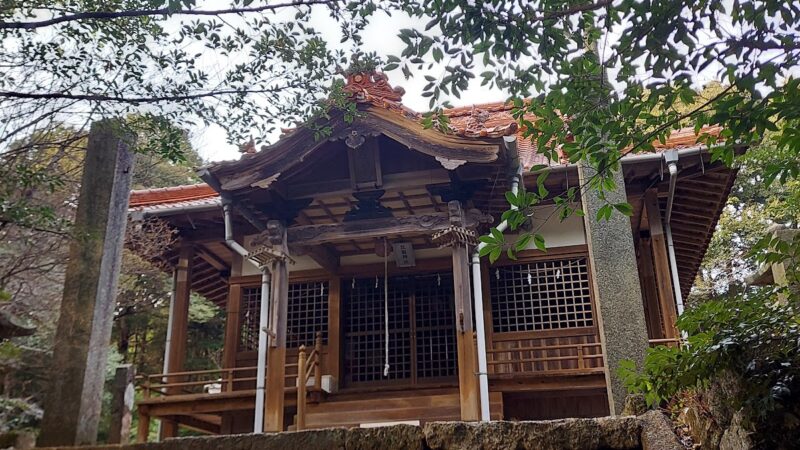
The grounds of Iwakuma Hachiman-gu are enveloped in a quiet and peaceful atmosphere. Located at the foot of Mt. Kujyu, it offers a peaceful environment for worship surrounded by nature. The shrine buildings maintain the traditional architectural style of Shinto shrines, presenting a solemn and majestic appearance.
Etiquette for Visiting a Shrine
The basic etiquette for visiting a shrine is as follows:
- Bow before passing through the torii gate.
- Purify your body and mind at the water basin.
- Walk along the approach to the shrine, avoiding the center.
- Bow twice, clap twice, and bow once in front of the main hall.
- Bow again at the torii gate when leaving.
Seasonal Charms
Iwakuma Hachimangu Shrine offers the beauty of nature in every season. It displays different expressions in each season: fresh greenery in spring, deep green in summer, vibrant autumn leaves, and a tranquil atmosphere in winter.
Goshuin (Shrine Seal) Information
About the Issuance of Goshuin
Goshuin are available at Iwakuma Hachimangu Shrine. Goshuin serve as proof of your visit and are important for establishing a connection with the shrine.
Basic Information on Receiving Goshuin (Shrine Seals)
- Location of Issuance: Shrine Office
- Reception Hours: During visiting hours (Please contact the shrine for details)
- Offering Fee: Typical amount (around 300-500 yen)
- Goshuincho (Shrine Seal Book): Bringing your own is recommended
Manners When Receiving a Goshuin
When receiving a Goshuin, please observe the following manners:
- Complete your prayers first before receiving the Goshuin
- Open your Goshuincho and hand it over
- Request using polite language
- Wait quietly while the Goshuin is being written
- Express your gratitude
Annual Events and Festivals
Main Festivals
Iwakuma Hachimangu Shrine holds various festivals throughout the year. Local people gather to preserve traditions.
Main Annual Events
- New Year’s Day Festival: Praying for peace in the new year
- Spring Festival: Celebrating the arrival of spring
- Autumn Festival: Expressing gratitude for the harvest and praying for the prosperity of the community
- Monthly Festival: Regular monthly festival
Connections with the Community
During festivals, people from the Kuga district gather, and events such as the carrying of portable shrines and offering ceremonies take place. It also plays a central role in the local community, serving as a place for intergenerational exchange.
Access Information
Basic Information
Address
903 (or 901-1) Kuga-cho, Iwakuni City, Yamaguchi Prefecture 742-0322
Phone Number
0827-82-5105
Homepage
http://iwakuma-hachimangu.org/
Access by Train
Using the JR Gantoku Line
- Nearest Station: JR Gantoku Line “Kuga Station”
- Travel Time: Approximately 5 minutes on foot from Kuga Station
- Access: Very close to the station, within walking distance for worship.
Kuga Station is one of the main stations on the Gantoku Line, easily accessible from both Iwakuni and Tokuyama. The path from the station to the shrine is flat, making it easy to find even for first-time visitors.
Access by Car
Access from Major Roads
- Sanyo Expressway: Approximately 10 minutes from Kuga IC
- National Route 2: Close to the center of Kuga town; follow the signs.
Parking
Parking is available on the shrine grounds or in the surrounding area. Please contact the shrine for details.
Map and Surrounding Environment
Iwakuma Hachimangu Shrine is located in the center of Kuga town, surrounded by residential areas and shops. There are also restaurants and souvenir shops around Kuga Station, allowing you to enjoy exploring the area in conjunction with your visit to the shrine.
Nearby Tourist Attractions
Highlights of the Kuga Area
When visiting Iwakuma Hachimangu Shrine, we recommend also visiting the tourist attractions around Kuga town.
Main Tourist Attractions in the Surrounding Area
- Kurakakeyama: A mountain suitable for hiking, offering magnificent views from the summit.
- Kuga Townscape: A townscape that retains a sense of history.
- Iwakuma Hachimangu Shrine in Shuto Town: Another Iwakuma Hachimangu Shrine remaining at its original location.
Sightseeing in Iwakuni City
Iwakuni City has many famous tourist attractions, including Kintaikyo Bridge:
- Kintaikyo Bridge: One of Japan’s three most famous bridges, a symbol of Iwakuni.
- Iwakuni Castle: Enjoy the view from the castle built on the mountaintop.
- Kikko Park: A park where you can enjoy flowers of all seasons.
- White Snake Viewing Area: See the white snakes, a natural monument of Iwakuni.
It takes about 20 minutes by car from Kuga Town to the center of Iwakuni City.
Points to Note and Recommended Times for Visiting
Best Time to Visit
While Iwakuma Hachimangu Shrine is open year-round, the following times are particularly recommended:
Spring (March-May)
- Beautiful fresh greenery and pleasant weather, ideal for visiting
- A special atmosphere during the Spring Festival
Autumn (September-November)
- The Autumn Festival is held
- Beautiful autumn leaves color the shrine grounds
- Pleasant weather
New Year’s Visit (January)
- Many visitors come to pray for the New Year
- A solemn atmosphere for welcoming the New Year
Time Required for Visiting
Allow approximately 15-30 minutes for visiting the shrine grounds. If you plan to receive a Goshuin (shrine stamp) or stroll around the grounds at a leisurely pace, it is recommended to allow a little more time.
Attire and Belongings
- Attire: Clean clothing appropriate for visiting a shrine
- Shoes: Comfortable walking shoes (the shrine grounds are paved)
- Belongings: Goshuincho (stamp book) (if you wish to receive a Goshuin stamp), camera, offering money
History and Culture of Kuga Town
Origins of Kuga Town
Kuga Town is located in the eastern part of Yamaguchi Prefecture, forming part of Iwakuni City. It has flourished since ancient times as a transportation hub and has a history as a post town on the Sanyo Road. Under the rule of the Iwakuni Domain, it developed as one of the important regions.
Regional Characteristics
The Kuga area is centered on agriculture, with rice cultivation and vegetable farming being thriving. Traditional festivals and events are still passed down, and it is a region with strong community ties.
Kuga’s Gourmet Food and Souvenirs
When visiting the Kuga area of Iwakuni City, you can also enjoy local specialties and gourmet food:
Iwakuni/Kuga Specialties
- Iwakuni Sushi: A local dish from the Iwakuni region
- Lotus Root Products: Iwakuni is a famous production area for lotus root
- Local Sake: Yamaguchi Prefecture is famous as a sake producing area
- Agricultural Products: Fresh local vegetables
There are shops and restaurants selling these specialties around Kuga Station and within Iwakuni City.
Frequently Asked Questions
Visiting Hours
Iwakuma Hachimangu Shrine is generally open for worship at any time during the day. However, if you wish to receive a Goshuin (shrine stamp) or prayer, you must visit during the shrine office’s opening hours. For detailed hours, please contact the shrine in advance (Tel: 0827-82-5105).
About Prayers and Blessings
Iwakuma Hachimangu Shrine accepts various types of prayers and blessings. We address a wide range of wishes, including protection from misfortune, family safety, business prosperity, and traffic safety. If you wish to receive a prayer, we recommend making a reservation by phone in advance.
Parking
There is parking available around the shrine, but it may be crowded during festivals and other events. Using public transportation is also convenient, so please choose according to the situation.
Photography
Photography is generally permitted within the shrine grounds, but there may be restrictions on photographing the interior of the main hall and cultural artifacts. When taking photographs, please be considerate of other worshippers, and if you have any questions, please check with shrine staff.
Summary
Iwakuma Hachimangu Shrine is a historical and prestigious shrine located in Kuga-cho, Iwakuni City, Yamaguchi Prefecture. Since its relocation in 1692 (Genroku 4), it has been revered by the local people as the principal shrine of the six villages of Kuga. This shrine houses valuable cultural assets, including the prefecturally designated cultural property, the wooden plaque “Hachiman-gu,” and is known for its divine blessings of protecting industry and opening new paths.
Conveniently located about a 5-minute walk from JR Kuga Station, the tranquil grounds offer a peaceful environment for worship. When visiting Iwakuni City, be sure to include a visit to this historic shrine in your itinerary, along with famous tourist spots such as Kintaikyo Bridge.
With its seasonal natural beauty, locally rooted festivals, and a place of faith nurtured by a long history, Iwakuma Hachiman-gu is a special place that offers peace and strength to visitors. It is a shrine that we hope many people will visit as a spiritual anchor during their travels in eastern Yamaguchi Prefecture.