Susa Shrine (Iwakuni City, Yamaguchi Prefecture) Complete Guide | Deity, Goshuin (Shrine Seal), and Access Information
Located in Iwakuni City, Yamaguchi Prefecture, Susa Shrine is a historic shrine dedicated to Susanoo-no-Mikoto, a figure from Japanese mythology. While there are 98 shrines scattered throughout Iwakuni City, Susa Shrine is known as an important shrine that attracts the faith of the local community. This article comprehensively introduces information you should know before visiting, from the history of Susa Shrine to its highlights, goshuin information, and access methods.
History and Origins of Susa Shrine
A Historic and Ancient Shrine Dedicated to Susanoo-no-Mikoto
Susanoo-no-Mikoto, the principal deity of Susa Shrine, is one of the most famous gods in Japanese mythology. Known for the myth of slaying Yamata-no-Orochi (the eight-headed serpent), he has been worshipped since ancient times as a fierce yet brave god, and also as a god of agriculture and protection against evil.
The name “Susa” holds deep meaning. This character, also written as “素” (su), signifies the origin, essence, and sincerity of things. This character, found in the name of the enshrined deity, is believed to express gratitude to ancestors and respect for the divine spirit, the source of all things.
The Position of Susa Shrine in Iwakuni City
Iwakuni City in Yamaguchi Prefecture is a region rich in history and culture, known for the Kintaikyo Bridge. Numerous shrines are located within the city, and Susa Shrine is one of them, attracting the faith of the local people. Several shrines, including Yamajinja, are scattered around the Yuu-cho area of Iwakuni City, each deeply connected to the region’s history.
Among these shrines, Susa Shrine occupies a special position as a shrine dedicated to the important deity Susanoo-no-Mikoto. It is a shrine visited by many worshippers as the local guardian deity and a place to pray for protection from misfortune and family safety.
Deities and Divine Virtues
Susanoo-no-Mikoto
Susanoo-no-Mikoto, the principal deity of Susa Shrine, is an important god appearing in the Kojiki and Nihon Shoki. Known as the younger brother of Amaterasu-Omikami, he is recounted in a heroic myth of slaying Yamata-no-Orochi and saving Inada-hime-no-Mikoto upon descending from Takamagahara to Izumo Province.
Divine Virtues and Faith
Susanoo-no-Mikoto is worshipped as a god with diverse divine virtues:
- Protection from Evil and Disaster: Driven away by his fierce godly power
- Matchmaking: From the myth of his marriage to Inada-hime-no-Mikoto
- Protection of Agriculture: A god who brings abundant harvests
- Business Prosperity: As a god of vitality and development
- Healing from Illness: Divine as a source of life force
Due to these divine virtues, he continues to be deeply revered today as a god who grants the wishes of worshippers in various aspects of life.
Highlights of the Shrine Grounds
Shrine Buildings and Architectural Style
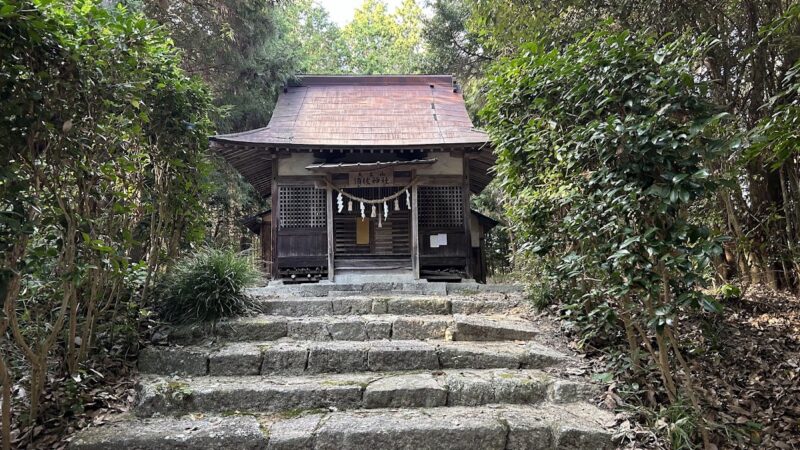
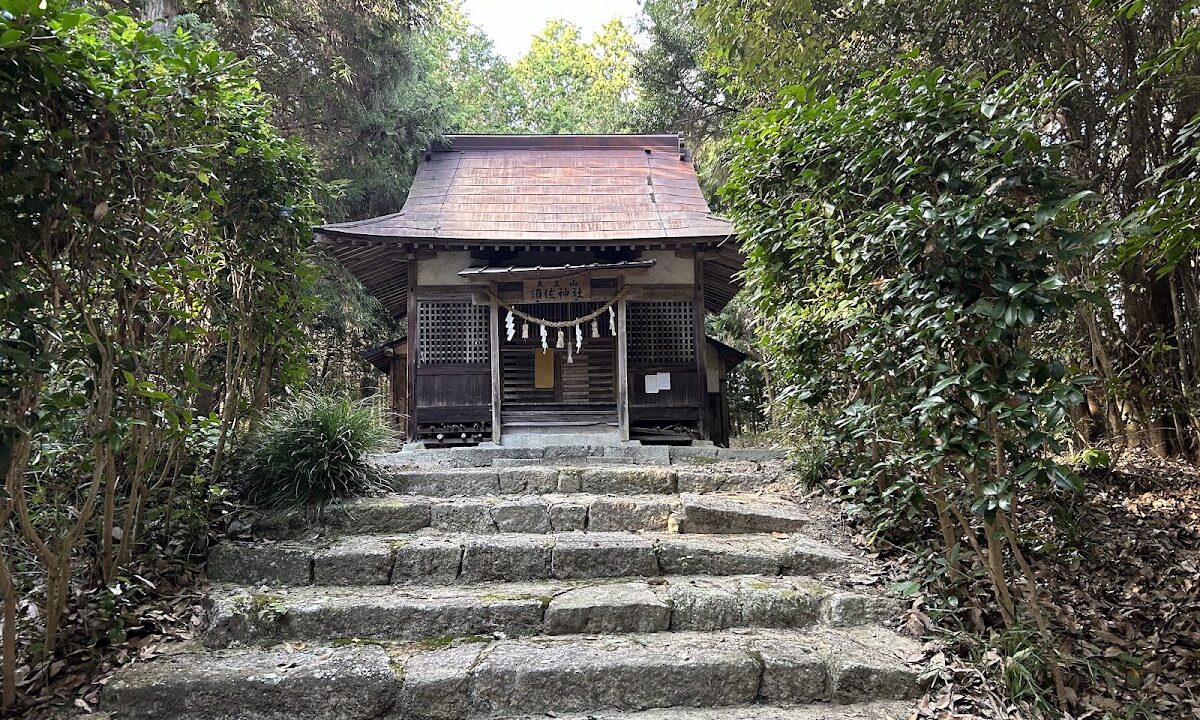
The shrine buildings of Susanoo Shrine strongly retain the characteristics of traditional shrine architecture in the region. The main hall, while simple, exudes a solemn atmosphere, inviting worshippers into a sacred space. The layout from the worship hall to the main hall follows the style of ancient shrine architecture.
Atmosphere and Nature of the Shrine Grounds
The shrine grounds are enveloped in a tranquil atmosphere, a space where you can escape the hustle and bustle of the city and find peace of mind. Harmonizing with the surrounding nature, the grounds display different expressions throughout the seasons.
In spring, the fresh greenery is beautiful; in summer, it is enveloped in deep green; in autumn, the autumn leaves color the grounds; and in winter, a solemn silence descends. Visiting in each season will allow you to experience the different charms of the shrine.
Water Basin and Worship Etiquette
Upon entering the shrine grounds, first purify your body and mind at the water basin. At Susa Shrine, you can worship according to the same etiquette as at any other shrine. It is important to perform the water basin ritual correctly and approach the shrine with a pure heart.
About Goshuin (Shrine Seals) and Other Items
Characteristics of Goshuin (Shrine Seals)
At Susa Shrine, you can receive a goshuin as a memento of your visit. A goshuin is not merely a commemorative stamp, but something to be cherished as proof of your connection with the deity.
When receiving a Goshuin (temple/shrine stamp), please note the following:
- Receive the Goshuin after completing your prayers.
- Prepare a Goshuincho (stamp book) (notebooks or blank paper are inappropriate).
- Prepare the offering (please bring the exact amount).
- Request the Goshuin using polite language.
Items Offered and Amulets
Susa Shrine offers a variety of items. Amulets are available for various purposes, such as protection from evil, family safety, and traffic safety, catering to individual wishes.
When receiving an item, it is important to understand that it represents the divine protection and to handle it with care. The correct procedure for old amulets is to return them to the shrine for proper burning.
Annual Events and Festivals
Main Annual Events
Susa Shrine holds various festivals and events throughout the year. These events are important opportunities to preserve local traditions and express gratitude to the gods.
The following are typical annual events held at Shinto shrines:
- New Year’s Day Festival: Welcome the new year and pray for peace throughout the year.
- Setsubun Festival: Scattering beans to ward off evil spirits and invite good fortune.
- Spring Festival: Praying for the arrival of spring and a bountiful harvest.
- Summer Purification Ceremony: Cleansing away the impurities accumulated over the past six months.
- Autumn Festival: Offering thanks for the harvest.
- Year-End Purification Ceremony: Cleansing away the impurities of the year and preparing for the new year.
Connections with the Community
The festivals at Susa Shrine are also important events for the local community. Parishioners and devotees gather, providing a place to pass on traditions to the next generation. On festival days, the atmosphere is lively and different from usual, providing an opportunity to deepen community bonds.
Access Information
Location
Susa Shrine is located in Iwakuni City, Yamaguchi Prefecture. Iwakuni City is located in the eastern part of Yamaguchi Prefecture, near the border with Hiroshima Prefecture.
Access by Car
The most convenient way to visit is by car:
Using the Sanyo Expressway
- From Iwakuni Interchange, take National Routes 2 and 188
- Travel time varies depending on traffic conditions
From Hiroshima
- Head south on National Route 2 towards Iwakuni city center
From Yamaguchi/Hofu
- Head east on National Route 2 towards Iwakuni
It is recommended to check parking availability in advance.
Access by Public Transportation
Using the JR Sanyo Main Line
- The nearest station is JR Iwakuni Station.
- It is convenient to take a bus or taxi from the station.
Local Buses
- Local buses operating within Iwakuni City may be available.
- Please check the latest timetables and routes on the websites of the Iwakuni City Transportation Bureau and each bus company.
Using the Shinkansen
- Transfer to a local line at Shin-Iwakuni Station (Sanyo Shinkansen).
- Or take a local line from Hiroshima Station to Iwakuni Station.
Nearby Tourist Attractions
When visiting Susa Shrine, we recommend also visiting other tourist attractions in Iwakuni City:
Kintaikyo Bridge
- A beautiful wooden bridge known as one of Japan’s three most famous bridges.
- It is relatively close to Susa Shrine.
Iwakuni Castle
- A castle built on the summit of Shiroyama Mountain, across from Kintaikyo Bridge.
- Access to the summit is possible by ropeway.
Iwakuni White Snake Shrine
- A shrine dedicated to the “white snake,” a natural monument of Iwakuni
- Known for its blessings of financial fortune and business prosperity
Kikkō Park
- A beautiful park surrounding Kintaikyo Bridge
- Enjoy seasonal flowers
Manners and Etiquette for Visiting a Shrine
Basic Worship Etiquette
When visiting Susa Shrine, please observe the following basic etiquette:
How to Pass Through the Torii Gate
- Bow before passing through the torii gate
- Walk along the edge of the path, as the center is the path for the gods
How to Wash Your Hands
- Take the ladle with your right hand and wash your left hand
- Switch the ladle to your left hand and wash your right hand
- Switch the ladle back to your right hand, receive water in your left hand, and rinse your mouth
- Wash your left hand once more
- Stand the ladle upright, wash the handle, and return it to its original position
How to Bow
- 1. Stand in front of the offering box and bow slightly.
- Gently place your offering in the box (do not throw it).
- If there is a bell, ring it.
- Bow twice, clap twice, and bow once (two bows, two claps, one bow).
- Bow slightly when leaving.
Clothing and belongings for visiting a shrine
There are no specific dress code requirements for visiting a shrine, but please be mindful of wearing clean clothing that is respectful to the gods. Please note the following:
- Avoid overly revealing clothing.
- Shoes are preferable to sandals for visiting the shrine.
- Remove your hat before passing through the torii gate.
- Bring your goshuincho (stamp book) if you wish to receive a goshuin (shrine stamp).
Photography Etiquette
Photography is generally permitted on the shrine grounds, but please observe the following etiquette:
- Do not take photos in areas where photography is prohibited, such as inside the main hall.
- Be considerate of other visitors.
- Pay particular attention during festivals.
- It is advisable to check in advance before using a tripod.
Susanoo Shrine and Japanese Mythology
The Myth of the Slaying of Yamata no Orochi
The most famous myth of Susanoo-no-Mikoto is the story of his slaying of Yamata no Orochi. This myth is a grand story set in Izumo Province, showcasing Susanoo-no-Mikoto’s bravery and wisdom.
Having been banished from Takamagahara, Susanoo-no-Mikoto encountered an elderly couple and their beautiful daughter, Inada-hime, weeping on the banks of the Hi River (Hii River) in Izumo Province. Upon hearing their story, he learned that every year, a giant serpent with eight heads and eight tails, Yamata-no-Orochi, appeared and devoured one of their daughters each year.
Susanoo-no-Mikoto agreed to slay Yamata-no-Orochi on the condition that he could marry Inada-hime. He placed barrels of strong sake at each of the eight gates, and while the serpent was drunk and asleep, he slept it away, slicing it to pieces with his sword. It was from the serpent’s tail that the Kusanagi-no-Tsurugi (Ame-no-Murakumo-no-Tsurugi), one of the Three Sacred Treasures of Japan, emerged.
The Significance of Enshrining the Spirit of Susanoo-no-Mikoto
There is a profound significance to the enshrinement of Susanoo-no-Mikoto at Susa Shrine. In mythology, Susanoo-no-Mikoto declared, “This land is small, but it is a good place, so I will name myself after the land, not a tree or a stone,” and is said to have pacified his own spirit.
This myth is particularly well-known as the origin story of the Susa Shrine in Izumo City, Shimane Prefecture, but Susa Shrines throughout Japan also worship this great god as a guardian deity of their respective regions, drawing on his divine virtues. The Susa Shrine in Iwakuni City, Yamaguchi Prefecture, is one such shrine that carries on this mythological tradition.
What Mythology Conveys to the Modern Age
The myth of Susanoo-no-Mikoto is not merely a folktale. It conveys universal values that resonate with us living today, such as the courage to face difficulties, the attitude of solving problems using wisdom, and the determination to protect loved ones.
By understanding the background of this myth when visiting a Susa Shrine, you can gain a deeper spiritual experience.
A Tour of Shrines in Iwakuni City
Major Shrines in Iwakuni City
Iwakuni City boasts 98 shrines, each with its own unique history and divine virtues. Visiting the Susa Shrine and then exploring the other shrines will allow you to gain a deeper understanding of Iwakuni’s history and culture.
Yamajinja Shrine
- Located in Yuu-cho, Iwakuni City
- A shrine dedicated to the mountain god, attracting local faith.
Sugawara Shrine
- Dedicated to Sugawara no Michizane, the god of learning
- Many visitors are students taking exams or praying for academic success.
Iwakuni White Snake Shrine
- Dedicates the white snake, a natural monument of Iwakuni, as a messenger of the gods
- Known for its blessings of financial fortune and business prosperity.
Usa Hachimangu Shrine
- Located in Usa, Nishiki-cho, Iwakuni City
- Known for one of the largest cedar trees in the prefecture
- The centuries-old cedar trees are truly impressive.
Tips for Visiting Shrines
When visiting multiple shrines, please note the following:
- Research the enshrined deities and divine virtues of each shrine in advance.
- Allow ample time for your visit (avoid rushed visits).
- If you wish to receive a Goshuin (shrine stamp), please check the operating hours of each shrine.
- Plan your transportation and travel time in advance.
- Plan a realistic itinerary based on your physical condition.
The Four Seasons of Visiting Susa Shrine
Spring at Susa Shrine
Spring is the season when new life sprouts. The grounds of Susa Shrine are enveloped in fresh greenery, creating a refreshing atmosphere. The spring festival may be held, a crucial time for praying for a bountiful harvest and the prosperity of the region.
During cherry blossom season, the area around Kintaikyo Bridge in Iwakuni City is adorned with beautiful cherry blossoms. A visit to Susa Shrine, combined with the cherry blossoms, allows you to fully enjoy spring in Iwakuni.
Summer at Susa Shrine
Summer is the season when vitality is at its most vibrant. The shrine grounds, enveloped in deep green, become a cool space that makes you forget the heat of the city. Many shrines hold the Summer Purification Ceremony, purifying oneself of the impurities accumulated over the past six months and praying for good health for the remaining half of the year.
Autumn at Susa Shrine
Autumn is the season of harvest, a crucial time for offering gratitude to the gods. The Autumn Festival is held to give thanks for the year’s harvest and to pray for a bountiful harvest in the coming year. It is also a season of beautiful autumn foliage, and the sight of the trees in the shrine grounds changing color is exceptionally beautiful.
Winter at Susa Shrine
In winter, Susa Shrine is enveloped in a tranquil and solemn atmosphere. With fewer visitors, it is a season to quietly connect with the gods. Important events marking the end of the year, such as the Great Purification Ceremony and the New Year’s Day Festival, are held here.
During the New Year’s visit period, the shrine is bustling with many visitors praying for peace and happiness in the coming year.
Susa Shrine and Local Culture
Role as a Local Guardian Deity
Susa Shrine plays an important role as the local guardian deity. A local guardian deity is a god who protects the people living in a particular area, and has long been a central figure in local communities.
Even today, Susa Shrine functions as a spiritual anchor for the local community and a place for intergenerational exchange. Through festivals and events, traditional culture is passed down, and community bonds are deepened.
The Connection Between Faith and Life
In the past, people’s lives and shrines were closely intertwined. People visited shrines at important life milestones such as the birth of a child, Shichi-Go-San (a traditional rite of passage for children), coming-of-age ceremonies, and weddings. They also offered prayers to the gods at various points in their daily lives, such as the beginning and end of farm work or the start of a new business.
While lifestyles have changed in modern times, local shrines, including Susa Shrine, continue to be important sources of spiritual support for people.
Things to Know Before Visiting
Suitable Time for Visiting
The most suitable time to visit a shrine is generally considered to be the morning. Visiting in the refreshing early morning air is a wonderful experience that refreshes both mind and body.
However, visiting hours may vary depending on the shrine, so it is recommended to check in advance if you are traveling from afar.
About Prayers
At Susa Shrine, it may be possible to receive prayers tailored to the wishes of individuals and families. If you wish to receive prayers, please contact the shrine in advance to confirm the date, time, and offering fee.
Common types of prayers:
- Family safety
- Business prosperity
- Traffic safety
- Protection from evil
- Recovery from illness
- Prayer for success in examinations
- Prayer for safe childbirth
How to Inquire
When you need to inquire at Susa Shrine, please note the following:
- When calling, please do so during reasonable hours (around 9:00 AM to 5:00 PM)
- Allow ample time, as the shrine may be busy on festival days and auspicious days
- Use polite language
- Organize the necessary information (date, time, number of people, desired prayers, etc.) before contacting them
Summary: The Significance of Visiting Susa Shrine
Susa Shrine in Iwakuni City, Yamaguchi Prefecture, is a historic shrine dedicated to Susanoo-no-Mikoto, a great god appearing in Japanese mythology. Known for the heroic myth of slaying the Yamata no Orochi (eight-headed serpent), this deity possesses diverse divine virtues, including protection from evil, matchmaking, and abundant harvests, and has attracted the faith of people since ancient times.
Visiting Susa Shrine is more than just visiting a tourist spot. It is a precious opportunity to connect with Japanese mythology and history, feel the spirit of faith cherished by our ancestors, and confront your own heart.
When you visit Iwakuni City, along with other tourist attractions such as Kintaikyo Bridge and Iwakuni Castle, be sure to visit Susa Shrine. The time spent calming your mind in the tranquil grounds, expressing your gratitude to the deity, and praying for peace in your life will surely be a memorable experience.
Shrine visits allow us to rediscover the beauty of traditional Japanese culture. We hope that your visit to Susa Shrine will contribute to enriching your life.