Umeno Shrine (Saga Prefecture) Complete Guide | History, Access, and Benefits Explained in Detail
Umeno Shrine, located in Yamato-cho, Saga City, Saga Prefecture, is a historic shrine situated along the clear waters of the Nao River. This shrine, which enshrines a divided spirit of Kyoto’s Umenomiya Shrine, has long been cherished by the local people. This article comprehensively covers everything you need to know before visiting Umeno Shrine, including its detailed history, enshrined deities, benefits, worship methods, and access information.
Basic Information about Umeno Shrine
Location and Access
Location: 2552 Kami-Umeno, Yamato-cho, Saga City, Saga Prefecture
Umeno Shrine is located across the clear waters of the Nao River from Matsuume Elementary School. It is situated in a naturally rich environment on the way from the center of Saga City to the northern mountainous region.
Visiting Hours and Admission Fee
Umeno Shrine is generally open for worship 24 hours a day. There is no entrance fee, and anyone can freely visit. However, it is recommended to check the opening hours of the shrine office in advance. During special festivals and religious ceremonies, the procedures may differ from the usual, so it is wise to check in advance for important visits.
Parking Information
There is parking space for visitors around the shrine, but the size is limited. If you are planning to visit in a large vehicle or as a group, it is recommended to check in advance.
History and Origins of Umeno Shrine
Background of Founding
The exact founding date of Umeno Shrine is unknown, but it is presumed to have a very long history based on the surrounding sacred grounds and its dignified appearance. According to tradition, the local administrator of this area was from Kyoto, and the shrine’s origin lies in the enshrinement of a divided spirit of Umenomiya Shrine (which still exists in Ukyo-ku, Kyoto City), the tutelary shrine of the area.
Relationship with Kyoto Umenomiya Shrine
Kyoto’s Umenomiya Shrine is an ancient shrine known as the god of sake brewing and the god of safe childbirth. The reason why Umeno Shrine in Saga Prefecture came to enshrine a divided spirit of the original deity is thought to be that the local administrator, originally from Kyoto, who ruled this area, wished to continue his faith in his hometown’s tutelary deity in his new homeland. Such instances of enshrining divided spirits were seen throughout Japan from the medieval to the early modern period, serving as an important opportunity for local influential figures to introduce central culture and beliefs to their regions.
Connections with the Community
Throughout its long history, Umeno Shrine has been revered by local residents as the tutelary deity of the Umeno district and surrounding areas. In times when agriculture was the main industry, it functioned as a place to pray for bountiful harvests and as a spiritual center of the local community. Even today, it plays an important role in local festivals and annual events.
Deities and Blessings
Main Deities
Due to its connection with Kyoto’s Umenomiya Shrine, the main deities enshrined at Umeno Shrine are believed to be the following:
- Sakatoke-no-kami
- Oowakugo-no-kami
- Kowakugo-no-kami
- Sakatokeko-no-kami
These deities are known as gods of sake brewing, safe childbirth, and fertility.
Expected Benefits
The main benefits you can expect at Umeno Shrine are as follows:
- Safe Childbirth and Fertility: Inheriting the tradition of Umemiya Shrine, it is deeply revered for safe childbirth and fertility.
- Family Safety: As the local guardian deity, it protects the peace and safety of families.
- Abundant Harvest: As a shrine located in an agricultural area, it is a place to pray for a bountiful harvest.
- Protection from Misfortune and Good Fortune: As the guardian deity of the region, it protects against various calamities.
- Prosperity in Sake Brewing: As the god of sake brewing, it brings prosperity to related industries.
Proper Worship Etiquette
The basic worship etiquette at a shrine is as follows:
- Bow before passing through the torii gate.
- Purify your body and mind at the water basin (left hand, right hand, mouth, handle of the ladle in that order).
- Place your offering in front of the main hall.
- Two bows, two claps, one bow (basic Shinto etiquette)
- After praying, turn around and bow once when leaving the torii gate.
Highlights of Umeno Shrine
Natural Environment of the Sacred Grounds
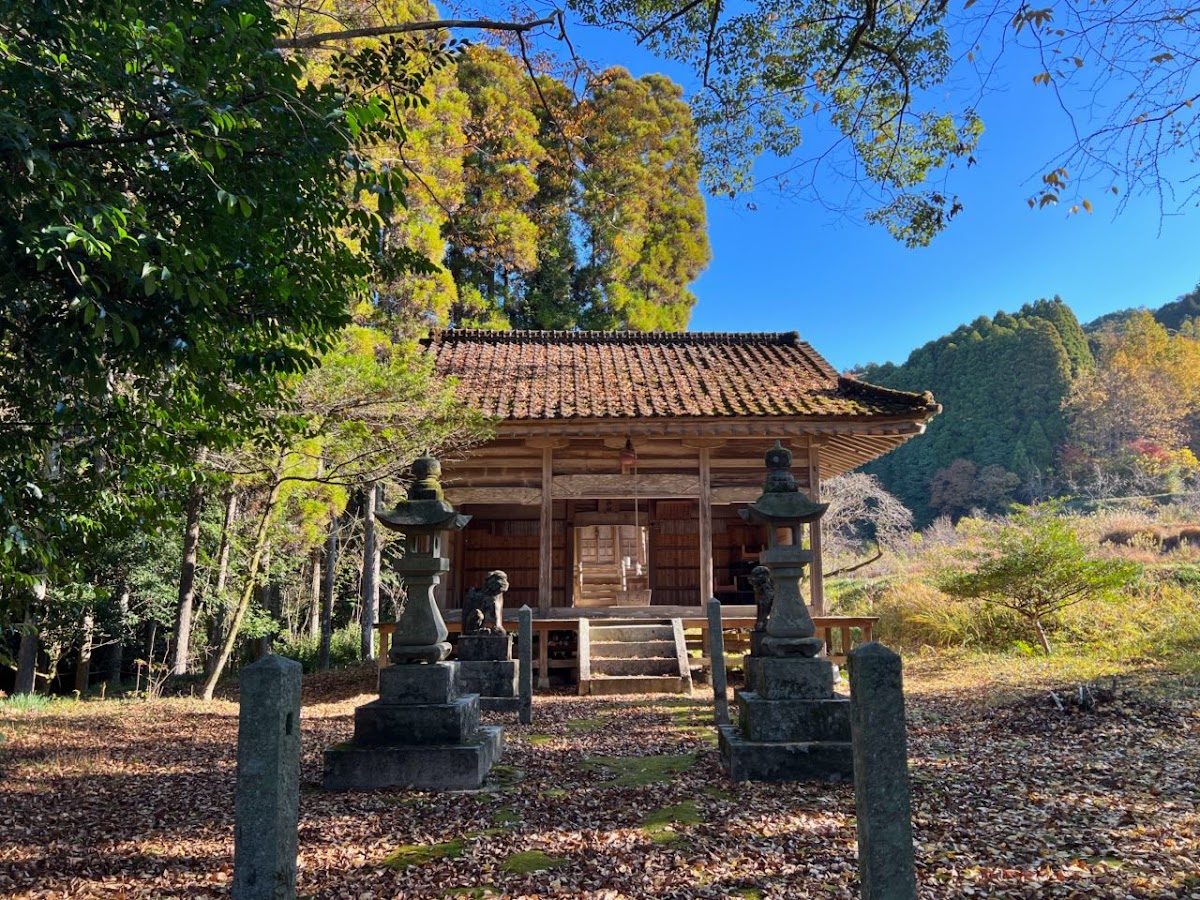
One of the greatest attractions of Umeno Shrine is its rich natural environment. The clear waters of the Nao River flow nearby, and the surrounding area is surrounded by lush forests. You can feel the changing seasons, especially the fresh green of spring, the deep green of summer, the autumn leaves, and the tranquility of winter.
Shrine Buildings and Grounds
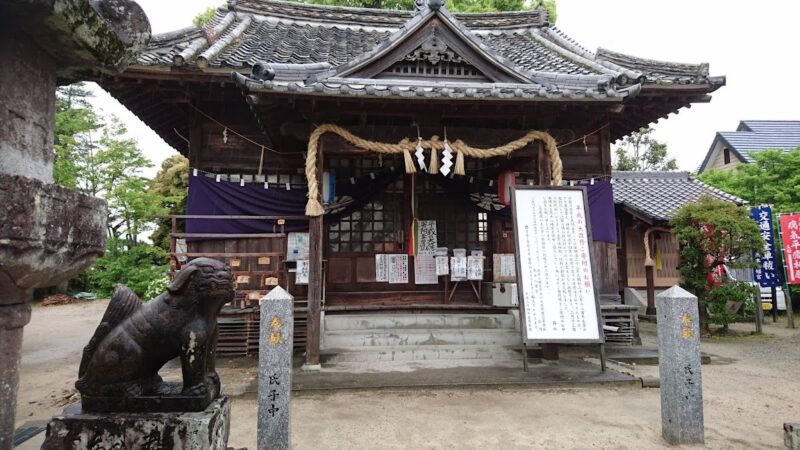
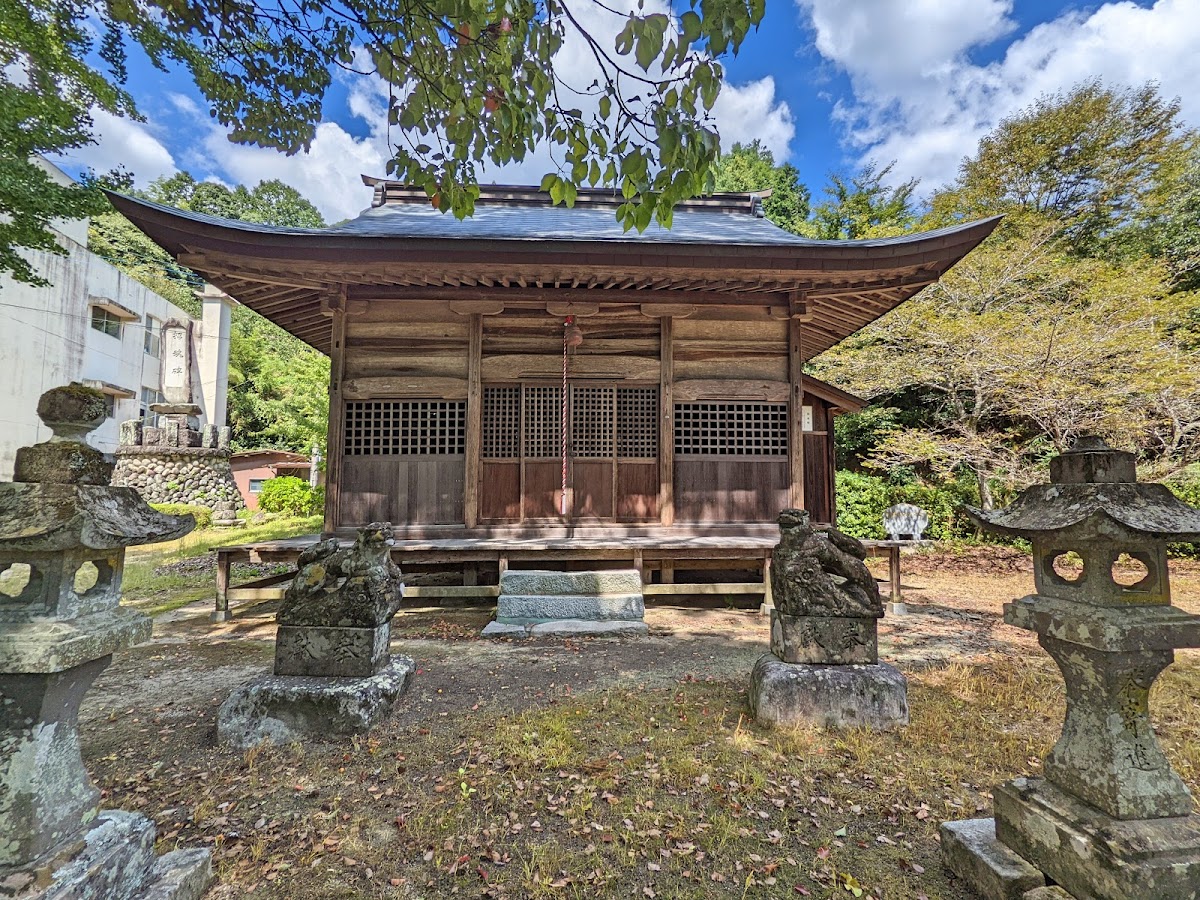
The shrine buildings, with their ancient style, tell a story of long history. The wooden main hall has an aged charm and conveys the traditional style of shrine architecture to the present day. The grounds are enveloped in a tranquil atmosphere, making it an ideal place to escape the hustle and bustle of the city and find peace of mind.
Surrounding Landscape
Located across the Nao River from Matsuume Elementary School, the shrine forms part of the historical landscape of the region. A stroll around the shrine allows you to experience the atmosphere of a traditional mountain village in Saga Prefecture.
Annual Events and Festivals
Main Festivals
Umeno Shrine holds various festivals throughout the year. As the local tutelary shrine, the following events are likely to take place:
- Annual Grand Festival: The most important festival held once a year
- New Year’s Festival: A festival praying for peace in the new year
- Spring and Autumn Festivals: Festivals praying for and giving thanks for a bountiful harvest
For specific dates and details, it is recommended to check local information or contact the shrine directly.
Connection with the Community
During festivals, local residents gather, and traditional Shinto rituals and offerings are performed. These events are not merely religious ceremonies, but also important opportunities to strengthen the bonds of the local community.
Detailed Access Information
Access by Car
From central Saga City:
- Head north on National Route 263
- Travel time: Approximately 20-30 minutes
- Set your car navigation system to: Search for “2552 Umeno, Yamato-cho, Saga City”
From the Nagasaki Expressway:
- Approximately 15 minutes from Saga Yamato IC
- Via National Route 263
Access by Public Transportation
Public transportation access is limited, but the following methods are available:
From JR Saga Station:
- Buses are the main mode of transport, but the number of buses is limited, so it is necessary to check the timetable in advance.
- Taxi is also an option (travel time approximately 25 minutes)
Points to Note When Accessing
- Located in a mountainous area, roads may be icy in winter.
- There are narrow sections of road, so large vehicles should exercise caution.
- If your car navigation system’s map data is outdated, it may not provide accurate directions, so it is recommended to use a map app in conjunction with it.
Nearby Tourist Attractions
Highlights of Yamato-cho, Saga City
When visiting Umeno Shrine, we recommend also visiting the nearby tourist attractions:
Hizen Provincial Government Ruins: A historical site that was the political center of the ancient Hizen Province.
Nao Washi Village: A facility where you can observe the production of Nao Washi, a traditional craft.
Furuyu Onsen/Kumanokawa Onsen: Hot spring resorts known as the “inner sanctuary” of Saga, approximately 15-20 minutes by car from Umeno Shrine.
Major Shrines in Saga Prefecture
There are many other historical shrines in Saga Prefecture:
- Saga Shrine: A shrine located in the center of Saga City, dedicated to the lord of the Saga Domain.
- Yutoku Inari Shrine: One of Japan’s three major Inari shrines, located in Kashima City.
- Takeo Shrine: An ancient shrine known as the guardian shrine of Takeo City.
- Yotohime Shrine: The Ichinomiya (first-ranked shrine) of Hizen Province, located in Saga City.
Points to Note When Visiting Umeno Shrine
Recommended Time to Visit
Spring (March-May):
The fresh greenery is beautiful, and the weather is mild, making it the perfect season for visiting.
Autumn (October-November):
The autumn foliage is magnificent, and the surrounding natural scenery is at its most beautiful.
Winter (December-February):
You can visit the shrine in a solemn atmosphere, enveloped in silence. However, warm clothing is necessary.
Clothing and Items to Bring When Visiting
- Clothing: Clean clothing appropriate for visiting a shrine. Since it is a mountainous area, comfortable walking shoes are recommended.
- Items to bring: Camera (for photographing natural scenery), drinking water, insect repellent (summer)
- Winter: Warm clothing, non-slip shoes
Regarding Photography
Photography is generally permitted on the shrine grounds, but please note the following:
- Refrain from taking photos inside the main hall
- Refrain from taking photos during religious ceremonies, or obtain permission
- Remember to be considerate of other worshippers
- Use flash photography sparingly
Local History and Cultural Background
History of Yamato-cho, Saga City
Yamato-cho is located in the northern part of Saga City and has long been a region where agriculture and forestry thrived. The fertile land along the Nao River was suitable for rice cultivation, and forestry and charcoal making were carried out in the mountainous areas. Umeno Shrine has functioned as a place of worship closely intertwined with the lives of the local people.
Influence of Kyoto Culture
The tradition that a local lord from Kyoto was involved in the founding of Umeno Shrine is an interesting example of cultural exchange between the central and local areas during the medieval period. The enshrinement of a divided spirit from Umenomiya Shrine in Kyoto may have been more than just a religious act; it likely served as an opportunity to introduce Kyoto’s culture and customs to the region.
Nao River and Local Life
The Nao River is an essential water source for life in the Umeno district, used for both agricultural and domestic purposes. The fact that the shrine is situated on the riverbank can be seen as an expression of gratitude and reverence for the water.
Umeno Shrine and Saga’s Shrine Culture
Characteristics of Shrines in Saga Prefecture
Saga Prefecture has over 800 shrines, each reflecting the history and culture of its region. The characteristics of the shrines vary depending on geographical conditions, from the northern region facing the continent to the southern region facing the Ariake Sea, and the mountainous areas. Umeno Shrine is unique in that it is located in a mountainous area and has a distinctive history influenced by the culture of Kyoto.
Role as a Local Guardian Deity
Umeno Shrine has been worshipped as a local guardian deity (ubusunagami), a god that protects the people born in that land throughout their lives. This belief in local guardian deities forms the foundation of Japanese shrine worship and demonstrates the strong connection between the local community and the shrine.
Shrine and Local Events
Various Shinto rituals are performed at Umeno Shrine throughout the year, and these are closely related to the annual events of the region. Festivals timed to coincide with agricultural work cycles were not merely religious ceremonies, but had practical meaning linked to the agricultural calendar.
Visitor Voices and Experiences
Serene Atmosphere
Many visitors highly appreciate the tranquil atmosphere of Umeno Shrine. Located in a mountainous area away from the hustle and bustle of urban areas, it provides an environment where one can worship in peace.
Harmony with Nature
Surrounded by the gentle murmur of the Nao River and lush green forests, the shrine grounds are cherished as a space where one can feel at one with nature. Especially during the seasons of fresh greenery in spring and vibrant autumn foliage, the beauty of nature and the solemnity of the shrine combine to leave a profound impression on visitors.
Warmth of the Community
This shrine has been carefully preserved by the local residents, and visitors can feel the warmth of the community. Interacting with the locals is one of the joys of visiting Umeno Shrine.
Practical Guide to Visiting Umeno Shrine
Flow of Visiting (Detailed Version)
- Arrival and Parking: Upon arrival near the shrine, park your car in the designated parking area.
- Checking Appearance: Adjust your attire before visiting the shrine.
- Bowing at the Torii Gate: Bow before passing through the torii gate to show respect for entering the sacred area.
- Walking the Path: The center of the path is considered the path of the gods, so walk along the edges.
- Ritual for Washing Hands:
- Hold the ladle in your right hand and wash your left hand.
- Switch the ladle to your left hand and wash your right hand.
- Switch the ladle back to your right hand, receive water in your left hand, and rinse your mouth.
- Wash your left hand again.
- Hold the ladle upright and wash the handle.
- Visiting the Main Hall:
- Quietly place your offering in the offering box.
- Ring the bell if there is one.
- Worship using the two bows, two claps, and one bow ritual.
- Pray with all your heart
- Stroll around the shrine grounds: After praying, quietly stroll around the grounds and enjoy the atmosphere of the sacred place.
- Departure: Turn around and bow when leaving through the torii gate.
Manners and Precautions
- Quiet: Do not speak loudly on the shrine grounds and remain quiet.
- Cleanliness: Always take your trash with you.
- Photography: Be considerate of other visitors.
- No Smoking: Smoking is prohibited on the shrine grounds.
- Pets: It is advisable to check in advance whether pets are allowed.
The Future and Preservation Activities of Umeno Shrine
Value as a Cultural Property
Umeno Shrine is registered in the “Saga History and Culture Treasure Book” and is recognized as a valuable cultural property of Saga Prefecture. As a shrine with a long history, its preservation and transmission are important issues for the community.
Preservation Activities by the Community
The maintenance and management activities of the shrine by local residents have been passed down through generations. Efforts to protect the shrine continue in various forms, including cleaning the grounds, repairing the shrine buildings, and continuing the festivals.
What Visitors Can Do
Visitors can also contribute to the preservation of the shrine:
- Practice appropriate worship etiquette
- Support through offerings
- Understand and share the history and cultural value of the shrine
- Understand and cooperate with local activities
Summary: The Charm of Umeno Shrine
Umeno Shrine is a historic shrine quietly nestled in the mountainous area of Yamato-cho, Saga City, Saga Prefecture. It has a unique history, enshrining a divided spirit of Kyoto’s Umenomiya Shrine, and has long been revered as the local tutelary deity.
Surrounded by the clear waters of the Nao River and abundant nature, the shrine grounds are an ideal place to escape the hustle and bustle of the city and find peace of mind. It warmly welcomes visitors seeking various blessings, such as safe childbirth, fertility, family safety, and abundant harvests.
Located relatively easily accessible, about 20-30 minutes by car from the center of Saga City, Umeno Shrine maintains a tranquil and solemn atmosphere. It’s a shrine we highly recommend for anyone planning a shrine tour in Saga Prefecture, those interested in historical shrines, or those seeking solace in nature.
Enjoying the changing seasons and spending time quietly praying at this ancient shrine will be a precious experience that allows you to forget the hustle and bustle of everyday life. Through a visit to Umeno Shrine, why not experience the history and culture of Saga, and the deep faith of the local people?