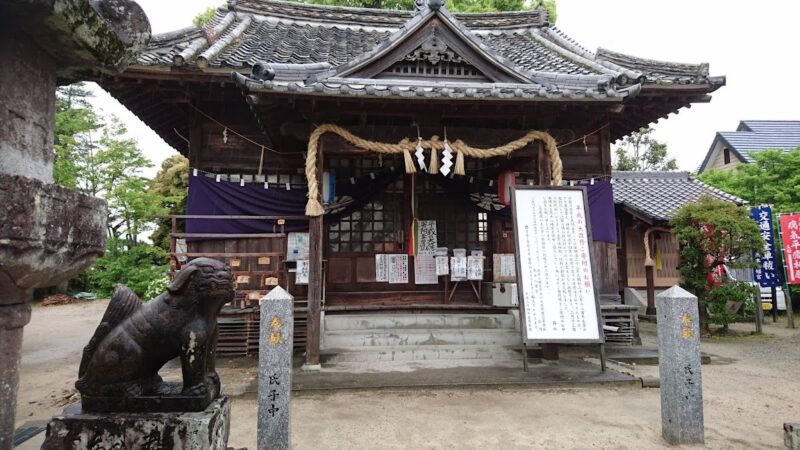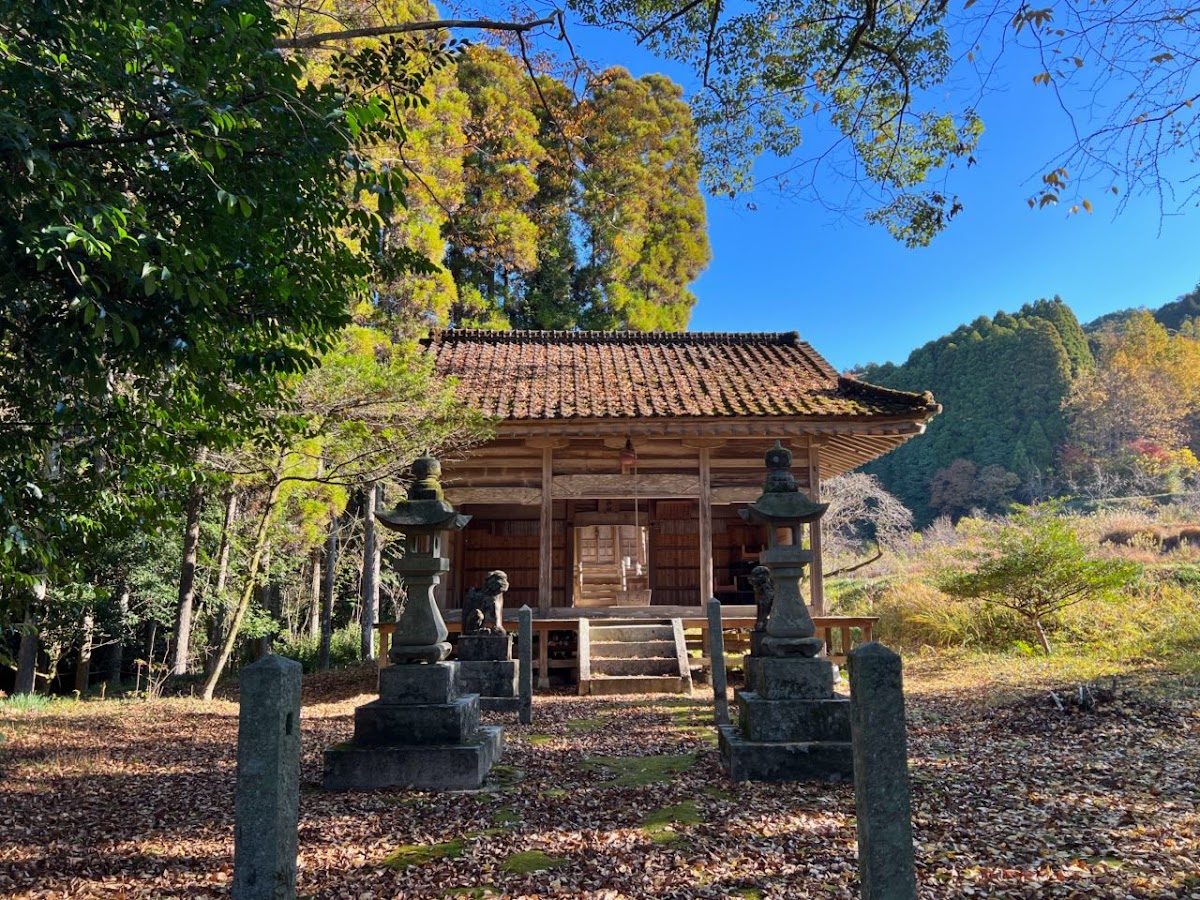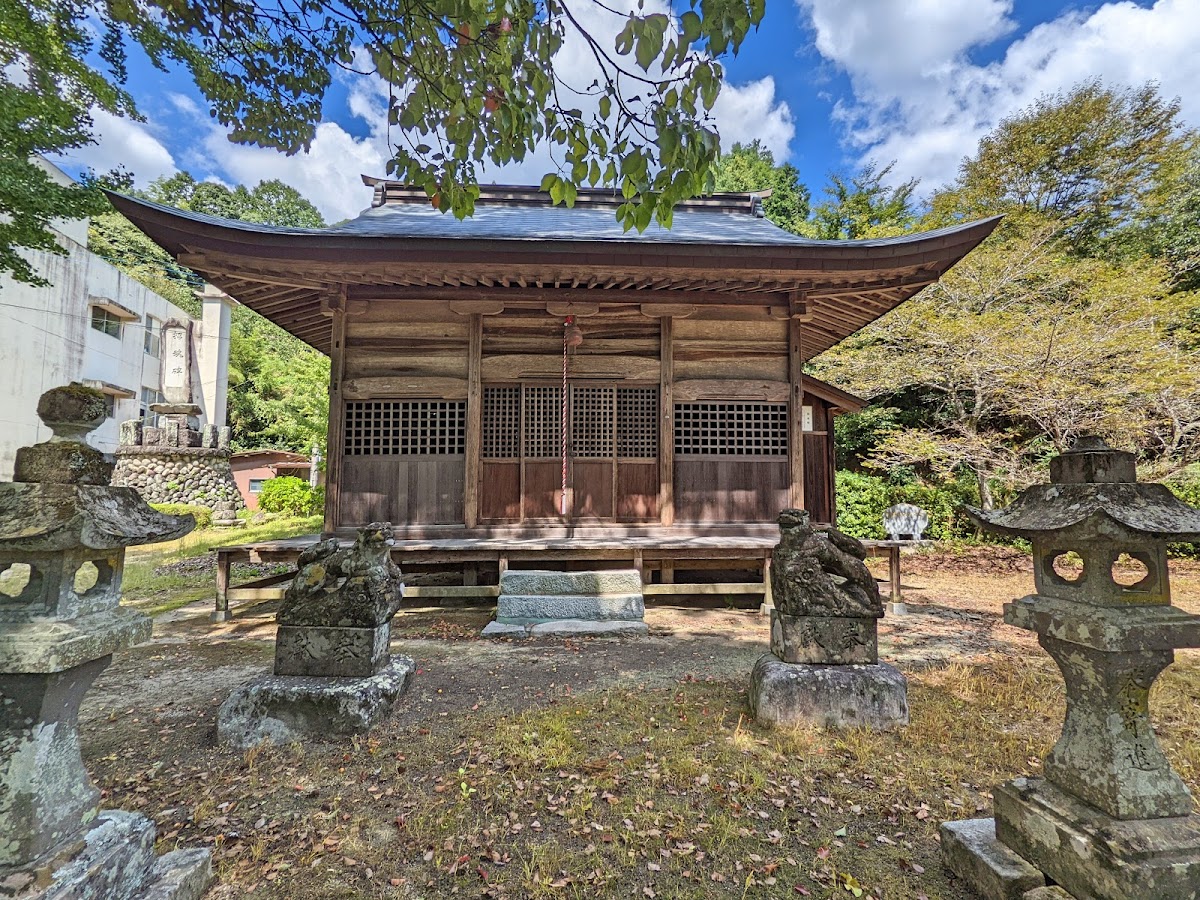
Tenman Shrine (Matsuse, Yamato-cho, Saga City, Saga Prefecture) Complete Guide
Tenman Shrine, located in Matsuse, Yamato-cho, Saga City, Saga Prefecture, is a local guardian shrine dedicated to Sugawara no Michizane, known as the god of learning. This article provides a detailed introduction to Tenman Shrine, including its history, enshrined deities, blessings, highlights within the grounds, and access information.
Basic Information on Tenman Shrine
Location: Matsuse, Yamato-cho, Saga City, Saga Prefecture
Tenman Shrine is located in the Matsuse district of Yamato-cho, Saga City, and has been a beloved shrine for local residents for centuries. Yamato-cho is located in the northern part of Saga City, and the shrine stands amidst a rich natural environment.
About the Enshrined Deities
The main enshrined deity of Tenman Shrine is Sugawara no Michizane.
Sugawara no Michizane was a scholar and politician of the Heian period. Due to his outstanding learning and honest character, he is revered throughout Japan as the “God of Learning” and “Tenjin-sama.” Born in Kyoto in 845, Michizane excelled in academics from a young age and rose to the position of Minister of the Right. However, due to political intrigue, he was exiled to Dazaifu and died there in 903.
After his death, various disasters occurred in Kyoto, leading to the construction of Kitano Tenmangu Shrine to appease Michizane’s vengeful spirit. Since then, Tenmangu and Tenjin shrines have been built throughout Japan.
Benefits of Tenman Shrines
Tenman shrines are believed to offer the following benefits:
Academic Success and Passing Exams
The most famous benefits are academic success and passing exams. Many students and those preparing for exams visit the shrine, hoping to benefit from Sugawara no Michizane’s exceptional learning. You can pray for success in all kinds of exams, including entrance exams, qualification exams, and job interviews.
Academic Advancement and Wisdom
Beyond simply passing exams, the shrine is believed to grant true academic knowledge and wisdom. It is revered by researchers, scholars, and those engaged in lifelong learning.
Improvement in Writing and Performing Arts
Since Sugawara no Michizane was also a renowned Chinese poet, the shrine is believed to bring benefits in improving writing skills, success in writing, and advancement in arts and performing arts.
Protection from Misfortune and Disaster
Tenjin-sama also has an aspect as a thunder god, and is believed to have the power to protect against disaster. Furthermore, due to Michizane’s sincere character, he is believed to protect honest people and ward off injustice.
History of Tenman Shrine
Regarding the founding date of Tenman Shrine in Matsuse, Yamato-cho, Saga City, it is necessary to delve into the history passed down in the region.
The Spread of Tenmangu Faith
After Sugawara no Michizane’s death in Dazaifu, the Tenmangu faith rapidly spread throughout Japan following the founding of Kitano Tenmangu (Kyoto) and Dazaifu Tenmangu (Fukuoka) in the 10th century. Due to its geographical proximity to Dazaifu, Saga Prefecture is believed to have received Tenmangu faith relatively early.
As a Local Guardian Deity
The Tenman Shrine in the Matsuse district has served as the local guardian deity, protecting the community. It has a history of functioning as a place for prayers for abundant harvests in rural areas and for the safety of local residents.
Developments Since Modern Times
Even after the Meiji-era shrine consolidation policy and post-war reforms, it has been preserved through the faith of local residents and carefully maintained to this day.
Highlights of the Shrine Grounds
Main Hall and Worship Hall
The main hall and worship hall of the Tenman Shrine preserve the traditional shrine architectural style of the region. When visiting the shrine, please pray respectfully using the two bows, two claps, and one bow ritual.
Sacred Ox (Nade-ushi)
The sacred ox (shingyu), found in many Tenmangu shrines, symbolizes the deep connection between Sugawara no Michizane and oxen. Michizane was born in the Year of the Ox, loved oxen, traveled to Dazaifu by ox-drawn carriage, and is said to have left a will stating, “Bury me wherever the ox goes.” It is believed that stroking the sacred ox brings blessings for healing illnesses and academic success.
Nature within the Shrine Grounds
The area surrounding the shrine is blessed with nature, allowing visitors to enjoy the scenery of each season. The plum blossom season in spring is particularly beautiful; plums, a flower loved by Michizane, are an indispensable part of Tenmangu shrines.
Annual Events and Festivals
New Year’s Visit
Many worshippers visit the shrine in the New Year to pray for safety throughout the year and academic success. Students preparing for exams and their families are particularly common.
Spring and Autumn Grand Festivals
Twice a year, the grand festivals bring together local residents for Shinto rituals. These are important events that preserve local traditions.
Tenjin-sama’s Festival Day (25th)
The 25th of each month is considered Tenjin-sama’s festival day. This originates from the birthday (June 25th) and death anniversary (February 25th) of Sugawara no Michizane.
Amulet and Goshuin Information
Amulets
Tenman Shrine offers various amulets, including those for academic success. During exam season, many visitors write their wishes on ema (votive tablets) for passing exams.
Goshuin (Shrine Seals)
For information on obtaining Goshuin, please inquire at the shrine office. Smaller shrines may not have a resident priest, so prior confirmation is recommended.
Manners and Etiquette for Visiting a Shrine
Basic Etiquette for Visiting a Shrine
- Bow before passing through the torii gate: This is a courtesy before entering the sacred area.
- Purify yourself at the water basin: Purify in the following order: left hand → right hand → mouth → handle of the ladle in your left hand.
- Walk along the edge of the path: The center is considered the path of the gods.
- Two bows, two claps, one bow: This is the basic etiquette in front of the main hall.
- Bow after leaving the torii gate: This is a courtesy when leaving the sacred area.
Mindset When Visiting a Shrine
Visiting a shrine is not merely about making a wish; it is also a place to express gratitude and renew your resolve. When praying for academic success, it is important to convey to the gods not only “Please let me pass,” but also “My determination to continue striving.”
Access Methods
Location
Matsuse, Yamato-cho, Saga City, Saga Prefecture
Access by Car
From the Nagasaki Expressway:
- Approximately 10 minutes from Saga Yamato IC
- Accessible via National Route 263
From the center of Saga City:
- Approximately 20-30 minutes by car
- Use National Route 263 or a prefectural road
Parking availability varies depending on the size of the shrine; caution is advised during busy periods such as New Year’s visits.
Access by Public Transportation
Nearest Station:
- JR Nagasaki Main Line “Saga Station” is the nearest major station
- Buses or taxis are convenient from the station
Bus:
- Use Saga City Bus or Showa Bus routes
- Take a bus bound for Yamato-cho and walk from the nearest bus stop
For detailed timetables and routes, please check the websites of the Saga City Transportation Bureau or each bus company.
Taking a Taxi
If you take a taxi from Saga Station, the journey will take approximately 20-30 minutes. The estimated fare is around 3,000-4,000 yen.
Nearby Tourist Attractions
Highlights of Yamato-cho
Hizen Provincial Government Ruins: The site of the Hizen Provincial Government Office from the Nara and Heian periods, recommended for history buffs.
Mitsuse Pass: Located on the border with Fukuoka Prefecture, it’s a popular scenic drive.
Tourist Attractions in Saga City
You can enjoy sightseeing in Saga City in conjunction with visiting Tenman Shrine.
- Saga Castle Honmaru History Museum: A facility where you can learn about the history of the Saga Domain.
- Okuma Shigenobu Memorial Museum: Introducing the life of Okuma Shigenobu, a politician of the Meiji era.
- Yoshinogari Historical Park: The site of a large-scale moated settlement from the Yayoi period.
Message to Exam Takers
Tenman Shrine is a shrine dedicated to Sugawara no Michizane, the god of learning, and is revered by many exam takers.
Teachings of Michizane
Sugawara no Michizane devoted himself to learning from a young age and rose to the position of Minister of the Right through hard work. His life teaches us the importance of effort and the value of sincerity.
Balancing Worship and Effort
While visiting a shrine can be a source of emotional support, the most important thing is daily effort. Michizane also left behind a waka poem that says, “If your heart is truly sincere, the gods will protect you even without prayer.” With the resolve gained from your visit to the shrine in your heart, diligently studying every day is the path to success.
Social Role of Tenman Shrine
Center of the Local Community
Tenman Shrine functions not only as a place of worship, but also as a center of community where local residents gather. Through festivals and cleaning activities, community bonds are deepened.
Preservation of Traditional Culture
Through the maintenance and management of the shrine and the holding of festivals, Japanese traditional culture and local history are passed down to the next generation.
A Place of Spiritual Rest
In modern society, shrines are also important as places to find peace of mind. In the quiet grounds surrounded by nature, you can escape the hustle and bustle of everyday life and calm your mind.
Precautions When Visiting
Attire
There are no specific dress code regulations, but clean clothing that reflects the sacred nature of the place is desirable.
Photography
Photography is generally permitted on the shrine grounds, but please refrain from taking pictures inside the main hall or during religious ceremonies. Also, please remember to be considerate of other visitors.
Pet-Friendly Attendance
Regulations regarding bringing pets vary by shrine. It is recommended to check in advance.
Visiting Hours
Shrines are generally recommended to be visited during the daytime. Avoid visiting at night and visit during daylight hours.
Tenmangu Shrines and Tenjin Faith in Saga
Besides Tenman Shrine (Matsuse, Yamato-cho, Saga City), there are several other Tenmangu and Tenjin shrines in Saga Prefecture.
Major Tenmangu Shrines in Saga Prefecture
- Matsubara Shrine (Saga City): A shrine associated with the Nabeshima family, the lords of the Saga domain, and also enshrines Tenmangu.
- Various Tenmangu Shrines: Local Tenjin shrines are enshrined throughout the prefecture.
Relationship with Dazaifu Tenmangu Shrine
Saga Prefecture is close to Dazaifu, where Sugawara no Michizane met his end, and pilgrimages to Dazaifu Tenmangu Shrine have been popular since ancient times. This geographical and historical background contributes to the deep-rooted faith in Tenmangu shrines within Saga Prefecture.
Summary: Visiting Tenman Shrine
Tenman Shrine in Matsuse, Yamato-cho, Saga City, Saga Prefecture, is an important local shrine dedicated to Sugawara no Michizane, the god of learning. Many worshippers visit seeking various blessings, including academic success and passing exams.
For students, university students, and all those engaged in lifelong learning, Tenman Shrine is a place of spiritual support. Through the resolve gained from worship and the accumulation of daily efforts, the path will surely open up.
When visiting Yamato-cho in Saga City, why not stop by Tenman Shrine and offer your prayers to the god of learning? In the tranquil grounds, you can calm your mind and gain the strength to move forward towards your goals with renewed determination.
We hope that Tenman Shrine will continue to watch over your academic success and life’s achievements.