Complete Guide to Sokokuji Temple (Gojo City, Nara Prefecture) | A Mountain Temple Associated with En no Gyoja and a Collection of Important Cultural Property Buddhist Statues
Nestled quietly in the deep forest on the slopes of Mount Kongo in Gojo City, Nara Prefecture, Sokokuji Temple is a mountain temple said to have been founded by En no Gyoja (En no Ozunu), known as the founder of Shugendo (Japanese mountain asceticism). This ancient temple, which houses numerous precious Buddhist statues, including a seated statue of Yakushi Nyorai (Medicine Buddha) designated as an Important Cultural Property, is deeply steeped in the legend of the dragon slaying and the history of Shugendo. This article comprehensively introduces everything you need to know before visiting Sokokuji Temple, from its history and cultural properties to access information and visiting details.
History and Origins of Kusaya-ji Temple
Founding Legend by En no Gyoja
While there are no clear records of the founding of Kusaya-ji Temple, it is said to have been founded by En no Gyoja (also known as En no Ozuno), a sorcerer who was active from the Asuka to Nara periods and is revered as the founder of Shugendo (mountain asceticism). En no Gyoja is a legendary figure who, in the late 7th century, is said to have practiced asceticism in mountainous areas such as Mt. Katsuragi and Mt. Kongo, and demonstrated numerous miraculous powers.
The southeastern foothills of Mt. Kongo, where Kusaya-ji Temple is located, are known as a training ground for En no Gyoja, and this mountain temple is one of the important centers that continues the tradition of Shugendo to this day.
The Legend of Dragon Slaying and the Integration of Three Temples
Kusaya-ji Temple has an intriguing legend of dragon slaying. Legend has it that a large dragon once emerged from Mount Kongo and wreaked havoc. En no Gyoja (a Buddhist ascetic) cut the dragon into three pieces and enshrined them in three separate temples: Ryutoji, Ryudoji, and Ryubiji. Later, these three temples were merged to form the present-day Kusaya-ji Temple.
This legend demonstrates the immense spiritual power of En no Gyoja and suggests that Kusaya-ji Temple may not be a single temple, but rather a merger of multiple temples. The story of slaying the dragon and appeasing its spirit clearly illustrates the characteristics of Shugendo, a fusion of mountain worship and Buddhism.
Mountain Name and Sect
Kusaya-ji Temple’s mountain name is Kishino-san, and it currently belongs to the Koyasan Shingon sect. This connection to Shingon Buddhism is thought to be a result of the fusion of the faith of Koyasan, founded by Kukai (Kobo Daishi), and the Shugendo tradition that began with En no Gyoja. The area around Mount Kongo is home to many temples of the Koyasan Shingon sect, suggesting that this region has long been considered an important place for mountain asceticism.
Cultural Properties and Buddhist Statues of Kusatani-ji Temple
Principal Image: Seated Statue of Yakushi Nyorai (Important Cultural Property)
The seated statue of Yakushi Nyorai, the principal image of Kusatani-ji Temple, is a valuable Buddhist statue created during the Heian period (Fujiwara period) and is designated as a National Important Cultural Property. Yakushi Nyorai has been worshipped as a Buddha who heals illness and suffering, bringing health and peace to people.
This seated statue of Yakushi Nyorai possesses the gentle expression and elegant form characteristic of Heian period Buddhist sculpture, and is a valuable cultural property that conveys the advanced sculptural techniques of that time. The fact that such an excellent Buddhist statue is enshrined in a small temple nestled in the mountains indicates that Kusatani-ji Temple once attracted considerable devotion.
Buddhist Statues Housed in the Repository
A repository has been built on the north side of the grounds of Kusatani-ji Temple, housing numerous Buddhist statues in addition to the main image. These statues include the following:
- Standing Yakushi Nyorai Statue: In addition to the seated main image, a standing statue of Yakushi Nyorai is also housed here.
- Seated Fudo Myoo Statue: A statue of Fudo Myoo, deeply associated with Shugendo (mountain asceticism), demonstrating its connection to the worship of En no Gyoja.
- Other Buddhist Statues: Various Buddhist statues donated over its long history are housed here.
These statues tell the story of Kusatani-ji Temple, which was not merely a local temple but a sacred site that attracted widespread devotion. Advance reservations are required to view the statues in the repository, but it is well worth the effort.
Architecture of the Main Hall and Temple Grounds
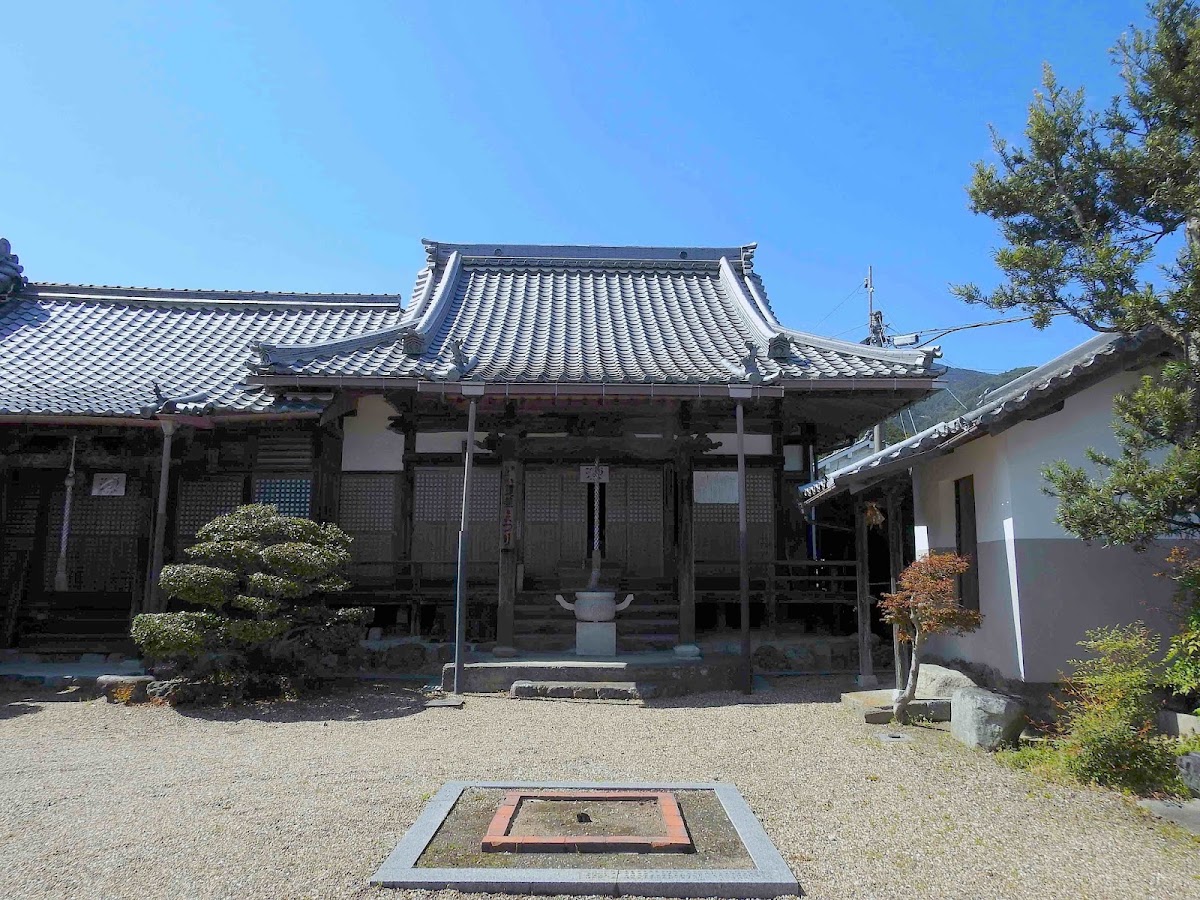
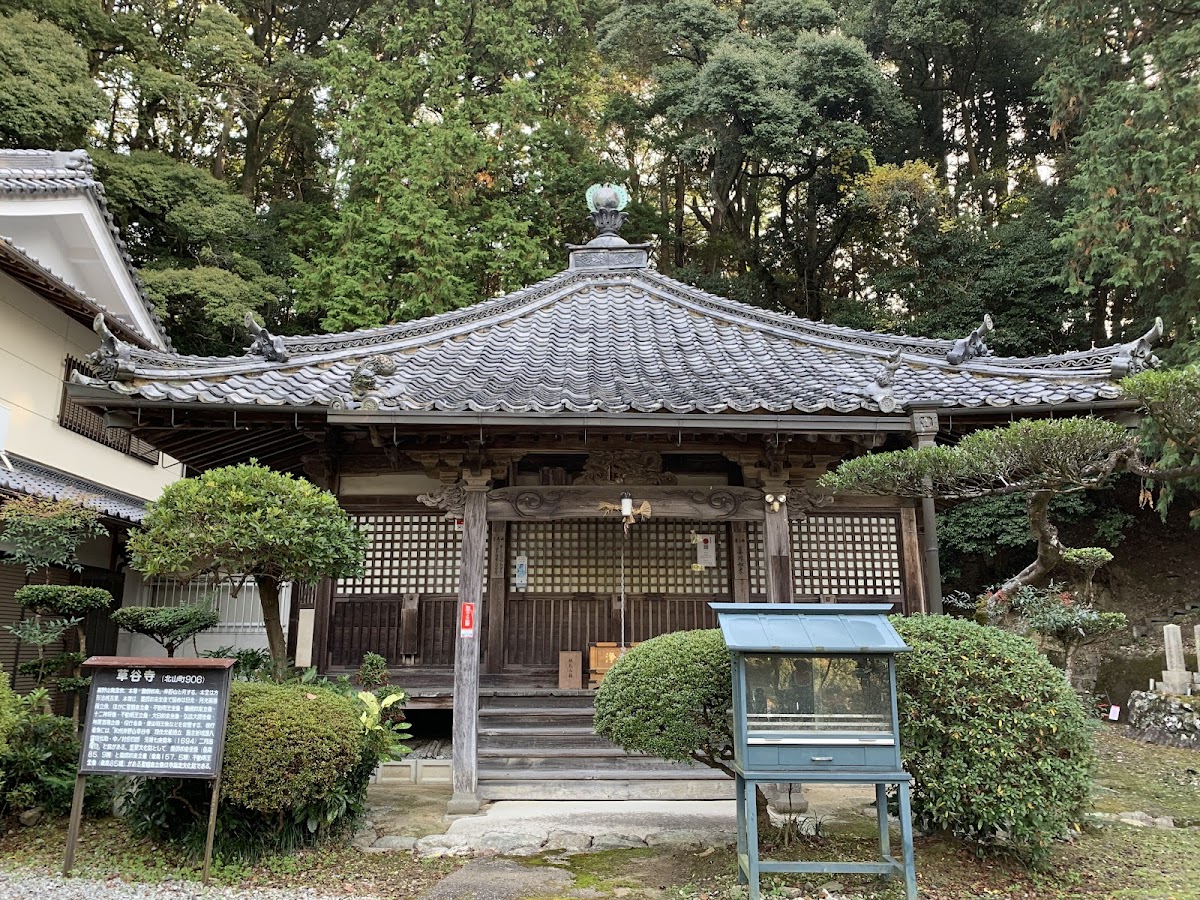
The main hall of Kusatani-ji Temple is built to blend seamlessly into the natural environment on the slopes of Mount Kongo. With its simple yet sturdy construction characteristic of mountain temples, it continues to welcome worshippers even after many years. The temple grounds are surrounded by a deep forest, creating a tranquil atmosphere far removed from the hustle and bustle of the city.
Around the main hall, traces of the ascetic practices of past practitioners remain, allowing visitors to feel the history of this place as a sacred site.
Location and Access to Sokokuji Temple
Basic Information
- Temple Name: Sokokuji Temple
- Mountain Name: Kishinoyama
- Sect: Koyasan Shingon Buddhism
- Location: 906 Kitayama-cho, Gojo City, Nara Prefecture
- Principal Image: Seated statue of Yakushi Nyorai (Important Cultural Property)
- Founder: En no Gyoja
- Established: Late 7th century (tradition)
Access Method
Sokokuji Temple is located on the mountainside of Mount Kongo, in the mountainous area of Kitayama-cho, Gojo City. Public transportation access is limited, so visiting by private car is recommended.
Access by Car:
- From Gojo city center, take National Route 310 or similar towards Kitayama town.
- Using the Gojo Cultural Museum as a landmark makes it easy to find.
- As you will be driving on mountain roads, caution is required.
- It is recommended to check parking availability in advance.
Public Transportation:
- The nearest station is JR Wakayama Line “Gojo Station”.
- Take a taxi or bus from the station.
- As the number of services is limited, please check the timetable in advance.
Nearby Tourist Attractions
When visiting Kusatani-ji Temple, it is recommended to also visit nearby tourist attractions:
- Gojo Cultural Museum: Located near Kusatani-ji Temple, you can learn about the history and culture of Gojo City.
- Mt. Kongo: One of Kansai’s leading sites of mountain worship where you can enjoy mountain climbing and hiking.
- Yoshino River: A beautiful river flowing through Gojo City, where you can enjoy the natural scenery.
- Shinmachi Street: A historical district in Gojo City where the townscape of the Edo period remains.
Visiting Information and Precautions
Regarding Visits
Kusadani-ji Temple is a small temple located in a mountainous area and is not always open to the public. Advance reservations are required for visits. It is especially important to contact the temple in advance if you wish to view the Buddhist statues in the temple’s storage facility.
Please note that if you visit without a reservation, you may only be able to view the exterior of the main hall and temple grounds.
Clothing and Preparations for Your Visit
Kusadani-ji Temple is a mountain temple located on the slopes of Mount Kongo. Please note the following when visiting:
- Comfortable walking shoes: You may need to walk on mountain paths to reach the temple grounds.
- Seasonal clothing: Due to its mountainous location, temperatures may be lower than in urban areas.
- Insect repellent: In summer, there may be many insects in the forested area.
- Weather check: The ground can be slippery in rainy weather.
Regarding Photography
Photography of the temple grounds and building exteriors is generally permitted, but there may be restrictions on photographing cultural properties such as Buddhist statues. Please check the photography policy when making your reservation or upon your visit. ## The Relationship Between Kusaya-ji Temple and Shugendo
As a Center for the Faith of En no Gyoja
Kusaya-ji Temple holds an important position in the history of Shugendo as a temple associated with En no Gyoja. En no Gyoja is a legendary figure said to have practiced asceticism mainly on Mt. Katsuragi and Mt. Kongo, and to have demonstrated many miraculous powers. The founding legend of Kusaya-ji Temple indicates that this region has long been considered an important place for mountain asceticism.
Shugendo is a unique religious form that was formed by the fusion of ancient Japanese mountain worship and Buddhism, especially Esoteric Buddhism. Shugenja (mountain ascetics) sought to gain supernatural powers through ascetic training in rugged mountainous areas. Mountain temples like Kusaya-ji Temple functioned as centers for such training.
Part of the Kongo Mountain Faith Area
Mt. Kongo has long been revered as a sacred mountain, and many Shugenja practiced asceticism there. Kusaya-ji Temple is located at the southeastern foot of Mt. Kongo, occupying an important part of this mountain worship area. Many other Shugendo-related temples and training grounds are scattered around Mount Kongo, and Kusaya-ji Temple has played a unique role within this network.
The legend of the dragon slaying is thought to be a symbolic expression of the theme of confronting the spiritual power of nature in mountain worship. The dragon is a symbol of the spiritual power of water and mountains, and controlling it demonstrated the spiritual power of the Shugendo practitioner.
Seasons and Natural Environment of Kusaya-ji Temple
Spring at Kusaya-ji Temple
In spring, the surrounding forest is enveloped in fresh greenery, creating a vibrant landscape. Cherry blossoms and other flowers bloom, adding color to the tranquil temple grounds. Visiting in spring is recommended, as the harshness of winter has eased and the mountain paths are easier to walk.
Deep Green of Summer
In summer, you can feel the cool air in the forest covered in deep green. Escape the heat of the city and enjoy the refreshing atmosphere unique to a mountain temple. However, it is also a season with many insects, so insect repellent is essential.
Autumn Foliage
In autumn, the area around Mount Kongo is ablaze with beautiful autumn colors. The grounds of Kusaya-ji Temple are also surrounded by colorful trees, offering the most beautiful scenery of the year. As the autumn foliage season sees a surge in visitors, advance reservations are especially important.
Winter Silence
In winter, Kusaya-ji Temple is sometimes covered in snow, enveloping it in even greater silence. Visiting in the harsh cold evokes the ascetic practices of the Shugendo practitioners of the past. During winter, road conditions may deteriorate due to snow and ice, so thorough checks are necessary before visiting.
The Significance of Visiting Kusaya-ji Temple
Experiencing History and Faith
Visiting Kusaya-ji Temple offers more than just sightseeing. You can experience firsthand the tradition of Shugendo, dating back to En no Gyoja, the Buddhist culture inherited from the Heian period, and the history of mountain worship. The Buddhist statues, including the seated Yakushi Nyorai (Medicine Buddha) statue, a designated Important Cultural Property, have received the prayers of people for over a thousand years.
The Value of Mountain Temples in the Modern Age
In modern society, mountain temples like Kusaya-ji Temple serve as spiritual sanctuaries away from the hustle and bustle of urban life. Spending time away from daily life in the tranquil environment surrounded by deep forests provides an opportunity to regain inner peace.
Furthermore, beyond their cultural heritage value, their importance as centers for preserving and passing on local history and traditions to future generations is increasing.
Summary: Planning a Visit to Kusaya-ji Temple
Kusaya-ji Temple is a historic mountain temple associated with En no Gyoja, nestled on the slopes of Mount Kongo in Gojo City, Nara Prefecture. With its collection of precious Buddhist statues, including the important cultural property seated statue of Yakushi Nyorai, the legend of the dragon slaying, and its strong traditions of Shugendo (mountain asceticism), this temple is a valuable place for understanding Japanese religious culture.
When planning your visit, keep the following points in mind:
- Advance reservations are required: Prior contact is absolutely necessary for visits.
- Check access: Due to its mountainous location, access by car is recommended.
- Appropriate clothing and preparation: Wear comfortable shoes suitable for mountain trails and clothing appropriate for the season.
- Combine with surrounding attractions: Consider visiting the Gojo Cultural Museum or Mount Kongo.
- Choose the right season: Spring (when the leaves are fresh) and autumn (when the leaves change color) are particularly recommended.
Kusotani-ji Temple is a valuable temple that conveys the rich Buddhist culture and history of Shugendo (mountain asceticism) of Nara Prefecture. Spending time contemplating over a thousand years of history in this tranquil mountain temple will surely be an unforgettable experience. When visiting Gojo City, be sure to visit this hidden gem.