Jifuku-ji Temple (Gojo City, Nara Prefecture) Complete Guide: The History and Highlights of an Ancient Temple Inheriting Katsuragi Shugendo and the Bodhisattva Hoki
Jifuku-ji Temple, quietly nestled in Kuruno-cho, Gojo City, Nara Prefecture, may appear to be a small mountain temple at first glance, but it is actually an important temple that preserves the history of Katsuragi Shugendo. Having survived the turbulent Meiji era’s separation of Shinto and Buddhism, this temple inherited the Bodhisattva Hoki from the now-abandoned Kongo-san Tenborin-ji Temple, preserving a valuable legacy in Japanese religious history.
This article will introduce the charm of this little-known ancient temple, from its historical background to its current appearance and highlights for visitors.
Basic Information about Jifuku-ji Temple
Official Name: Ushitaki-san Jifuku-ji
Sect: Koyasan Shingon Sect
Mountain Name: Ushitaki-san
Principal Image: Hokki Bodhisattva
Location: Kuruno-cho, Gojo City, Nara Prefecture
Former Name: Kongo-san Gyojabo
Jifuku-ji Temple is located in the mountainous area of Gojo City and was formerly known as “Kongo-san Gyojabo.” As a temple belonging to the Koyasan Shingon sect, it continues to attract local devotion.
History of Jifuku-ji Temple: Deep Relationship with Kongo-san Tenborin-ji Temple
Origin of Founding
Unfortunately, the exact founding date and origin of Jifuku-ji Temple are unclear. However, since it was formerly called “Kongo-san Gyojabo,” it is presumed to have functioned as one of the training grounds for Shugendo in the Katsuragi mountain range. The temple’s mountain name, “Ushiyakiyama,” is thought to originate from the region’s topography and legends, reflecting its character as a sacred site where Shugendo practitioners trained.
The Impact of the Meiji Restoration and the Separation of Shinto and Buddhism
The most important turning point in the history of Jifuku-ji Temple was the Shinto-Buddhist separation policy in the early Meiji era.
The Shinto-Buddhist Separation Order, issued in 1868 (Meiji 1), had a significant impact on temples and shrines throughout Japan. In particular, Shugendo was deemed “neither Shinto nor Buddhism,” and the Shugendo sect itself was abolished in 1872 (Meiji 5).
The temple most strongly affected by this policy was Kongosan Tenborin-ji, which flourished as the head temple of Katsuragi Shugendo. Located near the summit of Mount Kongo (1,125m above sea level), Tenborin-ji, a sacred site associated with En no Gyoja (En no Ozunu), boasted a long history, but was forced to close due to the Shinto-Buddhist Separation Order.
Relocation of the Bodhisattva Hoki
In August 1871 (Meiji 4), the principal image, the Bodhisattva Hoki, was moved from the now-defunct Tenborinji Temple on Mount Kongo to Jifukuji Temple. This relocation marked a new role for Jifukuji Temple as a temple inheriting the lineage of Katsuragi Shugendo.
The Bodhisattva Hoki is a special Buddha said to have been perceived by En no Gyoja, and was an extremely important object of worship in Katsuragi Shugendo. Protecting and passing on this statue has significance beyond mere preservation of a Buddhist image; it represents the transmission of the very spirit of Katsuragi Shugendo to future generations.
Inheritance of the Lotus Festival
Along with the relocation of the Bodhisattva Hoki, Jifukuji Temple also inherited the Lotus Festival, which had been held at Tenborinji Temple on Mount Kongo.
The Lotus Festival is an important memorial service held on the 7th day of the 6th month of the lunar calendar (currently around 7th July in the Gregorian calendar), the anniversary of En no Gyoja’s death. This festival commemorates En no Gyoja and includes rituals to pass on the teachings of Shugendo. The fact that Jifuku-ji Temple has continued to preserve this festival, which was once celebrated grandly on Mount Kongo, is highly significant from the perspective of cultural heritage preservation.
The Role of Jifuku-ji Temple and Katsuragi Shugendo
What is Katsuragi Shugendo?
Katsuragi Shugendo is a branch of Shugendo practiced in the Katsuragi mountain range, which straddles the border between Nara and Osaka prefectures. This region, where the founder, En no Gyoja (En no Ozunu, c. 634–c. 701), is said to have been born and raised, is known as the “birthplace of Shugendo.”
The training paths connecting sacred peaks such as Mount Kongo, Mount Katsuragi, and Mount Yamato Katsuragi have nurtured many Shugendo practitioners, making them an important training ground alongside the Omine mountain range in Yoshino.
Cultural Properties Constituting the Japanese Heritage Site “Katsuragi Shugendo”
Jifuku-ji Temple is designated as one of the cultural properties constituting the Japanese Heritage Site “Katsuragi Shugendo – The Birthplace of Shugendo, Protected and Passed Down Together with the Villagers,” which was certified in 2017.
This Japanese Heritage site includes approximately 30 cultural properties related to Katsuragi Shugendo, such as temples, shrines, training grounds, and festivals. Among them, Jifuku-ji Temple is positioned as an important temple that inherits the lineage of Kongozan Tenborin-ji Temple.
Several municipalities surrounding the Katsuragi mountain range, including Gojo City, Gose City, and Chihayaakasaka Village in Osaka Prefecture, cooperate to protect and pass down this cultural heritage.
Jifuku-ji Temple Grounds and Highlights
Main Hall and Hokki Bodhisattva
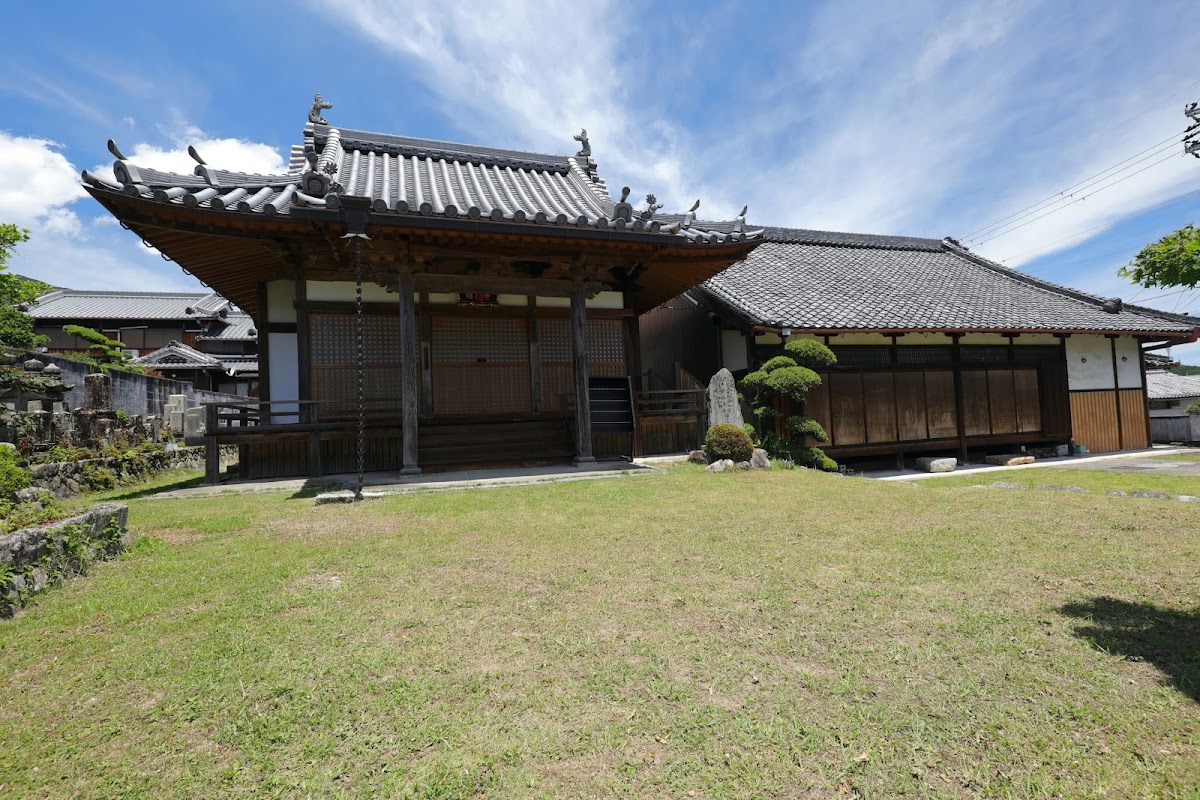
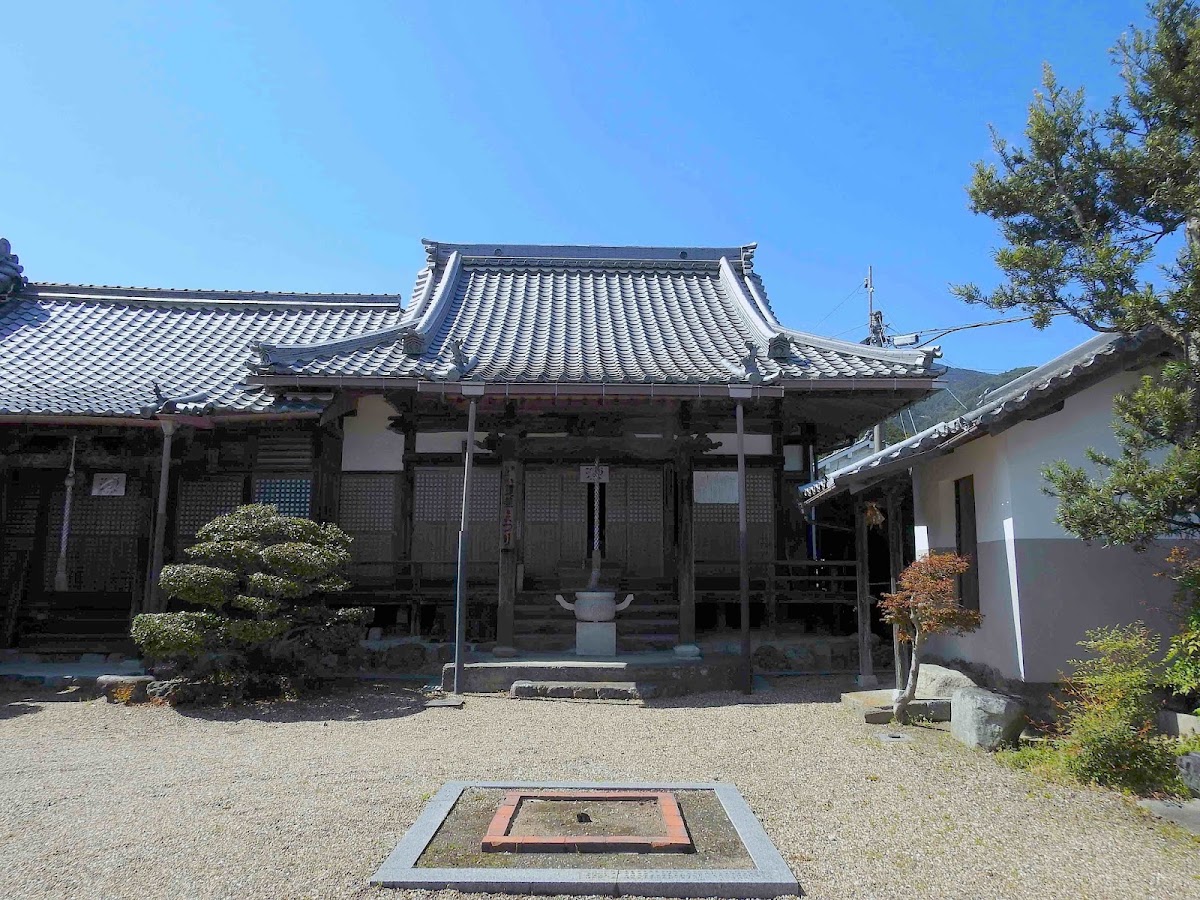
The heart of Jifuku-ji Temple is the main hall, which houses the Hokki Bodhisattva.
The Hokki Bodhisattva is considered a hidden Buddha and is not usually open to direct viewing, but it is sometimes unveiled on special occasions such as the Renge Festival. This Bodhisattva statue is said to be a revered image that En no Gyoja perceived during his ascetic training on Mount Kongo. It holds profound significance in Shugendo (Japanese mountain asceticism), representing the “origin of the Dharma.”
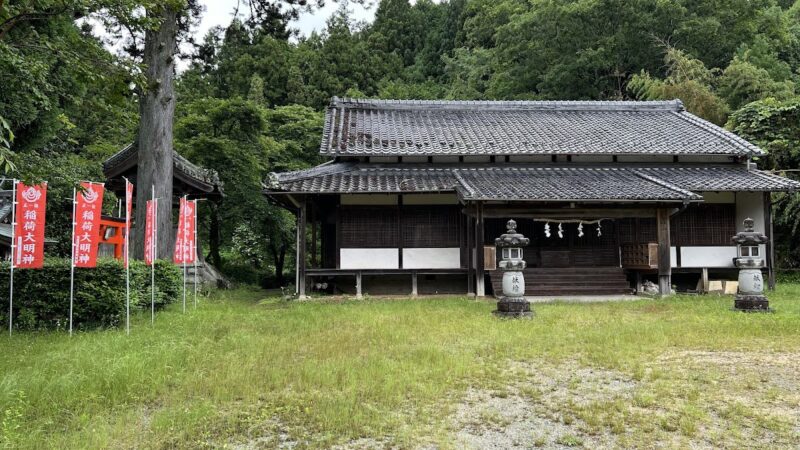
The main hall stands in a quiet mountain setting, conveying a solemn atmosphere befitting a sacred site of Shugendo to visitors.
Atmosphere of the Temple Grounds
The grounds of Jifuku-ji Temple are situated in a naturally rich environment, taking advantage of its location in the mountainous area of Gojo City. The tranquil space, surrounded by forests, still conveys the atmosphere of a sacred site where Shugendo practitioners once trained.
In spring, the fresh greenery; in autumn, the vibrant autumn leaves—you can feel the changing seasons, making it a place where you can escape the hustle and bustle of the city and pray in peace.
Stone Monuments and Memorials
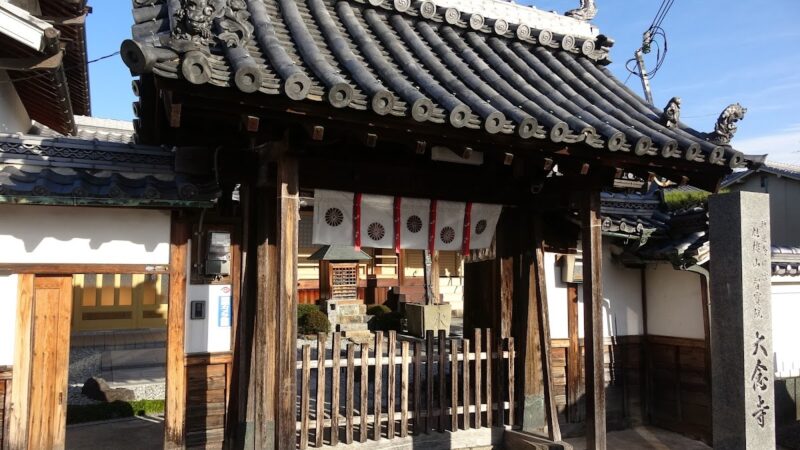
Within the temple grounds, there are stone monuments indicating the relationship with Kongo-san Tenborin-ji Temple, as well as explanatory plaques about Katsuragi Shugendo. Reading these will allow you to gain a deeper understanding of the historical role that Jifuku-ji Temple has played.
Renge Festival: A Traditional Event Commemorating En no Gyoja
Origin and Dates of the Festival
The Renge Festival is a memorial service held on the 7th day of the 6th month of the lunar calendar, the anniversary of En no Gyoja’s death. Currently, it is often held around July 7th, according to the Gregorian calendar, and is attended by local residents and those involved in Shugendo (mountain asceticism).
This festival was originally held grandly at Kongozan Tenborinji Temple, where Shugendo practitioners in mountain ascetic attire gathered to perform Goma fire rituals and chanting. Even after being taken over by Jifukuji Temple, the tradition has been carefully preserved.
Festival Contents
The Renge Festival centers around a memorial service for Hokki Bodhisattva, and also includes a memorial service in gratitude to En no Gyoja. The sounds of Goma fire, chanting, and conch shell blowing resonate, allowing visitors to experience traditional Shugendo rituals.
Visitors can commemorate the virtues of En no Gyoja and gain a valuable opportunity to experience the spirit of mountain worship and Shugendo. ## Access and Visiting Information for Jifuku-ji Temple
Location
Address: Kuruno-cho, Gojo City, Nara Prefecture
Access Methods
Access by Train:
- The nearest station is Gojo Station on the JR Wakayama Line.
- It is convenient to use a taxi or rental car from the station.
- Access by public transport alone is difficult, so we recommend visiting by car.
Access by Car:
- Approximately 20-30 minutes from Gojo IC on the Keina-Wa Expressway.
- Access via Prefectural Road from National Route 24.
- As it is in a mountainous area, we recommend checking your car navigation settings in advance.
Precautions During Visits
- Jifuku-ji Temple is a small temple, so we recommend checking visiting hours in advance.
- Visits are quiet outside of the Renge Festival.
- As it is located in a mountainous area, appropriate clothing and preparations for the season are necessary.
- Please follow the instructions on the temple grounds regarding photography.
History and Tourist Spots of Gojo City
Overview of Gojo City
Gojo City is located in the southwestern part of Nara Prefecture and has flourished as a transportation hub since ancient times. The townscape, which developed along the Yoshino River (Kinokawa River), retains many historical sights, including Shinmachi Street, which preserves the atmosphere of the Edo period.
Nearby Tourist Attractions
When visiting Jifuku-ji Temple, we recommend also visiting other tourist attractions in Gojo City.
Eizan-ji Temple: An ancient temple known for its National Treasure octagonal hall, and associated with the Fujiwara Nanke family.
Kano Imperial Palace Site: The site where the sons of Emperor Go-Daigo resided during the Nanboku-cho period, a historically important site.
Shinmachi Street: An old townscape lined with Edo-period townhouses, designated as an Important Preservation District for Groups of Traditional Buildings.
Mt. Kongo: Mt. Kongo, which has a deep connection to Jifuku-ji Temple, is a sacred mountain towering on the border with Osaka Prefecture, offering opportunities for climbing and hiking.
Cultural Value of Jifuku-ji Temple
Importance in the History of Shugendo
The cultural value of Jifuku-ji Temple lies not merely in its status as an ancient temple, but in its role as a “living witness” that conveys the history of Japanese religion, particularly the history of Shugendo.
Amidst the wave of modernization brought about by the Meiji Restoration, many temples and shrines related to Shugendo disappeared. In this context, the existence of Jifuku-ji Temple, which inherited the lineage of Kongozan Tenborin-ji Temple, serves as a valuable window to convey a part of this lost history to the present day.
Preservation of Regional Culture
Jifuku-ji Temple also plays an important role in the regional culture of Gojo City. Through traditional events such as the Renge Festival, it functions as a place that connects local residents with the history of Shugendo.
While preserving such cultural heritage in mountainous areas facing depopulation is not easy, its value is being re-recognized through designations such as its designation as a Japan Heritage site.
A Journey Through the Katsuragi Shugendo
Visiting the Sacred Sites of Shugendo
Starting from Jifuku-ji Temple, a journey through the sacred sites of Katsuragi Shugendo offers a valuable experience for deeply understanding Japanese spiritual culture.
The training paths known as the “Katsuragi Twenty-Eight Stations,” connecting sacred peaks such as Mount Kongo, Mount Katsuragi, and Mount Yamato Katsuragi, are still maintained as hiking trails, allowing you to follow in the footsteps of the Shugendo practitioners of the past.
Places Associated with En no Gyoja
The Katsuragi mountain range is dotted with many places associated with En no Gyoja, including Gose City, considered his birthplace; Mount Kongo, where he trained; and temples like Jifuku-ji Temple, which continue to preserve the faith in En no Gyoja.
By visiting these places, you can experience firsthand the footsteps of En no Gyoja, who was active over 1300 years ago, and the path by which his teachings have been passed down to the present day.
Summary: The Weight of History Conveyed by Jifuku-ji Temple
Jifuku-ji Temple in Gojo City, Nara Prefecture, is not a large temple. However, within its small buildings, the history of Katsuragi Shugendo, preserved through the turbulent times of the Meiji Restoration, breathes life into the temple.
The Bodhisattva Hoki, inherited from Kongozan Tenborin-ji Temple, and the traditional Lotus Festival are not merely relics of the past, but precious assets that convey the richness of Japanese spiritual culture to us living in the modern age.
If you have the opportunity to visit Gojo City, please do visit Jifuku-ji Temple and reflect on the history of Katsuragi Shugendo in its tranquil grounds. There, a profound story of Japanese religious history awaits you, one that you won’t find in tourist guidebooks.
Jifuku-ji Temple, which plays a part in the Japanese Heritage site “Katsuragi Shugendo,” will continue to pass on the tradition of Shugendo to future generations together with the local people. This quiet activity is the surest way to protect our cultural heritage.