Fukutoku-ji Temple (Gojo City, Nara Prefecture) Complete Guide | History, Access, and Visiting Information
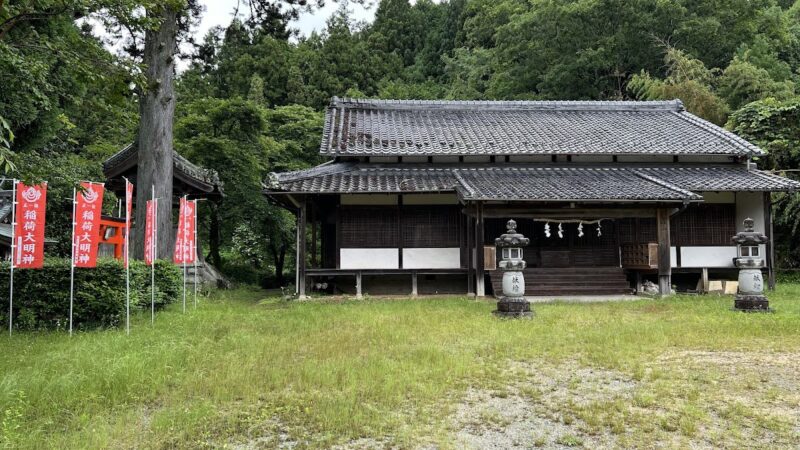
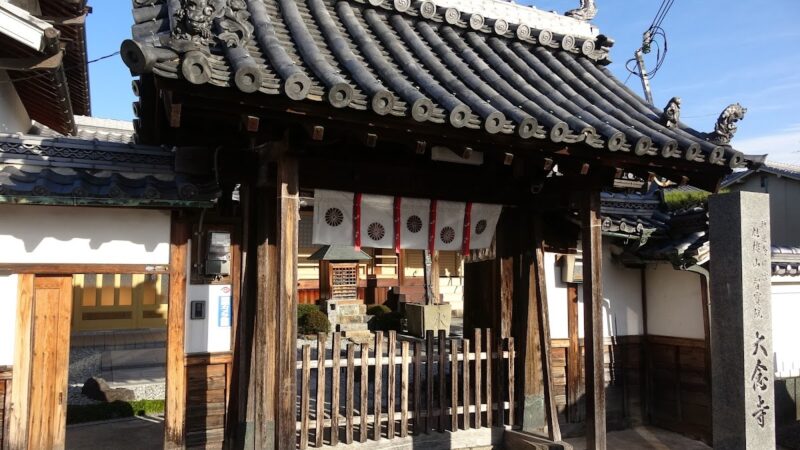
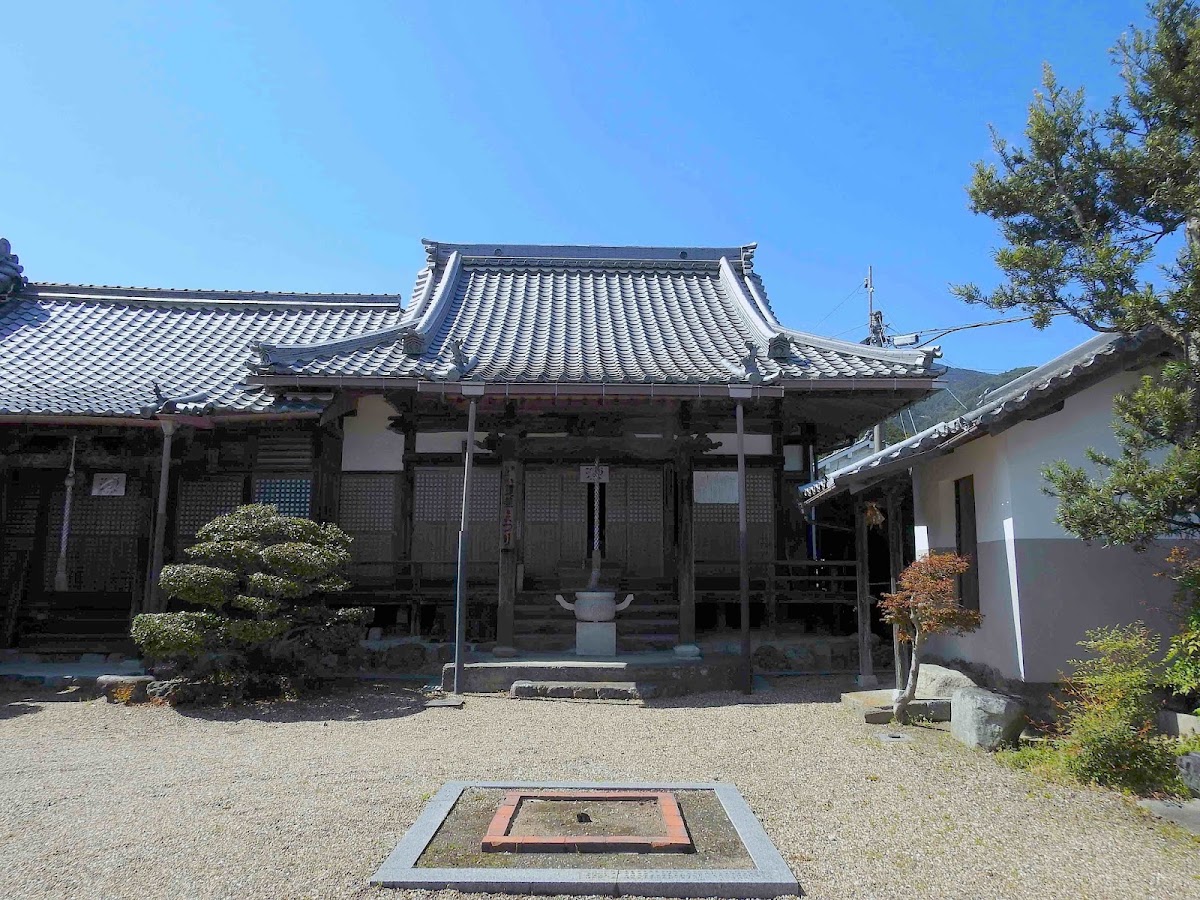
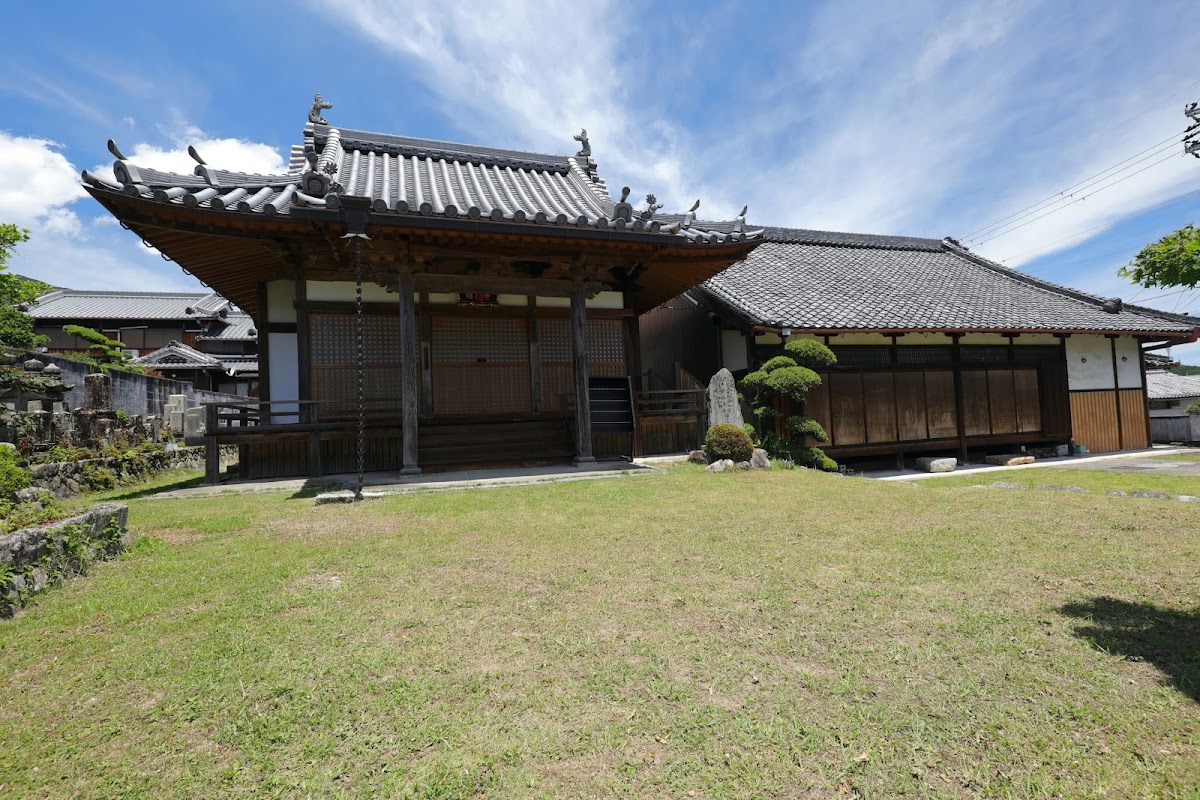
Fukutoku-ji Temple, located in Konai-cho, Gojo City, Nara Prefecture, is a historic temple belonging to the Koyasan Shingon sect. Gojo City is located in the southwestern part of Nara Prefecture and is known for its rich natural environment along the Yoshino River basin. This article provides a comprehensive guide to Fukutoku-ji Temple, along with the historical background of Gojo City and surrounding attractions.
Basic Information about Fukutoku-ji Temple
Fukutoku-ji Temple is a Shingon Buddhist temple located at 630 Konai-cho, Gojo City, Nara Prefecture. The Shingon sect is a Buddhist sect founded by Kobo Daishi Kukai and continues to uphold the tradition of esoteric Buddhism with Koyasan as its head temple.
Location and Contact Information
- Address: 630 Konai-cho, Gojo City, Nara Prefecture
- Sect: Koyasan Shingon Buddhism
- Region: Konai-cho area, Gojo City
Konai-cho is located in a quiet area slightly away from the center of Gojo City, surrounded by a peaceful rural landscape.
About Koyasan Shingon Buddhism
Fukutoku-ji Temple belongs to the Koyasan Shingon Buddhism, one of the important sects in Japanese Buddhism. Shingon Buddhism is based on esoteric Buddhism and teaches the doctrine of attaining Buddhahood in this lifetime. The teachings of esoteric Buddhism, brought back from Tang China by Kobo Daishi Kukai, have had a significant influence on Japanese Buddhist culture.
Characteristics of Shingon Buddhism
Shingon Buddhist temples often enshrine Dainichi Nyorai as their principal deity, and esoteric Buddhist rituals such as Goma fire rituals and incantations are performed. Furthermore, the teachings center on gaining the merits of Buddha by chanting mantras. It is believed that traditional Shingon Buddhist rituals and ceremonies are also performed at Fukutoku-ji Temple.
History and Cultural Background of Gojo City
Gojo City, where Fukutoku-ji Temple is located, has flourished since ancient times as a transportation hub connecting Yamato Province and Kii Province. Situated in the Yoshino River (Kinokawa River) basin, it has historically played an important role as a gateway to the Yoshino Mountains.
Historical Importance of Gojo City
Gojo City boasts numerous valuable historical resources, including temples with national treasures and important cultural properties such as Eizan-ji Temple, the Anou Imperial Palace ruins, and the Otomiya Ruins Monument. It is also known as the place where Emperor Go-Daigo established a temporary palace during the Nanboku-cho period, making it a region that played a significant role in Japanese history.
Regional Characteristics
Gojo City is located in the southwestern part of Nara Prefecture, bordering Gose City and Osaka Prefecture to the north, Nosegawa Village and Wakayama Prefecture to the west, and Yoshino District to the south and east. Blessed with a rich natural environment and boasting tourist attractions such as the Kano Plum Grove, Gojo City has developed as a central city in the Nanwa region.
How to Access Fukutoku-ji Temple
This section provides detailed information on how to access Fukutoku-ji Temple.
Access by Public Transportation
The nearest major station to Gojo City is Gojo Station on the JR Wakayama Line. From Gojo Station, you will need to use a local bus or taxi. However, since the Konai-cho area is located away from the city center, it is recommended to check transportation options in advance.
Main Route:
- Get off at JR Wakayama Line “Gojo Station”
- Take a bus or taxi from the station towards Konai-cho
Access by Car
Visiting by car is the most convenient option. Gojo City is served by major roads such as National Route 24 and National Route 168, making it easily accessible from Osaka and Wakayama.
Main Route:
- From the Gojo Interchange on the Keina-Wa Expressway, take the general road.
- Take National Route 24 towards Konai-cho.
We recommend checking with the temple in advance regarding parking availability.
Characteristics of the Konai-cho Area
Konai-cho, where Fukutoku-ji Temple is located, is a naturally rich area within Gojo City. Fields and farmlands spread out around the area, allowing visitors to enjoy the scenery of each season.
Local Life and Culture
Agriculture has been practiced in the rural areas of Gojo City, including Konai-cho, since ancient times. Persimmon cultivation is particularly thriving, and Nara Prefecture is known as one of the leading persimmon producing regions in Japan. Plum cultivation is also carried out, and the Kano Plum Grove is a popular spring tourist attraction.
Major Temples and Shrines in Gojo City
Besides Fukutoku-ji Temple, Gojo City has many other historically important temples and shrines.
Eizanji Temple
Eizanji Temple is a representative ancient temple of Gojo City, known for its National Treasure, the Octagonal Hall (with its temple bell). It is said to have been founded by Fujiwara Muchimaro, and preserves valuable buildings and cultural assets from the Nara period.
Other Temples
Gojo City also has numerous temples of denominations other than Shingon Buddhism, such as the Jodo-shu and Jodo Shinshu sects. Each temple serves as a center of faith in the region, cherished by its parishioners and local residents.
Points to Note and Manners When Visiting
Please note the following points when visiting Fukutokuji Temple.
Basic Etiquette for Visiting a Temple
- Attire: Avoid revealing clothing and wear modest attire when visiting a temple.
- Photography: Permission may be required to take photographs on the temple grounds.
- Quietness: Please be quiet on the temple grounds and be considerate of other visitors.
- Offering: If you request prayers or blessings, please offer an appropriate offering.
Things to Check Beforehand
- Visiting Hours: It is recommended to check the visiting hours in advance.
- Memorial Service Schedule: General visits may be restricted on days with major memorial services.
- Contact Information: It is advisable to call and confirm before visiting.
Tourist Attractions Around Gojo City
Here are some tourist attractions in Gojo City that you might want to visit along with Fukutoku-ji Temple.
Anou Plum Grove
This is one of the leading plum groves in Western Japan, with approximately 20,000 plum trees planted. From late February to late March, the sight of the mountain slopes adorned with white and pink plum blossoms is breathtaking.
Shinmachi Street
This is a historical townscape with Edo-period townhouses remaining. It has been designated as an Important Preservation District for Groups of Traditional Buildings, and it still conveys the atmosphere of that time.
Yoshino River (Kinokawa River)
The Yoshino River, which flows through Gojo City, changes its name to the Kinokawa River when it enters Wakayama Prefecture. A promenade is maintained along the river, allowing visitors to enjoy walks and cycling.
Yamamoto Honke
Known as a local sake brewery, it also has facilities where you can take a tour and sample sake. Recommended for those who want to taste Gojo City’s local sake.
Gojo City’s Annual Events and Festivals
Gojo City holds various events and festivals throughout the year.
Spring Events
- Kano Plum Blossom Viewing: Late February to late March
- Cherry Blossom Festival: Early April
Summer Events
- Yoshino River Festival: A local festival held in summer
- Fireworks Display: A beloved summer tradition for local residents
Autumn Events
- Persimmon Festival: A festival celebrating persimmons, a specialty product of Gojo City
- Autumn Leaf Viewing: The season to enjoy the autumn foliage of the Yoshino Mountains
Winter Events
- New Year’s Visit: Celebrating the New Year at shrines and temples in the city
Gojo City’s Specialty Products and Cuisine
When visiting Gojo City, enjoying local specialty products and cuisine is one of the pleasures.
Persimmons
Nara Prefecture boasts the highest persimmon production in Japan, and Gojo City is one of its major production areas. In particular, varieties such as “Fuyu Persimmon” and “Tone Wase” are cultivated here.
Pickled Plums
Pickled plums made from plums cultivated in the Kano area are a traditional local product.
Local Sake
Sake brewed with the clear waters of the Yoshino River is a proud specialty of Gojo City.
Persimmon Leaf Sushi
Persimmon leaf sushi, a local dish of Nara Prefecture, can also be enjoyed in Gojo City.
Accommodation in Gojo City
If you are considering accommodation around Gojo City, there are several options.
Hotels and Ryokans
There are several business hotels and ryokans in the city center, which can be used as a base for sightseeing.
Guesthouses and Minshuku (Japanese-style inns)
For those who want to experience local life, guesthouses and Minshuku are also recommended.
Hot Spring Facilities
There are also hot spring facilities in the surrounding area, allowing you to enjoy hot springs in conjunction with sightseeing.
Access to Gojo City (Wide Area)
Gojo City is relatively easy to access from major cities in the Kansai region.
From Osaka
- Train: Approximately 1 hour 30 minutes from JR Osaka Station on the Wakayama Line
- Car: Approximately 1 hour 30 minutes via the Hanwa Expressway and Keina-Wa Expressway
From Kyoto
- Train: Approximately 2 hours from Kyoto Station via Kintetsu and JR
- Car: Approximately 1 hour 30 minutes via the Keina-Wa Expressway
From Wakayama
- Train: Approximately 1 hour from JR Wakayama Station on the Wakayama Line
- Car: Approximately 1 hour via National Route 24
Fukutoku-ji Temple and the Local Community
Fukutoku-ji Temple, as a local temple, has deep ties to the surrounding community, including Konnai-cho.
The Danka System
Many Buddhist temples in Japan are supported by the Danka system, and Fukutoku-ji Temple is also believed to be maintained by its local parishioners. Temple parishioners have a relationship with the temple through funerals and memorial services, playing an important role in supporting the temple’s operation.
Participation in Local Events
Local temples often participate not only in Buddhist events such as Obon and Higan, but also in local festivals and events, playing a role in deepening community ties.
Buddhist Services and Rituals at Shingon Temples
Shingon temples like Fukutoku-ji perform various Buddhist services and rituals.
Main Buddhist Services
- Monthly Service: A service held on a fixed day each month.
- Obon Service: An important summer event to commemorate the spirits of ancestors.
- Higan Service: A service held mainly around the spring and autumn equinoxes.
- Annual Memorial Service: A memorial service held on the anniversary of the deceased’s death.
Goma Ritual
The Goma ritual, a characteristic ritual of Shingon Buddhism, is an esoteric Buddhist ceremony in which prayers are offered while burning fire. This ritual is performed to ward off misfortune and fulfill wishes.
About Cemeteries and Burial Grounds
Many temples have cemeteries on their grounds or adjacent land. Fukutoku Tora may also have a cemetery for its parishioners.
Characteristics of Temple Cemeteries
Temple cemeteries are available to those who become parishioners of that temple. A major feature is the attentive memorial services provided by the temple.
Consultations Regarding Graves
You can consult directly with the temple regarding the construction of graves or the closure of graves. In recent years, the number of people considering closing graves due to issues such as succession has increased, and temples are providing various guidance and support.
Future Prospects for Gojo City
Gojo City is promoting tourism by utilizing its historical resources and developing the community while protecting its rich natural environment.
Tourism Promotion
The Gojo City Tourism Association is leading activities to attract visitors by utilizing the city’s tourism resources. In addition to existing tourist spots such as Kano Plum Grove and Shinmachi Street, efforts are underway to discover new attractions.
Regional Revitalization
Facing challenges such as population decline and an aging society, Gojo City is undertaking various initiatives, including promoting migration and stimulating local industries.
Summary
Fukutoku-ji Temple, located in Konai-cho, Gojo City, Nara Prefecture, is a Shingon Buddhist temple of the Koyasan sect, playing an important role in supporting the region’s faith and culture. Gojo City is blessed with historical resources and abundant nature, and a visit to Fukutoku-ji Temple will be more fulfilling if you also explore the surrounding tourist spots and local culture.
When planning your visit, it is recommended to contact the temple in advance to confirm visiting hours and service dates. Furthermore, when visiting Gojo City, you can gain a deeper understanding of the region’s charm by also visiting other notable places such as Kano Plum Grove and Eizan-ji Temple.
We hope that Fukutoku-ji Temple and its surrounding area will be a peaceful and enjoyable place to visit for everyone.