Complete Guide to Fudoji Temple (Gose City, Nara Prefecture) | Visiting a Hidden Sacred Site on the Katsuragi Ancient Road
Located at the foot of Mt. Katsuragi in Gose City, Nara Prefecture, Fudoji Temple is a quiet temple frequented by those walking the Katsuragi Ancient Road. Nestled amidst the mountains of Yamato, this area has been known since ancient times as a sacred site for Shugendo (mountain asceticism), and Fudoji Temple has long been a beloved center of faith for the local people. This article comprehensively introduces everything you need to know before visiting Fudoji Temple, from its history and highlights to access information and surrounding tourist attractions.
What is Fudoji Temple? | A Quiet Sacred Site at the Foot of Mt. Katsuragi
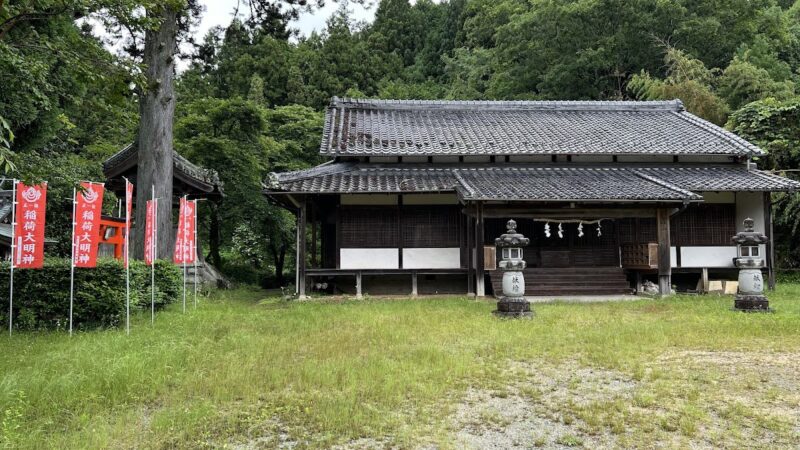
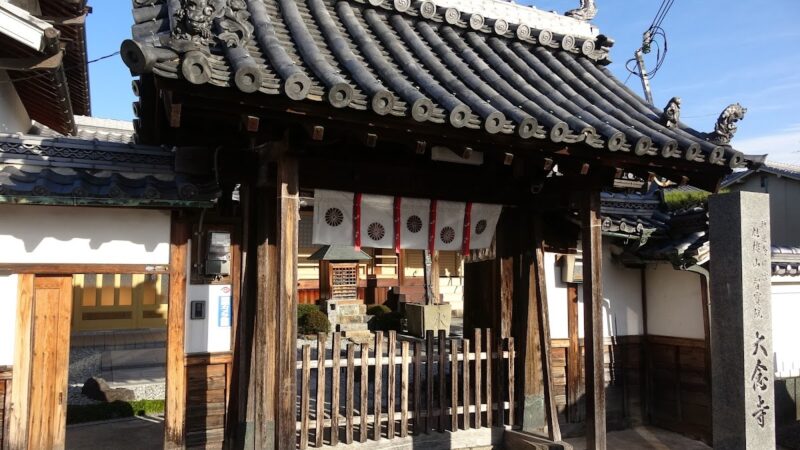
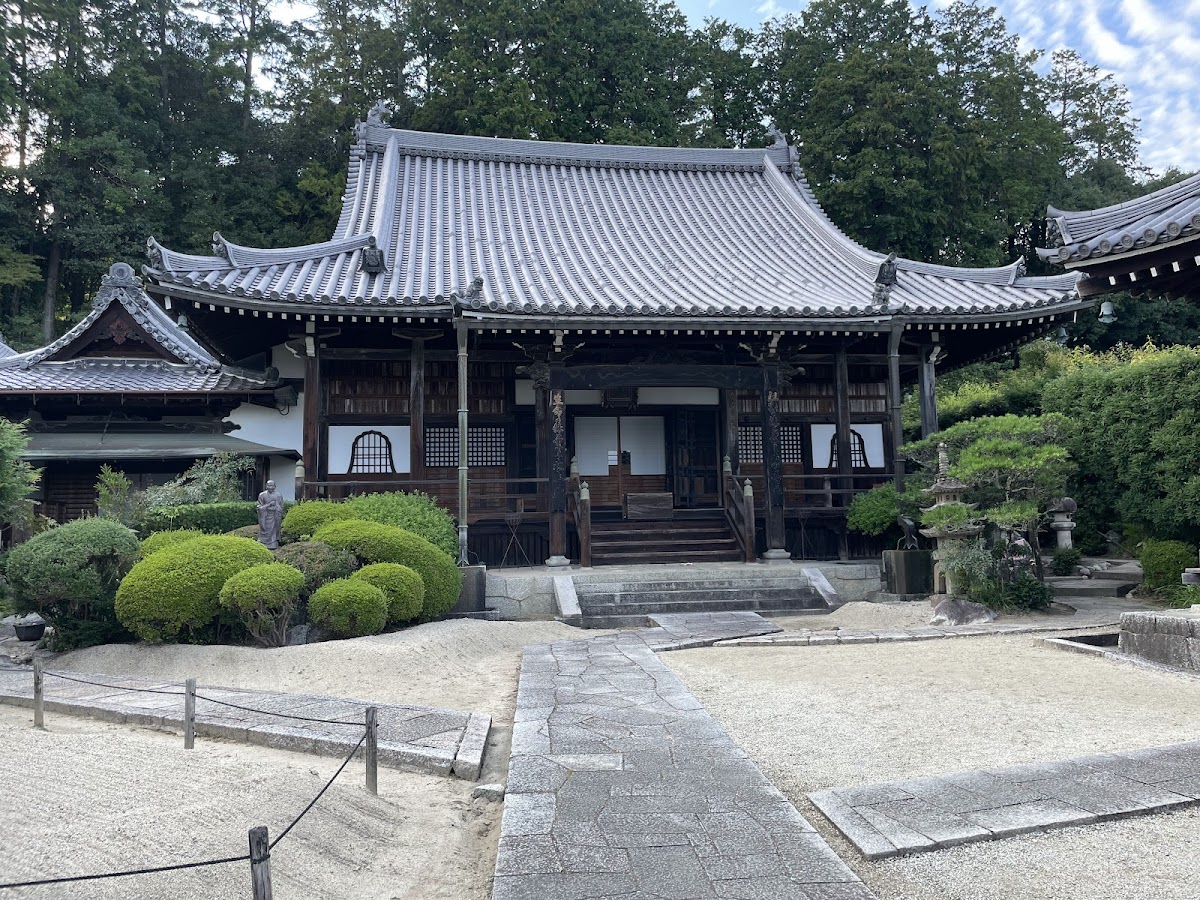
Fudoji Temple is located at 987 Kushira, Gose City, Nara Prefecture, and is built along the Katsuragi Ancient Road. Surrounded by the rich natural beauty of the Katsuragi mountain range, this temple, though unpretentious, is known for offering visitors a profound sense of spirituality and tranquility.
Connection to the Katsuragi Ancient Road
The Katsuragi Ancient Road is an ancient path that traverses the foothills from Mount Kongo to Mount Katsuragi. It was once a sacred route walked by ascetic monks for their training. Fudoji Temple, as an important point along this ancient road, has served as a resting and prayer site for travelers and monks. Today, it is a quiet spot visited by people enjoying hiking and walking along the ancient road.
Characteristics of the Temple
The most distinctive feature of Fudoji Temple is its location and natural environment. Its geographical location at the foot of Mount Katsuragi imbues the temple with a unique spiritual atmosphere. Surrounded by lush forests, visitors can experience the changing seasons. Especially during the autumn foliage season, the temple grounds are enveloped in beautiful colors.
History and Origins of Fudoji Temple
The exact founding date of Fudoji Temple is unclear due to limited existing historical records, but it is believed to be deeply connected to the history of Shugendo (mountain asceticism) in the Katsuragi mountain range.
Relationship with Shugendo
Mount Katsuragi has been known as a sacred site of Shugendo since ancient times, and is famous as the place where En no Gyoja (En no Ozunu) practiced asceticism. Fudoji Temple has also been a part of this Shugendo tradition, attracting worshippers with Fudō Myōō as its principal deity. Fudō Myōō is an important Buddhist deity in Esoteric Buddhism, believed to have the power to sever worldly desires and save all sentient beings.
Connections with the Community
For the people of Gose City, including the Kushira district, Fudoji Temple has been both a center of faith and a spiritual pillar of the local community. In this region, where agriculture was once thriving, it has a long history of being a place where people prayed for abundant harvests and family safety.
Highlights of Fudoji Temple
Here are some points to note when visiting Fudoji Temple.
Main Hall and Statue of Fudō Myōō
The main hall is the heart of Fudoji Temple. The Fudo Myoo statue enshrined here forms the core of the temple’s faith. Fudo Myoo is depicted holding a sword in his right hand and a lasso in his left, symbolizing the severing of worldly desires and the salvation of lost beings.
Natural Environment of the Temple Grounds
The grounds of Fudoji Temple are surrounded by the rich natural beauty of the foothills of Mt. Katsuragi. Visitors can enjoy the beauty of each season: fresh greenery in spring, deep green in summer, vibrant autumn leaves, and a serene snowscape in winter. Especially during the autumn foliage season, the maple and ginkgo trees on the grounds turn vibrant colors, captivating visitors.
Stone Buddhas and Stone Monuments
Ancient stone Buddhas and stone monuments are scattered throughout the temple grounds, telling the story of its long history. These stone structures are valuable cultural assets that convey the depth of faith of the local people.
Views
From Fudoji Temple, there are spots where you can enjoy a panoramic view of the plains of Gose City. On a clear day, you can enjoy views of the vast Yamato Basin and the distant mountains, truly appreciating the historical significance of this area as a transportation hub since ancient times.
Access to Fudoji Temple
The main ways to access Fudoji Temple are by car or on foot (hiking).
Access by Car
Nearest Interchange:
- Approximately 20 minutes from the Minami-Hanna Expressway “Katsuragi IC”
- Approximately 25 minutes from the Keina-Wa Expressway “Gosho IC”
Parking Information:
Fudoji Temple does not have its own parking lot, but you can use the parking lots around the Katsuragiyama Ropeway Station. From there, you will need to walk to the temple.
Access by Public Transportation
Train and Bus:
- Get off at Kintetsu Gosho Station on the Kintetsu Gosho Line.
- From the station, take a taxi for about 20 minutes, or take a Nara Kotsu bus bound for “Katsuragi Ropeway-mae”.
- From the bus stop, walk for about 30-40 minutes.
Access by Walking the Katsuragi Ancient Road
Many people visit Fudoji Temple as part of a hike along the Katsuragi Ancient Road.
Recommended Route:
- Start from Kintetsu Gosho Station or Kintetsu Shinomi Station.
- Via Takakamo Shrine, Hashimoto-in Temple, etc., to Fudoji Temple.
- Estimated time: Approximately 2-3 hours (including breaks).
The Katsuragi Ancient Road is a relatively well-maintained hiking course, but it also includes mountain trails, so we recommend wearing comfortable shoes and clothing.
Tourist Spots Around Fudoji Temple
When visiting Fudoji Temple, you can enjoy the charm of Gosho City more deeply by also visiting the surrounding tourist spots.
Mt. Katsuragi
Mt. Katsuragi, at an elevation of 959m, can be reached to the summit by ropeway. From the summit, you can enjoy a panoramic view of the Yamato Basin, and in spring, the clusters of azaleas are magnificent. The Katsuragi Mountain Ropeway is within walking distance from Fudoji Temple.
Takakamo Shrine
This ancient shrine, considered the head shrine of all Kamo (or Kamo) shrines nationwide, is located in Kamogami, Gose City. It can be reached by heading south along the Katsuragi Ancient Road from Fudoji Temple. The grounds are filled with giant trees hundreds of years old, creating a sacred atmosphere.
Kuhonji Temple
This ancient temple, believed to have been founded during the Nara period, is pronounced “Kuhonji.” Located in Narahara, Gose City, it is known for its thousand stone Buddha statues. It is about a 15-minute drive from Fudoji Temple.
Kichijosoji Temple
This temple is considered the birthplace of En no Gyoja (En no Ozunu) and is known as a sacred site of Shugendo (mountain asceticism). Like Fudoji Temple, this temple is deeply connected to the history of Shugendo (mountain asceticism).
Other Temples and Shrines Along the Katsuragi Ancient Road
Besides Fudoji Temple, many other temples and shrines are scattered along the Katsuragi Ancient Road:
- Hashimoto-in (Takatenji): A base for Katsuragi Shugendo
- Gokurakuji: A quiet mountain temple
- Hitokotonushi Shrine: A shrine said to grant one wish
Hiking along the ancient road to visit these places offers a luxurious experience where you can enjoy history and nature simultaneously.
Best Season to Visit Fudoji Temple
Fudoji Temple can be visited throughout the year, but each season has its own unique charm.
Spring (March-May)
This is the season of fresh greenery, and the entire Katsuragi Ancient Road is enveloped in vibrant green. The azaleas on Mt. Katsuragi (early to mid-May) are also not to be missed. The weather is mild, making it ideal for hiking.
Summer (June-August)
This is a suitable time to visit to seek coolness amidst the deep greenery. However, during the summer months, the sun is strong, so be sure to bring a hat and plenty of water.
Autumn (September-November)
The autumn foliage season is the most beautiful time around Fudoji Temple. Especially from early to mid-November, the temple grounds and surrounding mountains are dyed in red and yellow, offering a spectacular view.
Winter (December-February)
Fudoji Temple in winter, enveloped in silence, also has its own charm. Snow sometimes accumulates, and the temple amidst the snowscape is magical. However, be sure to take precautions against the cold and icy roads.
Etiquette and Manners for Visiting Fudoji Temple
When visiting Fudoji Temple, please observe the following manners.
Basic Etiquette for Visiting a Temple
- Be Quiet: Please be quiet on the temple grounds and avoid disturbing other visitors.
- Photography: Photography is permitted on the temple grounds, but please refrain from taking pictures in areas where photography is prohibited, such as inside the main hall.
- Take Your Trash Home: To protect the rich natural environment, please be sure to take your trash home with you.
- Protection of Plants and Animals: Please refrain from collecting plants on the temple grounds or feeding wild animals.
Clothing and Items to Bring
- Comfortable Walking Shoes: Especially important if walking the Katsuragi Ancient Road.
- Seasonal Clothing: Temperatures can be lower at the foot of the mountains than in the plains.
- Drinking Water: Essential, especially in summer.
- Rain Gear: Mountain weather is unpredictable, so a folding umbrella or rain gear is recommended.
History and Culture of Gose City
Gose City, where Fudoji Temple is located, has flourished as an important region since ancient times.
Ancient Imperial Palace
Gose City is believed to have been the base of the Katsuragi clan, an ancient powerful family. The Katsuragi clan was a powerful family deeply involved in the establishment of the Yamato court, and many ancient burial mounds and ruins remain in this region.
Sacred Site of Shugendo
The Katsuragi mountain range, along with Mount Kongo, has been considered one of the two major sacred sites of Shugendo. This tradition of Shugendo, said to have been founded by En no Gyoja, has been passed down to the present day.
History of the Katsuragi Ancient Road
The Katsuragi Ancient Road was an important transportation route from ancient to medieval times, functioning not only for Shugendo practitioners but also as a daily route for ordinary people. Currently, it is being re-evaluated as a hiking course where one can enjoy history and nature.
Notes for Visiting Fudoji Temple
Toilet Facilities
Fudoji Temple does not have its own toilet facilities. There are toilets in the parking lot near the Katsuragi Mountain Ropeway Station, so it is recommended to use them beforehand.
Opening Hours and Visiting Hours
Fudo-ji Temple is generally open to visitors at any time, but it is best to avoid visiting at night or in the early morning. Visiting during daylight hours is recommended.
Contact Information
Fudo-ji Temple may not have a permanent caretaker. For detailed information, please contact the Gose City Tourism Association or the Gose City Hall (Tourism Division).
Gose City Hall, Urban Development Promotion Department, Industry and Tourism Division
- Phone: 0745-62-3001 (Main)
- Address: 1-3, Gose City, Nara Prefecture 639-2298
Weather and Safety
Due to its location at the foot of a mountain, sudden changes in weather are a concern. Especially during typhoon season and heavy rain, there is a risk of landslides, so it is advisable to refrain from visiting. Also, roads may be icy in winter.
Gose City’s Cuisine and Local Products
When visiting Fudo-ji Temple, be sure to enjoy Gose City’s cuisine and local products.
Yamato Vegetables
Traditional Yamato vegetables are cultivated in Nara Prefecture, including Gose City. In particular, “Yamato Mana” and “Yamato Maru Nasu” can be enjoyed at local restaurants.
Kakinoha Sushi
Kakinoha sushi, a famous local dish of Nara Prefecture, can also be purchased in Gose City. This dish, which developed as a preserved food, is perfect for a hiking lunch.
Spring Water from Mt. Katsuragi
The pure spring water from the Mt. Katsuragi mountain range is used in local sake brewing and cooking.
Accommodation Information for Fudoji Temple and Surrounding Areas
There are various types of accommodations around Gose City.
Hot Spring Ryokans
Nearby Gojo City and Kashihara City have hot spring ryokans where you can relax after a hike.
Business Hotels
Several reasonably priced business hotels are available around Kintetsu Gose Station and in Kashihara City.
Guesthouses and Inns
Along the Katsuragi Ancient Road, there are guesthouses and inns housed in renovated traditional Japanese houses, allowing you to experience local culture while staying overnight.
Model Hiking Course for the Katsuragi Ancient Road
We introduce a model hiking course for the Katsuragi Ancient Road, including Fudoji Temple.
Half-Day Course (Approx. 3 Hours)
- Kintetsu Gosho Station (Start)
- Takakamo Shrine (Visit & Break: 30 minutes)
- Hashimoto-in Temple (Visit: 20 minutes)
- Fudo-ji Temple (Visit & Break: 30 minutes)
- Katsuragi-yama Ropeway Station (Goal)
Full-Day Course (Approx. 5-6 Hours)
- Kintetsu Shinomi Station (Start)
- Hitokotonushi Shrine (Visit: 30 minutes)
- Kyuhon-ji Temple (Visit: 30 minutes)
- Takakamo Shrine (Visit & Lunch: 1 hour)
- Hashimoto-in Temple (Visit: 30 minutes)
- Fudo-ji Temple (Visit & Break: 30 minutes)
- Katsuragi Mountain Ropeway Station (Goal)
This course allows you to enjoy history and nature while visiting the major temples and shrines along the Katsuragi Ancient Road.
Summary of Basic Information about Fudoji Temple
Name: Fudoji Temple
Location: 987 Kushira, Gose City, Nara Prefecture 639-2316
Sect: Details unknown (Fudo Myoo is the principal deity)
Visiting Hours: Open for worship (Daytime recommended)
Admission Fee: Free
Parking: No dedicated parking (Use parking lots around Katsuragiyama Ropeway Station)
Restrooms: None on the temple grounds (Restrooms available around Katsuragiyama Ropeway Station)
Access:
- By Car: Approximately 20 minutes from Katsuragi IC on the Minami-Hanna Expressway
- By Public Transportation: Bus and walking from Kintetsu Gose Station
- By Foot: Along the Katsuragi Ancient Road Hiking Course
Inquiries: Gose City Hall, Industry and Tourism Division (0745-62-3001)
Summary: Experiencing the Breath of Ancient Times at Fudoji Temple
Fudoji Temple in Gose City, Nara Prefecture, is not a flashy tourist destination, but a tranquil sacred site where nature and history harmonize at the foot of Mount Katsuragi. Visiting this temple while walking along the Katsuragi Ancient Road allows you to experience the ancient tradition of Shugendo (mountain asceticism) and the beautiful nature that can be considered the quintessential Japanese landscape.
For those who want to escape the hustle and bustle of the city, quiet their minds, and connect with nature, those who want to walk along a historic ancient road, and those who want to discover the hidden charms of Nara, Fudoji Temple is a place worth visiting. Experience the serene charm of Fudoji Temple amidst the ever-changing scenery of the Katsuragi Mountain foothills.
Besides Fudoji Temple, Gose City has many other historical sites, and visiting them will allow you to understand the depth of ancient Yamato culture and faith. On your next trip to Nara, why not visit the Katsuragi Ancient Road and Fudoji Temple, in addition to the usual tourist spots, and discover a new side of Nara?