Senshukuji Temple (Gose City, Nara Prefecture) Complete Guide | History, Highlights, Access, and Best Time to See Flowers
Senshukuji Temple, located in Ioya, Gose City, Nara Prefecture, is an ancient temple of the Koyasan Shingon sect, with Iozan as its mountain name. Known as the 22nd temple on the Kansai Twenty-Five Flower Temples pilgrimage route, its scenery, especially the azaleas and rhododendrons in spring, continues to captivate visitors. This article comprehensively explains everything you need to know before visiting Senshukuji Temple, from its history and highlights to the best time to see flowers throughout the seasons and access methods.
History and Origin of Senshukuji Temple
Legend of its Founding by Gyoki Bodhisattva
The founding of Senshukuji Temple dates back approximately 1300 years to the second year of the Jinki era (725 AD). According to temple tradition, when the high-ranking Buddhist monk Gyōki Bodhisattva of the Nara period visited this area, a white-haired old man appeared to him in a dream. The old man told him, “If you enshrine Yakushi Nyorai (Medicine Buddha) in this place, you can save many people.” Following this oracle, Gyōki built a hermitage in this location and enshrined Yakushi Nyorai, which is considered the beginning of Funayado-ji Temple.
Gyōki Bodhisattva was a representative monk of the Nara period who was also involved in the construction of the Great Buddha of Tōdai-ji Temple. He carried out social projects and built temples in various regions. He left many traces in the Katsuragi region, and Funayado-ji Temple has become a center of local faith.
Origin of the Temple Name “Funayado-ji”
The temple name “Funayado” has an interesting origin. According to temple tradition, the old man Gyōki saw in a dream indicated a large, boat-shaped rock at the location, hence the name “Funayado” (boat lodging). Another theory suggests that the name originates from the fact that the area had a boat-shaped topography in ancient times, or that it was a place where ascetics practiced their training while drifting like ships.
The temple’s mountain name, “Iōzan,” derives from “Dai-Iōbutsu,” another name for the principal deity, Yakushi Nyorai (Medicine Buddha). Yakushi Nyorai is worshipped as a Buddha who heals illness and suffering, and the mountain name Iōzan indicates that this temple is a place of healing for people’s minds and bodies.
Transition from the Medieval to the Early Modern Period
After its founding, Funayado-ji Temple flourished as a sacred site for Katsuragi Shugendō (mountain asceticism), attracting many ascetics for training. However, like many other temples, it experienced decline during the turbulent Sengoku period. In the Edo period, gradual restoration progressed, and the foundations of the temple complex seen today were laid.
Although affected by the anti-Buddhist movement of the Meiji era, it survived thanks to the fervent faith of the local people, and since the Showa era, it has added new appeal as a “flower temple,” attracting many visitors.
Highlights of the Temple Grounds
Temple Gate and Approach
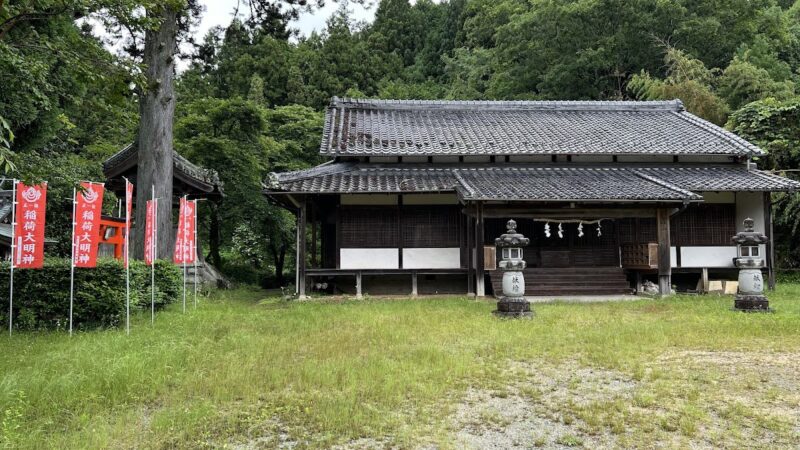
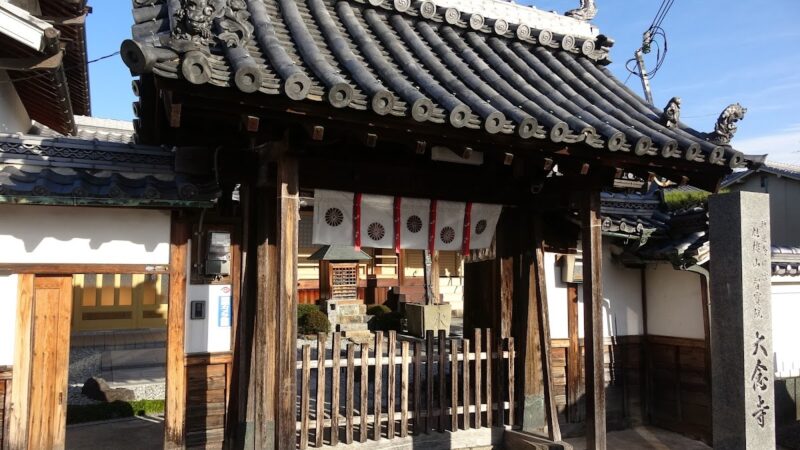
The grounds of Funayado-ji Temple are characterized by buildings and gardens skillfully arranged on a sloping site. Passing through the temple gate, a tranquil approach leads to the main hall. Seasonal flowers are planted along both sides of this approach, offering different scenery depending on the time of year.
The temple gate, though simple, possesses a dignified presence, and the view of the temple grounds from here exudes a serene atmosphere that seems to prepare visitors for what lies ahead.
Main Hall and Yakushi Nyorai
The main hall houses the principal image, Yakushi Nyorai (Medicine Buddha). Yakushi Nyorai has been worshipped since ancient times as the principal deity of the Eastern Pure Land of Lapis Lazuli, healing people’s illnesses and suffering and granting their wishes.
The architectural style of the main hall is based on the Edo period reconstruction, possessing a simple yet solemn atmosphere. Inside the hall, one can quietly offer prayers and seek inner peace.
The Beauty of the Pond-Centered Stroll Garden
One of the greatest highlights of Funayado-ji Temple is its pond-centered stroll garden, which utilizes the surrounding hillside as a borrowed landscape. This garden, designed to allow visitors to enjoy various views while strolling around the central pond, represents the pinnacle of Edo period landscape gardening techniques.
Carp swim in the pond, surrounded by stone arrangements and lanterns, and adorned with seasonal plants. In particular, the garden’s composition, with the greenery of the hillside as a backdrop, creates an elegant landscape where nature and artificial beauty are beautifully harmonized.
As you stroll through the garden, new scenery appears with each change of perspective, offering an experience like a “walking picture scroll.” This garden provides visitors with a space that offers deep peace and aesthetic inspiration.
Bell Tower and Temple Grounds Structures
In addition to the main hall, the temple grounds contain structures such as a bell tower. The bell tower is built utilizing the sloping terrain, and from its position, one can overlook the entire temple grounds.
These buildings are not extravagant, but their placement, blended into the quiet mountain environment, and the texture of the aged wood evoke a deep sense of history and spirituality.
Charm as a Flower Temple
22nd Temple of the 25 Flower Temples of Kansai
Funayado-ji Temple is the 22nd temple of the 25 Flower Temples of Kansai. This pilgrimage route visits temples famous for their flowers in the two prefectures and four counties of the Kinki region, with each temple welcoming visitors with beautiful flowers of the four seasons.
Funayado-ji Temple is particularly known for its azaleas and rhododendrons, and is highly regarded as a flower temple, attracting many flower lovers and photographers.
Spectacular Views of Azaleas and Rhododendrons
The most distinctive feature of Funayado-ji Temple is the approximately 1,000 azalea and rhododendron bushes planted on its grounds. These flowers are arranged throughout the temple grounds, primarily in the pond garden, and during their blooming season, the grounds are painted in vibrant colors.
Azaleas are mainly at their best from late April to early May, while satsuki azaleas bloom from mid-May to early June. Especially around Golden Week, both flowers bloom at the same time, offering the most spectacular scenery.
The sight of azaleas in various colors—red, pink, white, and more—blooming is breathtaking, and the reflections of the flowers on the pond’s surface are also beautiful, attracting many visitors who take pictures. The flowers, arranged on the slopes, create a three-dimensional landscape, offering picturesque views from any angle.
Flowers of the Four Seasons
The charm of Funayado-ji Temple isn’t limited to azaleas and satsuki azaleas. Various flowers adorn the temple grounds throughout the four seasons.
In spring, in addition to azaleas and satsuki azaleas, cherry blossoms and rhododendrons also bloom, creating a vibrant atmosphere. Rhododendrons, in particular, bloom with large, magnificent flowers, captivating all who see them.
In summer, hydrangeas and crape myrtle add a refreshing splash of color, bringing a sense of coolness to the lush green temple grounds.
In autumn, the autumn leaves adorn the garden, displaying a different, more subdued beauty than spring. Maple and other trees turn red and yellow, and the reflection of the leaves in the pond is a breathtaking sight.
In winter, camellias bloom quietly, and when snow falls, you can enjoy a picturesque scene reminiscent of an ink painting.
Thus, Funayado-ji Temple is a “flower temple” worth visiting throughout the year.
Visiting Information
Visiting Hours and Admission Fee
- Visiting Hours: 8:00 AM – 5:00 PM (Open year-round)
- Admission Fee: 400 yen (Adults)
- Group Visits: Advance reservations required
Admission fees are used for the maintenance of the temple grounds and the care of the flowers, playing an important role in preserving the beautiful environment.
Best Time to Visit
The best time to visit Funayado-ji Temple is from late April to mid-May, especially around Golden Week, when the azaleas and rhododendrons are in full bloom. This is the peak season for flower viewing, and the temple is bustling with many visitors.
However, as mentioned above, you can enjoy flowers throughout the seasons, so you can still fully appreciate the beautiful scenery even if you visit in seasons other than spring. Weekdays or the autumn foliage season are particularly recommended, as you can quietly enjoy the garden.
Regarding Photography
Photography is generally permitted on the temple grounds, but consideration for other visitors is necessary. Especially during the peak flowering season, many photography enthusiasts visit, so please enjoy photography with a spirit of mutual respect.
Regarding the use of tripods, restrictions may be imposed during crowded times, so please check in advance or follow the instructions of the on-site staff.
Access Information
Location
484 Ioya, Gose City, Nara Prefecture 639-2306
Phone: 0745-66-0036
Access by Public Transportation
Funayado-ji Temple is located in a mountainous area, so access by public transportation is somewhat inconvenient.
- From Kintetsu Gosho Station:
- Get off at Gosho Station on the Kintetsu Gosho Line.
- Take the Nara Kotsu bus bound for Ioya (approximately 15 minutes).
- Get off at the Funayado-ji-guchi bus stop and walk for approximately 15 minutes.
Since the number of buses is limited, it is recommended to check the timetable in advance. It is especially important to know the return bus schedule.
Access by Car
Access by car is the most convenient.
- From Minami-Hanna Expressway Katsuragi IC: Approximately 20 minutes
- From Nishi-Meihan Expressway Kashiwara IC: Approximately 30 minutes
There is a parking lot for visitors on the temple grounds, but space is limited. During the peak flowering season, congestion is expected, so early arrival is recommended.
Tips for Setting Your Car Navigation System
When searching with your car navigation system, searching for “Funayado-ji” or the phone number “0745-66-0036” will provide accurate directions. For address searches, please enter “484 Ioya, Gose City, Nara Prefecture”.
Please drive carefully as you may encounter narrow roads in mountainous areas.
Nearby Tourist Attractions
Temples and Shrines in the Katsuragi Region
When visiting Funayado-ji Temple, exploring the surrounding tourist attractions will allow you to experience the charm of the Katsuragi region more deeply.
Takakamo Shrine: An ancient shrine considered the head shrine of all Kamo (Kamo) shrines nationwide, located about 10 minutes by car from Funayado-ji Temple. The natural surroundings of the shrine grounds are beautiful, and you can enjoy the scenery of each season.
Hitokotonushi Shrine: A shrine known for its belief in granting one wish, and is beloved by locals.
Takamahiko Shrine: An ancient shrine dedicated to the gods of Katsuragi, also known as the setting for myths.
Mount Katsuragi and Mount Kongo
The Katsuragi region is also a center of mountain worship, including Mount Katsuragi and Mount Kongo. You can enjoy mountain climbing and hiking, and the view from the summit is magnificent.
Especially during the azalea season in spring and the autumn foliage season, the entire mountain is beautifully colored, making it well worth visiting in conjunction with Funayado-ji Temple.
Preceding and Following Temples (Kansai’s Twenty-Five Flower Temples)
Funayado-ji Temple is the 22nd temple on the Kansai’s Twenty-Five Flower Temples pilgrimage. For those undertaking the pilgrimage, we introduce the temples before and after it.
No. 21: Taima-dera Nakano-bo (Katsuragi City, Nara Prefecture) – Famous for its peonies
No. 22: Funayado-ji Temple (Gose City, Nara Prefecture) – Azaleas and Satsuki azaleas
No. 23: Kongo-ji Temple (Kawachinagano City, Osaka Prefecture) – Peonies and hydrangeas
By visiting these temples, you can efficiently visit famous flower spots in Kansai.
Manners and Precautions for Visiting a Temple
Basic Manners for Visiting a Temple
- Bow at the temple gate before entering the grounds.
- Visit quietly and be considerate of other visitors.
- Bow respectfully with clasped hands in prayer at the main hall.
- Do not touch the plants in the garden and walk on the designated paths.
- Always take your trash with you.
Clothing and Belongings
Funayado-ji Temple is located in a mountainous area, and the temple grounds are situated on a slope, so we recommend wearing comfortable shoes. Be especially careful after rain, as the ground can be slippery.
During the peak flowering season, the sun can be strong, so it’s a good idea to bring a hat, parasol, and drinks.
About Goshuin (Temple Seals)
You can receive a Goshuin at Funayado-ji Temple. There is also a special Goshuin notebook for the 25 Kansai Flower Temples, so please consider purchasing one if you are visiting the temples.
The Goshuin is proof of your visit, not a stamp rally. Please receive it after offering your prayers with sincerity. ## To Deeply Experience the Charm of Funayado-ji Temple
Meditation in Silence
Funayado-ji Temple’s grounds are situated in a tranquil environment, far removed from the hustle and bustle of the city. Sitting on a bench in the garden, you can find time to calm your mind while listening to the birdsong and the sound of the wind.
You can experience the “healing of mind and body,” a benefit of Yakushi Nyorai (the Medicine Buddha), in this peaceful setting.
Seasonal Visits
Even those who have visited before can discover new charms of Funayado-ji Temple by revisiting in different seasons. With its spring azaleas, summer greenery, autumn foliage, and winter tranquility, Funayado-ji Temple displays different expressions in each season, making it a place you’ll never tire of visiting.
Experiencing Local History and Culture
Gose City, where Funayado-ji Temple is located, was the base of the ancient Katsuragi clan and is a historically important area. When visiting Funayado-ji Temple, visiting the surrounding historical sites and cultural facilities will allow you to gain a deeper understanding of the region’s rich history and culture.
Summary
Funayado-ji Temple, located in Gose City, Nara Prefecture, is a historic temple founded by Gyoki Bodhisattva. It is beloved by many as a “flower temple,” boasting 1,000 azaleas and rhododendrons in full bloom. The elegant beauty of its pond garden, the harmony with nature using the surrounding hillside as a borrowed landscape, and the scenery created by the seasonal flowers offer visitors deep emotion and peace of mind.
Funayado-ji Temple, also known as the 22nd temple on the Kansai Twenty-Five Flower Temples pilgrimage, is a temple worth visiting not only during the spring azalea and rhododendron season, but throughout the year. Why not spend some quiet time away from everyday life at this ancient temple embraced by the rich nature and history of Gose City?
While access is somewhat inconvenient, it is a special place where you can enjoy tranquility and beauty far removed from the hustle and bustle. When sightseeing in Nara, be sure to extend your trip and experience the charm of Funayado-ji Temple.
Frequently Asked Questions (FAQ)
Q1: When is the best time to see the azaleas at Funayado-ji Temple?
A1: The azaleas at Funayado-ji Temple are in full bloom from late April to early May, and the Satsuki azaleas bloom from mid-May to early June. The Golden Week period, when both flowers are in full bloom, is the most spectacular and the best time to visit. However, the blooming period may vary depending on the weather, so it is recommended to check the blooming status before visiting.
Q2: Is it difficult to access Funayado-ji Temple without a car?
A2: It is accessible by public transport, but since the number of buses is limited, visiting by car is more convenient. From Kintetsu Gosho Station, take a bus and get off at “Funayado-ji-guchi,” then it’s about a 15-minute walk. It is important to check the bus timetable in advance, especially knowing the return time. The parking lot may be crowded during the peak flowering season, so early arrival is recommended.
Q3: How much is the entrance fee? Is a reservation required?
A3: The entrance fee is 400 yen for adults. For individual visits, reservations are not required, and you can visit anytime during visiting hours (8:00 AM to 5:00 PM). However, group visits require advance reservations. The temple is open year-round.
Q4: Can I get a Goshuin (temple stamp) at Funayado-ji Temple?
A4: Yes, you can get a Goshuin at Funayado-ji Temple. A special Goshuin notebook is available for those participating in the Kansai Twenty-Five Flower Temple Pilgrimage. Since the Goshuin is proof of your visit, please receive it after offering your prayers with sincerity.
Q5: Are there any recommended tourist spots around Funayado-ji Temple?
A5: Around Funayado-ji Temple, there are many historical shrines and temples, including Takakamo Shrine, considered the head shrine of all Kamo Shrines nationwide; Hitokotonushi Shrine, said to grant one wish; and Takamahiko Shrine, known as the setting for mythology. You can also enjoy hiking and climbing Mt. Katsuragi and Mt. Kongo. It’s also recommended to visit Taima-dera Nakano-bo and Kongo-ji, which are temples on the Kansai Flower Temple Twenty-Five Pilgrimage route, before and after Funayado-ji.
Q6: Can I enjoy Funayado-ji on a rainy day?
A6: Funayado-ji has a unique charm on rainy days; the rain-soaked flowers and greenery are beautiful, creating a tranquil atmosphere. However, the temple grounds are on a slope and can be slippery, so please wear non-slip shoes and walk with caution. Bringing rain gear such as an umbrella or raincoat is recommended.
Q7: Is it possible to visit with a pet?
A7: Pet policies vary by temple. For information on bringing pets to Funayado-ji, we recommend contacting the temple directly in advance (Tel: 0745-66-0036). Generally, consideration and good manners towards other worshippers are expected, so please follow the rules when visiting the shrine.