Complete Guide to Kamo Shrines | A Thorough Explanation of the History, Deities, and Blessings of Kamo Shrines Nationwide
Numerous shrines bearing the names “Kamo Shrine” or “Kamo Jinja” exist throughout Japan. These are groups of shrines deeply connected to the ancient Kamo clan (or Kamo family), and are valuable cultural heritage sites that convey some of Japan’s oldest religious beliefs. This article provides a detailed explanation of the history, deities, blessings, and visiting information for various Kamo shrines, including Takakamo Shrine, considered the head shrine of all Kamo shrines nationwide, as well as Shimogamo Shrine and Kamigamo Shrine in Kyoto, and other Kamo shrines throughout Japan.
What are Kamo Shrines? | The Ancient Kamo Clan and the Origins of Shrines
Kamo Shrines (kamo jinja) are a general term for shrines that enshrine the deities worshipped by the ancient Kamo clan (or Kamo family). While the spellings differ (“鴨,” “加茂,” and “賀茂”), they all refer to shrines of the same lineage.
The History of the Ancient Kamo Clan
The Kamo clan was an ancient powerful family believed to have resided in the Katsuragi region of Yamato Province even before Emperor Jimmu’s eastern expedition, as depicted in Japanese mythology. From the middle of the Yayoi period, they oversaw religious ceremonies and had deep ties to agriculture, water management, and the worship of the thunder god. Later, some migrated to Yamashiro Province (present-day Kyoto) and are believed to have founded the Kamo Shrines (Kamigamo Shrine and Shimogamo Shrine) in Kyoto as the Kamo clan.
Distribution and Lineage of Kamo Shrines
Kamo Shrines throughout Japan can be broadly classified into the following lineages:
- Katsuragi-style Kamo Shrines: The oldest lineage centered around Takakamo Shrine in Gose City, Nara Prefecture.
- Yamashiro-style Kamo Shrines: Kamo Wakeikazuchi Shrine (Kamigamo Shrine) and Kamo Mioya Shrine (Shimogamo Shrine) in Kyoto.
- Local Kamo Shrines: Groups of Kamo Shrines established through various connections throughout Japan (Osaka, Hyogo, Yamaguchi, Okayama, etc.)
Takakamo Shrine | Head Shrine of All Kamo Shrines Nationwide
Japan’s Oldest Kamo Shrine
Takakamo Shrine, located in Kamogami, Gose City, Nara Prefecture, is considered the head shrine of all Kamo and Kamo shrines nationwide and is counted as one of Japan’s oldest shrines. Situated at the foot of Mt. Katsuragi, in a sacred area called Kamo no Kannabi, traces of rituals performed there from the middle of the Yayoi period have been confirmed.
Deities enshrined at Takakamo Shrine
Main Deities: Ajishikitakahikone-no-Mikoto, Kamo-no-Omikami
Enshrined Deities:
- Kotoshironushi-no-Mikoto
- Ajisukihayao-no-Mikoto
- Shitateruhime-no-Mikoto
- Amenowakahiko-no-Mikoto
Ajishikitakahikone-no-Mikoto is a deity appearing in the Kojiki and Nihon Shoki, possessing characteristics of a thunder god and agricultural god. The first volume of the Kojiki contains the oldest known Hinaburi (a type of Buddhist ritual), stating, “In the heavens, the jeweled thread of the young Tanabata is urged forth; the thread is filled with jewels; the god Ajishikitakahikone swiftly swifts the valley twice,” which speaks to the sacredness of this deity. ### Benefits of Takakamo Shrine
- Good Fortune and Prosperity: Powerful good fortune as the birthplace of the Kamo clan
- Agricultural and Industrial Prosperity: Revered as a god of agriculture since ancient times
- Protection from Evil and Misfortune: Protection from disaster through the power of the thunder god
- Matchmaking: Fulfillment of good relationships through the blessings of Shita-teruhime-no-Mikoto
Highlights of the Shrine Grounds
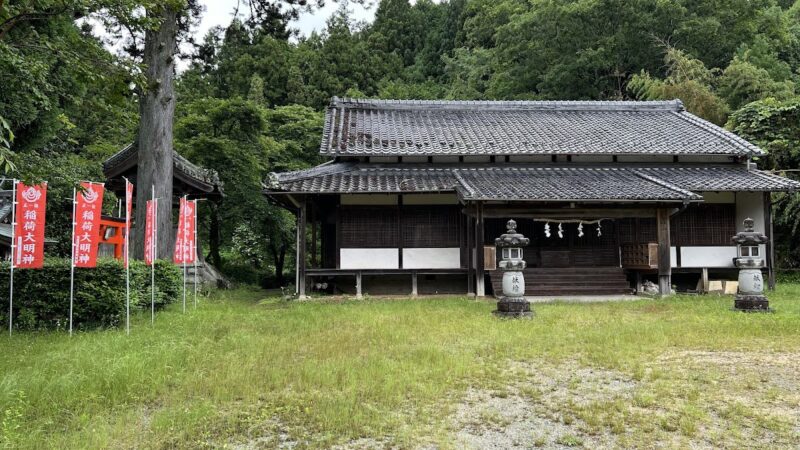
The grounds of Takakamo Shrine are lined with giant trees hundreds of years old, creating a mystical atmosphere that conveys the ancient belief in sacred places. Especially in spring, the Japanese primroses that grow naturally on the grounds bloom beautifully, captivating many visitors.
Access and Visiting Information
Location: 1110 Kamogami, Gose City, Nara Prefecture
Access: Approximately 20 minutes by bus from Kintetsu Gose Station, get off at “Kaze no Mori” bus stop, then a short walk.
Visiting Hours: Grounds are freely accessible (Shrine office is open 9:00-17:00)
Prayer Reception: Advance reservations recommended
Shimogamo Shrine (Kamo Mioya Shrine) | Kyoto World Heritage Site
The Rank of Ichinomiya of Yamashiro Province
Shimogamo Shrine, located in Sakyo Ward, Kyoto City, is officially called Kamo Mioya Shrine and, together with Kamigamo Shrine, is collectively known as “Kamo Shrine.” It is one of the constituent assets of the World Cultural Heritage site “Historic Monuments of Ancient Kyoto” and is known as one of Kyoto’s oldest shrines.
Deities enshrined at Shimogamo Shrine
East Hall: Tamayorihime-no-Mikoto
West Hall: Kamo-Taketsunumi-no-Mikoto
Tamayorihime-no-Mikoto is the mother of Kamo-Wakeikazuchi-no-Mikoto, the deity enshrined at Kamigamo Shrine, and Kamo-Taketsunumi-no-Mikoto is his grandfather. The shrine’s name, “Mioya” (御祖), originates from this parent-child relationship.
Benefits of Shimogamo Shrine
- Matchmaking and Romantic Success: Aioi Shrine is particularly famous.
- Beauty Prayer: Known for the mirror ema (votive tablets) at Kawai Shrine.
- Protection from Evil and Safe Childbirth: The divine virtue of Tamayorihime-no-Mikoto.
- Academic Success: Prayers at Mikage Shrine.
Tadasu no Mori Forest and Subsidiary Shrines
Within the grounds of Shimogamo Shrine lies Tadasu no Mori Forest, which preserves ancient vegetation. This primeval forest, covering approximately 120,000 square meters, is a sacred sanctuary enveloped in a silence unimaginable within Kyoto city.
The shrine grounds contain numerous subsidiary shrines, among which the Aioi Shrine (matchmaking), Kawai Shrine (dedicated to the goddess of beauty), and Kotoba Shrine (dedicated to the guardian deities of the Chinese zodiac) are particularly popular.
Access and Visiting Information
Location: 59 Shimogamo Izumikawa-cho, Sakyo-ku, Kyoto City, Kyoto Prefecture
Access: 12-minute walk from Keihan Demachiyanagi Station, immediately after alighting at Shimogamo Shrine bus stop
Visiting Hours: 6:30-17:00 (Varies by season)
Prayer Reception: 9:00-16:00
Kamigamo Shrine (Kamo Wakeikazuchi Shrine) | An Ancient Shrine Dedicated to the Thunder God
Kamigamo Shrine, located in Kita-ku, Kyoto City, is officially known as Kamo Wakeikazuchi Shrine and, along with Shimogamo Shrine, is revered as one of Kyoto’s oldest shrines.
Deities and Benefits
Deity: Kamo Wakeikazuchi no Okami
As the god of thunder, this deity is believed to offer benefits such as protection from misfortune, disaster, victory, and protection of the electrical industry. In modern times, it enjoys strong devotion from electrical and telecommunications companies, and many company names can be seen on the information boards.
Aoi Festival and Ritual
The largest festival of Kamigamo Shrine and Shimogamo Shrine is the “Aoi Festival (Kamo Festival),” held annually on May 15th. It is one of Kyoto’s three major festivals, and the procession of people dressed in Heian period court attire parading through the streets of Kyoto is a breathtaking sight.
Kamo Shrines in Various Regions | Locally Rooted Beliefs
Kamo Shrine (Takatsuki City, Osaka Prefecture)
Located in Akaoji-cho, Takatsuki City, Kamo Shrine is considered a candidate for the Mishima Kamo Shrine, a Shikinaisha (shrine listed in the Engishiki) of Settsu Province. This shrine enshrines Oyamatsumi-no-kami and is revered as the local guardian deity.
Features: It has an attached Koyasu Tenmangu shrine and is known for its blessings of safe childbirth and child-rearing.
Prayers: Offers various prayers including ground-breaking ceremonies, first shrine visits for newborns, Shichi-Go-San (7-5-3) festivals, prayers for safe childbirth, and exorcisms.
Location: Akaoji-cho, Takatsuki City, Osaka Prefecture
Kamo Shrine (Kawanishi City, Hyogo Prefecture)
Kamo Shrine, located in Kamo, Kawanishi City, is a Shikinaisha (shrine listed in the Engishiki) of Kawabe District, Settsu Province, and its former shrine rank was Gosha (village shrine). As the guardian shrine of the region, many festivals and events are held throughout the year, including summer festivals and Setsubun festivals.
Annual Events:
- Tondo Festival (January 15th)
- Setsubun Festival (February)
- Summer Purification Ceremony (June)
- Summer Festival (July)
Location: 1-4-2 Kamo, Kawanishi City, Hyogo Prefecture
Kamo Shrine (Tanba City, Hyogo Prefecture)
Kamo Shrine, located in Tanba City, enshrines Kamo Wakeikazuchi no Okami as its main deity. The exact founding date is unknown, but records indicate the shrine building was constructed in Genna 1 (1615).
Kamo Shrine (Sanyo-Onoda City, Yamaguchi Prefecture)
Kamo Shrine in Sanyo-Onoda City has a unique history, said to have originated in Enryaku 7 (778) when it enshrined the consort of Queen Seong of Baekje. According to the “Abridged History of Kamo Shrine,” Queen Seongmyeong, who followed her beloved son Prince Rinsei to Japan, landed at Kutsu (Kutsu) and built a temporary palace where she resided.
Rituals and Events of Kamo Shrine
Kamo Shrines throughout Japan continue to perform various rituals and events while preserving ancient traditions.
Regular Rituals
Monthly Festival: A ritual held regularly every month to express gratitude for divine blessings and to pray for the peace and well-being of the parishioners. This is continued at many Kamo Shrines, including Takakamo Shrine.
Spring and Autumn Grand Festivals: These two annual grand festivals are the most important events at each Kamo Shrine, attracting many worshippers.
Special Festivals
- Aoi Festival (May 15th): The annual festival of Kamo Shrine in Kyoto
- Otaue Festival: A rice planting ritual demonstrating the shrine’s role as a deity of agriculture
- Natsukoshi no Oharae (June 30th): A ritual to purify oneself of sins and impurities accumulated over the past six months
- Toshikoshi no Oharae (December 31st): A ritual to purify oneself of sins and impurities accumulated over the past year and welcome the new year
Prayer Information
Each Kamo Shrine accepts the following types of prayers:
- Prayers for protection against misfortune and evil
- First shrine visit for a newborn and Shichi-Go-San (7-5-3) ceremony
- Prayers for safe childbirth and conception
- Prayers for passing exams and academic success
- Prayers for business prosperity and success
- On-site ceremonies such as ground-breaking ceremonies and roof-raising ceremonies
If you wish to request a prayer, it is recommended that you make a reservation by phone with the respective shrine in advance.
Etiquette and Manners for Visiting Kamo Shrine
Basic Worship Etiquette
- Bow before passing through the torii gate: This shows respect when entering the sacred area.
- Purify yourself at the water basin: Purify in the following order: left hand → right hand → mouth → left hand → handle of the ladle.
- Walk along the edge of the path: The center is considered the path of the gods.
- Two bows, two claps, one bow: This is the general worship etiquette at shrines.
- Bow when leaving the torii gate: This is a bow of gratitude when leaving the sacred area.
Goshuin (Shrine Seals) and Amulets
At each Kamo Shrine, you can receive a goshuin as proof of your visit. Bring your goshuincho (seal book) and politely request one at the shrine office. Each shrine also offers its own unique amulets and other items.
Kamo Shrine and Japanese Culture
Connection to Literature
Kamo Shrine, especially the Kamo Shrine in Kyoto, has been celebrated in waka poetry and literary works since ancient times. It frequently appears in works such as the *Kojiki*, *Nihon Shoki*, and *Manyoshu*, as well as in Heian period literature like *The Tale of Genji* and *The Pillow Book*.
Relationship with the Imperial Family
Kamo Shrine has strong ties to the Imperial Family, with successive emperors making visits and offerings. The Aoi Festival was originally called the “Kamo Festival” and was an important festival to which an imperial envoy was dispatched.
Architecture and Cultural Properties
The main hall of Takakamo Shrine is an important cultural property that preserves the architectural style of the Muromachi period, and the shrine buildings of Shimogamo Shrine and Kamigamo Shrine are designated as national treasures and important cultural properties. These are valuable legacies in the history of Japanese architecture.
Kamo Shrine as the Origin of the Soul and an Eternal Village
The Kamo Shrine complex is a sacred place that conveys the origin of the spiritual culture of the Japanese people to the present day. The tradition of rituals dating back to the Yayoi period, the natural environment befitting a sacred site of Kannabi worship, and its role as a center of the local community—all of these elements make Kamo Shrine a “spiritual origin” and a “timeless village.”
Even in modern society, Kamo Shrine continues to play an important role as a spiritual haven for people and a place to experience Japanese culture. Spending time quietly visiting this ancient sacred site, away from the hustle and bustle of the city, will be a valuable opportunity for spiritual refreshment for modern people.
Transportation Information and Access Summary
Access to Major Kamo Shrines
Takakamo Shrine (Nara)
Train: Get off at Kintetsu Gosho Line “Gosho Station,” then take Nara Kotsu Bus bound for “Kaze no Mori” (approx. 20 minutes).
Car: Approx. 15 minutes from Minami-Hanna Expressway “Katsuragi IC,” parking available.
Shimogamo Shrine (Kyoto)
Train: 12-minute walk from Keihan “Demachiyanagi Station,” 12-minute walk from Eizan Electric Railway “Demachiyanagi Station.”
Bus: Immediately after getting off at City Bus “Shimogamo Shrine-mae” or “Tadasu no Mori-mae.”
Car: Approx. 30 minutes from Meishin Expressway “Kyoto Minami IC,” paid parking available.
Kamigamo Shrine (Kyoto)
Bus: Immediately after getting off at City Bus “Kamigamo Shrine-mae.”
Subway: 15-minute walk from Karasuma Line “Kitayama Station.”
Car: Approx. 40 minutes from Meishin Expressway “Kyoto Minami IC,” free parking available.
Summary | The Charm and Significance of Visiting Kamo Shrines
Kamo shrines, spread throughout Japan, are a precious cultural heritage that preserves some of the oldest religious beliefs in Japan. From Takakamo Shrine in Nara, the head shrine, to the Kamo Shrine in Kyoto (a World Heritage Site), and the various Kamo shrines throughout the country, each maintains its own unique history and tradition.
The deities worshipped by the ancient Kamo clan are believed to protect people’s lives as gods of agriculture, thunder, and water management, and to bring various blessings such as good fortune, matchmaking, and protection from evil. Through monthly festivals and spring grand festivals, the bonds of local communities are also nurtured.
When visiting, researching the history and deities of each shrine beforehand and worshipping with appropriate etiquette will lead to a deeper experience. If you wish to request prayers, it is recommended to check the information provided by each shrine and make a reservation in advance.
Visiting Kamo shrines, which touch upon the origins of Japanese spiritual culture, will surely provide us living in the modern age with many insights and healing.