Complete Guide to Mitoshi Shrine (Satsuma-cho, Satsuma-gun, Kagoshima Prefecture) | Detailed Explanation of History, Prayers, and Annual Events
About Mitoshi Shrine
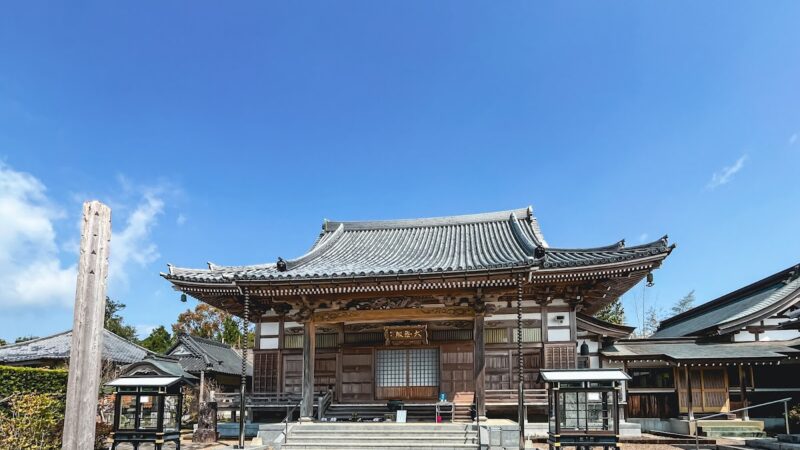
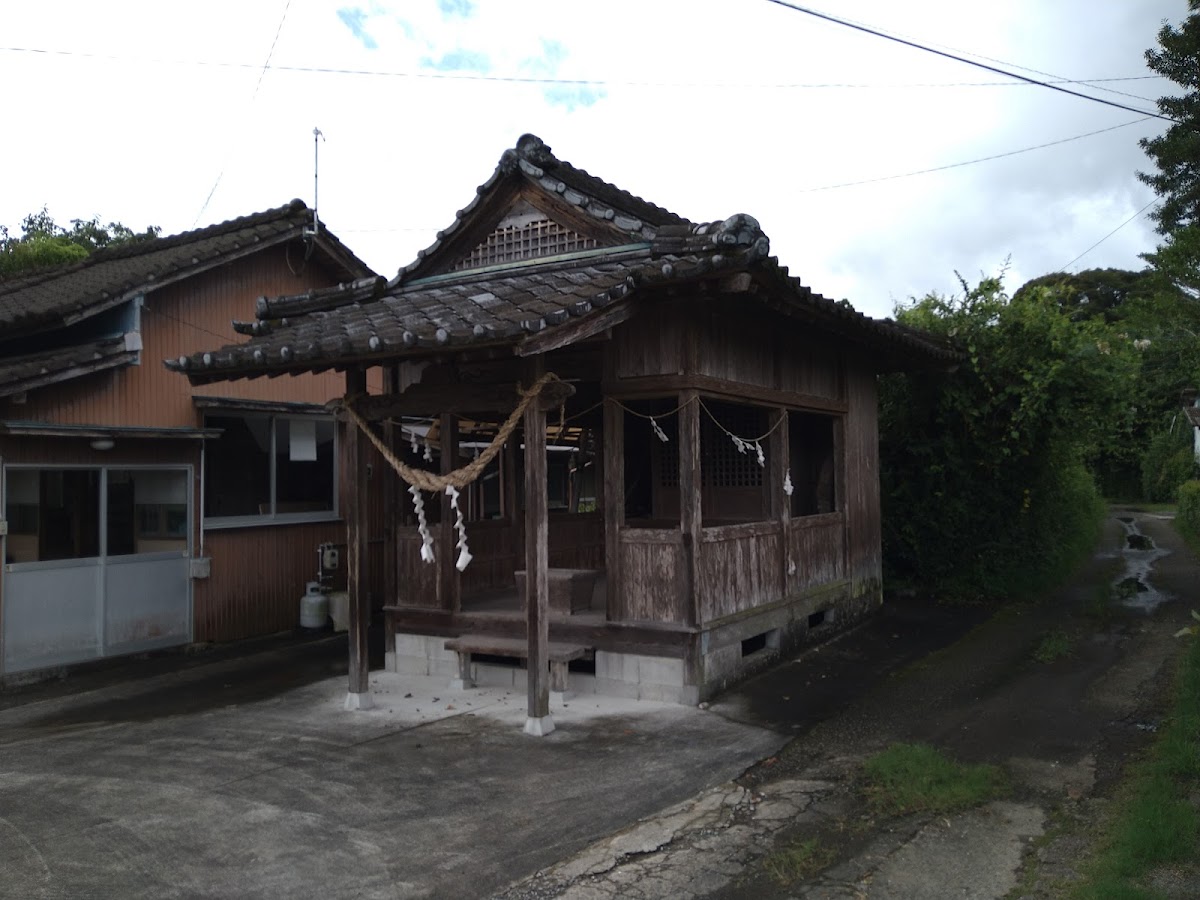
Mitoshi Shrine is a historic shrine located at 729 Funaki, Satsuma-cho, Satsuma-gun, Kagoshima Prefecture. Affectionately known locally as “Demejin,” it has been a center of faith for over 600 years since its founding in 1397 during the Muromachi period.
This shrine, which enshrines three New Year deities, accepts various prayers for life’s milestones, from exorcisms to Shinto wedding ceremonies, with the motto “Prayers and gratitude for life.” Daily rituals are performed so that the blessings of the New Year deities may bring happiness to worshippers.
Basic Information about Mitoshi Shrine
Shrine Name: Mitoshi Shrine
Location: 729 Funaki, Satsuma-cho, Satsuma-gun, Kagoshima Prefecture 895-1804
Former Shrine Rank: Unranked Shrine
Annual Festival Date: December 10th
Common Name: Demejin
Reception Hours: Open on Saturdays, Sundays, and holidays; by appointment only on weekdays
History and Origins of Mitoshi Shrine
Founded in the Muromachi Period
The founding of Mitoshi Shrine dates back to the fourth year of the Oei era (1397), during the Muromachi period. According to shrine records, it is said that the Fujiwara clan, the local lord at the time, built it as the ancestral shrine of the Miyamura district to pray for peace throughout the land, national security, and the well-being of all people.
At that time, the conflicts of the Northern and Southern Courts period were finally beginning to subside in the central government, but fighting continued in the provinces, and the manorial system was showing signs of collapse. It is said that the Otoshin Shrine originated in this turbulent era when Lord Fujiwara Iemitsu built it to pray for the peace and security of his territory.
Role as a Regional Shrine
Since its founding, Otoshin Shrine has served as the ancestral shrine of the Funaki region, a spiritual pillar for the local residents. In a region centered on agriculture, this shrine, which enshrines the New Year God, has played a particularly important role as a place to pray for abundant harvests and family safety.
Throughout its more than 600-year history, the shrine has undergone several repairs, but its faith has been passed down uninterrupted to the present day.
Deities and Divine Virtues
Three New Year Gods
Otoshin Shrine enshrines three New Year Gods. The New Year Gods are deities who preside over the harvest of grains and have been revered in Japanese agricultural culture since ancient times.
The divine blessings of the New Year God are wide-ranging, but the following benefits are particularly believed to be offered:
- Abundant Harvest: Bringing abundant harvests of crops
- Family Safety: Protecting the health and peace of the family
- Business Prosperity: Assisting in the development and prosperity of businesses
- Protection from Misfortune and Bringing Good Fortune: Avoiding disaster and inviting good fortune
The Harvest of the New Year God
At Otoshi Shrine, we cherish the phrase “the harvest of the New Year God.” This does not simply mean a bountiful harvest of crops, but symbolizes all kinds of “harvests” in life—that is, all positive results such as happiness, success, and growth.
The shrine performs daily rituals with the hope that the harvest of the New Year God will be brought to the lives of each and every worshipper.
About Prayers and Exorcisms
Information on Various Prayers
Otoshi Shrine accepts prayers for various milestones in life. Weekends and holidays are open for regular appointments, while weekdays are by reservation only. If you wish to pray on a weekday, please contact us in advance by phone or official email.
Exorcism (Protection from Misfortune)
This is a Shinto ritual performed before the deity to ward off misfortune and invite good fortune during the year of one’s unlucky year. We pray that misfortune will be turned into a wonderful year.
The exorcism at Onotoshi Shrine has a unique method. By placing sins and impurities on an ema (votive tablet) to ward off misfortune, and then taking home a ema (votive tablet) to invite good fortune, the shrine simultaneously performs exorcism and invites good fortune for the worshipper.
Main Unlucky Years:
- Men: 25, 42 (Major Unlucky Year), 61
- Women: 19, 33 (Major Unlucky Year), 37, 61
Celebration of Longevity (Gaju)
Gaju is a general term for celebrations of longevity. At Onotoshi Shrine, prayers are offered for the following milestones of longevity:
- 61st Birthday (Kanreki): Returning to the zodiac sign of one’s birth
- 70th Birthday (Koki): Meaning “rare since ancient times”
- 77th Birthday (Kiju): The cursive form of the character for “joy” resembles seventy-seven
- 80th Birthday (Sanju): The abbreviated character for “umbrella” resembles eighty
- 88th Birthday (Beiju): The character for “rice” can be broken down into eighty-eight
- 90th Birthday (Sotsuju): The abbreviated character for “graduation” resembles ninety
- 99th Birthday (Hakuju): Subtracting one from one hundred results in “white”
- 100th Birthday Celebration (Hyakuga no Iwai): Celebrating one hundred years of age
Other Prayers
- First Shrine Visit: Praying for the healthy growth of a baby
- Shichi-Go-San: Celebrating milestones in a child’s growth
- Prayer for Passing Exams: Praying for success in examinations
- Prayer for Safety: Traffic safety, construction safety, etc.
- Family Safety: Prayers for the health and peace of the family
- Business Prosperity: Prayers for the development of the business
Shinto Wedding Ceremony
At Otoshi Shrine, we can perform traditional Shinto wedding ceremonies. We celebrate the couple’s new beginning before the New Year’s deity and pray for their lasting happiness.
A Shinto wedding ceremony is a traditional Japanese marriage ritual, conducted in a solemn atmosphere. Please consult us in advance if you wish to have one.
On-site Ceremonies
Otoshi Shrine also offers on-site ceremonies. We can accommodate various ceremonies, including ground-breaking ceremonies, roof-raising ceremonies, new house ceremonies, well-filling ceremonies, and tree-felling purification ceremonies.
We also accept consultations regarding ancestral memorial services and Shinto funerals.
Introduction to Annual Events
Otoshi Shrine holds various events throughout the year. We introduce a variety of fascinating events that preserve local traditions while incorporating new initiatives.
Onotoshi Shrine Spring Festival and Market
The Onotoshi Shrine Spring Festival is held in spring. This festival celebrates the arrival of spring and prays for a bountiful harvest and peace throughout the year. In recent years, a market has also been held in conjunction with the festival, featuring local specialties and handmade goods, attracting many visitors.
Onotoshi Shrine Rokugatsu-to Festival
The Rokugatsu-to Festival, a summer tradition in Kagoshima, is also held at Onotoshi Shrine. Lanterns are lit throughout the shrine grounds, creating a magical atmosphere for the summer festival. It is an important opportunity for local people to gather and deepen their connections.
Hōnen Dohyō-iri (Harvest Ring Entrance)
The Hōnen Dohyō-iri is a traditional Shinto ritual praying for a bountiful harvest. Sumo wrestlers perform the ritual of entering the ring, praying for a good harvest that year. This is a precious traditional event passed down through generations in the region, and is carefully preserved and passed down.
Annual Festival (December 10th)
The most important festival at Onotoshi Shrine is the annual festival held on December 10th. A solemn Shinto ritual is performed to give thanks for the year’s harvest and to pray for peace in the coming year.
Year-End Countdown Fireworks
At the end of the year, countdown fireworks are launched. This spectacular event celebrates the end of the year and the beginning of the new year, attracting many worshippers. It offers a special New Year’s Eve experience unique to a shrine dedicated to the New Year’s deity.
Amulets and Prayer Items
Onotoshi Shrine offers a variety of amulets and prayer items. Each is imbued with the divine virtues of the New Year’s deity, and by wearing them in daily life, you can receive the deity’s protection.
###厄除け絵馬 (Exorcism Ema) and 祥福絵馬 (Fortune Ema)
Onotoshi Shrine offers unique prayer items: 厄除け絵馬 (Exorcism Ema) and 祥福絵馬 (Fortune Ema). These are used during prayers for warding off evil. The custom involves placing sins and impurities on an ema (votive tablet) and offering it to the shrine, then taking home a ema (votive tablet) for good fortune. This is believed to ward off evil and invite good fortune.
Other Amulets
- Evil-Repelling Amulet: Amulet for warding off evil
- Health Amulet: Amulet for protecting health
- Academic Success Amulet: Amulet for academic success
- Traffic Safety Amulet: Amulet for traffic safety
- Family Safety Amulet: Amulet for protecting the peace and safety of the family
Please contact the shrine directly for information on the types of amulets and the offering fees.
Access Information
Location
729 Funaki, Satsuma-cho, Satsuma-gun, Kagoshima Prefecture 895-1804
Access by Car
Otoshin Shrine is located in Satsuma-cho, in the inland area of north-central Kagoshima Prefecture. Access by car is convenient.
- From Kagoshima City: Approximately 1 hour via National Route 328
- From Sendai area: Via National Route 267 and prefectural roads
There is a parking lot at the shrine, so you can rest assured if you come by car.
Access by Public Transportation
Satsuma Town is located inland, so access by public transportation takes time. We recommend checking detailed bus routes and timetables in advance.
Nearby Tourist Attractions
Besides the Otoshin Shrine, Satsuma Town has other points of interest:
- Shio Shrine: A historic shrine with the status of a prefectural shrine (2164 Shio, Satsuma-cho, Satsuma-gun)
- Miyanojo Onsen: A hot spring resort known as the “Beauty Hot Spring”
- Historical Materials Center: A facility where you can learn about the history of Satsuma Town
- Sokoji Temple Ruins: The site of a historical temple
When visiting the shrine, why not also visit these nearby spots?
Important Notes for Visitors
Visiting Hours and Reception
- Weekends and Holidays: Regular reception (no reservation required)
- Weekdays: Reservation required (advance contact by phone or official email is necessary)
- Irregular Closures: The shrine may be closed on certain days due to its own circumstances.
If you wish to request prayers on a weekday, please contact us in advance.
How to Contact Us
Reservations for prayers and inquiries are accepted through the following methods:
- Phone: Please call the shrine directly
- Official Email: Inquiries can be made through the official website
- Instagram: Information is posted at @mitoshijinjya
The latest event information and announcements can be found on the official website and Instagram.
Etiquette for Visiting Shrines
When visiting a shrine, please observe the following basic etiquette:
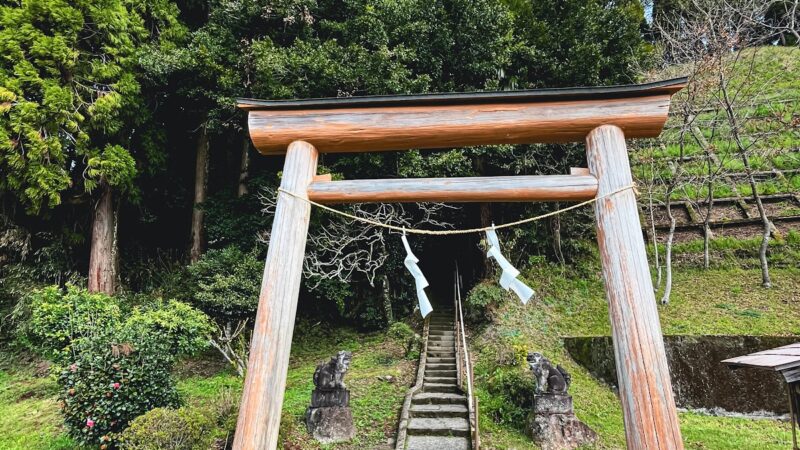
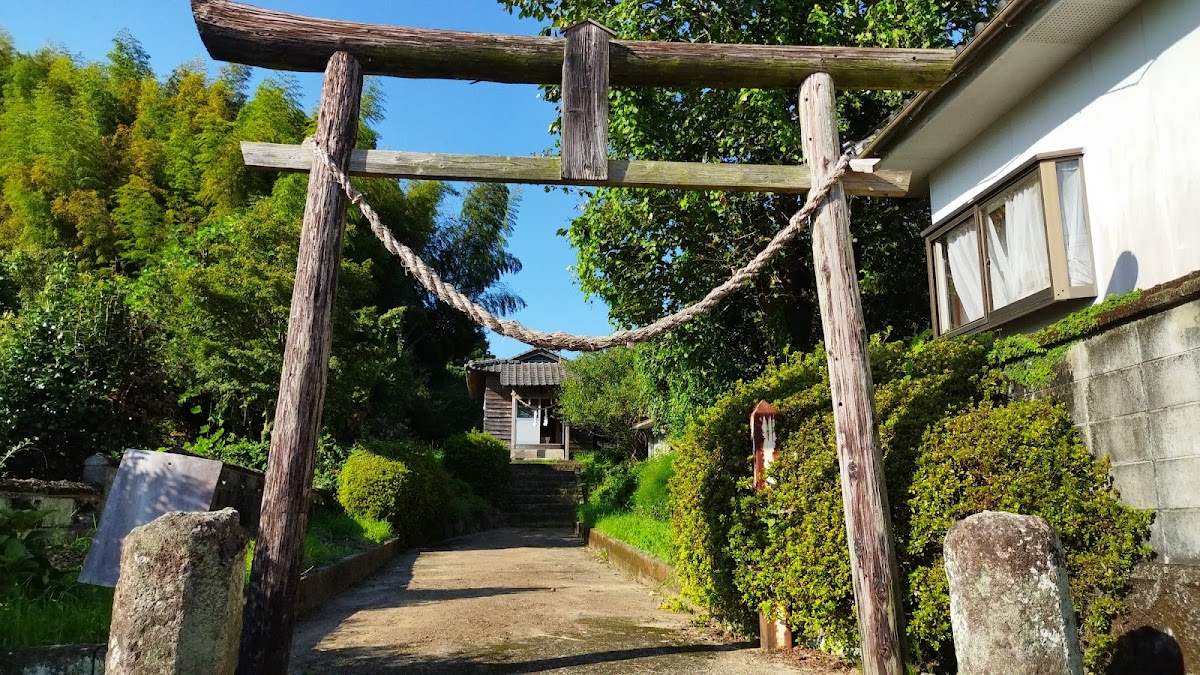
- When passing through the torii gate: Bow before entering the shrine grounds.
- At the purification fountain: Cleanse your hands and mouth before praying.
- How to pray: Two bows, two claps, and one bow are the basic forms.
- Behavior within the shrine grounds: Act quietly and respectfully.
- Photography: Refrain from taking photographs except in designated areas.
About Satsuma Town
Satsuma Town, where the Otoshin Shrine is located, is situated in the north-central, inland region of Kagoshima Prefecture. It was formed on March 22, 2005 (Heisei 17) through the equal merger of Miyanojo Town, Tsuruta Town, and Satsuma Town.
Characteristics of Satsuma Town
Satsuma Town, belonging to Satsuma District, has the largest population among the towns and villages in the prefecture. It is known as a region blessed with abundant nature and thriving agriculture. Located along the Kawauchi River, Miyanojo Onsen has flourished as a therapeutic hot spring resort since ancient times. Its spring water is a simple sulfur spring. Because it leaves the skin smooth after bathing, it is also known as the “Beauty Spring.”
Local History and Culture
Satsuma Town is steeped in rich history and culture. Shrines and temples, including the Onotoshi Shrine, and historical sites are scattered throughout the area, preserving the region’s history.
The Funaki district is a historic settlement centered around the Onotoshi Shrine, retaining its traditional landscape.
Prayer and Gratitude in Life
The Onotoshi Shrine cherishes the philosophy of “prayer and gratitude in life.” By providing opportunities for prayer and gratitude in daily life, we hope to enrich the lives of our visitors.
The Significance of Prayer
In modern society, we live busy lives and have little time to stop and pray. However, praying to God at life’s milestones and important times is a valuable opportunity to reflect on ourselves and find inner peace.
At Otoshi Shrine, we help worshippers cultivate hearts of prayer and gratitude through prayers at various stages of life, from the first shrine visit for a newborn to celebrating milestone birthdays.
Happiness Brought by the Harvest of the Year God
The Year God is the deity who brings not only the harvest of grains, but all kinds of “harvests” in life. The results of one’s efforts, encounters with people, family bonds, a healthy body—all of these can be considered the harvest of the Year God.
By visiting Otoshi Shrine and offering prayers to the Year God, one can become aware of the small joys in daily life and cultivate a heart of gratitude.
Summary
Otoshi Shrine is a historical shrine that has been revered by the local people for over 600 years since its founding in 1397 during the Muromachi period, in Funaki, Satsuma-cho, Satsuma-gun, Kagoshima Prefecture.
Enshrining three Year Gods, and with the motto “Prayer and Gratitude in Life,” we accept prayers at various milestones in life, from exorcisms to Shinto wedding ceremonies. Mitoshi Shrine offers unique attractions, such as its original ema (votive tablets) for warding off evil and ema for bringing good fortune, as well as traditional events held throughout the year.
Weekends and holidays are open for regular visits, while weekdays require reservations. Those wishing to receive prayers should contact the shrine in advance by phone or official email. The latest information can also be found on the official website and Instagram (@mitoshijinjya).
When visiting Satsuma Town, we highly recommend visiting Mitoshi Shrine and experiencing the blessings and happiness bestowed by the New Year’s deity.