Yasaka Shrine (Yoshitomi-cho, Chikujo-gun, Fukuoka Prefecture) Complete Guide | History, Goshuin (Shrine Seal), and Access Information
Located in Yoshitomi-cho, Chikujo-gun, at the easternmost tip of Fukuoka Prefecture, Yasaka Shrine is a historic shrine affectionately known as “Gion-san” by the local people. This article provides a detailed introduction to Yasaka Shrine, from basic information and historical background to highlights within the grounds and how to worship.
Basic Information about Yasaka Shrine
Location and Access Information
Location
143, Naoe, Yoshitomi-cho, Chikujo-gun, Fukuoka Prefecture 871-0831
Corporate Number
8290805006230 (Designated October 5, 2015)
Access Method
- Access by Train: Approximately 15 minutes on foot from JR Nippo Main Line “Yoshitomi Station”
- Access by Car: Approximately 5 minutes from Higashi-Kyushu Expressway “Yoshitomi IC”, approximately 50 minutes by car from Kitakyushu Airport
- Parking: There is parking space for visitors around the shrine grounds (space is limited, so use of public transportation is recommended during festivals)
Deities and Shrine Lineage
Main Deity
Susanoo-no-Mikoto
Yasaka Shrine is one of the many Gion/Susanoo-style shrines throughout Japan. Susanoo-no-Mikoto is known in Japanese mythology as a heroic god who slayed the Yamata-no-Orochi (eight-headed serpent), and is widely worshipped as a god of protection against misfortune, disease, and good health.
Divine Virtues
- Protection from misfortune and good fortune
- Protection from disease
- Health and longevity
- Business prosperity
- Family safety
- Improved career luck
History and Origins of Yasaka Shrine
Gion Faith and the Origins of Yasaka Shrine
The name Yasaka Shrine originates from the fact that it was established by inviting a deity from Yasaka Shrine (Gion Shrine) in Kyoto. The existence of shrines named “Yasaka Shrine” or “Gion Shrine” throughout Japan is due to the influence of Gion faith, which spread after the Heian period.
Gion worship is a faith that enshrines Susanoo-no-Mikoto as a god who wards off epidemics and calamities, and was particularly popular during the summer when epidemics were prevalent. Yasaka Shrine in Yoshitomi-cho, Chikujo-gun, Fukuoka Prefecture, is a shrine that follows this Gion faith tradition and has played a role in protecting the health and safety of the local people.
Historical Background of Yoshitomi-cho
Yoshitomi-cho is located at the easternmost tip of Fukuoka Prefecture, bordering Nakatsu City in Oita Prefecture across the Yamakuni River. Historically, it belonged to Buzen Province and was strongly influenced by the Nakatsu Domain.
Within the town is the Hachiman Kofuku Shrine, also known as “Ichinomiya,” which has a history of being deeply revered by the lord of Nakatsu Castle. Within this historical context, Yasaka Shrine has served as the guardian shrine of the Naoe district and a spiritual pillar of the local community.
Role in the Community
Throughout the changing times from the Edo period through the Meiji, Taisho, Showa, Heisei, and Reiwa eras, Yasaka Shrine has played a central role as the tutelary shrine of the Naoe district, participating in local festivals and annual events. The summer Gion Festival, in particular, has been passed down to this day as an important annual event in the region.
Highlights of the Shrine Grounds
Architectural Style of the Main Hall
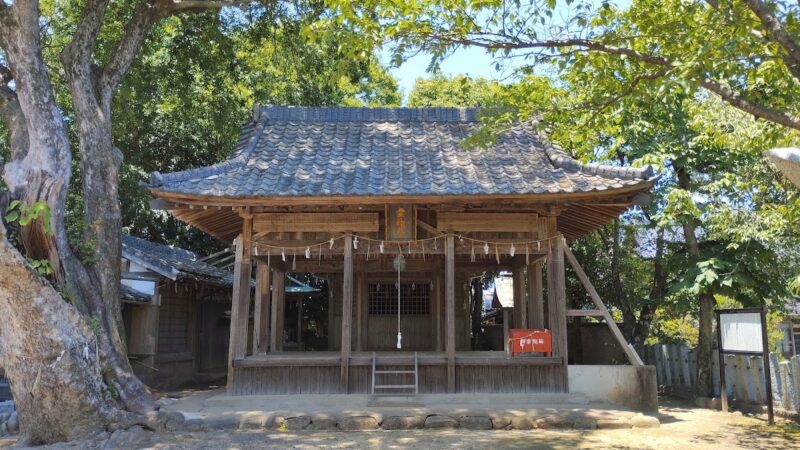
The main hall of Yasaka Shrine exhibits a typical style of shrine architecture. The main hall, dedicated to the enshrined deity Susanoo-no-Mikoto, possesses a solemn atmosphere where worshippers can offer prayers in peace.
The shrine grounds are of a moderate size, maintaining a friendly scale befitting a local shrine while preserving a pure and sacred atmosphere.
Torii Gate and Approach
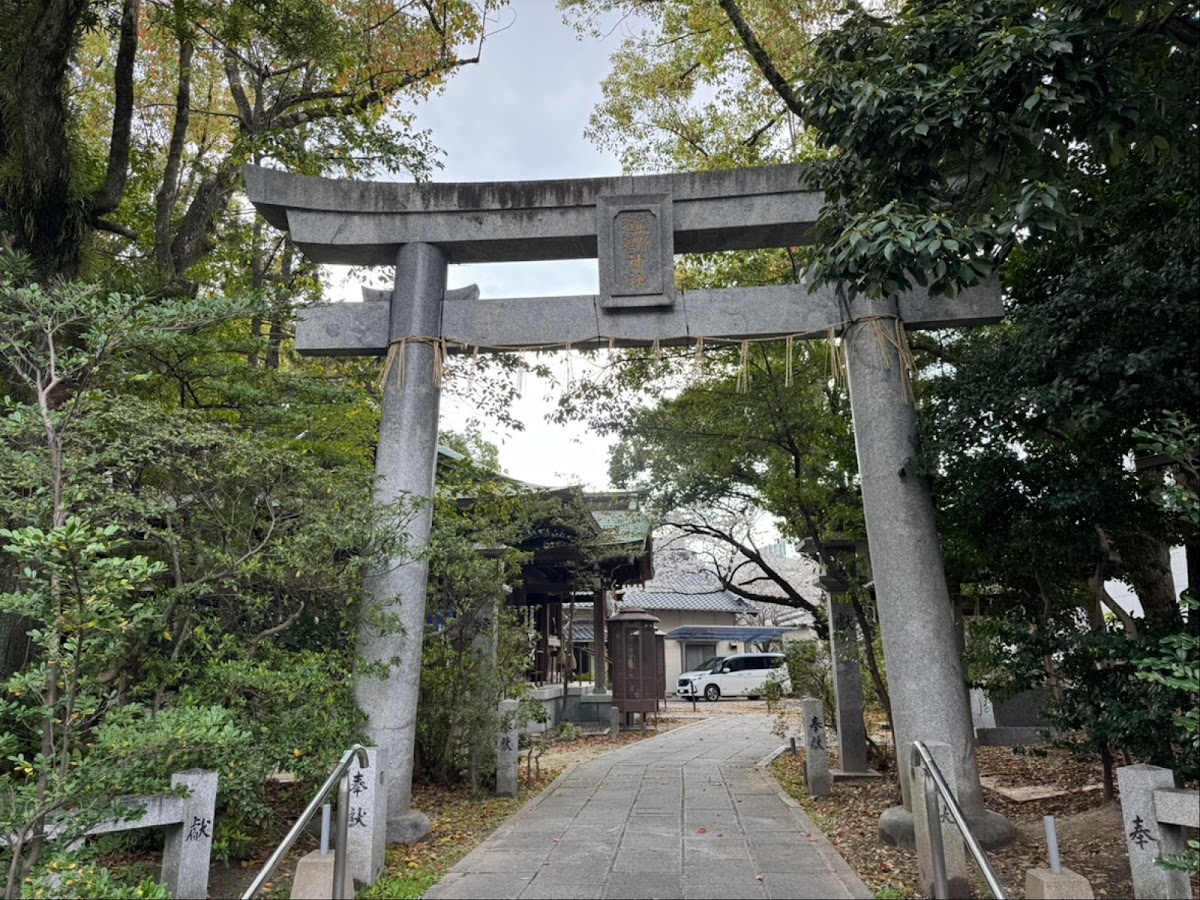
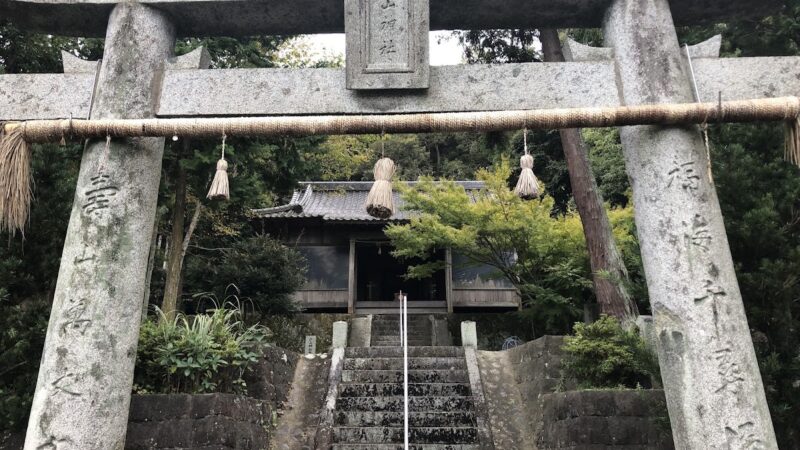
A torii gate stands at the entrance to the shrine, and a well-maintained approach leads from there to the main hall. Walking along the approach allows one to escape the hustle and bustle of everyday life and calm their mind in a sacred space.
Atmosphere of the Shrine Grounds
Despite being located in the residential area of Naoe district, the shrine grounds have a pleasant amount of greenery, allowing visitors to experience the changing seasons. It has the warmth of a shrine deeply rooted in the lives of local residents, who visit regularly for prayer.
Annual Events and Festivals
Gion Festival
The most important festival of Yasaka Shrine is the Gion Festival, held in summer. The Gion Festival is a traditional festival held at Yasaka Shrines and Gion Shrines throughout Japan, praying for the eradication of disease and a bountiful harvest.
At the Yasaka Shrine in Yoshitomi-cho, local residents gather, and the festival is held while preserving tradition.
Annual Festivals
The following events are held throughout the year:
- New Year’s Day Festival: Prayers for peace and prosperity in the new year
- Spring Festival: Celebration of the arrival of spring and prayers for a bountiful harvest
- Summer Purification Ceremony: Purification of impurities accumulated over the past six months and prayers for good health for the remaining half of the year
- Autumn Festival: Gratitude for the harvest and prayers for a good harvest next year
Etiquette and Manners for Worship
Basic Worship Method
- Bow at the Torii Gate: Bow before passing through the torii gate
- Purification at the Water Basin: Purify your left hand, right hand, and mouth in that order
- Walking on the Approach: The center of the approach is considered the path of the gods, so walk along the sides
- Worship at the Main Hall: Worship using the two bows, two claps, and one bow method
- Bow upon Exit: When leaving the shrine grounds, turn back at the torii gate and bow.
Attire for Visiting
For a normal visit, clean everyday clothes are acceptable. However, please note the following:
- Avoid revealing clothing.
- Shoes are preferable to sandals.
- It is polite to remove your hat while on the shrine grounds.
About Goshuin (Shrine Seals)
Issuance of Goshuin
Regarding the issuance of goshuin at Yasaka Shrine, it is recommended to check in advance. Smaller shrines may not have a resident priest, so if you wish to receive a goshuin, it is best to inquire beforehand or check with the local shrine association.
About Goshuincho (Shrine Seal Book)
When collecting goshuin, prepare a dedicated goshuincho. Goshuin are not merely stamps; they are precious items bestowed by the shrine as proof of your visit. Handle them carefully and store them cherished.
Nearby Shrines and Temples
Major Shrines and Temples in Yoshitomi Town, Chikujo District
Hachiman Kofuku Shrine
A major shrine, also known as the “Ichinomiya” (first shrine) of Yoshitomi Town, located about 10 minutes by car from Yasaka Shrine. It was deeply revered by the lords of Nakatsu Castle, and many treasures are preserved there.
Saiko-ji Temple
Location: 442-1 Sachiko, Yoshitomi Town, Chikujo District
A temple beloved by the local people.
Suzukuma-ji Temple
Location: 235 Suzukuma, Yoshitomi Town, Chikujo District
Known as a historical temple.
Yasaka Shrines in the Surrounding Area
Numerous Yasaka Shrines exist within Fukuoka Prefecture. In particular, the Yasaka Shrine in the Moto-oka district of Nishi Ward, Fukuoka City, is known for its lion dance and Gion Hayashi (a Fukuoka City designated intangible folk cultural property) performances during the Gion Festival.
Yoshitomi Town Tourism Information
Characteristics of Yoshitomi Town
Yoshitomi Town is located at the easternmost tip of Fukuoka Prefecture, bordering Nakatsu City, Buzen City, and Koge Town in Oita Prefecture, separated by the Yamakuni River. It boasts excellent access, approximately 50 minutes by car from Kitakyushu Airport, and possesses a unique regional character where the cultures of Fukuoka and Oita prefectures intersect.
Tourist Spots
When visiting Yoshitomi Town, the following spots are also recommended:
- Yamakuni River Riverbed: Enjoy the rich natural scenery
- Hachiman Kofuku Shrine: Experience history and cultural heritage
- Local Specialty Products: Direct sales outlets where you can purchase local agricultural products and processed goods
Gourmet Information
The area around Yoshitomi Town is blessed with abundant seafood from the Buzen Sea and plentiful agricultural products. Especially in the border area with Nakatsu City, you can enjoy local specialties such as Nakatsu karaage (fried chicken).
Points to Note When Visiting Yasaka Shrine
Recommended Time to Visit
Spring (March-May)
During cherry blossom season, the surrounding area’s nature is beautiful, making it a great time to enjoy a stroll in addition to your visit.
Summer (June-August)
During the Gion Festival, you can experience traditional local events. However, be prepared for the heat during the summer months.
Autumn (September-November)
The mild weather makes it an ideal season for visiting. The Autumn Festival is also held during this time.
Winter (December-February)
New Year’s events, such as the New Year’s Day Festival, are held, allowing for a refreshing and invigorating visit.
Estimated Time Required
Visiting Yasaka Shrine itself takes about 15-30 minutes. We recommend taking your time to stroll through the grounds and offer a quiet prayer.
Regarding Photography
Photography is generally permitted on the shrine grounds, but please note the following:
- Refrain from taking photos inside the main hall.
- Be considerate of other worshippers.
- Refrain from taking photos during festivals, or check in advance.
- When posting on social media, remember to show respect for the location and the shrine.
Divine Virtues and Faith of Yasaka Shrine
God of Protection from Misfortune and Good Fortune
Susanoo-no-Mikoto, the heroic god who defeated the Yamata no Orochi (eight-headed serpent), is believed to possess the power to ward off all calamities. Visiting the shrine at life’s milestones or during unlucky years is believed to bring protection from disaster and improve one’s luck.
Protection from Epidemics and Prayer for Health
The foundation of Gion faith lies in the protection from epidemics. Even today, many worshippers visit to pray for good health, longevity, and recovery from illness. Especially since the COVID-19 pandemic, the divine virtue of protection from epidemics has once again attracted attention.
Improving Career Luck
The powerful energy of Susanoo-no-Mikoto is believed to be effective in improving career luck and luck in competitions. Many visitors pray here for success when starting new businesses or in their careers.
Connections with the Community
Relationship with Parishioners
Yasaka Shrine, as the tutelary shrine of the Naoe district, has deep ties with the local residents. Parishioners cooperate in the maintenance and management of the shrine, including daily visits, annual events, and cleaning the grounds.
As a Community Center
Local shrines are not merely religious facilities; they also serve as the center of the community. Through festivals and events, intergenerational exchanges are fostered, deepening community bonds.
Precautions When Visiting
Parking Information
There is limited parking space around the shrine grounds. Especially during busy periods such as festivals and New Year’s, we recommend using public transportation. Please absolutely avoid street parking, as it inconveniences nearby residents.
Shrine Etiquette
- Please refrain from loud conversations.
- Please take all your trash with you.
- Please avoid bringing pets (if unavoidable, please carry them or take other precautions).
- Please refrain from eating or drinking on the shrine grounds.
- Smoking is strictly prohibited.
Inquiries
For detailed information about the shrine, including festival dates, please contact the Yoshitomi Town Hall or the local shrine association.
Summary
Yasaka Shrine in Yoshitomi Town, Chikujo District, Fukuoka Prefecture, is a Gion-style shrine dedicated to Susanoo-no-Mikoto and has long been revered by the local people. As a shrine offering various divine blessings such as protection from misfortune, warding off disease, and prayers for good health, it continues to welcome many worshippers today.
Despite its location at the easternmost tip of Fukuoka Prefecture, its accessibility—approximately 50 minutes by car from Kitakyushu Airport—is also a major draw. When visiting Yoshitomi Town, we highly recommend visiting Yasaka Shrine and experiencing the region’s history and culture.
The time spent in the tranquil shrine grounds, calming your mind, expressing gratitude for daily life, and praying for future peace will surely be a memorable experience. Please visit and experience the warmth unique to a shrine rooted in the community and the power of Gion faith.
Frequently Asked Questions (FAQ)
Q1: Can I get a Goshuin (shrine stamp) at Yasaka Shrine?
A1: Regarding the issuance of Goshuin, there may not always be a resident priest, so we recommend checking with the Yoshitomi Town Hall or the local shrine association in advance. If you wish to receive a Goshuin as proof of your visit, it is best to inquire beforehand.
Q2: Is there parking available?
A2: There is parking space for visitors around the shrine grounds, but the number of spaces is limited. During busy periods such as festivals and New Year’s, we recommend using public transportation. It is approximately a 15-minute walk from JR Yoshitomi Station.
Q3: When are the festivals at Yasaka Shrine held?
A3: The main festivals held here include the New Year’s Day Festival, the Spring Festival, the Summer Gion Festival, and the Autumn Festival. For detailed dates, please check the local bulletin board or the Yoshitomi Town Hall.
Q4: Is it crowded for New Year’s visits?
A4: As it is the local guardian shrine, many people visit for New Year’s, but it is not as crowded as large shrines. There are more visitors than usual from New Year’s Day through the third day.
Q5: Can I have an exorcism performed?
A5: As this shrine has the divine power to ward off evil and bring good fortune, it is likely that exorcism prayers are possible. However, reservations or inquiries may be required in advance, so please check with the Yoshitomi Town Hall or the local shrine association.
Q6: Are there any other tourist spots nearby?
A6: Yoshitomi Town has the Hachiman Kofuku Shrine, also known as “Ichinomiya,” which is about a 10-minute drive away. Furthermore, as it is located on the border with Nakatsu City in Oita Prefecture, Nakatsu Castle and the historical townscape of Nakatsu are nearby and can be visited together.
Q7: Is there any appropriate attire for visiting the shrine?
A7: For regular visits, clean everyday clothes are fine. However, please avoid revealing clothing and dress in a way that shows respect for the sacred grounds. If you are receiving a prayer, more formal attire is preferable.
Q8: Can I visit the shrine with my pet?
A8: Generally, it is discouraged to bring pets to shrines. If it is unavoidable, you should take precautions such as carrying your pet. Please be very careful not to litter the shrine grounds.