Complete Guide to Kumano Dosojinja Shrine (Fukuoka Prefecture) | History, Goshuin (Shrine Seal), Deities, and Access Information
Kumano Dosojinja Shrine, located in Shiobara, Minami-ku, Fukuoka City, is a historical and venerable shrine that was established in 1937 through the merger of two shrines. Despite its convenient location, just a 5-minute walk from Nishitetsu Ohashi Station, it maintains a tranquil sacred space and is beloved by the local community. This article provides a thorough explanation of Kumano Dosojinja Shrine, including its detailed history, enshrined deities, goshuin information, highlights of the grounds, and even a fascinating anecdote related to Chikushigaoka High School.
History and Origins of Kumano Dosojinja Shrine
Establishment through the Merger of Two Shrines
Kumano Dosojinja Shrine was formed in 1937 through the merger of two shrines, “Kumano Shrine” and “Dosojinja Shrine,” which were originally located in separate places.
Kumano Shrine has long been located in a place called Iba in the central part of Shiobara, and has long enshrined Izanagi-no-Mikoto. It was a historical shrine with a history so significant that it is mentioned in the first volume of the Kojiki (Records of Ancient Matters).
On the other hand, Dōso Shrine was located in Itorisaya (present-day in front of the Fukuoka University of Art and Design) in Shiobara 4-chome, and enshrined Kunado-no-Kami, Yachimata-hiko-no-Kami, and Yachimata-hime-no-Kami. These deities were worshipped as guardians of roads and boundary gods.
History and Context of the Merger
In the early Showa period, Fukuoka Prefecture was undergoing rapid modernization and urban development. The Shiobara area was no exception, with various developments including the construction of educational facilities. Against this backdrop, the two shrines were merged in 1937 (Showa 12), and began a new history as the current Kumano Dōso Shrine.
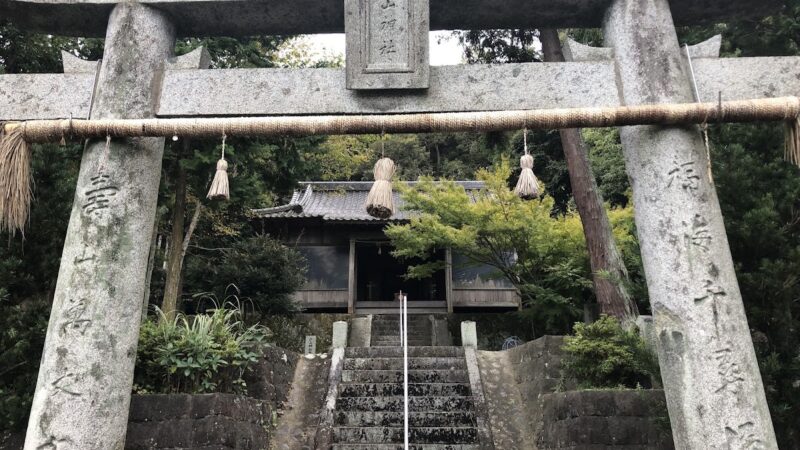
Even after the merger, both Kumano Shrine and Dosojinja Shrine buildings remain on the grounds, separated by a road, and their respective sacred areas are carefully preserved. This unique arrangement is a result of respecting the history and origins of both shrines and is a major characteristic of Kumano Dosojinja Shrine.
A Mysterious Anecdote Related to Chikushigaoka High School
An Incident Protecting the Sacred Area
An indispensable part of the history of Kumano Dosojinja Shrine is a mysterious incident that occurred during the construction of Fukuoka Prefectural Chikushi Junior High School (now Chikushigaoka High School).
On April 7, 1927 (Showa 2), Fukuoka Prefectural Chikushi Junior High School was to open in Shiobara, including the grounds of Dosojinja Shrine. At the time, the sacred area of Dosojinja Shrine was a rice paddy area, but construction began to cut down trees on the shrine grounds for the school’s construction.
However, as the construction progressed, many of those involved in the work began to suffer illnesses or accidents. Faced with this extraordinary situation, the prefectural authorities considered it divine punishment for encroaching on the sacred grounds and ultimately abandoned plans to relocate the shrine.
This incident is still recounted today as an episode illustrating the sacredness of the sacred grounds and the deep faith that the local people have held in reverence and cherishing the shrine since ancient times.
About the Enshrined Deities
Kumano Dosojinja Shrine enshrines the deities of both shrines before their merger.
Deities of Kumano Shrine
Izanagi-no-Mikoto
In Japanese mythology, Izanagi-no-Mikoto, along with Izanami-no-Mikoto, is a creator god who gave birth to the land and many other gods. He is one of the most important gods appearing in the Kojiki and Nihon Shoki, and is widely worshipped as the god of vitality, creativity, and purification.
Deities enshrined at Dosojin Shrine
Kunado-no-kami
A deity who protects road junctions and mountain passes, and whose role is to prevent the intrusion of evil.
Yachimata-hiko-no-kami
A male deity who protects road junctions and boundaries. He presides over the safety of travelers and the protection of direction.
Yachimata-hime-no-kami
A female deity who is the counterpart to Yachimata-hiko-no-kami, and also presides over the protection of roads and boundaries.
These enshrined deities, known as “Dōsojin” (roadside deities), have been revered since ancient times for their divine virtues of safe travel, protection of travelers, prevention of evil spirits, and matchmaking, and have attracted the faith of local people.
Highlights and Walking Guide within the Shrine Grounds
Shrine Name Marker and Torii Gate
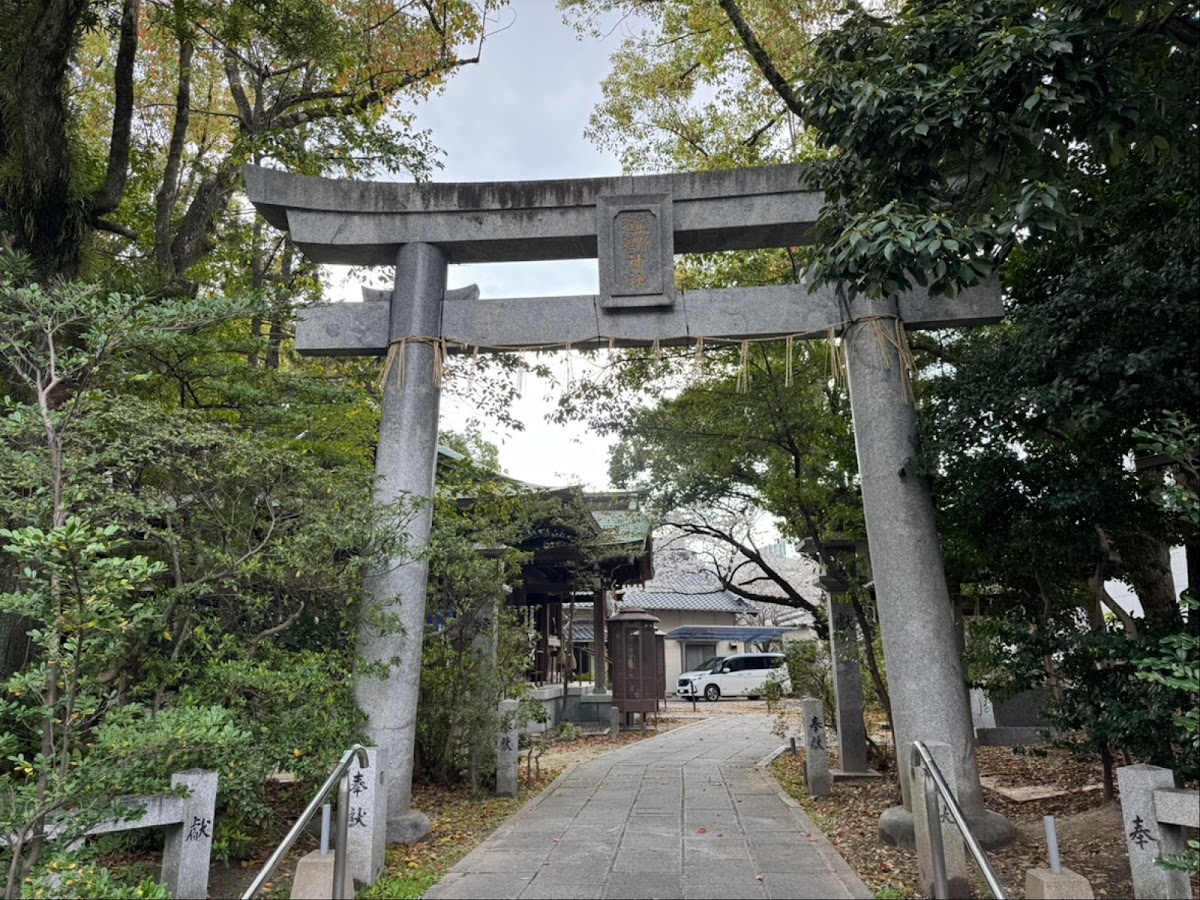
A magnificent shrine name marker stands at the entrance to the shrine grounds, inscribed with the words “Kumano Dosojinja Shrine.” Passing through the torii gate, you enter a tranquil sacred area far removed from the hustle and bustle of the city.
Water Basin
The water basin, where you purify yourself before worship, is traditionally constructed and kept clean. Before proceeding to the main hall, purify your body and mind here.
Main Hall and Honden (Inner Sanctuary)
The main hall is a charming wooden structure, while the honden is built in the traditional Nagare-zukuri style. Nagare-zukuri is an elegant style with a long, flowing roof, and is one of the most common styles in Japanese shrine architecture.
Sacred Tree
The most striking feature within the shrine grounds is the enormous sacred tree. The ancient trees, having grown over many years, stand in their natural form, symbolizing the history of the shrine and the sacredness of the sacred grounds. Said to be several hundred years old, their majestic presence inspires awe in visitors.
Dosojinja Shrine
Across the road stands the shrine of Dosojinja. This shrine, too, possesses a simple yet charming appearance, offering a different atmosphere from Kumano Shrine. Visiting both shrines allows you to more deeply appreciate the history of Kumano Dosojinja.
Goshuin (Shrine Seal) Information
About the Issuance of Goshuin
Goshuin (shrine seals) are available at Kumano Dosojinja. There is a shrine office with a resident priest, so you can request a goshuin during your visit.
The goshuin features the calligraphy and red seal of “Kumano Dosojinja,” and many people cherish it as a memento of their visit. If you bring your goshuincho (stamp book) and politely request it, they will write it for you with heartfelt care.
Manners when receiving a goshuin (temple/shrine stamp)
A goshuin is not just a stamp rally; it is proof of your visit. The correct etiquette is to first visit the main shrine, express your gratitude to the gods, and then request a goshuin. Also, having small change ready for the goshuin fee (hatsuho-ryo) will ensure a smoother process.
Faith as the “God of the Throat”
Kumano Dosojinja Shrine is also known locally as the “God of the Throat.” It is believed to grant blessings related to throat health and voice, and singers, people in professions that use their voices, and those suffering from throat problems often visit the shrine.
The origin of this belief is not clearly documented, but it has been passed down among local people for a long time. Those wishing for a healthy throat should definitely consider visiting.
Annual Rituals and Events
Kumano Dosojinja Shrine holds various rituals throughout the year. As the local guardian deity, the shrine holds seasonal festivals and prayer ceremonies, serving as a center of faith for the local residents.
Major religious ceremonies include the New Year’s Day Festival and the Spring and Autumn Grand Festivals, praying for the peace and prosperity of the community and the happiness of its parishioners. These ceremonies are passed down to the present day, preserving ancient traditions.
Access and Location Information
Basic Information
Location: 4-11-1 Shiobara, Minami-ku, Fukuoka City, Fukuoka Prefecture
Phone Number: 092-541-3545
Access by Public Transportation
Approximately 5 minutes on foot from Ohashi Station on the Nishitetsu Tenjin Omuta Line
Exit the east exit of Ohashi Station and walk approximately 300 meters southeast along the main street to reach Kumano Dosojinja Shrine. It is very conveniently located near the station. The directions are relatively easy to follow, but first-time visitors should use a map app for accuracy.
Access by Car
The shrine is approximately 5 minutes from the Notame Interchange of the Fukuoka Urban Expressway. However, there may not be a dedicated parking lot on the shrine grounds, so we recommend using nearby coin-operated parking lots or public transportation.
Landmarks in the Area
The shrine is located near Kyushu Institute of Design (now the Faculty of Design, Kyushu University), and Chikushigaoka High School is also nearby. Using these educational facilities as landmarks will make it easier to find the location.
Points and Precautions for Visiting
Etiquette for Visiting a Shrine
The basic etiquette for visiting a shrine is “two bows, two claps, one bow.” In front of the main hall, bow deeply twice, clap your hands twice, and finally bow deeply once. It is important to pray with sincerity.
Suitable Time to Visit
While shrines are generally open for worship during the day, if you wish to receive a Goshuin (shrine stamp), you need to visit during the hours when the shrine office is open. Generally, this is from 9:00 AM to around 5:00 PM, but it is best to confirm by phone beforehand. ### Clothing and Belongings
There are no specific dress code requirements, but as this is a sacred place, clean and subdued attire is desirable. Bringing appropriate seasonal items such as a hat and drinks in summer, and warm clothing in winter, will ensure a comfortable visit.
Nearby Tourist Attractions
Chikushigaoka High School
Deeply connected to the history of the shrine, Chikushigaoka High School is known as a leading preparatory school in Fukuoka Prefecture. Even just viewing the school building from the outside evokes a sense of its historical connection to the shrine.
Around Ohashi Station
The area around Ohashi Station boasts numerous commercial facilities and restaurants, allowing visitors to enjoy meals and shopping before or after their visit. It is a bustling center of local life.
The Charm of Kumano Dozojin Shrine
The greatest charm of Kumano Dozojin Shrine lies in its quiet and peaceful atmosphere despite its urban location. Its unique history, stemming from the merging of two shrines, and the careful preservation of each sacred area, are features rarely seen in other shrines.
As symbolized by the large sacred tree, the shrine’s long history of being protected and revered by the local people is evident throughout its grounds. The intriguing anecdote surrounding Chikushigaoka High School is another fascinating episode that speaks to the sacredness of the area.
Connection to the Community
Kumano Dosojin Shrine serves as the tutelary deity of the Shiobara district, a spiritual pillar of the local community. It watches over the safety of the region, the health of residents, and the growth of children, functioning as a spiritual anchor for the people.
Through local festivals and events, it also serves as a place for intergenerational exchange, playing an important role in the transmission of traditional culture.
Summary
Located in Minami Ward, Fukuoka City, Kumano Dosojin Shrine is a historical and venerable shrine established in 1937 through the merger of Kumano Shrine and Dosojin Shrine. It enshrines deities including Izanagi-no-Mikoto, and is revered for protection of roads, safe travel, and as the “god of the throat.”
The fascinating anecdote surrounding the construction of Chikushigaoka High School is a valuable story that conveys the sacredness of the shrine grounds, and the ancient sacred tree symbolizes its long history. Conveniently located about a 5-minute walk from Nishitetsu Ohashi Station, the shrine office also offers Goshuin (stamped seals).
Why not visit this tranquil shrine in the heart of the city and find peace of mind? Kumano Dosojinja Shrine is one of Fukuoka Prefecture’s leading shrines, bestowing solace and divine blessings upon its visitors.