The History and Integration of Tagawa Gokoku Shrine (Fukuoka Prefecture): A Journey from Meiji to Showa
Introduction: What is Tagawa Gokoku Shrine?
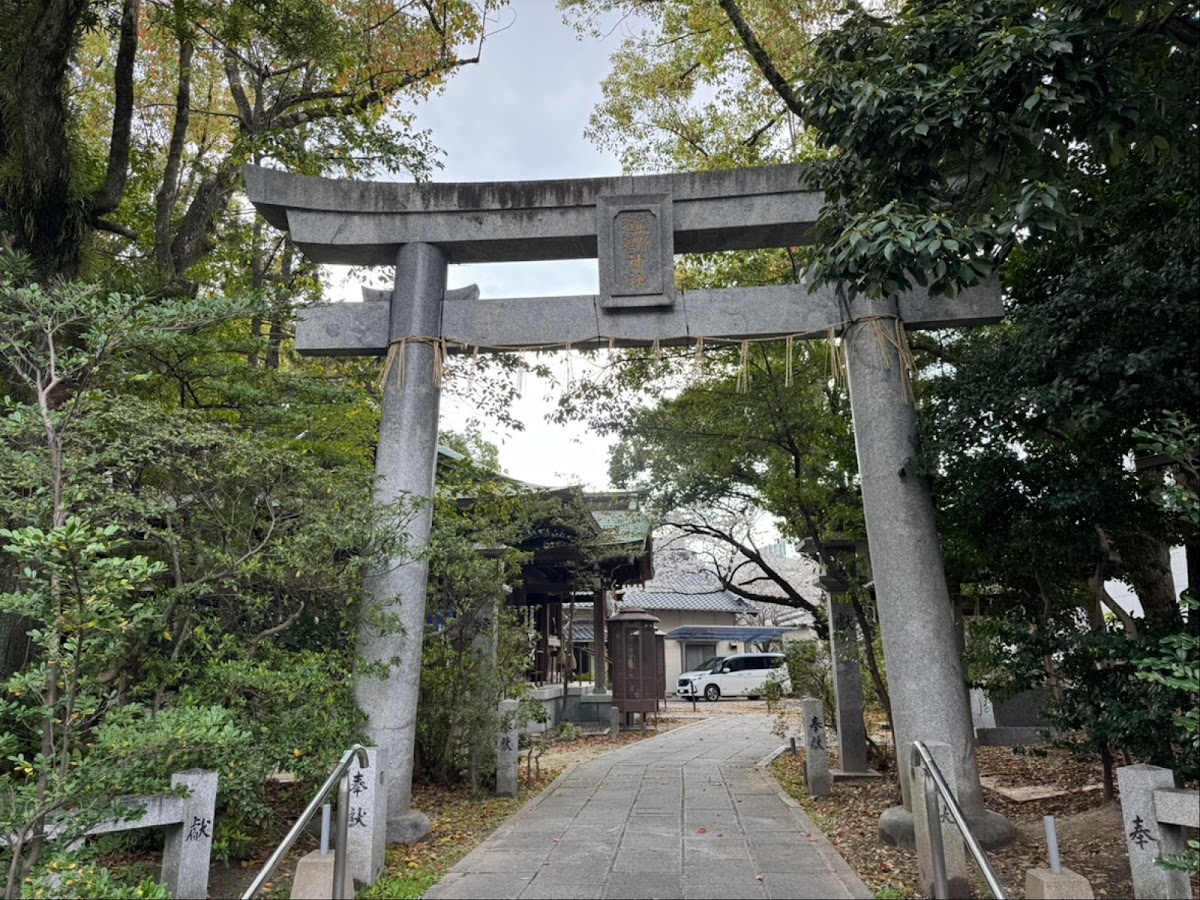
Tagawa Gokoku Shrine was a Gokoku Shrine that once existed in Ida-machi, Tagawa-gun, Fukuoka Prefecture (present-day Tagawa City). Founded in 1869 (Meiji 2) by the noble Takachiho Education, it began as a shrine dedicated to those who sacrificed their lives during the national crisis of the Meiji Restoration. For approximately 74 years, it continued to enshrine the spirits of the heroes of the Tagawa region until April 1943 (Showa 18), when it was merged with Fukuoka Prefecture Gokoku Shrine as part of the consolidation of Gokoku Shrines within Fukuoka Prefecture.
Currently, Tagawa Gokoku Shrine itself no longer exists as an independent shrine; its deities and history are inherited by Fukuoka Prefecture Gokoku Shrine, located in Ropponmatsu, Chuo-ku, Fukuoka City. However, the existence of Tagawa Gokoku Shrine is extremely important for understanding the history of the establishment of Shokonsha shrines in the Tagawa region and the history of commemorating war dead in the area.
Historical Background of the Establishment of Tagawa Gokoku Shrine
The Meiji Restoration and the Establishment of Shokonsha Shrines
In May 1868 (Meiji 1), at the behest of Emperor Meiji, Shokonsha shrines were established throughout Japan to commemorate and honor those who perished in the national crisis of the Meiji Restoration. In Fukuoka Prefecture, former feudal lords and others responded to this movement, establishing Shokonsha shrines in various locations.
Kuroda Nagatomo, the lord of the Fukuoka domain, established Myoken Shokonsha in Katakasu Village, Naka District, and Umadashi Shokonsha in Umadashi Village in November 1868 (Meiji 1) to enshrine the samurai who died in the Boshin War. These were later merged and became the predecessors of Fukuoka Gokoku Shrine.
Founding of the Shokonsha Shrine in the Tagawa Region
The Tagawa Gokoku Shrine was founded in 1869 (Meiji 2) in Ida-machi, Tagawa-gun (present-day Tagawa City) by Takachiho Kyoiku, a member of the nobility. This founding date was only a few months after the establishment of the Shokonsha Shrine in the Fukuoka Domain, and it is positioned as part of the memorial services during the turbulent period immediately following the Meiji Restoration.
The fact that it was founded by Takachiho Kyoiku, a member of the nobility, is a distinctive feature of the Tagawa Gokoku Shrine’s origins. The nobility in the early Meiji period consisted of privileged classes such as former daimyo and court nobles, and their involvement in the founding of local Shokonsha Shrines illustrates the significant impact of the Meiji Restoration on the Tagawa region.
Development of Gokoku Shrines in Fukuoka Prefecture
Existence of Five Gokoku Shrines
Before the unification in 1943, the following five Gokoku shrines (Shokonsha) existed in Fukuoka Prefecture:
- Fukuoka Gokoku Shrine: Fukuoka City (Myoken Shokonsha and Maedashi Shokonsha enshrined together)
- Yamakawa Gokoku Shrine: Kurume City
- Yanagawa Gokoku Shrine: Yanagawa City
- Hakkeizan Gokoku Shrine: Miyako Town
- Tagawa Gokoku Shrine: Tagawa City (formerly Ida Town, Tagawa District)
These Gokoku shrines enshrined those who died in war from the Meiji Restoration to the Greater East Asia War in their respective regions, playing a central role in the commemoration of the war dead in their areas.
Regional Characteristics of Each Gokoku Shrine
The five Gokoku shrines in Fukuoka Prefecture each had different historical backgrounds and regional characteristics.
Yamakawa Gokoku Shrine (Kurume City) was founded by the Arima clan, the lords of the Kurume Domain, and was a central shrine for war dead in the Chikugo region. Yanagawa Gokoku Shrine (Yanagawa City) functioned as a memorial facility in the territory of the Tachibana clan of the Yanagawa Domain. Hakkeizan Gokoku Shrine (Miyako Town) was established as a facility to enshrine the spirits of those who died in the Buzen region.
And Tagawa Gokoku Shrine, located in Tagawa, the central city of the Chikuhō coalfield region, served as a base for commemorating the war dead of the region. The Tagawa region prospered from the coal industry from the Meiji period to the early Showa period, and was an industrial city with many workers. These regional characteristics are thought to have influenced the character of Tagawa Gokoku Shrine.
From Shokonsha to Gokoku Shrine: Changes in the System
Establishment of the Shokonsha System
Shokonsha shrines, founded in various locations in the early Meiji period, were not initially under a unified system. The Meiji government gradually refined the system of Shokonsha shrines, establishing a national system for commemorating war dead.
In 1879 (Meiji 12), the Tokyo Shokonsha was renamed the Special Imperial Shrine Yasukuni Shrine, becoming a central facility under national protection. Meanwhile, local Shokonsha shrines remained under the management of their respective prefectures, continuing to serve the role of enshrining the spirits of local war dead.
Renaming to Gokoku Shrines
In 1939 (Showa 14), the Ministry of Home Affairs revised the Shokonsha system, deciding to rename all Shokonsha shrines below the prefectural level to “Gokoku Shrines.” This revision resulted in all Shokonsha shrines nationwide changing their names to Gokoku Shrines.
In Fukuoka Prefecture, the Fukuoka Shokonsha became “Fukuoka Gokoku Shrine,” and the other four Shokonsha shrines were renamed “Yamakawa Gokoku Shrine,” “Yanagawa Gokoku Shrine,” “Hakkeizan Gokoku Shrine,” and “Tagawa Gokoku Shrine,” respectively.
This name change reflects the historical context of the time, where the importance of commemorating war dead increased with the prolonged Sino-Japanese War. The name Gokoku Shrine clearly expressed the meaning of “protecting the nation” and further emphasized the honor of the war dead.
Integration in 1943: Establishment of Fukuoka Prefecture Gokoku Shrine
History of Integration
In April 1943, five Gokoku Shrines in Fukuoka Prefecture were integrated to form “Fukuoka Prefecture Gokoku Shrine.” This integration was carried out against the backdrop of the intensification of the Pacific War (Greater East Asia War), which necessitated the development and expansion of war memorial facilities.
Upon integration, Fukuoka Gokoku Shrine was relocated to its current location in Ropponmatsu, Chuo-ku, Fukuoka City (the former training ground south of Fukuoka Castle ruins), and four other shrines—Yamakawa Gokoku Shrine, Yanagawa Gokoku Shrine, Hakkeizan Gokoku Shrine, and Tagawa Gokoku Shrine—were enshrined together. This established a system for enshrining the spirits of all those who died throughout Fukuoka Prefecture in one place.
Significance of the Integration
The establishment of Fukuoka Prefecture Gokoku Shrine through the integration of five shrines had several important significances.
Firstly, consolidation of memorial facilities. By integrating the Gokoku Shrines that were scattered throughout the prefecture, it became possible to develop a larger and more magnificent memorial facility. Relocating to the historical site of Fukuoka Castle also had the effect of enhancing the shrine’s status and authority.
Secondly, efficiency in rituals. As the number of war dead rapidly increased with the intensification of the war, it was more efficient to consolidate everything into one large facility than to maintain and manage multiple facilities individually.
Thirdly, unification of the prefectural residents’ awareness of commemoration. By enshrining the spirits of those who died throughout the prefecture in one place, it was expected that the awareness of commemoration and honoring the war dead throughout Fukuoka Prefecture would be heightened.
The End of Tagawa Gokoku Shrine
With the merger in April 1943, Tagawa Gokoku Shrine effectively ceased to exist as an independent shrine. The spirits of those who died at Tagawa Gokoku Shrine were enshrined together at Fukuoka Prefecture Gokoku Shrine, and their worship was continued at a new shrine in Fukuoka City.
It is presumed that the loss of their local Gokoku Shrine was a significant change for the residents of the Tagawa area. However, under the national demands of the wartime regime, this merger proceeded smoothly.
Current State of War Memorials in the Tagawa Area
Succession at Fukuoka Prefecture Gokoku Shrine
Currently, the spirits of those who died at Tagawa Gokoku Shrine are enshrined together at Fukuoka Prefecture Gokoku Shrine in Ropponmatsu, Chuo-ku, Fukuoka City. Fukuoka Prefecture Gokoku Shrine enshrines approximately 130,000 spirits of those who died from the Meiji Restoration to the Greater East Asia War, including those from the Tagawa area.
At Fukuoka Prefecture Gokoku Shrine, various festivals are held throughout the year, including the spring and autumn grand festivals, to commemorate and honor the war dead from all over Fukuoka Prefecture. Bereaved families and related parties in the Tagawa area can also remember their loved ones by visiting this shrine.
Memorial Facilities in Tagawa City
Even after the integration of Tagawa Gokoku Shrine, facilities and monuments for commemorating war dead still exist within Tagawa City. Memorials and monuments in each district function as places of remembrance at the community level.
Furthermore, major shrines in Tagawa City, such as Kazeji Hachimangu Shrine, play an important role as a spiritual pillar of the region. Kazeji Hachimangu Shrine is a historic shrine known for the “Kawawatari Shinkosai” (River Crossing Divine Procession Festival), one of Fukuoka Prefecture’s five major festivals, and is located in front of Tagawa-Ita Station.
Historical Significance of the Gokoku Shrine System
The Meiji State and War Dead Memorialization
The Gokoku Shrine system was an important part of the war dead memorialization system established by the Meiji state. The hierarchical system of memorial services, with Yasukuni Shrine at its apex and prefectural Gokoku Shrines positioned below it, also functioned as a mechanism for national unity and boosting morale during the war.
Local Gokoku Shrines, such as Tagawa Gokoku Shrine, played a crucial role as intermediaries connecting the central Yasukuni Shrine with local communities. For local residents, these nearby shrines served as more direct places of remembrance than the distant Yasukuni Shrine in Tokyo.
Post-War Gokoku Shrines
After World War II, under the GHQ’s Shinto Directive, Gokoku Shrines were separated from state control and re-established as religious corporations. Fukuoka Prefecture Gokoku Shrine also moved away from its pre-war state control and followed the path of a religious corporation.
Currently, Fukuoka Prefecture Gokoku Shrine continues its original role of commemorating war dead while also operating as a shrine open to the community, holding Shinto wedding ceremonies and various prayer services. The shrine grounds are also known as a cherry blossom viewing spot, attracting many visitors in the spring.
History and Industry of the Tagawa Region
The Chikuhō Coalfield and Tagawa
Tagawa City has a history of flourishing as the central city of the Chikuhō coalfield. From the Meiji period to the 1950s, the coal industry was the backbone of the Tagawa region’s economy. Many coal miners gathered from all over Japan, and Tagawa developed into a vibrant industrial city.
The period when the Tagawa Gokoku Shrine existed coincides precisely with the heyday of the coal industry. It is believed that the shrine served as a spiritual anchor for coal miners and their families in the region.
War and the Tagawa Region
Many people from the Tagawa region also went to war and lost their lives in various wars after the Meiji Restoration. From the First Sino-Japanese War, the Russo-Japanese War, World War I, the Manchurian Incident, the Second Sino-Japanese War, and the Pacific War, young people from the Tagawa region went to the battlefield alongside the progress of modern Japan.
Tagawa Gokoku Shrine served as a place of remembrance for those who died in the war in this region, and for the bereaved families and local residents. After the merger in 1943, Fukuoka Prefecture Gokoku Shrine took over this role, but the memories of war and the history of remembrance in the Tagawa region remain etched in the hearts of the local people.
Current Status of Fukuoka Prefecture Gokoku Shrine
Location and Access
Fukuoka Prefecture Gokoku Shrine is located at 1-1-1 Ropponmatsu, Chuo-ku, Fukuoka City. It is within walking distance of Ropponmatsu Station on the Fukuoka City Subway Nanakuma Line, making it easily accessible. It is located south of the Fukuoka Castle ruins and was built on the site of a former training ground.
Deities and Rituals
Fukuoka Prefecture Gokoku Shrine enshrines the spirits of approximately 130,000 people from Fukuoka Prefecture who sacrificed their precious lives during national crises from the Meiji Restoration to the Greater East Asia War. This includes the spirits of those who were enshrined at the former Tagawa Gokoku Shrine.
Throughout the year, various festivals are held, including the Spring Grand Festival (April) and the Autumn Grand Festival (October), continuing the commemoration and honoring of the war dead.
Shrine Facilities
In addition to the main hall and worship hall, the grounds of Fukuoka Prefecture Gokoku Shrine include facilities such as the Shokonsai Garden and the Statue of the Special Attack Force Heroes. The Shokonsai Garden is a sacred place for commemorating the war dead, and the Statue of the Special Attack Force Heroes is a monument that conveys the heroic figures of the special attack force members to future generations.
The shrine grounds are also known as a famous cherry blossom viewing spot, with beautiful cherry blossoms in full bloom in spring. It is a place of remembrance as well as a beloved place of relaxation for citizens.
Modern Role
In addition to its original role of commemorating war dead, Fukuoka Prefecture Gokoku Shrine currently also holds various prayer ceremonies, including Shinto weddings, Shichi-Go-San (a traditional Japanese rite of passage for children), and exorcisms. While maintaining its traditional functions as a Shinto shrine, it operates as an open presence within the local community.
Summary: The Historical Positioning of Tagawa Gokoku Shrine
Tagawa Gokoku Shrine existed for approximately 74 years, from 1869 (Meiji 2) to 1943 (Showa 18), as the central facility for commemorating war dead in the Tagawa region. It had a unique founding history, established through the education of the Takachiho aristocracy, and was deeply intertwined with the history of Tagawa, the central city of the Chikuhō coalfield.
Although Tagawa Gokoku Shrine ceased to exist as an independent shrine due to the consolidation of Gokoku shrines within Fukuoka Prefecture in 1943, the spirits of the war dead and its history were inherited by Fukuoka Prefecture Gokoku Shrine. Even today, the spirits of the war dead from the Tagawa region and throughout Fukuoka Prefecture continue to be commemorated and honored at Fukuoka Prefecture Gokoku Shrine in Ropponmatsu, Chuo-ku, Fukuoka City.
The history of Tagawa Gokoku Shrine holds significant meaning in understanding modern Japanese history from the Meiji Restoration to the Pacific War, the regional history of Fukuoka Prefecture, and the evolution of the war dead commemoration system. Even now, more than 80 years after its integration, its historical significance remains undiminished, and it continues to speak to us with much to say.
For those interested in the history of the Tagawa region, those who wish to learn about the history of commemorating war dead, and those who want to learn about the Gokoku Shrines of Fukuoka Prefecture, the existence of the Tagawa Gokoku Shrine and the circumstances of its integration are important historical facts that should not be forgotten.