Susa Shrine (Ida, Tagawa City, Fukuoka Prefecture) Complete Guide | History, Deities, and Access Information
Located in Ida Teppo-cho, Tagawa City, Fukuoka Prefecture, Susa Shrine is a historic shrine dedicated to Susanoo-no-Mikoto. This shrine, which has walked hand-in-hand with the history of Tagawa City, continues to attract the faith of the local people. This article provides a detailed introduction to Susa Shrine, including its history, enshrined deities, highlights within the grounds, and access information.
Basic Information about Susa Shrine
Susa Shrine is located in Ida Teppo-cho, Tagawa City, Fukuoka Prefecture, and has long been revered as the local tutelary deity.
Location: Ida Teppōmachi, Tagawa City, Fukuoka Prefecture
Main Deity: Susanoo-no-Mikoto
Enshrined Deities: Ukanomitama-no-Kami, Mitsuha-no-Me-no-Kami
Tagawa City has a history of flourishing as the central city of the Chikuhō region, and was a region that reached its peak of prosperity through the coal industry. Susa Shrine is one of the important shrines that has watched over Tagawa’s history, and it remains a place of faith for the local residents.
About the Enshrined Deity
Susanoo-no-Mikoto
Susanoo-no-Mikoto, the main deity of Susa Shrine, is a god who holds a very important position in Japanese mythology. Known as the younger brother of Amaterasu-Ōmikami, he is famous as a heroic god who slayed the Yamata-no-Orochi (eight-headed serpent).
Susanoo-no-Mikoto is believed to possess the following divine virtues:
- Protection from Evil and Disaster: Protects people from epidemics and disasters
- Good Fortune and Prosperity: Overcomes difficulties and opens new paths
- Matchmaking: After slaying the Yamata no Orochi (eight-headed serpent), he married Kushinadahime-no-Mikoto
- Abundant Harvest: Aspect of being a god of agriculture
- Safety at Sea: Also possesses characteristics of a sea god
Ukanomitama-no-Kami
Ukanomitama-no-Kami, one of the enshrined deities, is a god of grain and food, widely known as Inari-no-Kami. He is believed to possess divine virtues of business prosperity and industrial development, and is worshipped as a god who watches over the industrial development of the Tagawa region.
Mizuha-no-Me-no-Kami
Mizuha-no-Me-no-Kami, the goddess who controls water, is also enshrined. It is worshipped as a god that provides the essential blessing of water, and also as a god that protects against water-related disasters.
History and Origins of Susanoo Shrine
The exact founding date of Susanoo Shrine is not clearly recorded, but it has functioned as a center of worship in the Tagawa region since ancient times.
Historical Background of Tagawa City
Tagawa City flourished greatly from the Meiji to Showa periods as the center of the Chikuhō coalfield. With the rise of the coal industry, the population rapidly increased, and many people gathered from all over the country. Amidst these changes, Susanoo Shrine played an important role as a spiritual anchor for the local residents.
The Ida district is located in the center of Tagawa City and was once a bustling area lined with coal mining-related facilities and shops. Susanoo Shrine functioned as the guardian deity of this area and as a spiritual pillar for the residents.
Protection from Epidemics and the Worship of Susanoo-no-Mikoto
Shrines dedicated to Susanoo-no-Mikoto have been worshipped since ancient times as gods that protect against epidemics. Especially since the Edo period, when epidemics broke out in various regions, faith in shrines dedicated to Susanoo-no-Mikoto, such as Susa Shrine and Gion Shrine, increased.
In the Tagawa region, reverence for Susa Shrine as a god protecting people’s health and safety has continued.
Highlights of the Shrine Grounds
Main Hall
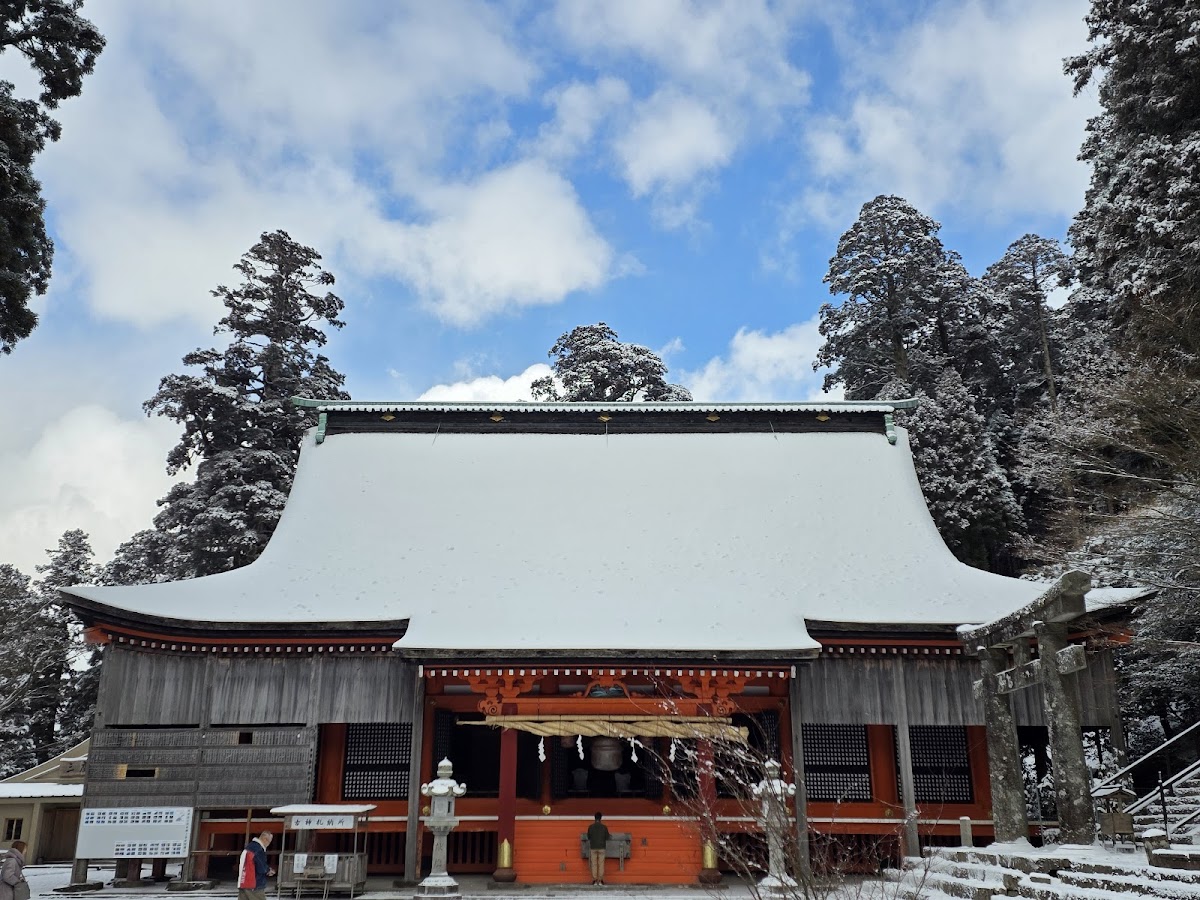
The main hall of Susa Shrine has been rebuilt using reinforced concrete (RC) construction. While adopting a modern architectural style, it maintains the solemnity of a shrine. Having been reborn with a more robust structure after the post-war reconstruction and the period of rapid economic growth, the main hall is a testament to the continued preservation of faith while adapting to changing times.
Atmosphere of the Shrine Grounds
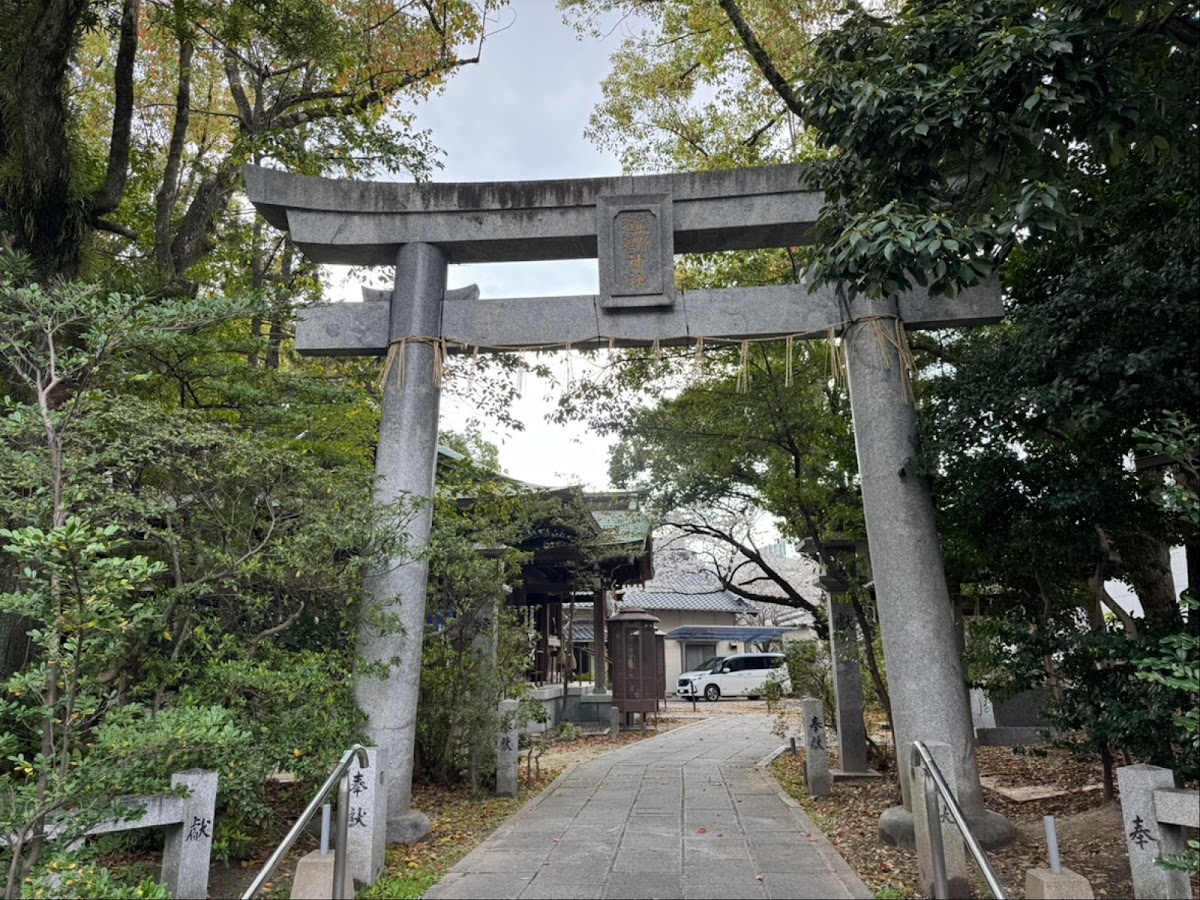
Despite being located in the urban area of Tagawa City, the shrine grounds are enveloped in a tranquil atmosphere. Even amidst increasing urbanization, the shrine grounds remain a cherished place of peace for local residents.
A space where one can escape the hustle and bustle of everyday life and worship in peace is a precious presence in modern society. ## Attractions in and around Tagawa City
When visiting Susa Shrine, we recommend also visiting other tourist spots in Tagawa City and the surrounding area.
Kazeji Hachimangu Shrine
Located in Uomachi, Tagawa City, Kazeji Hachimangu Shrine is one of Tagawa City’s representative shrines. The “Kawawatari Shinkosai” festival, held every May, is one of Fukuoka Prefecture’s five major festivals and attracts many tourists.
Kazeji Hachimangu Shrine also enshrines Susa Shrine as a Gion Shrine, allowing visitors to experience the widespread worship of Susanoo-no-Mikoto.
Tagawa City Coal and History Museum
To learn about the history of Tagawa City, a visit to the Tagawa City Coal and History Museum is essential. You can learn in detail about the history of the Chikuhō coalfield, the lives of coal miners, and the impact of the coal industry on the region.
Historical Spots in Kawara Town
Kawara Town, adjacent to Tagawa City, boasts a rich history dating back to the Manyō era.
Kawara Shrine
Kawara Town has a shrine with the same name as Susa Shrine, and it is said to have been established in 948 AD as a deity protecting people from epidemics and disasters. Kawara Town’s Susa Shrine also enshrines Susanoo-no-Mikoto and is a center of local faith.
Mount Kawara
Mount Kawara, a symbol of Kawara Town, is known as a mountain where copper mining took place since ancient times. It is a historically significant mountain, even mentioned in the Manyoshu (an ancient collection of Japanese poetry), and its distinctive shape can still be seen today.
Kawara Town Historical Museum
This facility allows visitors to learn about the long history and culture of Kawara Town. Ancient artifacts and materials are on display, allowing visitors to understand the historical importance of this region.
Kyushu Olle “Chikuhō-Kawara Course”
The Kyushu Olle is a trekking course originating in Jeju Island, South Korea. The “Chikuhō-Kawara Course” allows you to enjoy the nature and history of the Tagawa region while walking. A visit to Susa Shrine is ideal for experiencing the charm of the region.
Festivals and Events in the Tagawa Region
Furusato Kawara Summer Festival Bon Odori Dance
Held every summer, this Bon Odori dance dance is a traditional event where local residents gather together. It is an important opportunity to honor ancestors and deepen community bonds.
Furusato Kawara Autumn Festival
Celebrating the autumn harvest, this festival features local agricultural products and specialties, along with various events. It is a valuable opportunity to experience the region’s traditional culture.
Specialty Products of the Tagawa Region
Saidosho Dried Persimmons
Dried persimmons made in the Saidosho district of Kawara Town are carefully produced using traditional methods and are characterized by their elegant sweetness.
Kawara Lotus Rice
This environmentally friendly rice is grown with reduced chemical fertilizers and using lotus flowers as green manure. It is an exceptional product that allows you to feel the blessings of abundant nature.
Kawara Wish Bag
A traditional local craft, this amulet bag is made with wishes in mind. It’s popular as a souvenir or gift.
Access Information
Access by Train
Nearest Station: JR Hitahikosan Line/Heisei Chikuhō Railway “Tagawa-Ita Station”
- Approximately 10-15 minutes on foot from the station
Tagawa-Ita Station is the central station of Tagawa City and can be accessed from Fukuoka City via the JR Chikuhō Main Line.
Access by Car
Using Expressways:
- Approximately 30 minutes from Kyushu Expressway “Yahata IC” via National Route 201
- Approximately 40 minutes from Higashi-Kyushu Expressway “Yukuhashi IC” via Prefectural Road 52 and National Route 322
Parking: There is parking space for visitors on or around the temple grounds (please check details on-site).
Access by Bus
Nishitetsu Bus Chikuhō and other route buses operate within Tagawa City. It is accessible on foot from the nearest bus stop.
Manners and Etiquette for Visiting a Shrine
Basic Shrine Visit Etiquette
- Bow before passing through the torii gate: This shows respect when entering the sacred area.
- Purify yourself at the water basin: Purify your left hand, right hand, and mouth in that order.
- Walk along the edge of the path: The center is considered the path of the gods.
- Two bows, two claps, one bow: This is the general etiquette for visiting a shrine.
Mindset During Shrine Visit
Shrine visits are not merely sightseeing; they are performed with respect for the gods. Quietly calm your mind and express your gratitude and wishes in your heart.
The Future of Susa Shrine and Tagawa City
After the decline of the coal industry, Tagawa City has been exploring new avenues for regional development. Various initiatives are underway, including the preservation and utilization of historical heritage, the development of tourism resources, and the revitalization of local communities.
Susa Shrine also plays an important role as a place that conveys the history of the region and deepens the bonds among residents. The shrine’s approach of preserving tradition while adapting to the new era mirrors the overall progress of Tagawa City.
Relationship with surrounding Susa Shrines
There are several Susa Shrines within Fukuoka Prefecture. The Susa Shrine in Urutsu, Chikujo-cho, Chikujo-gun, is said to have been founded in 948 AD, and there is also a Susa Shrine in Kawara, Kawara-machi, Tagawa-gun.
All of these shrines enshrine Susanoo-no-Mikoto and have been worshipped as a god of protection against disease and misfortune. While each has its own unique history as a local tutelary deity, they are united by the common foundation of Susanoo-no-Mikoto worship.
Nationwide, the Susa Shrine in Izumo City, Shimane Prefecture, is known as the main shrine of Susanoo-no-Mikoto and holds a position as the head shrine of all Susa Shrines nationwide.
Deepening Understanding of Tagawa City’s Historical Background
The Chikuhō Coalfield and Tagawa
From the Meiji to Showa periods, the Chikuhō coalfield played a crucial role as an energy supply base supporting Japan’s modernization. Tagawa City, one of its central locations, operated numerous coal mines and boasted a population exceeding 100,000 at its peak.
Changes After Coal Mine Closures
With the energy revolution of the 1960s onward, coal mines closed one after another, marking a major turning point for Tagawa City. Facing challenges such as population decline and changes in industrial structure, the region continues to explore new paths.
Inheritance of Culture and Faith
In Tagawa City, which has experienced changes in industrial structure, traditional places of worship like Susa Shrine play a vital role in maintaining the region’s identity. The faith passed down through generations strengthens the bonds of the local community.
Summary
Susa Shrine in Ida-Teppo-cho, Tagawa City, Fukuoka Prefecture, is a historical shrine dedicated to Susanoo-no-Mikoto. The Susa Shrine has grown alongside Tagawa City’s development, continuously attracting the faith of local residents.
The devotion to Susanoo-no-Mikoto, who is believed to ward off evil and bring good fortune, has been supported by many people across generations. The main hall, rebuilt in reinforced concrete, symbolizes a shrine that preserves tradition while adapting to the times.
When you visit Tagawa City, be sure to pay your respects at Susa Shrine and experience the region’s history and faith. Visiting nearby tourist spots such as Fuchi Hachimangu Shrine and the Tagawa City Coal and History Museum will allow you to gain a deeper understanding of the rich history and culture of the Chikuhō region.
Taking time to calm your mind in the tranquil grounds and reflect on yourself away from the hustle and bustle of everyday life will be a valuable experience in today’s society. We hope that Susa Shrine will continue to be preserved for many years to come as a center of local faith and a place that conveys history.