.png)
Hiyoshi Shrine (Tagawa City, Fukuoka Prefecture) | Complete Guide to History, Deities, Blessings, and Access
Hiyoshi Shrine, located in Tagawa City, Fukuoka Prefecture, is a shrine that has been cherished by the local people for centuries. This article comprehensively introduces information useful for those considering visiting Hiyoshi Shrine, including its historical background, enshrined deities and their blessings, annual events, highlights of the shrine grounds, and access methods.
What is Hiyoshi Shrine?
Hiyoshi Shrine is a shrine located in Tagawa City, Fukuoka Prefecture, and has been revered as the local guardian deity for many years. It is sometimes called Hiyoshi Shrine or Hie Shrine, and is one of the approximately 3,800 Hiyoshi, Hie, and Sanno Shrines nationwide.
Tagawa City is located in the Chikuhō region and is known as a region that once prospered from coal mining. Hiyoshi Shrine is a shrine that has walked hand in hand with the history of this region and serves as a place of faith for the local people.
Characteristics of Hiyoshi Shrine
The following are some of the characteristics of Hiyoshi Shrine:
- Community-oriented shrine: It has strong ties with its parishioners and local residents, playing a central role in the local community.
- Historical continuity: It has a long history of watching over the region.
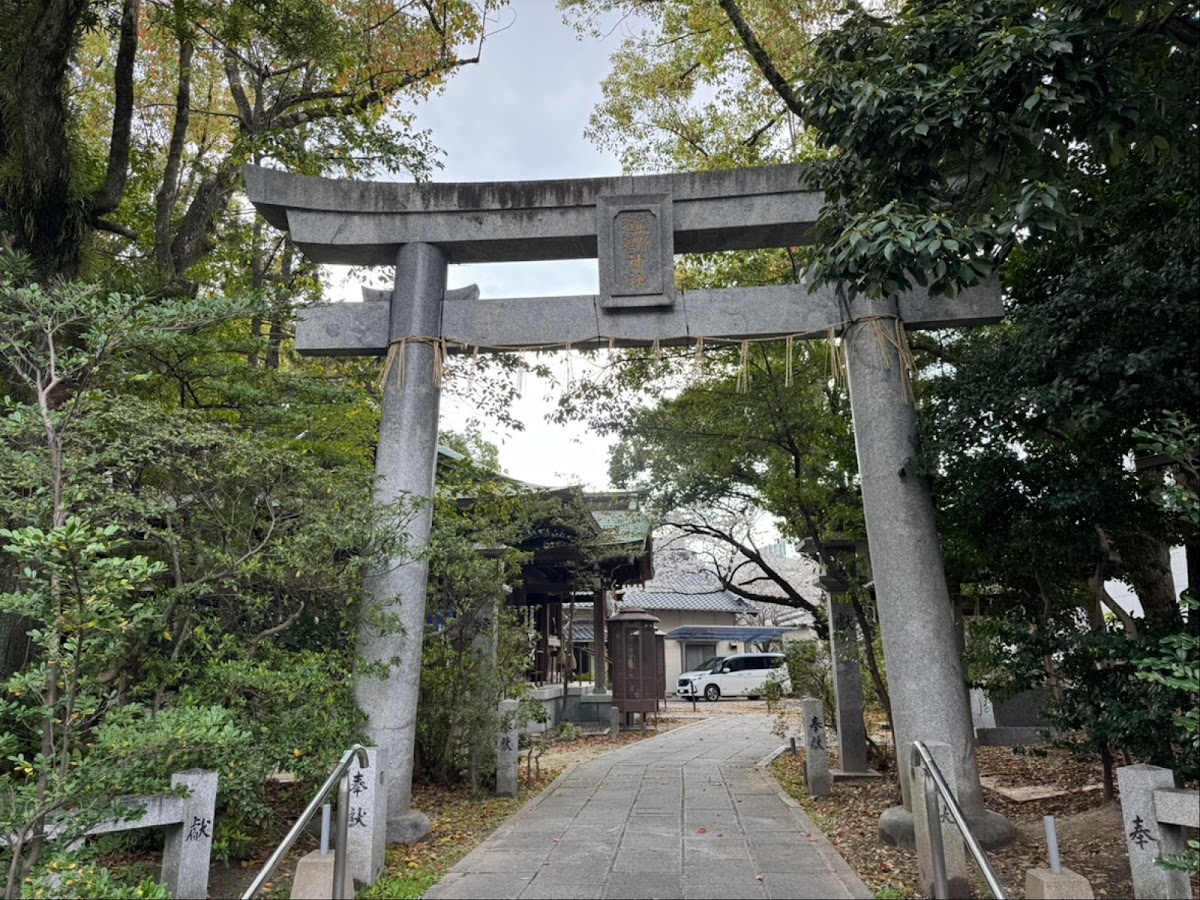
- Tranquil grounds: You can worship in a calm atmosphere, away from the hustle and bustle of the city.
History of Hiyoshi Shrine
Origin of Hiyoshi Faith
The head shrine of Hiyoshi faith is Hiyoshi Taisha in Otsu City, Shiga Prefecture. Hiyoshi Taisha is located at the foot of Mount Hiei and has been revered since ancient times by the imperial court, nobility, and samurai as a shrine protecting the northeast direction of Heian-kyo (Kyoto) and as the guardian deity of Enryaku-ji Temple.
Hiyoshi faith spread throughout Japan from the Heian period onward. In particular, in areas where the influence of Enryaku-ji Temple on Mount Hiei was strong, and in places where Tendai Buddhist temples were built, Hiyoshi shrines were often enshrined as guardian deities.
The Origins of Hiyoshi Shrines in the Tagawa Region
While detailed records of the founding date of Hiyoshi Shrines in Tagawa City are sometimes lacking, it is believed that, like many Hiyoshi shrines in other regions, they were established as centers of local faith from the medieval to early modern periods.
The Chikuhō region has long been a transportation hub, and various cultures and beliefs flowed into it. It is presumed that Hiyoshi faith was also brought to the Tagawa region through such cultural exchange and was accepted by the local people.
History Since the Modern Era
After the Meiji-era separation of Shinto and Buddhism, Hiyoshi shrines became independent as local shrines. During the period when the Tagawa region developed due to the coal mining industry, many people likely visited the shrines to pray for the safety and prosperity of the region.
After the war, the population composition of the Tagawa region changed along with the decline of the coal mining industry, but Hiyoshi Shrine has continued to exist as a spiritual pillar of the community.
Deities and Benefits
Deities
The deities enshrined at Hiyoshi Shrine are generally the following gods:
Oyamakui-no-kami
One of the main deities of Hiyoshi Taisha Shrine, this deity has the characteristics of a mountain god and local guardian deity. “Kui” means “stake,” signifying the god who drives stakes into the mountains, i.e., the god who rules the mountains. This deity has been worshipped since ancient times as the local guardian deity of Mount Hiei.
Omononushi-no-kami
Another main deity, known as the god enshrined on Mount Miwa in Yamato. This deity is widely worshipped as the god of nation-building, agriculture, and commerce.
In addition to these deities, other gods may be enshrined in some regions. ### Benefits
The benefits believed to be obtainable at Hiyoshi Shrine include the following:
Protection from Evil and Misfortune
Because Hiyoshi Taisha Shrine protected the northeast (demon’s gate) of Heian-kyo (ancient Kyoto), it is believed to offer protection from evil and misfortune. Many people visit when starting something new or at a turning point in their lives.
Family Safety
As the local guardian deity, it is believed to protect the health and safety of families.
Business Prosperity
Since Omononushi-no-kami is also the god of commerce and industry, it is believed to offer benefits for business prosperity and success.
Matchmaking
It is believed to offer benefits for forging connections with gods and people, attracting visitors seeking good relationships.
Safe Childbirth and Child-Rearing
The monkey, the divine messenger of Hiyoshi Shrine, is associated with “warding off evil” and “overcoming,” and can also be read as “en” (縁, meaning connection or relationship), thus offering benefits for safe childbirth and child-rearing.
Highlights of the Shrine Grounds
Shrine Buildings
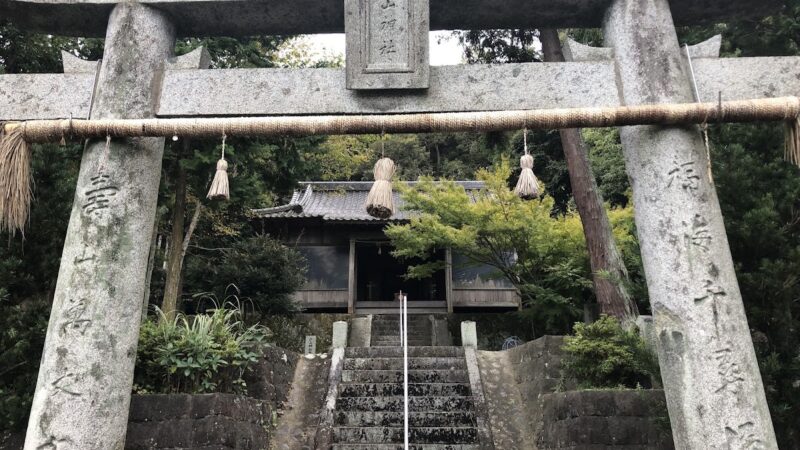
The Hiyoshi Shrine buildings exhibit a tranquil atmosphere befitting a local shrine. Both the main hall and the worship hall are architectural works that reflect the history of supporting local faith.
When praying, please perform the ritual of two bows, two claps, and one bow respectfully.
Monkeys as Divine Messengers
One of the characteristics of Hiyoshi faith is the monkey as a divine messenger (messenger of the gods). At Hiyoshi Taisha, monkeys have been treated as sacred animals since ancient times.
The monkey is considered a symbol of protection against evil and good fortune, due to wordplay on “monkey” (saru) and “superior to all.” If you see monkey statues or sculptures on the shrine grounds, be sure to take a look.
Subsidiary Shrines
Like many shrines, Hiyoshi Shrine may also have subsidiary shrines (abstract shrines/subsidiary shrines). These small shrines also hold the history and beliefs of the region, so if you have time, we recommend taking your time to visit them.
Sacred Trees and Nature
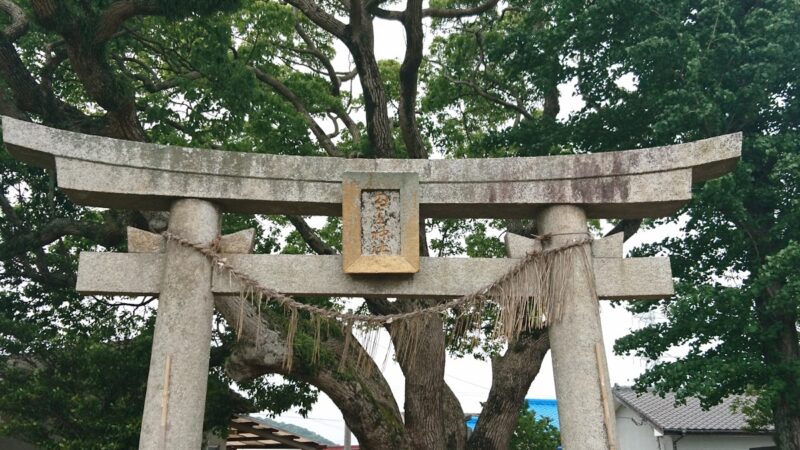
Shrines boast ancient sacred trees and the beauty of nature throughout the seasons. Especially during the cherry blossom season in spring and the autumn foliage season, the shrine grounds are adorned with beautiful scenery.
Annual Events and Festivals
Grand Festival
Hiyoshi Shrine also holds a grand festival once a year. The date of the grand festival varies depending on the shrine, but it is usually held in spring or autumn.
During the grand festival, Shinto rituals are solemnly performed, and local people gather to express gratitude to the gods and pray for the prosperity of the community. There may be a procession of portable shrines or other offerings.
New Year’s Visit
At the start of the new year, worshippers visit the shrine for their first shrine visit of the year. As the local guardian deity, it is bustling with people praying for safety and well-being throughout the year.
Other Annual Events
- Setsubun Festival: Events such as bean-throwing may be held during Setsubun in February.
- Summer Purification Ceremony: A Shinto ritual to purify oneself of the impurities accumulated over the past six months is held at the end of June.
- Shichi-Go-San Festival: In November, there are visits to celebrate the growth of children in the Shichi-Go-San festival.
- Year-End Purification Ceremony: At the end of December, a ceremony to purify oneself of the impurities accumulated over the year and prepare for the New Year is held.
For specific dates and event details, it is recommended to check with the shrine in advance.
Etiquette and Manners for Visiting a Shrine
Basic Etiquette for Visiting a Shrine
Here are some basic etiquette rules for visiting a shrine:
- Bow before passing through the torii gate: As a sign of respect when entering the sacred area, bow before the torii gate.
- Walk along the edge of the path: The center of the path is considered the path of the gods, so walk along the edge.
- Purify yourself at the water basin: If there is a water basin, purify your left hand, then your right hand, then your mouth.
- Pray at the main hall: Pray using the two bows, two claps, and one bow ritual.
- Bow when leaving: When leaving the torii gate, turn around and bow.
Mindset when visiting a shrine
Visiting a shrine is an act of expressing gratitude and respect to the gods. Please note the following:
- Please pray quietly: Avoid speaking loudly or making noise.
- Photography etiquette: Refrain from taking photos in areas where photography is prohibited, and even in permitted areas, be considerate of other worshippers.
- Attire is appropriate: While there are no specific rules, please dress appropriately for a sacred place.
- Consideration for pets: Please check in advance whether pets are allowed.
Access Information
Location
The shrine is located in Tagawa City, Fukuoka Prefecture. For the detailed address, we recommend checking with the Tagawa City Tourist Information Center or local information sources.
Access by Public Transportation
Access by Train
- The nearest stations are all on the JR Hitahikosan Line.
- Within Tagawa City, there are stations such as Tagawa-Ita Station and Tagawa-Gotōji Station.
- Access from the station is by foot, taxi, or bus.
Access by Bus
- Nishitetsu Bus and city loop buses operate.
- It is recommended to check the nearest bus stop in advance.
Access by Car
Using the Expressway
- From Kokura-Higashi IC or Yahata IC on the Kyushu Expressway, take National Route 201 towards Tagawa.
- The journey takes approximately 30-40 minutes.
Using General Roads
- From Fukuoka City, take National Route 201 east.
- From Kitakyushu City, use National Route 322 or National Route 201.
Parking
Parking availability and capacity vary depending on the size of the shrine. During events such as annual festivals, congestion is expected, so please consider using public transportation.
Nearby Tourist Attractions
Tagawa City Coal and History Museum
This museum allows you to learn about the history of Tagawa City, especially the history of coal mining. You can learn about the prosperity of the Chikuhō coalfield and the lives of the people through valuable materials and exhibits. Visiting in conjunction with a visit to Hiyoshi Shrine will allow you to understand the local history more deeply.
Kazeji Hachimangu Shrine
One of Tagawa City’s representative shrines, known for its Kawawatari Shinkōsai (river crossing procession). This festival, held every May, is one of Fukuoka Prefecture’s five major festivals and attracts many tourists.
Tagawa City Museum of Art
This museum allows you to enjoy works by local artists and special exhibitions. Recommended for those who want to spend a culturally enriching day.
Kawara-dake
This distinctive mountain rises in Kawara Town, adjacent to Tagawa City. It has long been an object of worship and is a historically significant mountain, even mentioned in the Manyoshu (an ancient collection of Japanese poetry). Hiking and nature observation are popular activities.
About Tagawa City
History of Tagawa City
Tagawa City is located in the central part of Fukuoka Prefecture, in the Chikuhō region. During the Edo period, it flourished as a post town on the Nagasaki Kaido road, and from the Meiji era onward, it supported Japan’s modernization as the center of the Chikuhō coalfield.
During the heyday of coal mining, it was a vibrant town bustling with people. However, after the 1960s, the energy revolution led to the closure of coal mines, forcing a transformation of the industrial structure. Currently, efforts are being made to leverage its history for tourism and to cultivate new industries.
Culture of Tagawa City
Tagawa City retains many cultural heritage sites from the coal mining era, and in recent years, efforts have been made to pass on the “memories of coal mining” to future generations. Traditional festivals and performing arts are also carefully preserved.
Sakubei Yamamoto
The works of Sakubei Yamamoto, a coal mining record painter from Tagawa City, are registered as a UNESCO World Memory Heritage site. His works, depicting the realities of coal mining, are highly regarded internationally.
How to Enjoy Visiting Hiyoshi Shrine
Seasonal Attractions
Spring (March-May)
The shrine grounds are beautifully adorned with cherry blossoms. The beauty of the fresh greenery is exceptional, allowing for a refreshing visit.
Summer (June-August)
The greenery deepens, and the shade of the trees provides coolness. The Summer Purification Ceremony cleanses away the impurities of the past six months, and prayers are offered for safety in the second half of the year.
Autumn (September-November)
The shrine grounds are ablaze with autumn colors, offering beautiful scenery. Visiting with a feeling of gratitude for the bountiful autumn harvest is also a good idea.
Winter (December to February)
You can pray in peace in the tranquil grounds. The shrine becomes lively with visitors during the New Year’s period.
About Goshuin (Shrine Seals)
Some shrines offer Goshuin. Goshuin are proof of your visit and a tangible record of your connection with the gods. When receiving a Goshuin, please note the following:
- Pray before receiving the Goshuin
- Prepare a Goshuincho (Goshuin notebook) (First-time visitors may be able to purchase one at the shrine)
- Prepare a Hatsuhoryo (offering fee) (generally around 300-500 yen)
- Don’t forget to express your gratitude to the priest or shrine staff
It is recommended to check in advance whether Goshuin are offered at Hiyoshi Shrine.
Amulets and Souvenirs
Shrines offer a variety of amulets and souvenirs. You can receive amulets tailored to your specific wishes, such as protection from evil, traffic safety, academic success, and finding love.
Treat your amulet with care, as it is imbued with the power of the gods, and keep it with you at all times or in a special place.
To make your visit to Hiyoshi Shrine more fulfilling
Preparations
To make your visit more meaningful, we recommend the following preparations:
- Learn about the history of the shrine: Researching the history of Hiyoshi faith and Tagawa City beforehand will make your visit a deeper experience.
- Clarify your purpose of visit: Think about what you will pray for and what you will be grateful for.
- Check the weather: As the visit will be outdoors, prepare appropriate clothing and belongings for the weather.
- Allow plenty of time: Don’t rush your visit; allow time to slowly explore the shrine grounds.
Connection with the community
The shrine is the heart of the local community. Interacting with local people is one of the pleasures of visiting the shrine. By listening to the history of the shrine and local stories from the residents, you will gain a deeper understanding.
Furthermore, by participating in events such as the annual festival, you can experience local culture and feel the connection between the shrine and the community.
Summary
Hiyoshi Shrine in Tagawa City, Fukuoka Prefecture, is a shrine with a long history and has been cherished by the local people. It is believed to offer various blessings, including protection from evil, warding off misfortune, family safety, and business prosperity, attracting many worshippers.
In the tranquil grounds, you can calm your mind and offer gratitude and prayers to the gods, spending precious time away from the hustle and bustle of everyday life. When visiting Tagawa City, be sure to visit Hiyoshi Shrine and experience the history and culture of the region.
When visiting, please observe basic etiquette and manners, and approach the gods with respect. Also, visiting nearby tourist spots in conjunction with Hiyoshi Shrine will allow you to gain a deeper understanding of Tagawa City’s charm.
We hope that Hiyoshi Shrine will become a place of solace for you and a place you will want to visit at important milestones in your life.